The most effective social media strategy isn’t about being everywhere. It’s about being in the right places.
Many marketers spread themselves too thin across multiple social media platforms, diluting their efforts and seeing minimal returns. The key to success lies in strategic selection: focusing your resources on the social media channels where your target audience actively engages, rather than attempting to maintain a presence on every available platform. This approach maximises engagement, optimises resource allocation, and aligns your content with the specific business goals you’re trying to achieve.
Selecting the right network mix requires understanding three fundamental elements: where your audience spends their time, what type of content resonates on each platform, and which channels best support your business objectives. When you align these factors, you create a social media strategy that delivers measurable results without overwhelming your team or budget.
This guide provides a structured approach to choosing your social media channels. You’ll find detailed platform breakdowns with demographic insights, decision frameworks to match platforms with your goals, and practical strategies to build an effective network mix that drives real business value.
Why Strategic Platform Selection Matters
Your social media strategy succeeds or fails based on platform choice. Selecting the wrong channels wastes resources and produces minimal engagement.
Quality matters more than quantity in social media marketing. Businesses that focus on one or two platforms well consistently outperform those spreading thin across multiple channels. This principle applies regardless of industry or company size.
Strategic selection ensures your content reaches the right people at the right time. Each social media platform attracts distinct demographics with specific expectations. Posting B2B content on TikTok or youth-focused entertainment on LinkedIn creates misalignment that undermines your entire strategy.
Resource allocation becomes more efficient when you concentrate efforts on fewer platforms. Your team can maintain consistent posting, engage meaningfully with your audience, and optimise content for each channel’s specific format requirements. This focused approach delivers stronger results than sporadic activity across numerous platforms.
The foundation of smart platform selection rests on understanding your audience deeply. This understanding drives every subsequent decision in your social media strategy.
Identify Your Target Audience
Platform selection begins with audience research. You need to understand who you’re trying to reach before determining where to reach them.
Analyse Demographic Characteristics
Start by defining your ideal customer’s demographic profile. Consider age, gender, education level, income bracket, and geographic location. These factors directly influence which social media platforms your audience prefers.
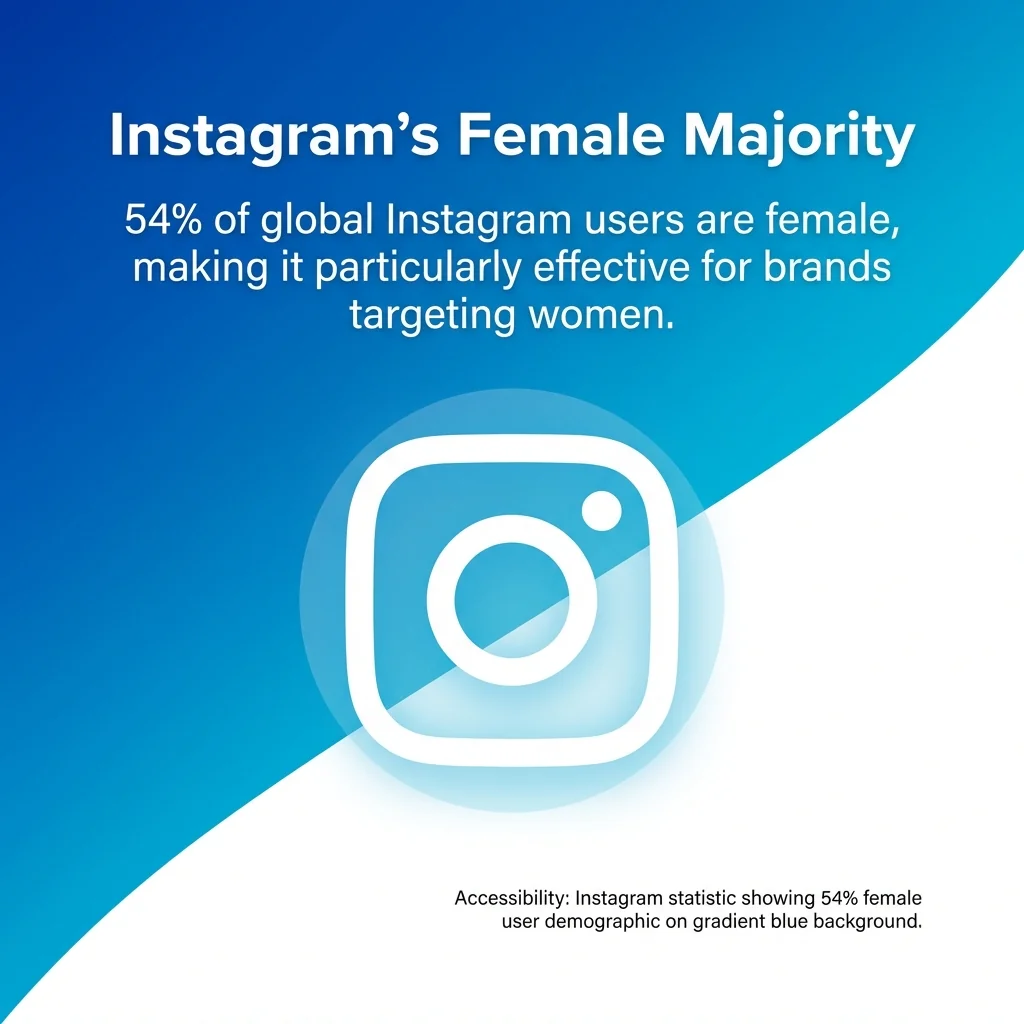
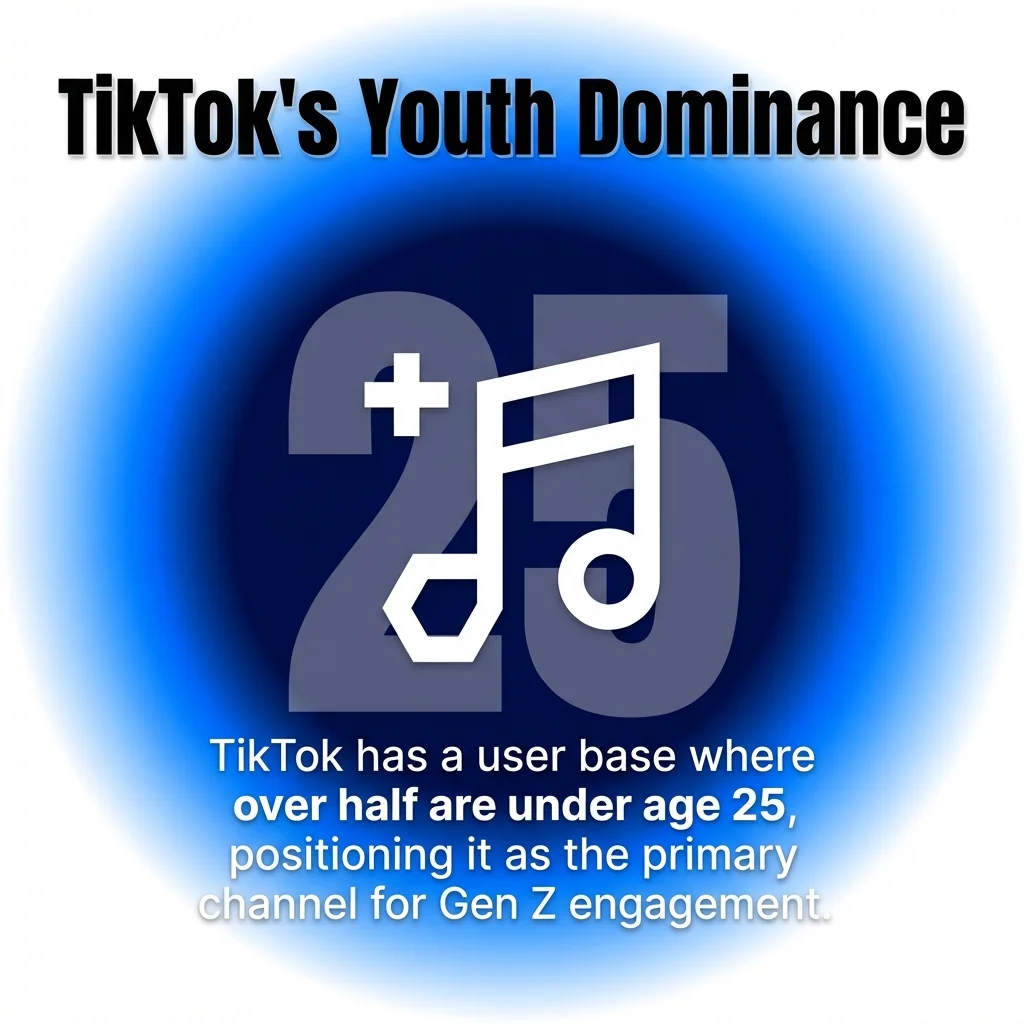
54% of global Instagram users are female, making it particularly effective for brands targeting women. TikTok has a user base where over half are under age 25, positioning it as the primary channel for Gen Z engagement.
Age represents one of the most significant demographic factors in platform choice. Different generations have established distinct social media habits and preferences that remain remarkably consistent.
Understand Behavioural Patterns
Demographics tell you who your audience is. Behaviour reveals how they interact with social media.
Examine what times your audience actively uses social media. Review which content formats they engage with most. Identify whether they prefer consuming content, creating it, or engaging through comments and shares.
Professional audiences typically use LinkedIn during weekday business hours. Younger demographics scroll through TikTok and Instagram primarily during evening hours and weekends.
| Audience Segment | Primary Active Hours | Content Preference |
|---|---|---|
| B2B Professionals | Weekday mornings | Industry insights and thought leadership |
| Young Adults (18-25) | Evening 6pm-11pm | Short-form video and visual content |
| Parents (30-45) | Early morning and late evening | Practical advice and community discussion |
| Senior Consumers (55+) | Midday and afternoon | Informational content and family updates |
Map Audience Interests and Pain Points
Your target audience’s interests and challenges determine what content resonates. This understanding guides both platform selection and content strategy.
Conduct market research to identify the topics your audience cares about. Review the questions they ask, the problems they need solved, and the aspirations they hold. This research reveals which platforms facilitate those conversations.
Professional challenges and industry-specific discussions happen on LinkedIn. Visual inspiration and lifestyle content thrive on Instagram. Quick entertainment and trending topics dominate TikTok and Twitter.
Define Your Business Goals
Clear business objectives provide the framework for platform selection. Different social media channels excel at different outcomes.
Establish Primary Objectives
Determine what you want to achieve through social media. Common business goals include brand awareness, lead generation, customer acquisition, community building, and customer service.
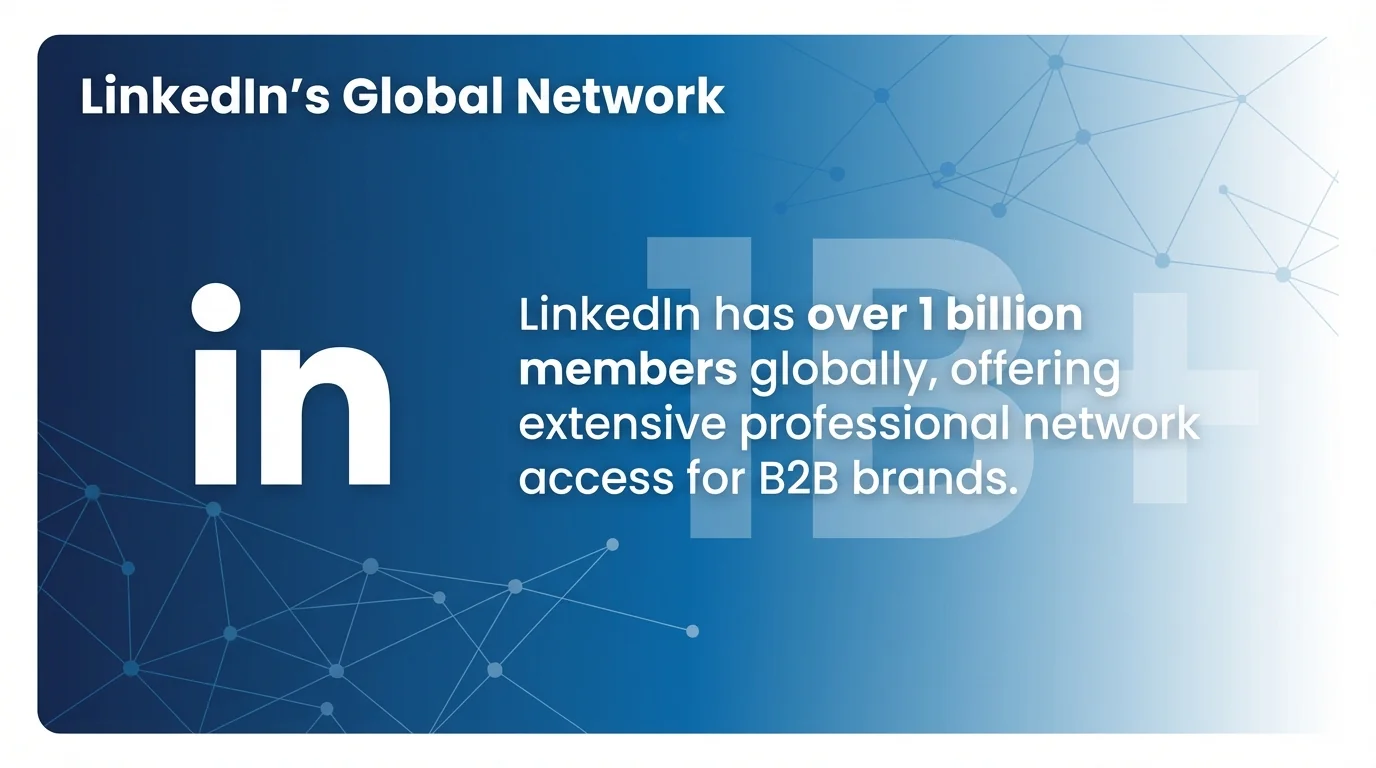
Brand awareness initiatives require platforms with broad reach and high engagement. LinkedIn has over 1 billion members globally, offering extensive professional network access for B2B brands.
Lead generation demands platforms with strong conversion capabilities. Facebook and LinkedIn provide robust advertising tools with precise targeting options. Instagram and TikTok work better for building brand affinity that leads to indirect conversions.
Align Platforms with Business Outcomes
Each social media platform delivers specific business outcomes more effectively than others. Matching your goals to platform strengths increases campaign efficiency.
Consider these platform-goal alignments:
- Brand awareness: Facebook, Instagram, TikTok, YouTube
- Lead generation: LinkedIn, Facebook, Twitter
- Community building: Facebook Groups, Reddit, Discord
- Customer service: Twitter, Facebook, WhatsApp Business (the most-used messaging app)
- Thought leadership: LinkedIn, Twitter, Medium
Set Measurable Success Metrics
Define how you’ll measure progress towards your business goals. Different objectives require different metrics.
Brand awareness campaigns track reach, impressions, and follower growth. Lead generation focuses on click-through rates, landing page conversions, and cost per lead. Engagement initiatives measure comments, shares, and time spent with content.
Establishing these metrics before selecting platforms ensures you choose channels that can deliver and measure your desired outcomes.
Match Content Type to Platform
Content format compatibility significantly impacts social media success. Each platform optimises for specific content types.
Visual Content Platforms
Instagram, Pinterest, and TikTok prioritise visual content. These platforms reward high-quality images, graphics, and short-form video.
Instagram excels with polished lifestyle imagery, behind-the-scenes content, and Stories that create authentic connections. The platform serves brands with strong visual identity and products that photograph well.
TikTok demands creative, entertaining video content. Success requires embracing trends, using platform-specific features, and adopting a more casual, authentic tone than traditional marketing channels.
Pinterest functions as a visual search engine. Users actively seek inspiration and solutions, making it ideal for brands offering lifestyle products, tutorials, and design-focused content.
Written Content Platforms
LinkedIn and Twitter emphasise text-based communication, though both platforms increasingly support multimedia formats.
LinkedIn rewards thoughtful, professional content that provides value to business audiences. Articles, industry insights, and professional achievements perform well. The platform suits thought leadership and B2B content marketing strategies.
Twitter facilitates real-time conversation and news sharing. Concise, timely content with strong hooks generates engagement. The platform works for brands that can participate in current discussions and provide quick, valuable insights.
Video-First Platforms
YouTube and TikTok represent the video-first category, though their content expectations differ significantly.
YouTube hosts long-form video content. Tutorials, product reviews, educational series, and in-depth explainers thrive on the platform. YouTube content requires higher production quality and provides lasting search visibility.
TikTok prioritises short, snackable videos. Content feels raw and authentic rather than highly produced. The platform rewards creativity, entertainment value, and trend participation over polished corporate content.
| Content Type | Best Platforms | Format Requirements |
|---|---|---|
| Professional articles | 1,000-2,000 words, value-focused | |
| Product photography | Instagram, Pinterest | High resolution, lifestyle context |
| Short entertainment | TikTok, Instagram Reels | 15-60 seconds, trend-aligned |
| Educational video | YouTube | 5-20 minutes, searchable topics |
| Quick updates | 280 characters, timely topics |
Major Social Media Platforms Breakdown
Understanding each platform’s unique characteristics helps you make informed selection decisions. This breakdown covers the major social media channels and their distinctive features.
Platform selection requires looking beyond user numbers to examine audience demographics, content expectations, and engagement patterns. The following sections provide detailed profiles of the primary social media platforms.
Facebook: Broad Reach and Community Building
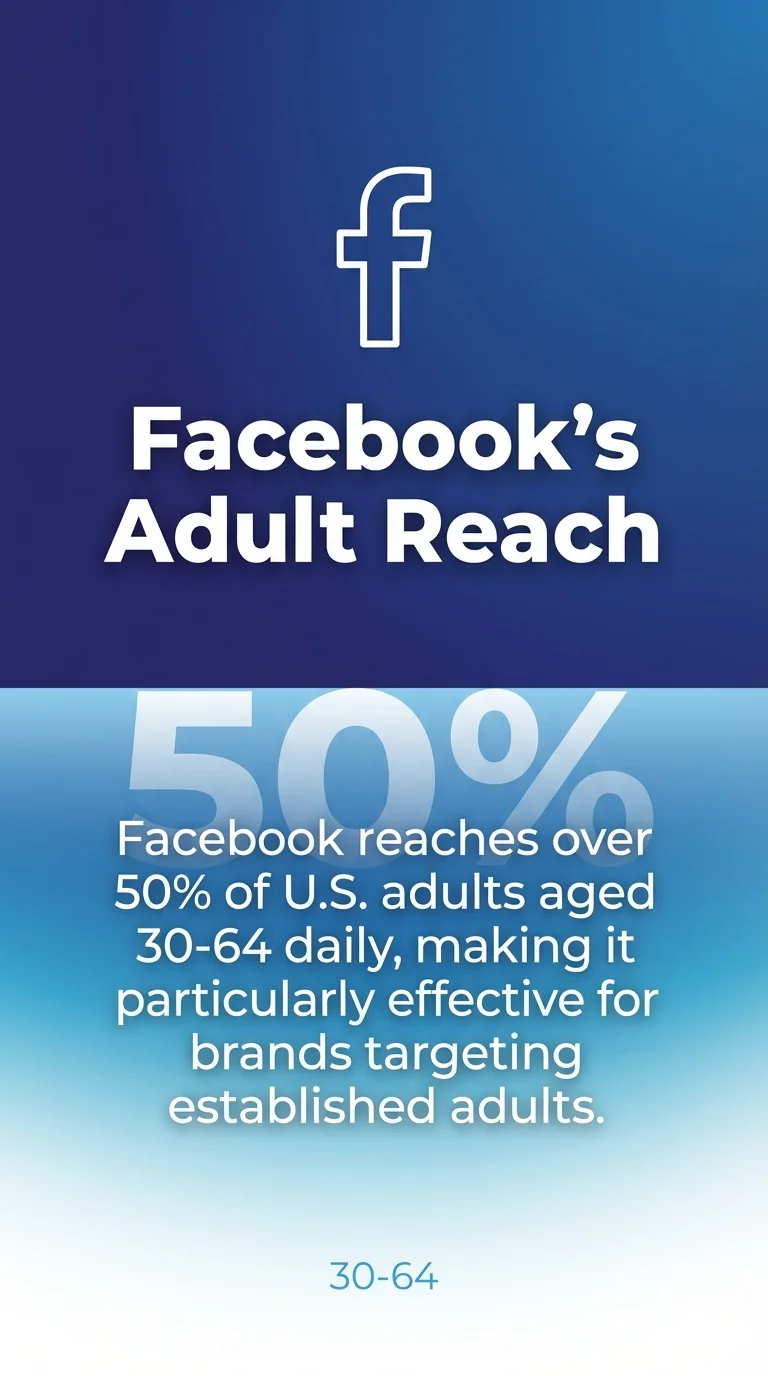
Facebook reaches over 50% of U.S. adults aged 30-64 daily, making it particularly effective for brands targeting established adults. The platform offers the widest demographic reach of any social media channel.
Facebook excels at community building through Groups. Brands can create dedicated spaces for customer interaction, support, and engagement. The platform’s robust advertising system provides precise targeting capabilities and multiple ad formats.
Content that performs well on Facebook includes informative articles, community discussions, event promotions, and video content. The platform rewards content that sparks conversation and keeps users engaged within the Facebook environment.
Consider Facebook when your target audience includes adults over 30, when you need powerful advertising tools, or when building a customer community represents a core objective.
Instagram: Visual Storytelling for Younger Demographics
Instagram dominates visual social media with a user base skewed towards Millennials and Gen Z. The platform prioritises aesthetics, lifestyle content, and authentic brand storytelling.
Instagram offers multiple content formats: feed posts, Stories, Reels, and IGTV. This versatility allows brands to experiment with different content types whilst maintaining a cohesive visual identity.
The platform particularly suits lifestyle brands, fashion, food, travel, fitness, and any business with strong visual elements. Product-based businesses often see strong performance through shoppable posts and influencer partnerships.
Instagram demands consistent posting and active engagement. Brands succeeding on the platform invest in high-quality visual content and maintain authentic interaction with their audience through comments and direct messaging.
LinkedIn: Professional Networking and B2B Marketing
LinkedIn serves as the primary platform for professional networking and B2B marketing. The audience consists of professionals seeking industry insights, career development, and business connections.
Content strategy on LinkedIn should focus on thought leadership, industry analysis, professional achievements, and valuable business insights. The platform rewards expertise and professionalism over entertainment.
LinkedIn particularly benefits B2B companies, professional services, recruitment firms, and brands targeting decision-makers. Lead generation campaigns perform well due to detailed professional targeting options.
Success on LinkedIn requires consistency in publishing valuable content, engaging with industry discussions, and building genuine professional relationships rather than aggressive selling.
TikTok: Entertainment for Gen Z
TikTok represents the fastest-growing social media platform globally, with a predominantly young user base. The platform prioritises entertainment, creativity, and trend participation.
Content on TikTok should feel authentic and spontaneous rather than heavily produced. Brands succeeding on the platform embrace the app’s casual culture, participate in challenges, and create genuinely entertaining content.
TikTok works best for brands targeting Gen Z, those selling products with strong visual appeal, and companies comfortable with experimental, trend-driven content strategies.
The platform requires significant time investment to understand trends, create platform-specific content, and maintain consistent posting. Brands unwilling to embrace TikTok’s unique culture often struggle to gain traction.
YouTube: Long-Form Video and Search Visibility
YouTube functions as both a social media platform and the world’s second-largest search engine. The platform excels at hosting educational content, entertainment, product reviews, and tutorials.
YouTube content provides lasting value through search visibility. Well-optimised videos continue generating views and engagement months or years after publication, unlike most social media content’s short lifespan.
The platform suits brands with expertise to share, complex products requiring explanation, or stories worth telling in long-form format. Educational institutions, software companies, and consumer brands all find success on YouTube.
YouTube requires higher production quality than platforms like TikTok, though authenticity still matters more than Hollywood-level production. Consistent publishing schedules and audience engagement prove essential for channel growth.
Twitter: Real-Time Conversation and News
Twitter facilitates real-time discussion, news sharing, and direct brand-customer interaction. The platform rewards timely, concise communication and active participation in trending conversations.
Brands on Twitter should prioritise customer service, industry commentary, and authentic engagement over promotional content. The platform’s conversational nature demands genuine interaction rather than broadcast-style marketing.
Twitter works particularly well for news organisations, technology companies, entertainment brands, and businesses in fast-moving industries. The platform provides valuable customer feedback and brand monitoring capabilities.
Success on Twitter requires daily activity, rapid response to mentions, and willingness to engage in industry conversations. Brands treating Twitter as a one-way broadcast channel typically see minimal results.
Build Your Strategic Platform Selection Framework
Now that you understand audience analysis, business goals, and platform characteristics, you can build a strategic selection framework. This systematic approach ensures your choices align with business objectives.
Apply the Audience-Platform Match
Cross-reference your target audience demographics with platform user bases. Identify where the strongest overlap exists.
Create a simple scoring system. Rate each platform on a scale of 1-10 for audience match quality. Platforms scoring 7 or above deserve serious consideration. Those scoring below 5 likely won’t deliver sufficient return on investment.
Consider not just demographics but behavioural fit. Does your audience use the platform for purposes that align with your marketing goals? Professional research on LinkedIn differs from entertainment scrolling on TikTok.
Evaluate Resource Requirements
Different platforms demand different resource investments. Assess your team’s capacity honestly before committing to multiple channels.
Video-first platforms require filming, editing, and production capabilities. Visual platforms need photography skills or stock image budgets. Text-based platforms demand strong writing and community management.
Calculate realistic posting frequency for each platform. LinkedIn might require 3-5 posts weekly. TikTok could demand daily content. Twitter needs multiple posts per day. Ensure your team can maintain consistent presence without burning out.
Prioritise Quality Over Quantity
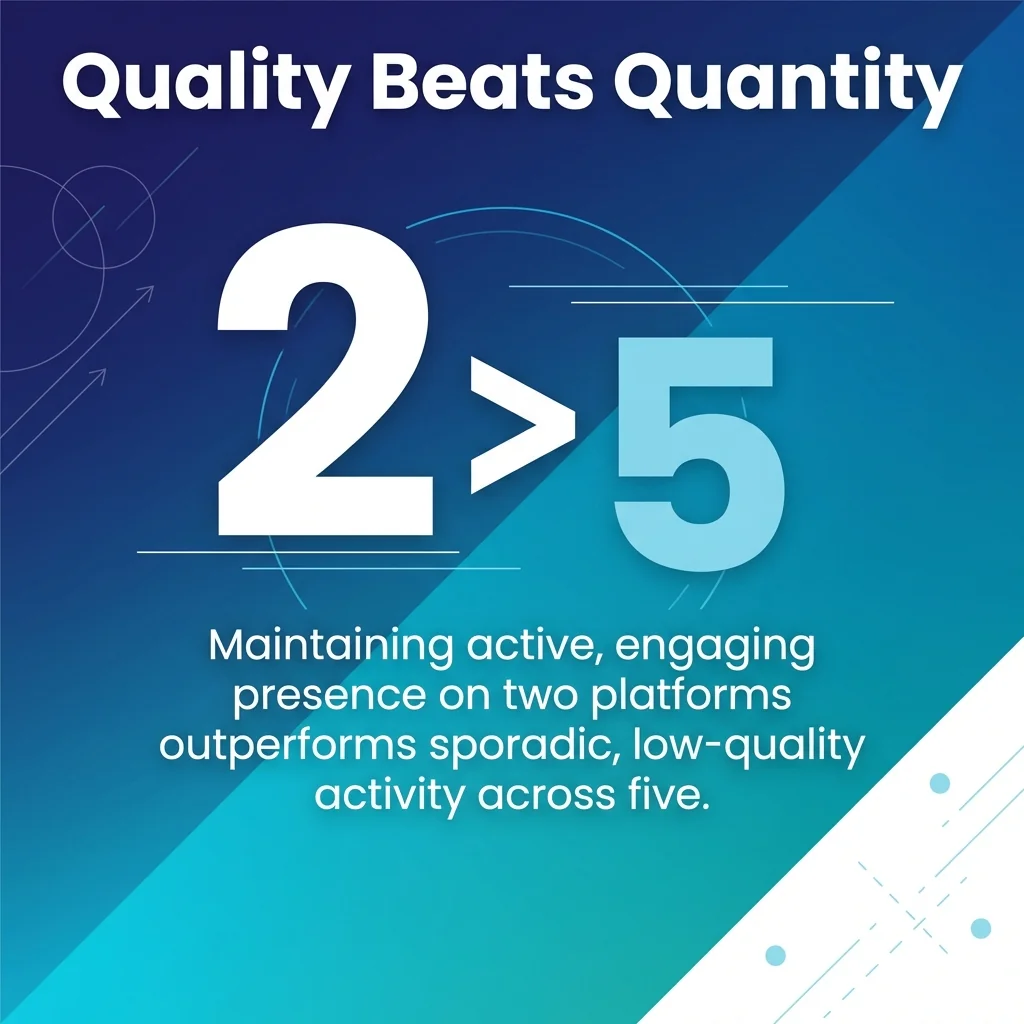
The most common social media mistake involves spreading resources too thin. Maintaining active, engaging presence on two platforms outperforms sporadic, low-quality activity across five.
Start with one or two platforms where audience overlap and resource capacity align strongly. Build consistent presence and meaningful engagement. Expand only after establishing solid performance on your initial channels.
This focused approach allows deeper platform expertise, stronger audience relationships, and better content optimisation. Your results will reflect this concentration of effort.
Implement and Optimise Your Network Mix
Selection represents just the beginning. Implementation determines whether your chosen platforms deliver results.
Develop Platform-Specific Content Strategies
Avoid cross-posting identical content across multiple platforms. Each channel has unique expectations and optimal formats.
Create content calendars tailored to each platform’s rhythm. LinkedIn content might focus on weekday morning thought leadership. Instagram could emphasise evening lifestyle content. TikTok demands participation in current trends.
Adapt your brand voice to each platform whilst maintaining core identity. Professional tone suits LinkedIn. Casual, authentic communication works on TikTok. Find the right balance for each audience.
Establish Consistent Posting Schedules
Consistency matters more than perfection in social media marketing. Regular posting maintains audience connection and algorithmic favour.
Set realistic posting frequencies based on your resources. Better to post three high-quality pieces weekly than seven mediocre updates. Consistency builds trust and trains your audience to expect your content.
Use scheduling tools to maintain consistent presence without requiring constant manual posting. This approach frees time for genuine engagement and community interaction.
Monitor Performance and Adjust Strategy
Track performance metrics aligned with your business goals. Review data monthly to identify what’s working and what needs adjustment.
Look beyond vanity metrics like follower counts. Focus on engagement rates, click-throughs, conversions, and other indicators of genuine audience interest and business impact.
Be willing to adjust your platform mix based on results. If a channel consistently underperforms despite quality content and effort, consider reallocating resources to better-performing platforms.
Moving Forward with Your Platform Strategy
Selecting the right social media channels transforms scattered efforts into focused strategy. Your network mix should reflect where your audience engages, what content you can create consistently, and which platforms support your business goals.
Start with thorough audience research. Define clear business objectives. Match your content capabilities to platform requirements. Then commit to doing fewer platforms well rather than many platforms poorly.
Success in social media marketing comes from strategic focus, not universal presence. Choose your platforms deliberately, invest in understanding each channel deeply, and build genuine connections with your audience.
For additional guidance on maximising your social media efforts, explore our step-by-step social media strategy guide. When you’re ready to define specific objectives, our article on setting effective social media goals provides practical frameworks. To understand how your efforts translate into business results, review our guide on measuring social media ROI.
Your network mix isn’t permanent. As your business grows, your audience shifts, and platforms change, revisit these decisions regularly. Strategic platform selection remains an ongoing process, not a one-time choice.