Your content planning timeframe shapes everything from budget allocation to campaign cohesion. Monthly content plans offer tactical flexibility and frequent performance tracking, whilst quarterly content plans enable sustained campaigns and strategic big-picture thinking. The difference isn’t just about calendar preferences. It’s about matching your planning horizon to your business needs, team capacity, and content strategy goals.
Both approaches work. The key is understanding which fits your organisation’s rhythm.
Monthly planning suits dynamic environments where market trends shift quickly and you need regular optimisation checkpoints. Quarterly planning works better when you’re building cohesive campaigns that require sustained narrative development across multiple channels.
Your choice affects budget management, team collaboration patterns, and how you measure success. It influences content quality, posting consistency, and your ability to pivot when needed. Understanding these impacts helps you select the right planning frequency for your situation.
This comparison examines both approaches across key dimensions that matter most to content marketers and strategists.
Understanding Monthly and Quarterly Content Planning Fundamentals
Content planning frequency determines how you organise your content strategy execution. It’s the framework that structures your content calendar, resource allocation, and performance measurement cycles.
A content plan defines the tactical elements like topics, formats, deadlines, and publishing frequency, such as monthly webinars, weekly blog posts, or daily social media, aligned with available resources and overall marketing goals. Your planning timeframe dictates how far ahead you map these elements and how often you review and adjust them.
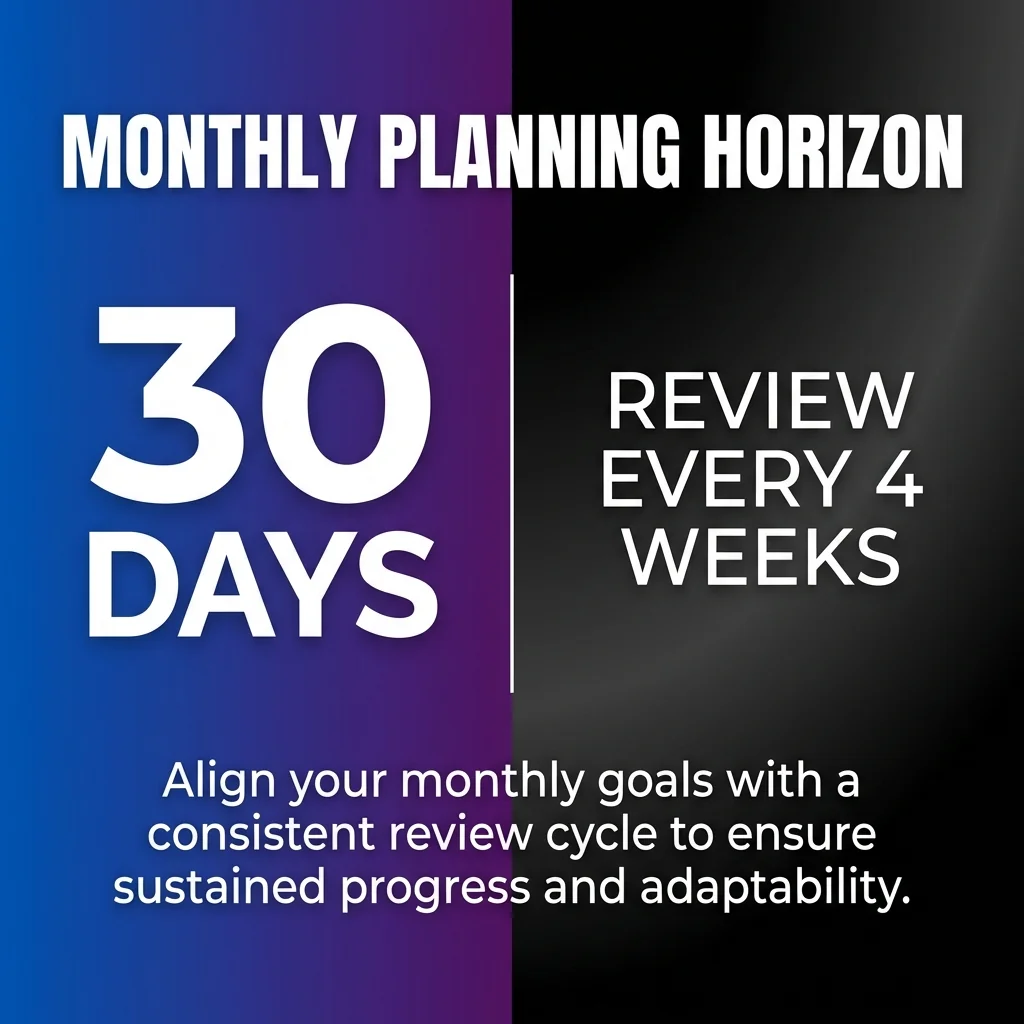
Monthly content plans typically cover 30 days of content creation and publishing. You plan, execute, and measure within this shorter cycle. This approach creates frequent decision points where you can assess what’s working and make changes.
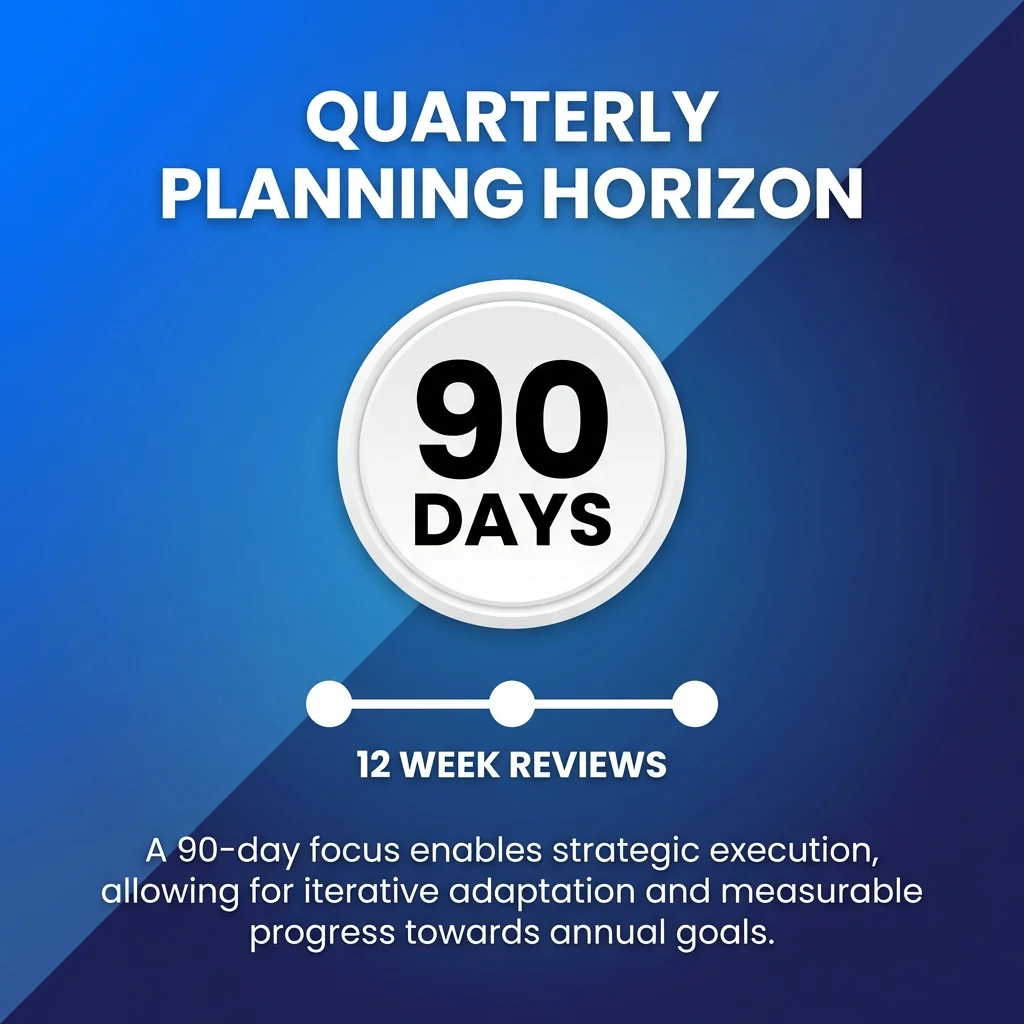
Quarterly content plans span three months. They provide a longer planning horizon that supports more elaborate campaigns and sustained storytelling. This extended timeframe allows teams to develop cohesive content themes that unfold over weeks.
The Core Differences in Planning Approach
Monthly planning emphasises agility. You’re constantly reviewing performance data and adjusting your content strategy based on recent results. Your content calendar stays flexible enough to accommodate trending topics or unexpected opportunities.
Quarterly planning prioritises strategic alignment. You build longer narrative arcs that support major business initiatives or seasonal campaigns. Your content calendar reflects a more structured approach where individual pieces contribute to larger strategic objectives.
Both approaches require a content calendar for execution. The difference lies in how much you plan upfront and how frequently you reassess your direction.
How Planning Frequency Affects Your Content Strategy
Your planning timeframe influences decision-making authority and resource commitment. Monthly plans allow smaller, incremental investments in content creation. Quarterly plans require upfront commitment to themes and campaigns before you see performance data.
Team workflows adapt differently to each approach. Monthly planning creates a continuous cycle of planning, execution, and review. Quarterly planning separates these phases more distinctly, with concentrated planning periods followed by extended execution phases.
Your content creation process changes too. Monthly plans might prioritise reactive content that responds to current events. Quarterly plans enable more strategic content that anticipates future needs and builds toward specific outcomes.
| Planning Element | Monthly Approach | Quarterly Approach |
|---|---|---|
| Planning Horizon | 30 days ahead | 90 days ahead |
| Review Frequency | Every 4 weeks | Every 12 weeks |
| Campaign Duration | Shorter, focused initiatives | Sustained, multi-phase campaigns |
| Flexibility Level | High adaptability | Structured consistency |
Planning Horizons: Short-Term Agility Versus Long-Term Strategic Vision
The length of your planning horizon fundamentally shapes how you approach content strategy. It determines whether you optimise for immediate responsiveness or sustained strategic development.
Short-term monthly planning keeps you close to current performance data. You’re never more than a few weeks away from reassessing your direction based on fresh analytics and market feedback.
Long-term quarterly planning gives campaigns room to breathe. Some content strategies need time to show results. A thought leadership campaign or educational content series might not demonstrate impact in the first month.
How Monthly Planning Supports Tactical Flexibility
Monthly content plans excel when market conditions change rapidly. If you’re in an industry where trends emerge and fade within weeks, monthly planning lets you capitalise on timely opportunities without being locked into outdated plans.
Monthly content planning allows for tracking campaign performance and content strategy on a more frequent basis, making it suitable for marketing managers focused on performance analysis, optimisation, and progress towards goals. This frequent review cycle helps you identify underperforming content types quickly and redirect resources.
Social media content particularly benefits from monthly planning. Platform algorithms change, trending topics emerge, and audience preferences shift. Monthly cycles let you adjust your social media strategy based on what’s actually performing rather than what you predicted months ago would work.
The shorter timeframe reduces risk. If a content theme isn’t resonating, you’ve only committed a month to it. Your next planning cycle offers a natural opportunity to try something different.
Why Quarterly Planning Enables Cohesive Campaigns
Quarterly content plans support complex storytelling that unfolds across multiple touchpoints. When you’re building brand awareness or shifting market perception, your message needs consistent reinforcement over months, not weeks.
Product launches, seasonal promotions, and thought leadership initiatives often require this extended timeframe. Your content calendar can coordinate blog posts, social media content, email campaigns, and other formats into a unified narrative.
Creating a social media content calendar becomes more strategic when you’re planning quarterly. You can map out how different content types build on each other, creating momentum rather than disconnected one-off posts.
Team collaboration improves with quarterly planning too. Everyone understands the overarching campaign goals and how their individual contributions support larger objectives. This shared vision reduces confusion about priorities and helps team members work more autonomously.
| Business Scenario | Better Planning Approach | Reason |
|---|---|---|
| Fast-moving industry trends | Monthly | Agility to respond quickly |
| Major product launch | Quarterly | Sustained campaign coordination |
| Testing new content formats | Monthly | Quick iteration based on results |
| Thought leadership development | Quarterly | Time for strategic narrative to unfold |
| Seasonal business cycles | Quarterly | Aligns with natural business rhythm |
Budget and Financial Planning Considerations
Your content planning timeframe directly affects how you allocate budget and manage financial resources. The difference between monthly and quarterly planning creates distinct advantages and constraints for financial planning.
Budget flexibility varies significantly between approaches. Monthly plans let you adjust spending based on recent performance. Quarterly plans require more upfront financial commitment before you see results.
Monthly Budget Allocation and Resource Management
Monthly content plans create natural checkpoints for budget review. You can increase investment in content types that perform well and reduce spending on underperforming approaches. This flexibility helps optimise your content marketing budget over time.
Freelancer and agency relationships often work well with monthly planning. You can scale content creation up or down based on current needs without long-term commitments. This approach suits organisations with variable cash flow or uncertain content needs.
The downside is potential inefficiency. Constantly renegotiating contracts or onboarding new freelancers creates administrative overhead. You might also miss volume discounts that come with larger, longer-term commitments.
Monthly planning can lead to incremental thinking about budget. You might underspend on strategic content investments that need sustained funding to show results. The pressure to demonstrate monthly ROI can discourage longer-term content strategy bets.
Quarterly Financial Planning and Investment Strategy
Quarterly content plans enable more strategic budget allocation. You can commit resources to substantial content projects that require sustained investment. This might include comprehensive guides, video series, or content campaigns that need consistent production values.
Agency and contractor relationships benefit from quarterly commitments. Providers often offer better rates for guaranteed quarterly work. Your content quality improves when creators have longer to develop deep understanding of your brand voice and audience.
Cost efficiency often improves with quarterly planning. Bulk content creation, consistent designer availability, and predictable production schedules reduce per-piece costs. Your team spends less time on administrative tasks and more on strategic content creation.
The challenge is reduced flexibility. If market conditions change or a campaign underperforms, you’ve already committed the quarterly budget. Course corrections are possible but more costly than with monthly planning.
Building a content plan that works requires matching your budget approach to your organisation’s financial planning cycles and risk tolerance.
Balancing Budget Efficiency with Strategic Flexibility
Some organisations blend both approaches. They maintain quarterly strategic budgets for core content whilst reserving monthly discretionary funds for responsive content creation. This hybrid model provides both stability and agility.
Consider your organisation’s financial planning culture. If leadership expects monthly budget reviews, quarterly content planning creates friction. If your company plans in annual cycles with quarterly check-ins, monthly content planning might feel too granular.
Team size influences budget planning too. Smaller teams often prefer monthly planning because it’s easier to manage. Larger content teams with specialised roles benefit from quarterly planning that lets different functions coordinate their work more effectively.
Performance Tracking and Data Analysis Timeframes
How you measure content performance changes dramatically based on your planning frequency. The data you collect, how you analyse it, and what conclusions you draw all depend on your measurement timeframe.
Monthly and quarterly planning approaches create different opportunities for learning from your content strategy performance. Each timeframe reveals different patterns in your data.
Monthly Performance Analysis and Optimisation Cycles
Monthly planning creates frequent touchpoints with your performance data. You’re constantly monitoring analytics, reviewing what’s working, and adjusting your content strategy based on recent results.
This approach excels at identifying tactical improvements. You can test different social media posting times, headline formulas, or content formats and see results quickly. Monthly cycles let you iterate rapidly on execution details.
The challenge is avoiding short-term thinking. Content marketing often needs time to build momentum. A blog post published today might generate most of its traffic six months from now through organic search. Monthly reviews might cause you to abandon content approaches before they mature.
You might also over-react to statistical noise. Performance naturally varies month to month due to factors unrelated to content quality. Seasonal patterns, holiday periods, or industry events create fluctuations that monthly views might misinterpret as trends.
Monthly performance tracking works best when you’re measuring leading indicators rather than final outcomes. Engagement metrics, content production velocity, and publishing consistency make sense to track monthly. Final business impact metrics often need longer timeframes.
Quarterly Data Analysis for Strategic Insights
Quarterly content planning enables assessment of overall performance using larger data sets to reveal long-term trends, big-picture strategy, ROI, and progress towards yearly goals, ideal for directors, VPs, executives, client reviews, and strategic planning. This extended view helps separate signal from noise in your analytics.
Quarterly reviews let you evaluate campaign effectiveness holistically. You can see how different content pieces worked together to support strategic goals rather than judging each piece in isolation. This broader perspective reveals patterns that monthly snapshots miss.
Quarterly reporting provides time to dig deeper into data for big-picture conversations, supporting strategy shifts and ROI analysis. You can conduct more sophisticated analyses that connect content performance to business outcomes over meaningful timeframes.
The limitation is slower learning cycles. If something isn’t working, you might not discover it until you’ve invested three months into the wrong approach. Course corrections take longer, and you have fewer opportunities per year to test new strategies.
Choosing Your Performance Measurement Approach
Your measurement strategy should match your content goals and organisational needs. If you’re focused on building long-term organic search traffic, quarterly measurement makes more sense. If you’re running paid social media campaigns, monthly tracking provides faster feedback.
Consider implementing layered measurement. Track operational metrics monthly whilst reviewing strategic performance quarterly. This gives you both the tactical feedback needed for continuous improvement and the strategic perspective required for big decisions.
Social media content planning tips often emphasise the importance of matching your measurement frequency to your content distribution channels and campaign objectives.
| Metric Type | Monthly Tracking | Quarterly Tracking |
|---|---|---|
| Publishing consistency | Highly valuable | Sufficient for trends |
| Engagement rates | Identifies quick wins | Shows sustained patterns |
| Traffic growth | Can be misleading | More reliable indicator |
| Lead generation | Useful for channels | Better for attribution |
| Brand awareness | Too short for impact | Minimum timeframe |
Content Quality, Consistency, and Campaign Cohesion
Your planning frequency influences the quality of individual content pieces and the coherence of your overall content strategy. Monthly and quarterly approaches create different pressures and opportunities for content creation.
The relationship between planning timeframe and content quality isn’t straightforward. Both approaches can produce excellent content. The key is understanding how each influences your content creation process.
How Monthly Planning Affects Content Creation
Monthly content plans can create production pressure. When you’re constantly planning and publishing within compressed timeframes, content creation can become reactive rather than strategic. Your team might prioritise speed over depth.
This doesn’t mean monthly planning inevitably produces lower quality content. It means you need deliberate processes to maintain standards. Time-efficient content creation becomes essential for balancing speed with quality.
Monthly planning does excel at maintaining publishing consistency. The frequent planning cycles create regular accountability for content production. Your content calendar stays full because you’re constantly feeding it with new plans.
The challenge is building cohesive campaigns. When you plan month by month, it’s harder to create content that builds systematically towards larger goals. Individual pieces might be strong but lack strategic connection to each other.
Quarterly Planning’s Impact on Content Cohesion
Quarterly content plans support more thoughtful content creation. Your team has time to research thoroughly, develop comprehensive outlines, and produce polished final pieces. The extended timeline reduces the pressure that leads to rushed, superficial content.
Campaign cohesion improves dramatically with quarterly planning. You can map out how different content pieces reinforce each other, creating a sustained narrative that builds audience understanding over time. Your content strategy becomes genuinely strategic rather than tactical.
Content calendar management becomes more intentional. Instead of constantly figuring out what to publish next, your team executes against a clear plan. This reduces decision fatigue and lets creators focus on quality.
The risk is reduced adaptability. If audience interests shift mid-quarter or new opportunities emerge, your content calendar might feel too rigid. You need processes for incorporating timely content without derailing your strategic plan.
Balancing Consistency with Quality and Flexibility
Both planning approaches can deliver consistent, high-quality content if you build the right processes. Monthly planning requires strong content creation systems and quality standards that prevent rushed work. Quarterly planning needs flexibility mechanisms that let you respond to unexpected opportunities.
Consider your content types when choosing planning frequency. Evergreen educational content benefits from the thorough development that quarterly planning enables. Timely commentary and trend-responsive content needs the agility of monthly planning.
Team capacity matters too. Smaller teams often struggle with quarterly planning because unexpected departures or workload spikes disrupt extended plans. Monthly planning provides more natural adjustment points for capacity changes.
Team Collaboration and Resource Management
Your planning timeframe shapes how teams work together and how you allocate resources across content creation activities. The difference between monthly and quarterly planning creates distinct collaboration patterns and resource management challenges.
Team workflows, communication patterns, and project management approaches all adapt to your chosen planning frequency. Understanding these impacts helps you structure your content operations effectively.
Monthly Planning’s Effect on Team Dynamics
Monthly content plans create continuous planning cycles. Your team is always in some combination of planning next month, executing this month, and reviewing last month. This creates a steady rhythm but can feel relentless.
Communication needs are constant. Teams must stay closely coordinated because the short planning horizon leaves little buffer for misunderstandings or delays. Regular check-ins and clear processes become essential.
Resource allocation happens incrementally. You can adjust team assignments monthly based on workload and priorities. This flexibility helps balance capacity but requires active management to prevent constant disruptions.
Monthly planning suits smaller, agile teams. Everyone stays involved in strategic decisions because planning happens frequently. This can be energising but also distracting if people struggle to shift between planning and execution modes.
How Quarterly Planning Shapes Team Workflows
Quarterly content plans create distinct phases for planning, execution, and review. Teams can focus deeply on each phase without constant context switching. This separation often improves both strategic thinking and execution quality.
Larger teams benefit from quarterly planning because it provides coordination time upfront. Content creators, designers, and social media managers can synchronise their work during planning, then execute more independently during the quarter.
Social media content calendar templates become more valuable with quarterly planning. The extended timeline justifies the upfront effort of detailed calendar creation.
Resource allocation becomes more strategic. You can plan team capacity for the entire quarter, making informed decisions about hiring, freelancer engagement, or workload distribution. This reduces reactive scrambling but requires accurate capacity forecasting.
The challenge is maintaining engagement through long execution phases. After the initial planning energy, teams might lose strategic focus during weeks of implementation. Regular touchpoints help maintain alignment without reverting to monthly replanning.
Hybrid Approaches to Team Coordination
Many organisations blend elements of both approaches. They maintain quarterly strategic plans whilst conducting monthly tactical reviews and adjustments. This provides strategic stability whilst preserving some agility.
Content managers often develop their own rhythms that combine quarterly campaign planning with monthly content calendar updates. This lets them balance big-picture strategy with responsive execution.
Team size and structure influence the optimal approach. Distributed teams often prefer quarterly planning because it reduces coordination overhead. Co-located teams can manage monthly planning more easily through frequent informal communication.
| Team Characteristic | Better Fit | Reason |
|---|---|---|
| Small team (1-3 people) | Monthly | Agility more valuable than structure |
| Large team (8+ people) | Quarterly | Coordination benefits from planning |
| Remote/distributed | Quarterly | Reduces coordination complexity |
| Co-located team | Either | Can coordinate through any frequency |
| Multiple stakeholders | Quarterly | Approval cycles favour longer plans |
Flexibility and Knowing When to Pivot Your Content Plan
Even the best content plans need adjustment when circumstances change. Your planning frequency affects how easily you can pivot and what signals indicate it’s time to change direction.
Understanding when to stick with your plan versus when to pivot is crucial. Both monthly and quarterly approaches require different decision frameworks for making these calls.
Building Flexibility into Monthly Content Plans
Monthly planning offers natural pivot points every four weeks. This frequent reassessment makes it easier to respond to market changes, performance data, or organisational shifts. You’re never locked into a direction for long.
The challenge is avoiding constant direction changes. Monthly reviews might tempt you to overreact to short-term performance variations. You need clear criteria for distinguishing meaningful signals from temporary fluctuations.
Build flexibility directly into monthly content calendars. Reserve 20-30% of your capacity for responsive content that addresses emerging opportunities or unexpected needs. This buffer lets you stay agile without completely disrupting your plan.
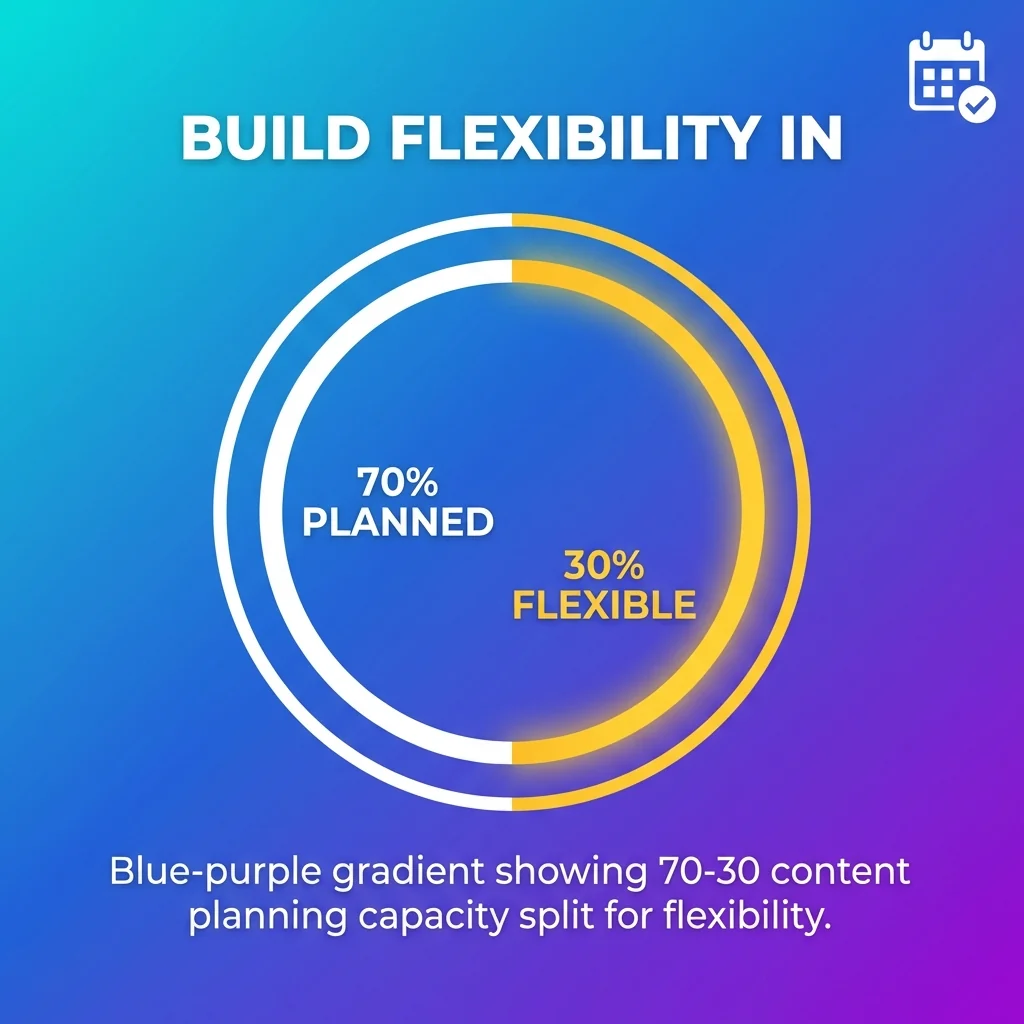
Social media content particularly benefits from this flexibility. Trending topics, platform algorithm changes, and audience behaviour shifts happen rapidly. Monthly planning with built-in flexibility lets you capitalise on these movements whilst maintaining strategic direction.
Managing Strategic Pivots with Quarterly Plans
Quarterly content plans require more intentional pivot mechanisms. You can’t wait three months to respond to significant market changes or performance problems. Build mid-quarter review points into your planning process.
Set clear pivot criteria during planning. Define what performance levels or market conditions would trigger strategic reassessment. This prevents both premature abandonment of good plans and stubborn adherence to failing approaches.
When pivots are necessary mid-quarter, focus on adjusting future content whilst letting in-flight pieces complete. Abrupt changes waste work already done and confuse audiences who’ve begun following your campaign narrative.
Content promotion planning becomes more complex with quarterly plans because promotion schedules extend further into the future. Pivot plans must address how distribution strategies change alongside content plans.
Recognising When Your Content Strategy Needs Adjustment
Certain signals indicate it’s time to pivot regardless of your planning frequency. Significant performance drops, major organisational changes, or dramatic market shifts justify strategic reassessment.
For monthly plans, consider pivoting when performance consistently underperforms for two cycles. One bad month might be statistical noise. Two consecutive underperforming months suggests a real problem worth addressing.
For quarterly plans, conduct formal mid-quarter reviews. If you’re significantly off-track from goals at the halfway point, you have time to adjust before quarter-end. Wait for natural quarterly reviews when performance is closer to expectations.
External factors matter too. Major platform changes, competitor moves, or industry events might require immediate response regardless of your planning cycle. Maintain enough flexibility to address these situations without waiting for scheduled review points.
Understanding content strategy helps you distinguish between tactical adjustments and strategic pivots. Not every performance issue requires strategic change. Sometimes execution improvements within your current plan are sufficient.
Choosing the Right Content Planning Approach for Your Business
Selecting between monthly and quarterly content planning depends on your specific situation. Neither approach is universally better. The right choice aligns with your business model, team capacity, and strategic objectives.
Several factors should guide your decision. Consider them collectively rather than in isolation to make the best choice for your organisation.
When Monthly Content Planning Makes Most Sense
Monthly planning suits organisations operating in fast-changing environments. If your industry experiences rapid trend shifts or your competitive situation demands quick responses, monthly planning provides necessary agility.
Smaller marketing teams often prefer monthly planning. The shorter commitment reduces risk and provides natural points to adjust workload based on capacity changes. It’s easier to absorb unexpected disruptions within monthly cycles.
Businesses testing new content approaches benefit from monthly planning. The frequent review cycles let you gather feedback quickly and iterate on your content strategy without committing to potentially ineffective approaches for extended periods.
Monthly planning also works well when content distribution focuses heavily on social media. The platforms’ rapid evolution and algorithm changes favour shorter planning cycles that can adapt quickly.
When Quarterly Content Planning Delivers Better Results
Quarterly planning excels for organisations building sustained campaigns. If your content strategy requires coordinated storytelling across multiple channels and formats, quarterly planning provides the coordination timeframe these campaigns need.
Larger content teams with specialised roles benefit from quarterly planning. The extended timeline lets different functions plan their interdependencies upfront, reducing coordination overhead during execution.
Organisations with seasonal business patterns often align content planning with quarterly cycles. This matches content strategy to natural business rhythms, making it easier to coordinate marketing with sales and operations.
B2B companies with longer sales cycles particularly benefit from quarterly planning. Their content needs to nurture prospects over months, requiring the sustained narrative development that quarterly planning enables.
Implementing Your Chosen Planning Approach
Once you’ve selected your planning frequency, implement it deliberately. Start with a planning template that structures your thinking whilst remaining flexible enough to adapt to your specific needs.
For monthly planning, create a lightweight planning process that doesn’t consume excessive time. Your planning session should take a few hours, not days. Focus on key decisions about themes, formats, and distribution rather than detailed content specifications.
For quarterly planning, invest more time in upfront planning. Schedule full or multi-day planning sessions that let teams thoroughly explore strategic options and build detailed content calendars. This front-loaded effort pays dividends through smoother execution.
Consider starting with your chosen approach for one quarter or a few months. Evaluate honestly whether it’s working for your team and objectives. Be willing to adjust if you discover the timeframe doesn’t fit your actual needs.
Many successful content teams evolve hybrid approaches over time. They maintain quarterly strategic frameworks whilst building monthly tactical flexibility. This blended model provides both strategic coherence and adaptive capacity.
Your content planning approach should serve your content strategy, not constrain it. Choose the frequency that helps your team create better content, measure what matters, and achieve your marketing objectives. The calendar is a tool, not the goal.