
Data-driven content curation transforms how marketing teams select and share content by using analytics, audience behaviour insights, and performance metrics to inform every decision. Rather than relying on intuition alone, this approach analyses what your audience actually engages with, which topics drive results, and which sources provide the most value.
The difference shows up immediately in engagement rates. Curated content backed by data reaches the right people at optimal times with messages that resonate because the selection process itself stems from verified audience preferences and documented performance patterns.
Modern content curation demands more than finding interesting articles. Marketing professionals need systems that process audience data, identify content trends, measure engagement patterns, and continuously refine selection criteria based on real results. This shift from manual selection to data-informed curation separates teams that maintain consistent engagement from those struggling with declining reach.
Throughout this guide, you’ll discover how data transforms content curation from guesswork into a systematic process. We’ll examine the specific data types that power curation decisions, the workflow that turns raw information into curated value, and the technologies that make personalisation possible at scale.
What Data-Driven Content Curation Actually Means
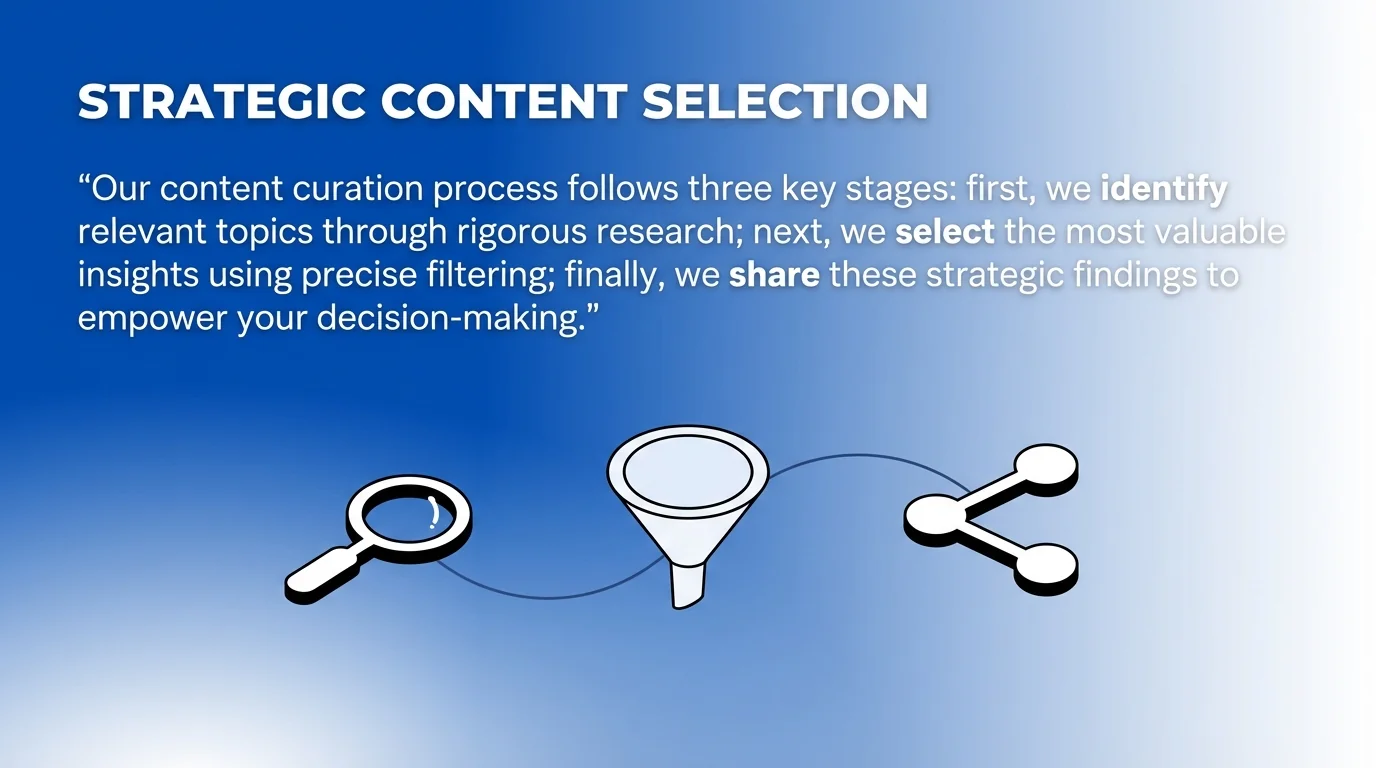
The foundation begins with understanding what makes content curation “data-driven” versus traditional approaches. Content curation involves identifying, selecting, and sharing high-quality content tailored to a specific audience. When you add data to this process, every stage gains measurable criteria and trackable outcomes.
Traditional curation relies heavily on editorial judgment. A marketer reads industry publications, selects articles that seem relevant, and shares them hoping the audience finds value. Data-driven curation maintains the human element but supplements it with quantifiable insights.
The data layer tracks which topics generate clicks, what content formats hold attention, which sources prove most credible to your audience, and when sharing produces optimal engagement. These insights then guide future curation decisions.
Consider audience behaviour data. Analytics reveal that your followers engage three times more with video content between 2-4 PM on Tuesdays. A data-driven approach curates more video content and schedules it accordingly. Without data, you might share videos randomly, missing the engagement window entirely.

Content performance metrics provide another crucial dimension. Historical data shows which article types drove website visits, email sign-ups, or sales conversations. This information shapes content selection priorities, emphasising formats and topics with proven conversion potential.
Source reliability becomes quantifiable too. Data tracking reveals which publishers consistently produce content your audience values versus sources that generate minimal engagement. Over time, your curation strategy naturally weights towards proven content sources.
The Core Components of Data-Driven Curation
Three elements work together to create truly data-driven content curation. First, collection mechanisms gather audience behaviour data, content performance metrics, and engagement patterns. Second, analysis systems process this information to identify trends, preferences, and opportunities. Third, application frameworks use insights to inform content selection, scheduling, and distribution decisions.
Each component depends on the others. Collecting data without analysis produces information overload. Analysis without application wastes insights. Application without collection creates untestable assumptions.
How This Differs From Content Aggregation
Content aggregation and data-driven curation often get confused, but they serve different purposes. Aggregation collects information from multiple sources and presents it together, often with minimal filtering. News aggregators exemplify this approach, displaying headlines from dozens of publications.
Data-driven curation adds selectivity and strategic intent. Instead of showing everything available, it filters content through audience data, performance metrics, and strategic goals. The result delivers fewer pieces but with higher relevance and engagement potential.
Aggregation can overwhelm audiences with volume. Curation respects attention limits by selecting only content that data suggests will provide value. This distinction matters because modern audiences face content overload, making thoughtful selection more valuable than comprehensive collection.
Why Data-Driven Content Curation Matters for Modern Marketing
Now that you understand what data-driven content curation means, the strategic value becomes clear. Marketing teams adopting this approach gain competitive advantages in audience engagement, content efficiency, and strategic positioning. These benefits stem directly from replacing guesswork with measurable insights.
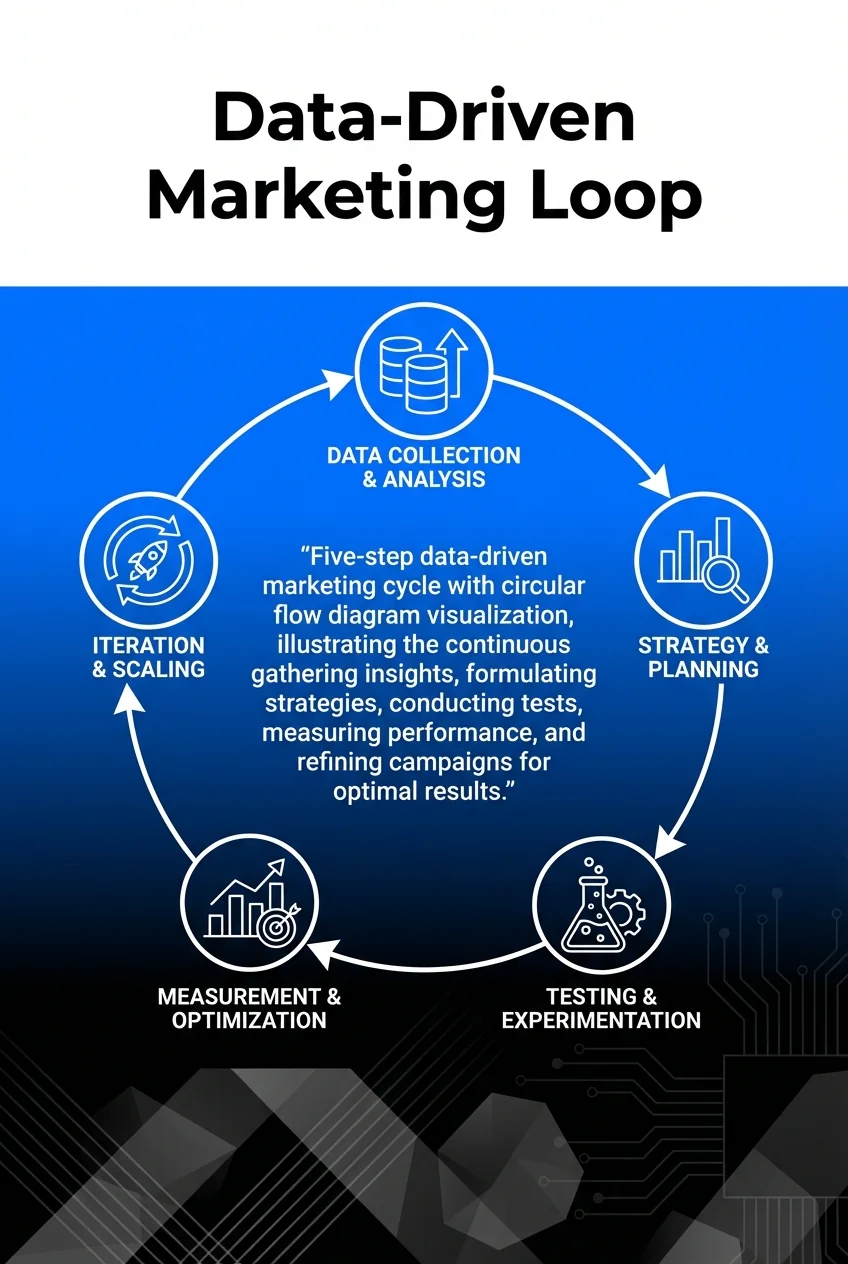
Audience trust develops differently when curation decisions reflect genuine understanding of preferences. Data-driven marketing uses customer data to analyse behaviour, develop strategies, test hypotheses, measure outcomes, and iterate. This creates a feedback loop where each curation decision informs the next, progressively improving relevance.
Resource efficiency improves dramatically too. Marketing teams waste significant time reviewing content that ultimately generates minimal engagement. Data identifies high-potential content faster, letting teams focus curation efforts where they’ll produce results.
Building Authority Through Strategic Curation
Consistent curation of valuable content positions your brand as a trusted industry resource. But this only works when the curated content actually serves audience needs. Data removes the guesswork from determining what “valuable” means to your specific audience.
Performance tracking reveals which topics your audience actively seeks versus topics you assume matter. This distinction proves crucial for building genuine authority rather than perceived expertise based on industry assumptions.
Source selection matters equally. Curating content from respected publishers enhances your credibility through association. Data shows which sources your audience trusts, informing partnerships and content relationships that strengthen your market position.
Improving Content Strategy ROI
Every piece of curated content requires time to discover, evaluate, and share. Data-driven approaches optimise this investment by focusing resources on content with proven performance indicators. Teams stop curating “just in case” content and start prioritising material with measurable engagement potential.
Distribution timing becomes more efficient too. Analytics reveal optimal posting schedules specific to your audience, moving beyond generic “best times to post” advice. Content reaches audiences when they’re most receptive, multiplying engagement without additional effort.
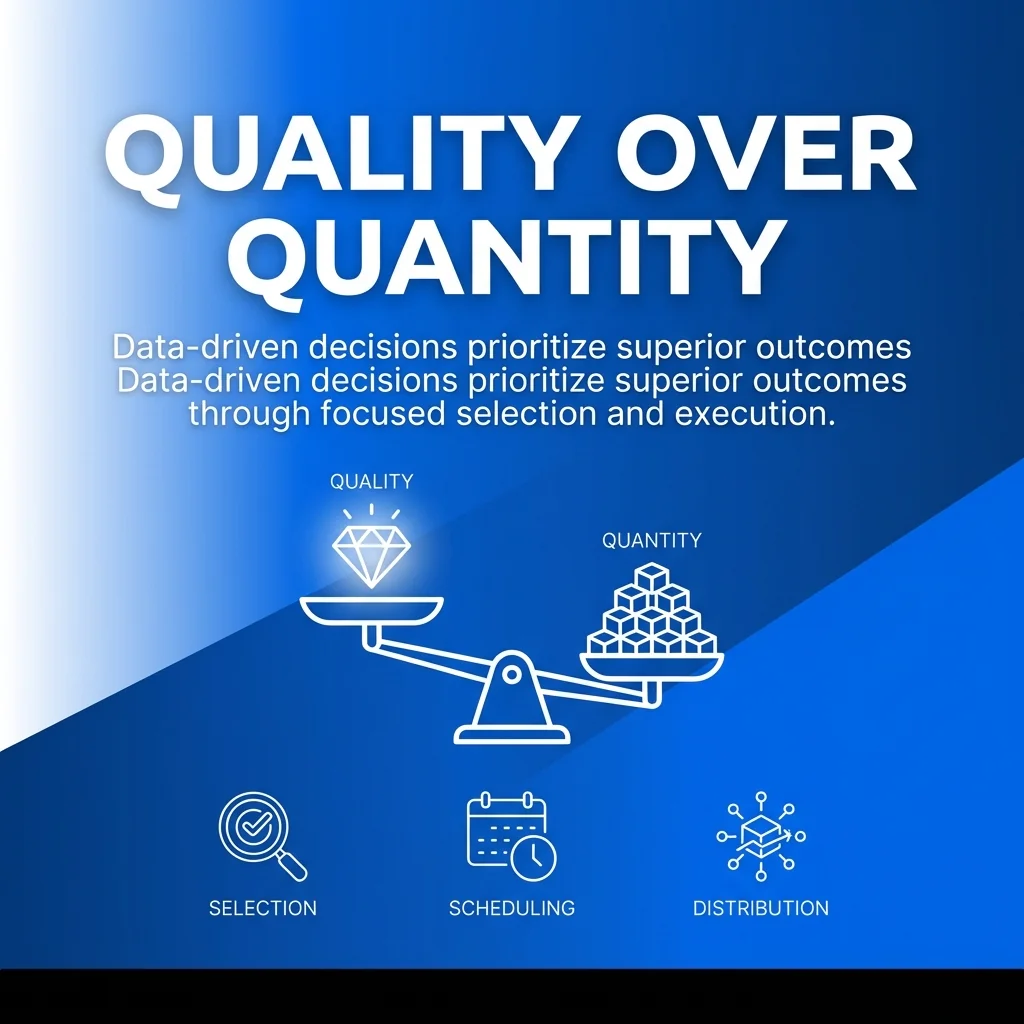
The cumulative effect produces more engagement from less content. Quality beats quantity when data guides selection, scheduling, and distribution decisions.
Types of Data That Power Content Curation
Having established why data-driven curation matters, we need to examine the specific data types that inform curation decisions. Different data categories provide distinct insights, and combining them creates comprehensive understanding of what content will resonate with your audience.
Data falls into several categories, each serving different analytical purposes. Audience demographic data reveals who consumes your content. Behavioural data shows how they interact with it. Performance data tracks which content achieves marketing objectives. Content metadata describes characteristics of the content itself.
Audience Demographics and Firmographics
Demographic data provides baseline audience understanding. Age ranges, geographic locations, job titles, and industry sectors help match content sophistication and topics to audience characteristics. A technology audience expects different content than a healthcare audience, even when discussing similar business challenges.
Firmographic data adds depth for B2B marketing. Company size, revenue range, and industry vertical inform content selection. Articles about enterprise software implementation resonate differently with Fortune 500 companies versus small businesses. Data prevents mismatched content that wastes everyone’s time.
Behavioural and Engagement Metrics
Behavioural data reveals what audiences actually do versus what demographics suggest they might do. Click-through rates, time spent reading, scroll depth, and social sharing patterns provide direct feedback on content preferences.
Engagement metrics track interaction quality. Comments, replies, and conversation threads indicate content that sparks discussion. Bookmark rates and save actions suggest valuable reference material. Download counts for gated content show willingness to exchange information for access.
These metrics matter because they reflect genuine interest rather than passive exposure. Content that generates high engagement deserves prioritisation in future curation decisions.
Content Performance History
Historical performance data creates predictive patterns. Articles about specific topics that consistently drove website visits likely indicate ongoing interest in those subjects. Content formats that generated email sign-ups merit continued emphasis.
Tracking performance over time reveals trends versus anomalies. A single viral post might not indicate lasting audience interest, but sustained performance across multiple pieces on similar topics suggests genuine preference.
Conversion data connects content to business outcomes. Which curated pieces led to sales conversations? Which articles preceded purchase decisions? This information elevates content curation from engagement metric to revenue contributor.
First-Party Versus Third-Party Data
Data sources significantly impact reliability and application. First-party data comes directly from your audience interactions, website analytics, email engagement, and CRM systems. This data proves most valuable because it reflects your specific audience rather than broader market trends.
Third-party data supplements first-party insights with broader market context. Industry research, competitor analysis, and market trend reports provide perspective beyond your immediate audience. This helps identify emerging topics before your audience explicitly requests them.
Privacy considerations favour first-party data increasingly. Regulations like GDPR and changing platform policies make third-party data less reliable and harder to acquire ethically. Building robust first-party data collection becomes essential for sustainable data-driven curation.
The Data-Driven Content Curation Process
Understanding data types prepares you for implementing systematic curation workflows. The process transforms from ad-hoc content sharing to repeatable methodology that consistently delivers relevant material to your audience. Each stage builds on specific data inputs and produces measurable outputs.
The workflow contains five core stages: discovery, evaluation, selection, distribution, and measurement. Effective content curation strategies integrate these stages into continuous cycles where measurement informs future discovery.
Content Discovery Using Data Signals
Discovery begins by identifying potentially valuable content based on data-informed criteria. Instead of manually browsing publications, data-driven systems monitor sources that historically produced engaging content. RSS feeds, content aggregators, and social listening tools automate initial discovery.
Keyword tracking based on audience interest data ensures relevant content surfaces quickly. Analytics reveal which search terms drive traffic to your site. Monitoring content that addresses those terms provides curation opportunities aligned with demonstrated audience needs.
Trending topic analysis identifies emerging subjects before they peak. Social media trend data, search volume changes, and news cycle tracking help curate timely content that rides interest waves rather than arriving after they pass.
Evaluation Criteria Informed by Performance Data
Not every discovered piece warrants curation. Evaluation filters potential content through data-backed criteria. Source credibility scores based on historical audience engagement help prioritise content from proven publishers.
Content quality indicators include depth of analysis, citation of sources, and production value. These factors correlate with engagement metrics in your historical data. Articles matching high-performing content characteristics earn priority consideration.
Relevance scoring compares content topics against audience interest data. Natural language processing can analyse article text against your audience’s demonstrated preferences, creating objective relevance ratings that supplement human judgment.
Strategic Selection Based on Content Mix Data
Selection decisions balance immediate relevance with strategic variety. Data reveals optimal content mix ratios, showing what percentage of curated content should address different topics, formats, and sophistication levels.
Audience engagement fatigue appears in data too. Repeatedly curating similar content types produces diminishing returns. Data-driven selection maintains variety within proven preference parameters, preventing audience burnout while staying relevant.
Strategic timing considerations emerge from historical patterns. Certain topics perform better during specific business cycles or seasonal periods. Data informs not just what to curate but when to share it for maximum impact.
Distribution Optimisation Through Timing Data
Distribution transforms selected content into audience value through strategic scheduling and platform selection. Analytics reveal when your audience actively engages with content across different channels. Email open rates, social media engagement patterns, and website traffic peaks all inform optimal distribution timing.
Platform-specific data determines where to share different content types. LinkedIn might drive engagement for professional development content whilst Twitter performs better for industry news. Historical performance by platform and content type guides distribution decisions.
Frequency data prevents overwhelming your audience. Engagement rates decline when posting exceeds audience appetite. Data identifies the optimal posting frequency that maximises reach without triggering unfollows or decreased engagement.
Measurement and Iteration Cycles
Measurement closes the loop by generating data that informs future curation decisions. Key performance indicators track whether curated content achieves strategic objectives, whether building audience, driving traffic, or generating leads.
A/B testing different content types, topics, and distribution strategies produces actionable insights. Controlled experiments reveal what changes improve performance versus what seemed like good ideas but produced no measurable benefit.
Regular reporting cycles ensure insights actually influence strategy. Monthly or quarterly reviews of curation performance identify trends, opportunities, and areas requiring adjustment. This continuous improvement cycle separates truly data-driven curation from data collection without application.
AI and Machine Learning in Content Curation
With the foundational process established, advanced technologies extend what’s possible in data-driven curation. AI and machine learning don’t replace human judgment but augment it, processing data volumes and identifying patterns beyond manual analysis capabilities.
These technologies excel at pattern recognition across massive datasets. Machine learning algorithms analyse thousands of content pieces and engagement patterns simultaneously, identifying correlations humans might miss. This capability transforms curation from manual selection to intelligent recommendation systems.
Recommendation Engines and Content Matching
Recommendation algorithms power personalised content experiences at scale. These systems analyse individual user behaviour alongside broader audience patterns, suggesting content likely to interest specific audience segments or individuals.
Collaborative filtering examines what similar users engaged with to recommend content. If audience members with comparable interests and behaviours engaged with certain articles, others matching that profile likely find value in similar content.
Content-based filtering analyses article characteristics, comparing them against content individuals previously engaged with. Articles sharing topics, tone, format, or source characteristics with high-performing content earn higher recommendation scores.
Hybrid approaches combine multiple algorithms, balancing different recommendation strategies to improve accuracy whilst maintaining content diversity. This prevents echo chambers where users only see content confirming existing preferences.
Natural Language Processing for Content Analysis
NLP technologies analyse article text to understand topics, sentiment, and sophistication level without human review. This enables automated content evaluation at scale, processing hundreds of potential curation candidates quickly.
Topic extraction identifies main themes within articles, matching them against audience interest data. Sentiment analysis determines whether content presents optimistic, critical, or neutral perspectives, helping maintain desired tonal balance in curated collections.
Readability scoring assesses content accessibility, ensuring curated material matches audience comprehension levels. Technical content suits expert audiences whilst simplified explanations serve generalist readers better.
Predictive Analytics for Content Performance
Machine learning models predict content performance before publication based on historical patterns. Training data from past curation efforts teaches algorithms which content characteristics correlate with high engagement.
These predictions help prioritise curation efforts towards content most likely to resonate. Rather than curating everything relevant, teams focus on material with highest predicted performance, optimising time investment.
Prediction confidence scores indicate model certainty. High confidence predictions guide automated curation whilst low confidence items receive human review, balancing efficiency with quality control.
Automated Curation Workflows
AI enables partial or complete workflow automation for routine curation tasks. Content discovery bots monitor designated sources continuously, flagging potentially relevant material. Evaluation algorithms apply consistent criteria, filtering content that meets quality and relevance thresholds.
AI-powered content curation strategies for social media demonstrate how automation scales curation efforts beyond human capacity whilst maintaining quality standards.
Smart scheduling systems optimise distribution timing dynamically, adjusting posting schedules based on recent engagement patterns rather than static schedules. This responsiveness keeps curation aligned with audience behaviour changes.
Human oversight remains essential even with automation. Regular review ensures algorithms haven’t drifted towards biased selections or missed important context that data alone can’t capture. The goal combines machine efficiency with human wisdom.
Audience Targeting and Personalisation
AI capabilities enable sophisticated personalisation, but implementing it effectively requires understanding how data informs audience segmentation and targeted content delivery. Building on the technological foundation, we now examine practical personalisation applications.
Personalisation transforms generic content streams into tailored experiences matching individual preferences. Data reveals audience diversity even within seemingly homogeneous groups. Marketing teams serve different content to different segments based on demonstrated interests and behaviours.
Segmentation Based on Behavioural Data
Behavioural segmentation groups audiences by actions rather than demographics. Engagement patterns reveal distinct audience clusters with different content preferences. Some segments prefer in-depth analysis whilst others engage more with quick insights.
Content consumption patterns inform segmentation too. Frequency of engagement, preferred formats, and topic interests create natural audience divisions. Data-driven segmentation reflects actual behaviour rather than assumed categories.
Journey stage segmentation recognises that prospects, active customers, and long-term clients need different content. Curating material appropriate to relationship stage improves relevance and supports audience progression through your marketing funnel.
Dynamic Content Delivery Systems
Modern platforms enable showing different content to different audience segments automatically. Email systems display varied content blocks based on recipient segments. Websites present personalised content recommendations based on browsing history and profile data.
Social media algorithms already personalise feeds, but strategic curation works within these systems. Understanding platform algorithms helps curate content that reaches intended audience segments effectively.
Personalisation extends to distribution channels too. Some audience segments prefer email whilst others engage more on social platforms. Data reveals these preferences, informing where to distribute specific content types for maximum segment penetration.
Balancing Personalisation With Discovery
Excessive personalisation creates filter bubbles where audiences only see content confirming existing interests. Effective curation balances personalised recommendations with discovery opportunities introducing new relevant topics.
Data helps identify this balance. Engagement metrics show when audiences welcome new topics versus when unfamiliar content generates disengagement. Testing different personalisation ratios reveals optimal mix for your specific audience.
Serendipity engineering introduces controlled randomness, occasionally presenting high-quality content outside normal recommendation parameters. This expands audience horizons whilst maintaining overall relevance.
Content Performance Measurement and Analytics
Personalisation efforts require measurement to validate effectiveness. Having established how to target and deliver content, we need comprehensive frameworks for tracking performance and deriving actionable insights from the resulting data.
Measurement transforms data-driven curation from theory into practice. Without tracking results, even sophisticated curation remains guesswork. Analytics provide the feedback loop essential for continuous improvement.
Defining Success Metrics for Curated Content
Success metrics must align with strategic objectives. Brand awareness goals prioritise reach and impression metrics. Engagement objectives focus on interactions, time spent, and sharing behaviours. Lead generation tracks conversion actions like email sign-ups or content downloads.
Vanity metrics like follower counts or post impressions provide limited insight without context. Actionable metrics connect directly to business outcomes. Which curated content drove website visits? Which pieces preceded sales conversations? These connections matter more than raw engagement numbers.
Benchmark establishment requires historical data collection. Initial metrics provide baseline performance. Subsequent measurements track improvement or decline, revealing whether curation strategy changes produce desired effects.
Attribution Modelling for Curation Impact
Attribution determines which curated content contributed to conversions. First-touch attribution credits the initial content that brought someone into your marketing ecosystem. Last-touch attributes conversion to the final content before purchase.
Multi-touch attribution provides more nuanced understanding, recognising that multiple curated pieces often influence decisions. Different content plays different roles throughout customer journeys. Some builds awareness whilst other pieces drive consideration or decision.
Measuring the ROI of your social media marketing strategy applies equally to content curation efforts. Demonstrating value ensures continued resource allocation to curation programmes.
Real-Time Analytics and Responsive Curation
Real-time data enables responsive curation adjustments. If specific content generates unexpected engagement spikes, curating related material quickly capitalises on interest whilst it peaks. Conversely, underperforming content types can be deprioritised immediately.
Trend monitoring tools track developing stories and topics. Getting ahead of trends with timely curation positions your brand as current and responsive. Lagging behind trend cycles means curating content after audience interest passes.
Alert systems notify teams when metrics exceed or fall below thresholds. Automated notifications ensure timely responses to performance changes without requiring constant manual monitoring.
Competitive Benchmarking
Understanding your curation performance in isolation provides incomplete perspective. Competitive analysis reveals whether your engagement rates reflect strong performance or industry-wide challenges.
Social listening tools track competitor curation efforts, revealing what content they share and how audiences respond. This intelligence informs your strategy without copying competitors, learning from their successes and avoiding their mistakes.
Share of voice metrics show your content’s visibility relative to competitors. Growing share of voice indicates effective curation that cuts through noise. Declining share signals needed strategy adjustments.
Best Practices for Data-Driven Content Curation
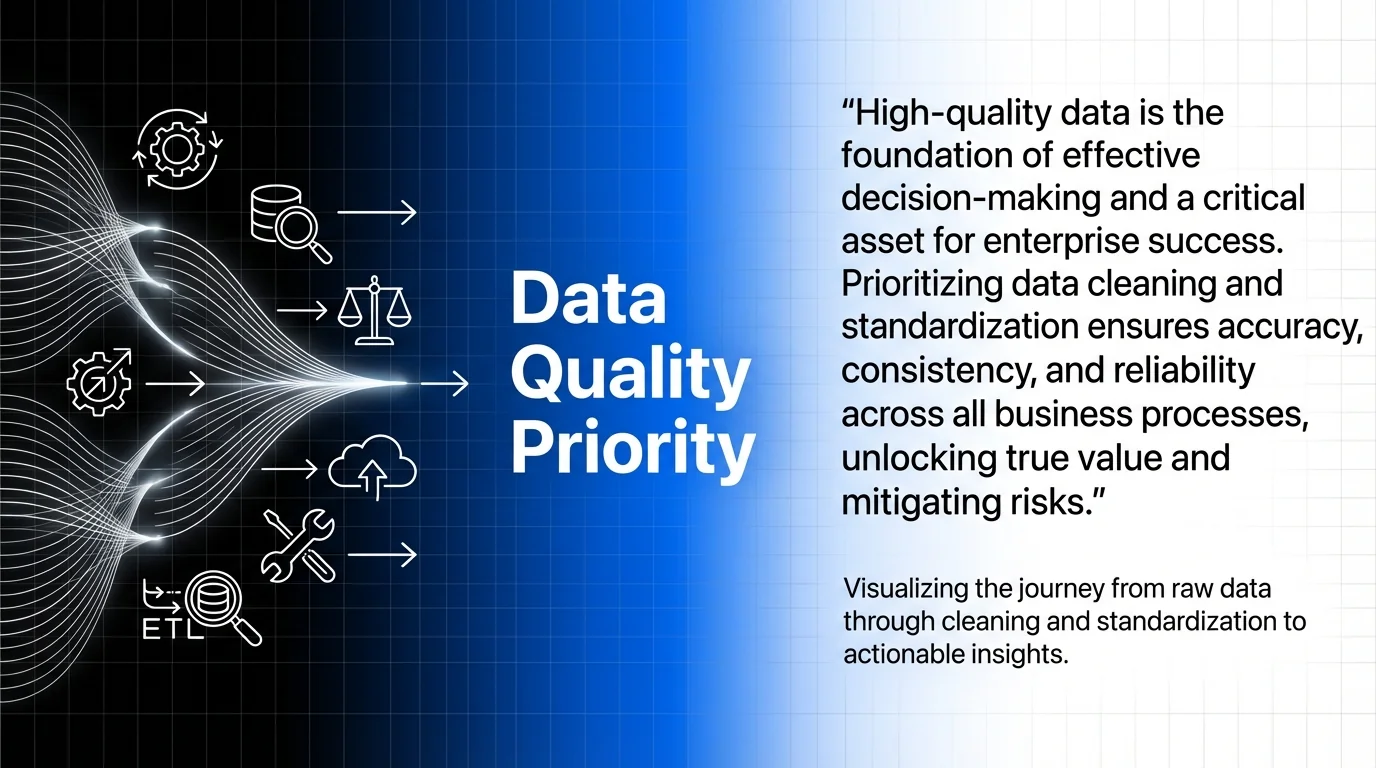
Measurement capabilities support implementing proven best practices that maximise curation effectiveness. Data-driven organisations rely on data analysis for decisions, prioritising data quality via cleaning, standardisation, and tools like Hadoop or Power BI for analyst access. These principles apply directly to content curation programmes.
Best practices emerge from accumulated experience across thousands of curation programmes. Following these guidelines accelerates results whilst avoiding common pitfalls that undermine curation efforts.
Maintaining Content Quality Standards
Quality trumps quantity consistently. Content curation tools help maintain quality through automated filtering, but human judgment remains essential. Establish clear quality criteria based on source credibility, content depth, and production values.
Source whitelisting identifies trusted publishers whose content rarely requires extensive review. Blacklisting prevents low-quality sources from entering curation workflows. Regular audit cycles ensure lists stay current as publisher quality changes.
Fact-checking protocols verify accuracy before sharing, protecting your brand reputation. Curating misinformation damages audience trust more severely than sharing nothing at all.
Adding Commentary and Context
Raw content sharing provides limited value. Adding perspective, context, or expert commentary transforms curation into thought leadership. Your unique insights explain why curated content matters and how audiences should interpret it.
Commentary length varies by platform and content type. Social media posts benefit from brief observations whilst email newsletters support longer analytical discussions. Match commentary depth to distribution channel norms and audience expectations.
Original perspectives distinguish curation from mere aggregation. Data shows which commentary styles generate engagement. Some audiences prefer critical analysis whilst others value enthusiastic endorsements. Tailor approach to demonstrated preferences.
Balancing Curated and Original Content
Optimal content strategies blend curation with original creation. Pure curation risks appearing as though you lack original ideas. Pure creation ignores valuable external perspectives. Data reveals ideal balance for your specific audience and resources.
The 5-3-2 rule suggests 50% curated content, 30% original content, and 20% promotional material. Test different ratios with your audience. Some industries and audience types prefer more original content whilst others value comprehensive curation highly.
Original content gains amplification through curation networks when other curators find it valuable. Contributing to the content ecosystem builds reciprocal relationships with other curators in your industry.
Ethical Considerations and Proper Attribution
Proper attribution protects content creators whilst maintaining ethical standards. Always credit original sources prominently. Link directly to source content rather than intermediary sites. Provide enough context that audiences understand content origin clearly.
Copyright compliance matters legally and ethically. Sharing headlines and excerpts with links typically falls under fair use, but reproducing substantial portions without permission violates copyright. When uncertain, seek permission or share less content.
Transparency builds trust. Disclose when curating content from partners, sponsors, or affiliated organisations. Audiences deserve knowing about relationships that might influence curation decisions.
Privacy and Data Governance
Data-driven curation requires responsible data handling. Comply with privacy regulations like GDPR and CCPA. Collect only necessary data and secure it appropriately. Provide clear privacy policies explaining data usage.
Anonymise data whenever possible for analysis purposes. Individual-level tracking enables personalisation, but aggregate analysis often provides sufficient insights without privacy concerns.
Regular privacy audits ensure ongoing compliance as regulations evolve. Data breaches or privacy violations damage brand reputation severely and potentially trigger significant legal consequences.
Real-World Applications and Success Patterns
Bringing together all previous concepts, examining how organisations implement data-driven curation reveals practical success patterns. These applications demonstrate theory in practice across different industries and audience types.
B2B Marketing Applications
B2B marketers use data-driven curation to establish thought leadership and support sales cycles. Curating industry research, market analysis, and expert perspectives positions brands as knowledgeable resources without constant original content production.
Sales enablement benefits particularly from strategic curation. Providing sales teams with curated content addressing common objections or questions helps close deals. Tracking which curated pieces correlate with successful sales outcomes refines content selection for maximum impact.
Account-based marketing leverages highly personalised curation. Curating content specific to target account industries, challenges, or strategic initiatives demonstrates understanding and builds relationships before sales conversations begin.
Media and Publishing Industry Examples
Digital publishers increasingly supplement original journalism with strategic curation. Newsletter products often combine proprietary reporting with curated industry coverage, providing comprehensive information service subscribers value.
Aggregation platforms like content discovery services demonstrate curation at massive scale. Sophisticated algorithms analyse millions of articles daily, surfacing relevant content for diverse audience segments. User engagement data continuously refines recommendation accuracy.
Social media platforms themselves represent curation systems. Facebook, Twitter, and LinkedIn all use algorithmic curation to determine which content appears in user feeds. Understanding these curation algorithms helps content creators and marketers optimise visibility.
E-commerce and Retail Curation
Product curation applies data-driven principles to merchandise selection and presentation. Analytics reveal which products interest specific customer segments. Curated product collections based on purchase history and browsing behaviour increase conversion rates.
Content curation supports product discovery. Fashion retailers curate style guides and trend reports. Technology retailers curate product reviews and comparison articles. This content helps customers make informed purchase decisions whilst building retailer authority.
Email marketing programmes use behavioural data to curate personalised product recommendations. Abandoned cart reminders, complementary product suggestions, and restock notifications all represent data-driven content curation serving commercial objectives.
Professional Services and Consulting
Consultancies curate thought leadership to demonstrate expertise and attract clients. Strategic curation of industry research, regulatory updates, and market trends positions firms as knowledgeable advisors clients trust with critical decisions.
Specialisation benefits from focused curation. Curating extensively within narrow domains proves deeper expertise than broad general curation. Data identifies which specialised topics generate engagement from high-value prospect segments.
Client education programmes incorporate curated content alongside proprietary frameworks and methodologies. This balanced approach provides comprehensive learning resources whilst maintaining clear differentiation between curated insights and unique intellectual property.
Future Trends in Data-Driven Content Curation
Understanding current applications prepares you for emerging trends that will shape curation’s future. Technology advances, platform evolution, and changing audience expectations all influence how data-driven curation develops.
Increased Automation and AI Sophistication
AI capabilities will continue expanding, enabling more sophisticated automated curation with less human oversight. Natural language understanding improvements allow better content evaluation. Prediction accuracy increases as models train on larger datasets.
Conversational AI may enable interactive curation experiences where audiences request specific content types and receive personalised recommendations through chat interfaces. This transforms passive content consumption into active dialogue with curation systems.
Real-time content generation might blur lines between curation and creation. AI systems could summarise multiple curated sources into original synthesis pieces, providing audience value that exceeds individual curated articles.
Privacy-First Curation Strategies
Growing privacy concerns and regulations push curation towards privacy-preserving approaches. First-party data becomes increasingly important as third-party tracking declines. Contextual targeting based on content topics rather than user tracking gains prominence.
Zero-party data, information audiences voluntarily share, enables personalisation without tracking. Preference centres where users specify interests directly provide rich data for curation personalisation with full consent and transparency.
Federated learning techniques might enable collaborative curation intelligence without centralising sensitive user data. Models train locally on user devices, sharing only aggregated insights that improve recommendations whilst preserving privacy.
Multi-Modal Content Experiences
Text-based curation expands into audio, video, and interactive formats. Podcast curation, video playlist creation, and immersive content experiences all benefit from data-driven approaches. Performance analytics adapt to measure engagement across different modalities.
Voice interfaces change how audiences discover curated content. Optimising for voice search and audio content consumption requires different approaches than visual interfaces. Data reveals how audiences use voice versus text for content discovery.
Augmented and virtual reality eventually support curated spatial content experiences. Though early stage currently, these technologies represent future frontiers where data-driven curation principles apply to entirely new content formats and consumption contexts.
Decentralised Curation Models
Blockchain technologies might enable new curation models where content creators receive direct value from curation. Token economics could reward both curators and original creators, aligning incentives and encouraging quality.
Community-driven curation platforms let audiences collectively determine valuable content through voting or curation markets. Data from these collective intelligence systems provides different perspectives than algorithmic approaches alone.
Open-source curation algorithms address transparency concerns about proprietary recommendation systems. Understanding how curation decisions get made builds trust, particularly for applications where algorithmic bias might produce harmful effects.
Getting Started With Data-Driven Curation
Having explored comprehensive frameworks and future possibilities, practical first steps make data-driven curation accessible regardless of current sophistication level. Starting simple and building complexity over time produces better results than attempting everything simultaneously.
Audit Current Curation Practices
Begin by documenting existing curation workflows. What sources do you monitor? How do you select content? What determines distribution timing? This baseline reveals improvement opportunities and strengths to maintain.
Assess available data sources. Most organisations possess more data than they actively use. Analytics platforms, CRM systems, email marketing tools, and social media insights all contain valuable information for curation decisions.
Identify gaps between current practices and data-driven approaches. Missing data sources require collection systems. Unused available data needs analysis workflows. This gap analysis creates implementation roadmaps.
Start With One Measurable Improvement
Choose a single aspect of curation to optimise through data. Perhaps testing different posting times based on analytics. Or selecting topics based on website search data rather than intuition. Small wins build momentum and demonstrate value.
Establish clear success metrics before implementing changes. What improvement would validate the new approach? Traffic increases, engagement rate improvements, or conversion lift all provide concrete validation.
Document results carefully. Even unsuccessful experiments provide learning. Understanding what doesn’t work proves as valuable as discovering what does. This experimental mindset drives continuous improvement.
Build Cross-Functional Collaboration
Effective data-driven curation requires coordination across teams. Marketing provides content strategy and brand voice. Analytics teams supply data infrastructure and insights. Sales contributes feedback on content effectiveness with prospects and customers.
Regular communication ensures insights flow between teams. Weekly or monthly curation reviews discuss performance, share learnings, and adjust strategies collaboratively. Cross-functional input produces more comprehensive curation approaches than siloed efforts.
Technology selections benefit from multiple perspectives. Tools that serve analytics needs might lack features marketers require for execution. Involving all stakeholders in platform decisions improves adoption and utility.
Invest in Skills Development
Data literacy becomes essential for modern marketers. Team members need basic analytics understanding to interpret performance data and derive insights. Training programmes build these capabilities across organisations.
Specialised roles might include data analysts focused on curation performance, content strategists who translate insights into curation strategies, and curators who execute daily workflows. Clarity about responsibilities prevents gaps and duplication.
Maximising social media impact with content curation automation requires understanding both technology capabilities and strategic applications. Continuous learning keeps teams current as tools and best practices advance.
Choose Appropriate Technology
Technology selection depends on scale, budget, and sophistication requirements. Small teams might begin with built-in analytics from existing platforms plus manual curation processes. Mid-size operations benefit from dedicated curation tools offering discovery, evaluation, and distribution features.
Enterprise organisations might build custom systems integrating multiple data sources and automating sophisticated workflows. However, custom development requires significant investment and ongoing maintenance. Evaluate build-versus-buy decisions carefully.
Integration capabilities matter critically. Tools that don’t connect with existing marketing technology stacks create data silos and workflow friction. Prioritise platforms with robust APIs and pre-built integrations to core systems.
Start with existing platform capabilities before adding new tools. Most marketing teams underutilise features already available in tools they’re paying for. Maximise current investments before expanding technology portfolios.
Data-driven content curation represents the maturation of content marketing from intuition-based practices to systematic, measurable approaches. The strategies and frameworks covered throughout this guide provide foundations for implementing curation that serves audiences effectively whilst achieving business objectives.
Success requires commitment to continuous improvement. Initial implementations won’t be perfect, but measurement provides feedback for refinement. Each curation cycle generates data that informs the next, creating compound improvements over time.
The competitive advantage goes to organisations that execute consistently rather than those seeking perfect strategies before beginning. Start with available data and tools, establish measurement practices, and iterate based on results. This pragmatic approach builds momentum whilst avoiding analysis paralysis.
Audience needs remain central to effective curation regardless of technological sophistication. Data illuminates what audiences value, but human judgment determines how to serve those needs authentically. The combination of data-driven insights and human wisdom produces curation that truly resonates.
Content curation for social media will continue evolving as platforms, technologies, and audience expectations change. The principles of data-informed decision making, measurement-driven improvement, and audience-focused value creation remain constant even as specific tactics adapt.
Your curation journey begins with the next piece of content you share. Apply one insight from this guide to that decision. Measure the result. Build from there. Over time, these incremental improvements transform curation from administrative task into strategic advantage that builds audience, establishes authority, and drives business results.