Choosing between Quuu Promote and paid advertising fundamentally comes down to understanding what each channel delivers. Quuu Promote distributes your content through real social media users who genuinely curate and share valuable material with their followers. Paid ads, by contrast, put your message in front of targeted audiences through platform algorithms.
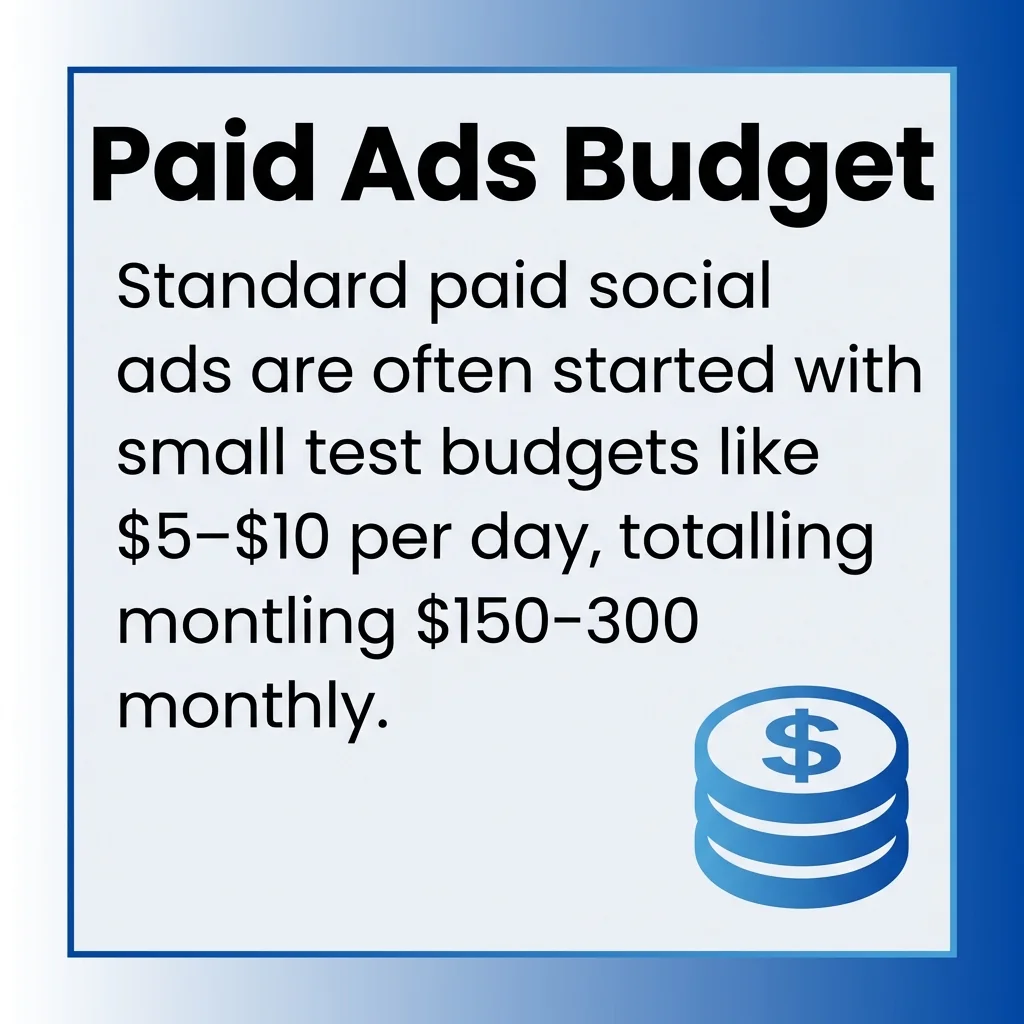
The cost structures work entirely differently. Quuu Promote plans start from $50/month for 90 days of continuous distribution. Standard paid social ads are often started with small test budgets (e.g., $5–$10 per day), which totals $150-300 monthly.
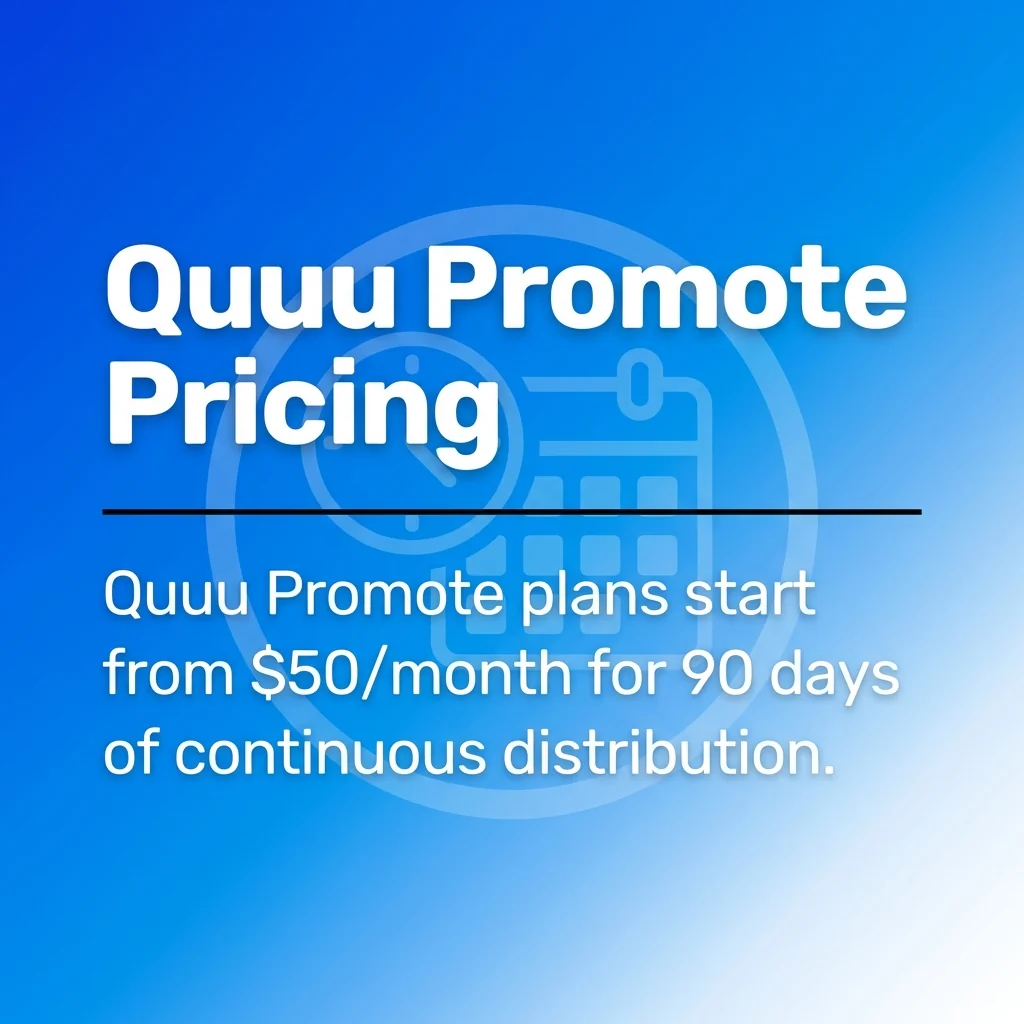
But here’s what the numbers don’t immediately reveal. That $50 Quuu Promote investment buys you shares from actual accounts with established audiences. Your content appears in organic feeds, not labelled ad placements.

Paid advertising delivers precision. Traditional paid ads rely on targeting parameters like demographics, interests, job title, or retargeting audiences. You control exactly who sees your message, when they see it, and how often.
This guide breaks down exactly when each approach makes sense for your business. You’ll see real cost comparisons, understand traffic quality differences, and learn which option aligns with your specific marketing goals.
Understanding Quuu Promote and Paid Advertising Fundamentals
Quuu Promote operates through a network of content curators. When you submit blog posts or articles, they go through manual review. Approved content gets distributed to relevant Quuu users.
These users actively seek quality content to share with their audiences. They’ve organised their preferences into categories. Your content reaches people who’ve specifically requested material in your niche.
The distribution happens organically. Real accounts post your links to their social feeds. Their followers see it as a genuine recommendation, not a sponsored message.
Paid advertising works through platform algorithms. You create ads, set targeting parameters, and bid for placement. Facebook Ads, LinkedIn Ads, and similar platforms show your content to users matching your criteria.
The visibility is immediate. You control budget, duration, and audience. Results are measurable through platform analytics.
How Quuu Promote Distribution Actually Works
You submit your content through the Quuu Promote dashboard. A manual review team evaluates quality, relevance, and value. This process takes 24-48 hours typically.
Approved content enters the distribution queue. It’s categorised based on topic and industry. Users who follow those categories see your content as a suggestion.
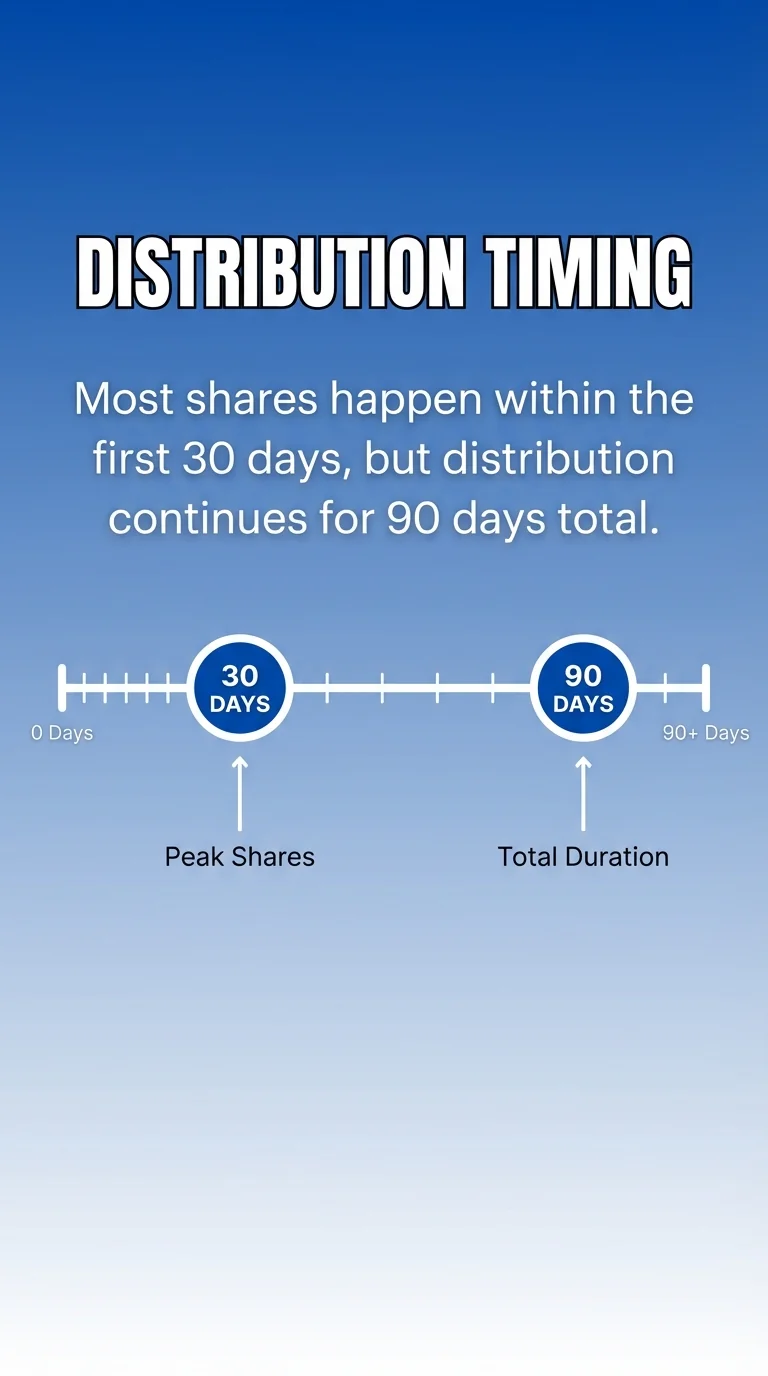
They review it and decide whether to share. Most shares happen within the first 30 days. Distribution continues for 90 days total.
You receive notifications when users share your content. You can track which pieces perform best. The platform shows total shares and estimated reach.
How Paid Ad Platforms Deliver Reach
You build campaigns in the ad platform interface. You upload creative assets, write copy, and set targeting rules. Budget and bidding strategy determine your placement priority.
Platforms use auction systems. Your ad competes with others targeting the same audience. Higher bids and better relevance scores increase visibility.
Users see your content in feeds, stories, or sidebar placements. It’s clearly marked as sponsored or promoted. They can engage, click through, or scroll past.
Performance data updates in real-time. You see impressions, clicks, conversions, and costs. You can pause, adjust, or scale campaigns instantly.
Cost Structure Comparison and Budget Implications
The pricing models work fundamentally differently. This affects how you budget and what you can expect for your investment.
Quuu Promote uses flat monthly subscriptions. You pay a set amount regardless of results. Your content gets distributed to the network for three months.
Paid advertising uses performance-based pricing. You pay per impression, click, or conversion. Costs vary based on competition, audience, and placement.
| Platform | Pricing Model | Minimum Investment | Duration |
|---|---|---|---|
| Quuu Promote | Flat monthly rate | $50/month | 90-day distribution |
| Paid Social Ads | Cost per result | $5-10/day ($150-300/month) | Duration you fund |
The Quuu Promote investment buys you extended distribution. Your $50 works for three months. Content continues reaching new audiences throughout that period.
Paid advertising stops when your budget runs out. That $150 monthly spend delivers results only whilst actively funded. Pause your campaign, and visibility disappears immediately.
Cost Per Click Analysis
This metric reveals the efficiency of each approach. It shows what you actually pay for website traffic.
With Quuu Promote, cost per click depends on total shares and click-through rates. If you get 50 shares generating 150 clicks, your $50 investment equals roughly £0.33 per click.
Paid social advertising CPC varies significantly. Facebook Ads typically cost £0.50-£2.00 per click depending on industry and targeting. LinkedIn Ads often run £3-£6 per click for B2B audiences.
Your actual costs depend on content quality and audience match. Strong content with clear value propositions generates more shares and clicks. Weak content underperforms regardless of distribution method.
Small Business Budget Considerations
Limited marketing budgets require strategic allocation. You need maximum return from every pound spent.
Quuu Promote offers predictable costs. You know exactly what you’ll spend. There’s no risk of overspending or budget depletion mid-campaign.
The 90-day distribution window extends your investment’s lifespan. Content continues generating traffic long after the initial month. This compounds value over time.
Paid advertising demands ongoing investment. Results stop immediately when funding ends. You need consistent budget allocation to maintain visibility.
For businesses producing quality blog content regularly, Quuu Promote can deliver sustainable traffic at fixed costs. For businesses with specific conversion goals and established budgets, paid ads offer precise control.
Traffic Quality and User Engagement Patterns
Not all website visitors behave the same way. Traffic source significantly impacts engagement metrics and conversion potential.
Quuu Promote traffic comes from social shares by real users. These users have established followings who trust their recommendations. Your content reaches audiences through a trusted intermediary.
This creates a different psychological dynamic. Visitors arrive through peer recommendation rather than paid placement. They’re often more receptive and engaged.
Paid advertising traffic comes from direct platform targeting. Users see your content because they match your demographic or interest criteria. They haven’t received a personal recommendation.
The ad label affects perception. Some users skip sponsored content automatically. Others evaluate it with more scepticism than organic posts.
Real Users vs Targeted Audience Reach
Quuu’s network consists of verified social media users. They’ve actively joined the platform to find shareable content. They maintain real audiences who follow them for curated recommendations.
These aren’t bot accounts or low-quality profiles. The manual review process and sharing behaviour requirements filter out non-genuine users. You get shares from accounts with actual engagement.
Paid advertising reaches users based on platform data. Targeting accuracy depends on how well users match your parameters. Some targeting works brilliantly, whilst some misses the mark.
Platform algorithms try to show ads to likely converters. But they’re optimising for clicks, not necessarily genuine interest. You might get traffic that bounces quickly.
Engagement Metrics and Time on Page
Traffic from trusted recommendations typically shows stronger engagement. Visitors spend more time reading, scroll deeper, and explore additional pages more often.
This happens because they arrived with higher intent. A trusted source suggested your content was worth their time. They’re more likely to give it genuine attention.
Paid advertising traffic often shows weaker engagement metrics. Users clicked out of curiosity or because the headline caught attention. They’re quicker to leave if content doesn’t immediately deliver value.
Your content quality matters enormously here. Brilliant content retains traffic regardless of source. Poor content loses visitors immediately, whether they came from ads or shares.
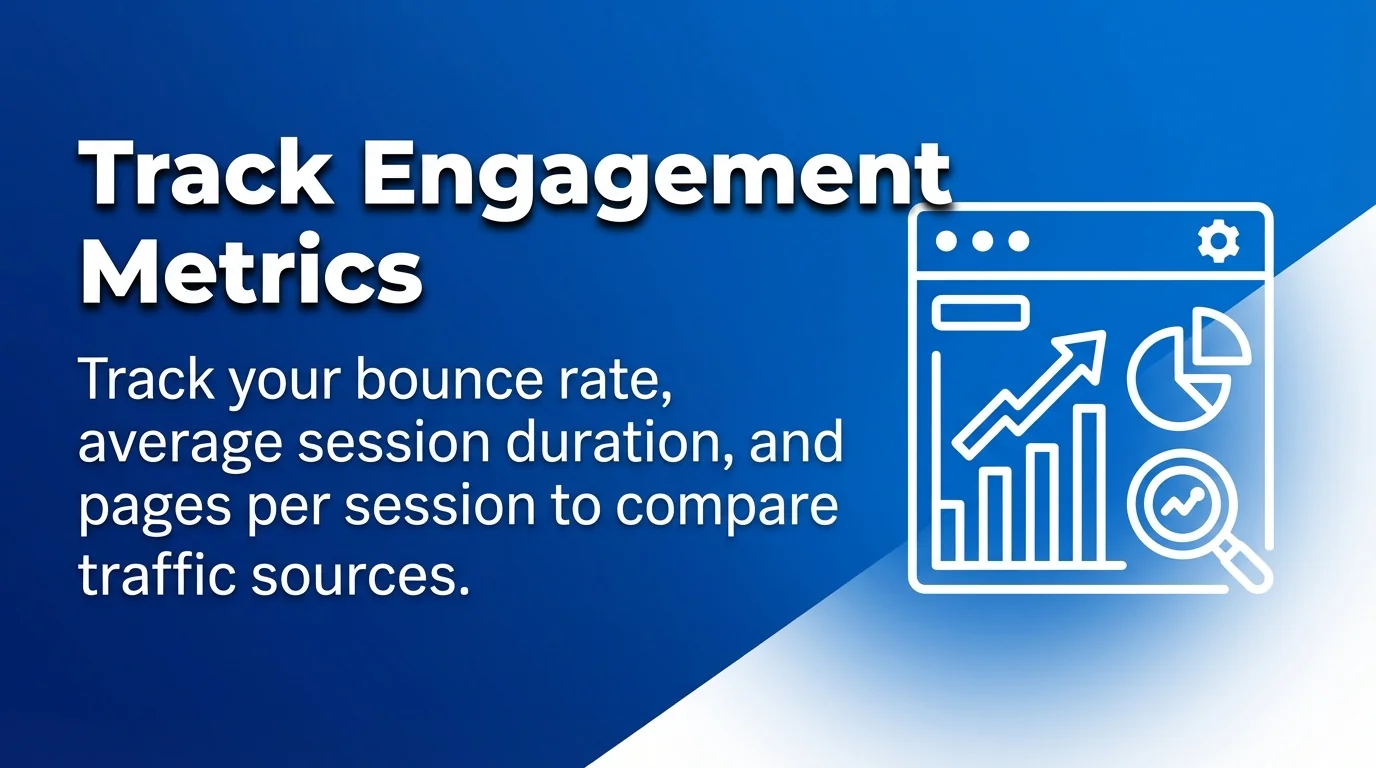
Track your bounce rate, average session duration, and pages per session. Compare these metrics across traffic sources. This reveals which channel delivers more valuable visitors for your specific content.
Time Investment and Management Requirements
Beyond financial costs, consider the time you’ll invest. Different approaches demand different levels of ongoing attention.
Quuu Promote requires minimal management after initial setup. You submit content, it gets reviewed, and distribution happens automatically. You can largely set it and focus on other priorities.
Paid advertising demands continuous optimisation. You need to monitor performance, adjust targeting, refresh creative, and refine messaging. Successful campaigns require regular attention.
Setup and Configuration Time
Getting started with Quuu Promote takes about 30-60 minutes. You create an account, select content categories, and submit your first pieces. The interface is straightforward.
The manual review process means waiting 24-48 hours for approval. You can’t instantly see results. But once approved, distribution continues without further input.
Paid advertising setup takes 2-4 hours for your first campaign. You need to install tracking pixels, create ad creative, write multiple copy variations, and configure targeting parameters.
Learning platform interfaces takes time. Facebook Ads Manager and similar tools have steep learning curves. You’ll need tutorials or experience to use them effectively.
Ongoing Campaign Management
Quuu Promote requires weekly or monthly content submission. You add new blog posts as you publish them. Each submission takes 5-10 minutes.
You can check performance metrics occasionally. But there’s no need for daily monitoring. The system works consistently without intervention.
Paid advertising demands daily or weekly optimisation for best results. You should review performance metrics, pause underperforming ads, increase budget on winners, and test new variations.
Competitive industries require more frequent adjustments. Costs fluctuate based on competitor activity. You need to respond to maintain efficiency.
This ongoing management adds 3-10 hours weekly depending on campaign complexity. For small businesses without dedicated marketing staff, this becomes a significant burden.
When Quuu Promote Makes Strategic Sense
Certain business situations align perfectly with Quuu Promote’s strengths. Understanding these scenarios helps you make informed decisions.
Content-focused marketing strategies benefit most. If you regularly publish valuable blog posts, guides, or resources, you need distribution channels. Quuu Promote extends reach without ongoing effort.
The approach works brilliantly for thought leadership. When your goal is establishing expertise rather than immediate conversions, social shares build credibility. Real people recommending your content carries weight.
Limited Budget Scenarios
Small businesses with tight marketing budgets find Quuu Promote attractive. The predictable monthly cost fits easily into financial planning. There’s no risk of overspending.
You avoid the complexity of bid management and budget optimisation. You don’t need expertise in paid advertising platforms. The barrier to entry is much lower.
For startups testing content marketing, Quuu Promote offers low-risk experimentation. You can validate whether content distribution generates meaningful traffic before committing to larger advertising budgets.
The extended 90-day distribution period maximises value from limited investment. Your content continues working long after the initial month.
Building Social Proof and Authority
Social shares create visible proof that others value your content. When visitors see share counts, they perceive greater credibility. This social validation influences behaviour.
Genuine shares from real accounts build this proof authentically. Unlike purchased engagement or bot activity, these shares come from actual curators. The authenticity matters for long-term reputation.
Overcoming ad blindness requires alternative distribution methods. As audiences become increasingly sceptical of paid placements, organic recommendations gain importance.
Building authority in your niche requires consistent visibility. Regular content promotion through Quuu keeps your brand present in relevant conversations. This sustained presence compounds over time.
Long-Term Content Value
Evergreen content delivers value for months or years. Articles about fundamental concepts, comprehensive guides, and resource compilations remain relevant long-term.
Quuu Promote’s 90-day distribution window suits this content perfectly. Your best pieces continue reaching new audiences throughout that period. This extended lifespan maximises return on content creation investment.
Compare this with paid ads, which typically promote content for days or weeks. Once your budget depletes, visibility ends. Evergreen content deserves longer promotion periods.
You can resubmit top-performing content after the initial 90 days. This creates ongoing distribution for your best work. The investment remains minimal compared to continuous advertising spend.
When Paid Advertising Delivers Superior Results
Paid advertising excels in specific scenarios where precision and control matter most. Understanding these situations prevents wasting time on the wrong approach.
Direct response campaigns need paid ads. When your goal is generating leads, sales, or specific conversions within defined timeframes, advertising platforms provide necessary tools.
The targeting capabilities make all the difference. You can reach exact audiences based on detailed criteria. This precision eliminates wasted impressions on irrelevant users.
Conversion-Focused Campaigns
When you need measurable conversions quickly, paid ads outperform organic distribution. Platform algorithms optimise delivery toward users likely to take action. This machine learning improves efficiency continuously.
You can track every step of the customer journey. Pixel tracking reveals which ads generated which conversions. This attribution clarity helps you calculate exact ROI.
Retargeting capabilities recapture interested users. People who visited your site but didn’t convert see follow-up messages. This sequential messaging significantly improves conversion rates.
Quuu Promote doesn’t offer these conversion-optimisation features. You get traffic and shares, but not sophisticated conversion tracking or retargeting capabilities.
Time-Sensitive Promotions
Product launches, sales events, and limited-time offers require immediate visibility. Paid advertising delivers instant traffic. You control exactly when ads appear.
You can scale budget rapidly for urgent campaigns. Need to triple reach overnight? Just increase daily spend. This flexibility proves invaluable for time-critical initiatives.
Quuu Promote’s 90-day distribution window doesn’t suit urgent promotions. Content gets shared gradually by curators on their own schedules. You can’t force immediate widespread distribution.
Event promotion requires precise timing. Advertising lets you increase intensity as dates approach. You can’t achieve this controlled ramp-up through organic sharing.
Highly Specific Audience Targeting
Some businesses serve extremely narrow niches. Perhaps you’re targeting enterprise IT directors at companies with 500+ employees. Paid platforms let you define this precisely.
Job title targeting, company size filtering, and industry segmentation reach exactly who you need. This eliminates waste from irrelevant impressions.
Whilst Quuu Promote offers category selection, it doesn’t provide the granular demographic and firmographic targeting that advertising platforms deliver. You’ll reach broader audiences interested in your topic, but not filtered by specific professional criteria.
Geographic targeting matters for local businesses. You can limit ads to specific cities, postcodes, or radius around locations. This ensures every impression reaches potentially local customers.
Combining Both Approaches for Maximum Impact
The most sophisticated marketing strategies use multiple channels strategically. Quuu Promote and paid ads aren’t mutually exclusive. They complement each other effectively.
Consider a layered approach. Use Quuu Promote for evergreen content distribution and authority building. Deploy paid ads for conversion-focused campaigns and time-sensitive promotions.
This combination provides both sustained organic reach and precise conversion capability. You build long-term presence whilst capturing immediate opportunities.
Sequential Strategy Implementation
Start with Quuu Promote for initial content distribution. This establishes baseline traffic and social proof. You’ll identify which content resonates most with audiences.
Analyse performance metrics after 30-60 days. Which pieces generated the most shares, clicks, and engagement? These are your proven performers.
Then amplify top content with paid advertising. You’ve already validated audience interest. Now you’re scaling what works rather than guessing which content to promote.
This approach reduces advertising waste. You’re not testing content effectiveness with expensive ad spend. Quuu Promote served as your low-cost validation mechanism.
Audience Segmentation Strategy
Use Quuu Promote for top-of-funnel awareness content. Educational blog posts, industry insights, and helpful guides work brilliantly. You’re building brand recognition and trust.
Deploy paid advertising for mid- and bottom-funnel content. Case studies, product comparisons, and conversion-optimised landing pages get targeted ad spend. You’re reaching warm audiences with commercial intent.
This segmentation maximises efficiency. Each channel handles what it does best. You’re not forcing Quuu Promote to drive conversions or wasting ad budget on pure awareness content.
Track users as they move through your funnel. Someone who discovered you through a Quuu-promoted blog post might later convert through a retargeting ad. Both channels contributed to that conversion.
Budget Allocation Framework
For small businesses with monthly marketing budgets under £500, consider 60-70% to Quuu Promote and 30-40% to paid ads. This maintains consistent content distribution whilst allowing conversion campaign testing.
Mid-sized businesses with £1000-5000 monthly budgets might flip this ratio. Allocate 30-40% to Quuu Promote for sustained organic reach. Put 60-70% toward paid advertising for lead generation and conversions.
Larger organisations with substantial budgets can run both channels fully. Maintain comprehensive content distribution through Quuu Promote. Run sophisticated paid campaigns simultaneously for conversion optimisation.
Review allocation quarterly. If paid ads deliver strong ROI, shift more budget there. If content performance improves significantly through Quuu promotion, increase that investment.
Measuring Success and ROI Across Channels
Different approaches require different success metrics. Understanding what to measure prevents false conclusions about effectiveness.
Quuu Promote success metrics focus on reach, engagement, and sustained traffic. You’re measuring brand awareness, content performance, and long-term audience growth.
Paid advertising metrics emphasise conversion efficiency. You track cost per acquisition, return on ad spend, and conversion rates. The focus is direct business impact.
Key Performance Indicators for Quuu Promote
Track total shares received across all content. This shows how extensively curators value and distribute your work. Higher share counts indicate strong content-market fit.
Monitor referral traffic from social platforms. Check Google Analytics for traffic sources. You’ll see visitors arriving from Twitter, Facebook, and LinkedIn where curators shared your content.
Calculate estimated cost per click. Divide your monthly subscription by total clicks received. This reveals your effective traffic acquisition cost.
Measure engagement metrics for Quuu-driven traffic. Compare bounce rate, time on page, and pages per session against other channels. This shows traffic quality.
Track social proof accumulation. Count share buttons, social mentions, and external links generated. These indicate growing authority and reach.
Key Performance Indicators for Paid Advertising
Cost per click remains fundamental. Track this across campaigns, ad sets, and individual ads. Identify which elements drive efficiency.
Conversion rate shows how effectively traffic becomes leads or customers. Calculate this separately for each campaign and audience segment.
Return on ad spend (ROAS) reveals overall profitability. Divide revenue generated by advertising costs. Profitable campaigns show ROAS above 1.0, ideally 3.0 or higher.
Click-through rate indicates ad relevance and appeal. Low CTR suggests poor audience match or weak creative. High CTR validates your targeting and messaging.
Cost per acquisition shows what you pay for each customer. Compare this against customer lifetime value. You need positive unit economics for sustainable growth.
Attribution and Cross-Channel Impact
Users rarely convert on first contact. They typically interact with your brand multiple times across channels before taking action.
Someone might discover you through a Quuu-promoted blog post. They return later through search. Finally, they convert after seeing a retargeting ad. Which channel deserves credit?
Use multi-touch attribution models in Google Analytics. These distribute conversion credit across all touchpoints. You’ll see how channels work together.
Understanding social media marketing ROI requires this nuanced perspective. Quuu Promote might not generate direct conversions but could be crucial for initial awareness.
Track assisted conversions separately from last-click conversions. This reveals which channels initiate customer journeys versus which close them. Both roles matter.
Platform-Specific Considerations and Alternatives
Beyond the Quuu Promote versus paid ads decision, you’ll choose specific platforms within each category. These choices significantly impact results.
Different paid advertising platforms serve different purposes. Facebook Ads excel at consumer targeting. LinkedIn Ads dominate B2B marketing. Google Ads capture search intent.
Your industry, audience, and goals determine optimal platform selection. Mismatched platforms waste budget regardless of execution quality.
Social Platform Advertising Comparison
Facebook and Instagram advertising offers extensive audience data. You can target based on interests, behaviours, life events, and connections. Visual formats work beautifully for consumer products.
Costs remain relatively affordable. Most industries see £0.50-£2.00 cost per click. Video content and engaging creative drive efficiency.
LinkedIn advertising reaches professional audiences. Job title, company, industry, and seniority targeting helps B2B marketers. But costs run significantly higher, often £3-£8 per click.
Twitter advertising suits real-time marketing and trending topics. Conversation targeting lets you reach users discussing specific subjects. Costs sit between Facebook and LinkedIn typically.
Quuu appears amongst top Facebook automation tools for content distribution. This reinforces its position as a legitimate alternative to direct paid placement.
Search vs Social Advertising
Search advertising through Google Ads captures existing intent. Users actively searching for solutions see your ads. This typically converts better than interruption-based social ads.
Costs vary enormously by industry. Legal, insurance, and finance keywords might cost £10-50 per click. Less competitive niches run £1-5 per click.
Social advertising builds awareness amongst people not actively searching. You’re creating demand rather than capturing it. This suits new products and brand building.
The best strategies combine both. Use social advertising to build awareness. Use search advertising to capture intent you’ve created. This full-funnel approach maximises efficiency.
Alternative Content Distribution Options
Native advertising platforms like Outbrain and Taboola distribute content across publisher networks. You pay per click, typically £0.30-£1.50. Content appears as recommended articles on news sites.
These platforms reach massive audiences but traffic quality varies. Some publishers deliver engaged readers. Others generate low-quality clicks that bounce immediately.
Content syndication platforms like Medium and LinkedIn Publishing offer free distribution. You republish content on these platforms to reach their built-in audiences.
Email marketing to owned lists provides the highest-converting traffic. But you need to build those lists first. This takes time and complementary strategies.
Comparing free versus paid curation tools reveals trade-offs between reach and investment. Free options require more manual effort. Paid services like Quuu Promote provide structured distribution.
Making Your Decision: A Practical Framework
You now understand how Quuu Promote and paid advertising differ. The final step is applying this knowledge to your specific situation.
Use this decision framework to clarify which approach suits your current needs. Your answers will reveal the most strategic choice.
Situational Decision Matrix
Ask yourself these qualifying questions. Your answers point toward the optimal strategy.
What’s your primary marketing objective right now? If it’s building awareness and authority, Quuu Promote aligns better. If it’s generating leads or sales within specific timeframes, paid ads deliver faster.
What’s your monthly marketing budget? Under £200 suggests Quuu Promote as the foundation. £500-£2000 allows testing both approaches. Above £2000 enables sophisticated multi-channel strategies.
How much time can you dedicate to campaign management weekly? Less than two hours suits Quuu Promote’s minimal management needs. Five-plus hours allows proper paid advertising optimisation.
Do you regularly publish quality long-form content? If yes, Quuu Promote extends reach for this existing asset. If no, paid advertising might serve other marketing needs better.
How urgent are your results? Need traffic this week? Use paid ads. Building sustainable presence over months? Quuu Promote works brilliantly.
Starting Small and Scaling Strategically
Begin with a three-month test period. This provides sufficient data for informed decisions without massive commitment.
If testing Quuu Promote, submit your five best evergreen articles. Track traffic, engagement, and any conversions generated. Calculate your effective cost per result.
If testing paid advertising, start with £10 daily budget. Run campaigns for 30 days minimum. Test different audiences, creative, and messaging. Identify what resonates.
Document everything. Maintain spreadsheets tracking costs, traffic, conversions, and key metrics. This data becomes invaluable for scaling decisions.
After three months, evaluate objectively. Which approach delivered better results relative to investment? Which felt more sustainable for your team?
Scale what works. If Quuu Promote generates quality traffic efficiently, upgrade to higher tiers or submit more content. If paid ads convert profitably, increase budget gradually whilst maintaining efficiency.
Common Mistakes to Avoid
Don’t judge Quuu Promote after one week. The 90-day distribution window means results accumulate over time. Early metrics don’t reflect full value.
Don’t run paid advertising without proper tracking setup. Install conversion pixels before launching campaigns. Otherwise, you can’t measure actual business impact.
Don’t submit poor content to Quuu Promote expecting good results. Manual reviewers reject low-quality submissions. Even approved weak content won’t get shared widely.
Don’t ignore engagement metrics when evaluating traffic sources. High-volume, low-quality traffic wastes resources. Prioritise engaged visitors who consume content thoroughly.
Don’t try managing paid advertising without education. Take platform courses, watch tutorials, or hire expertise. Untrained campaign management wastes budget quickly.
Don’t make channel decisions based solely on cost. Cheaper isn’t always better. Consider traffic quality, conversion rates, and total customer acquisition cost.
Quick Answers to Common Questions
What is the major disadvantage of viral campaigns when compared to paid advertising?
Viral distribution depends on users voluntarily sharing content. This makes scale, timing, and sentiment inherently uncertain. You can’t plan, forecast, or replicate results as reliably as structured paid campaigns where you control spend, targeting, frequency, and placements.
What is the difference between organic and paid Facebook ads?
Organic Facebook posts rely on News Feed algorithms and existing audience engagement for reach. Paid Facebook ads use detailed demographic, interest, and behavioural targeting plus bidding to deliver impressions. Marketers typically use organic posts to build community whilst relying on paid ads to scale reach and drive specific conversions.
Can I use both Quuu Promote and paid ads together?
Absolutely. Many successful content marketers use Quuu Promote for evergreen content distribution and authority building, whilst running paid ads for conversion-focused campaigns. This combination provides sustained organic reach and precise conversion capability simultaneously.
Your Path Forward
The choice between Quuu Promote and paid advertising isn’t about finding the universally superior option. It’s about matching distribution method to your specific situation, goals, and resources.
Content-focused businesses with limited budgets find tremendous value in Quuu Promote’s predictable costs and extended distribution. The approach builds authority sustainably without demanding continuous management.
Businesses needing precise targeting, immediate results, or conversion optimisation benefit from paid advertising’s control and sophistication. The investment delivers when you have budget, time, and expertise to optimise properly.
Most growing businesses eventually use both strategically. They leverage each channel’s strengths whilst minimising weaknesses through complementary deployment.
Start with the approach that best matches your current priority. Test thoroughly. Measure honestly. Scale what delivers results for your specific circumstances.
Your content deserves an audience. Whether you reach them through curated shares or targeted ads matters less than reaching them effectively. Choose the method that gets your valuable insights in front of people who need them most.