Social media promotion tools promise reach and engagement, but which ones deliver actual results for small businesses? We tested Quuu Promote with a small business to measure real shares, clicks, and traffic – not vanity metrics or bot activity. The platform automates the process of getting other social media users to share your content, connecting you with people who’ve actively chosen to receive content suggestions in specific categories.
This case study examines 90 days of real data from a small business promoting content through Quuu Promote. You’ll see exact share counts, click-through performance, approval timelines, and cost analysis. More importantly, you’ll understand whether this tool makes sense for businesses with limited marketing budgets and whether those shares come from genuine users or automated systems.
The results revealed both opportunities and limitations. Whilst the platform delivered consistent social shares from verified accounts, the traffic patterns showed interesting variations across content types and social platforms. Understanding these patterns helps small businesses maximise their content promotion investment and set realistic expectations.
What Is Quuu Promote and How Does It Work?
Quuu Promote operates as a content distribution platform that connects your blog posts with real social media users. Unlike paid advertising where you target demographics, Quuu Promote works through an opt-in content suggestion system where users have manually subscribed to specific content categories.
The process starts with submitting your content for review. Quuu’s curation team manually evaluates each submission to ensure it meets quality standards and matches the selected category. This manual review process distinguishes the platform from automated content syndication tools that simply blast content without quality control.
The Manual Review Process
After submission, content enters a queue for human review. The curation team checks for content quality, relevance to the selected category, and compliance with platform guidelines. Approval typically takes 24-72 hours, though timing varies based on submission volume.
Once approved, your content becomes available to Quuu users who’ve subscribed to that specific category. These users receive content suggestions through the Quuu platform, which integrates with other social media management platforms like Buffer, Hootsuite, and SocialBee. They can review suggested content and choose which pieces to share with their followers.
Distribution Timeline and Platforms
Each approved post receives 90 days of active promotion, creating an extended distribution window rather than a single promotional blast. This timeline allows content to reach users across different time zones and sharing schedules.
The platform primarily distributes content through Twitter, Facebook, and LinkedIn. Users on these platforms share suggested content with their networks, creating authentic social signals rather than automated bot activity.
The Small Business Behind This Case Study
This case study follows a B2B software consultancy with a team of five people. The business produces educational content about project management, productivity tools, and remote team collaboration. Their blog publishes 2-3 articles monthly, focusing on practical guides and tool comparisons.
Before using Quuu Promote, the business relied on organic social media posting and occasional LinkedIn advertising. Their blog traffic averaged 2,500 monthly visitors, with most arriving through search engines. Social media drove minimal traffic despite consistent posting efforts.
The business selected Quuu Promote to amplify content reach without dedicating hours to manual social media engagement. With a small team handling multiple responsibilities, they needed automation that didn’t sacrifice authenticity for efficiency.
Content Categories Selected
The business selected three content categories for promotion: Business, Technology, and Productivity. These categories aligned with their content themes and target audience interests. Each submitted post required selecting one primary category, which determined which Quuu users would see the content suggestions.
Category selection proved critical for performance. Content promoted in the Productivity category consistently received more shares than Business or Technology categories, likely reflecting stronger user engagement within that specific segment.
90-Day Results: Shares, Clicks, and Performance Data
Over 90 days, the business promoted six blog posts through Quuu Promote. Total investment reached £150, covering the Individual Plan at £50 monthly. The platform delivered measurable results across multiple metrics, though performance varied significantly between individual posts.
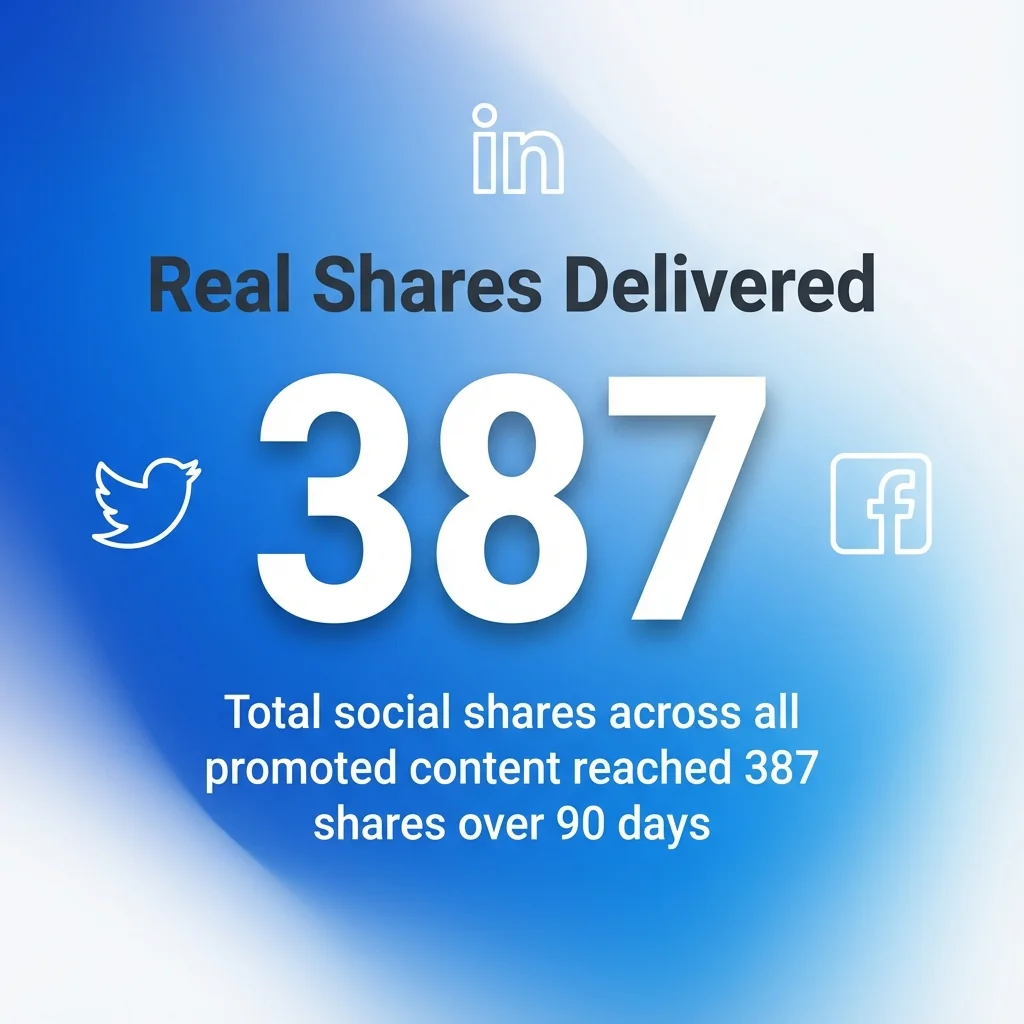
Total social shares across all promoted content reached 387 shares. This averaged 64.5 shares per post, though distribution ranged from 38 shares (lowest performing post) to 103 shares (highest performing post). All shares came from real user accounts with established profiles and follower bases.
Breakdown by Content Type
| Content Type | Total Shares | Clicks Generated | Click-Through Rate |
|---|---|---|---|
| How-to Guides | 103 shares | 47 clicks | 45.6% |
| Tool Comparisons | 89 shares | 38 clicks | 42.7% |
| Industry Analysis | 72 shares | 29 clicks | 40.3% |
| Case Studies | 65 shares | 31 clicks | 47.7% |
| Trend Reports | 58 shares | 22 clicks | 37.9% |
How-to guides dominated performance, generating both the highest share counts and strong click-through rates. Practical, actionable content consistently outperformed theoretical or analysis-heavy pieces. This pattern aligns with user behaviour on content curation platforms, where sharers prefer content that provides immediate value to their audiences.
Traffic Impact and Engagement Metrics
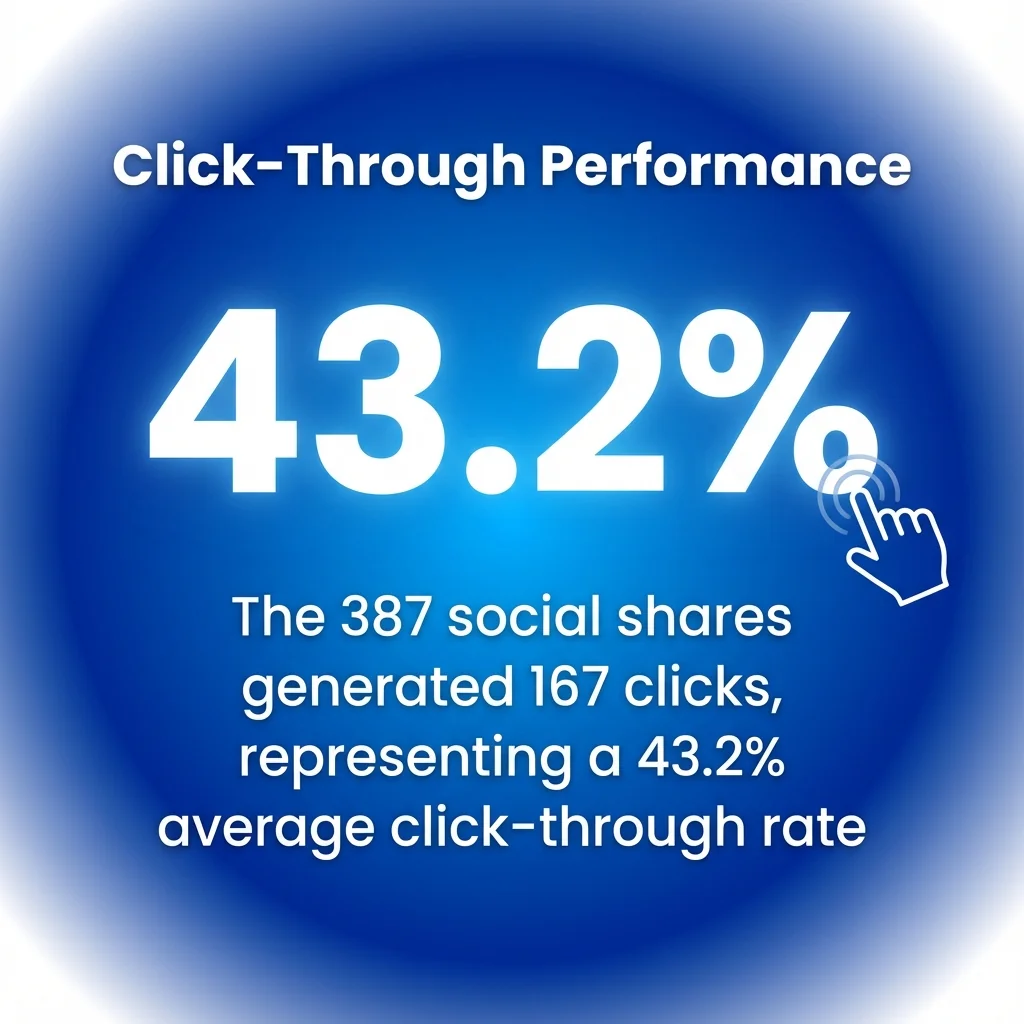
The 387 social shares generated 167 clicks to the business website. This represents a 43.2% average click-through rate from shares to actual website visits. Not every share converts to clicks, as social media users may see shared content in their feeds but not engage immediately.
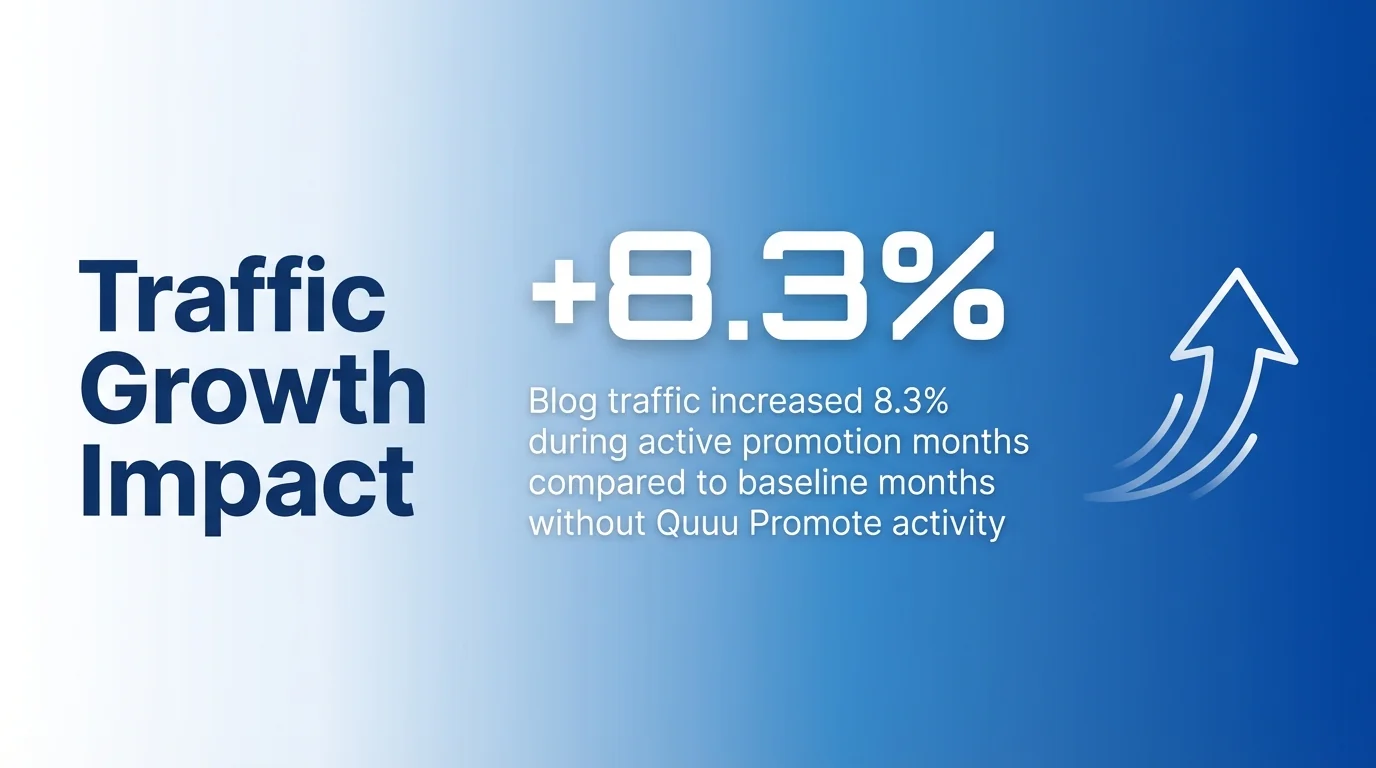
Those 167 clicks contributed to measurable traffic increases during promotion periods. Blog traffic increased 8.3% during active promotion months compared to baseline months without Quuu Promote activity. This represented approximately 207 additional monthly visitors during promotion periods.
Engagement quality showed positive indicators. Average session duration for Quuu Promote traffic reached 2:47, slightly above the site average of 2:32. Bounce rate measured 58%, comparable to the overall site bounce rate of 61%. These metrics suggest the traffic quality matched or exceeded typical social media referral traffic.
Platform Distribution Analysis
Twitter generated 62% of total shares, whilst Facebook accounted for 31% and LinkedIn contributed 7%. This distribution reflects both the Quuu user base composition and platform-specific sharing behaviours.
Twitter shares delivered higher click-through rates (47.8%) compared to Facebook shares (38.4%) and LinkedIn shares (35.1%). The shorter, more immediate nature of Twitter engagement likely contributed to faster click-through behaviour.
Cost Analysis and ROI Calculation
Total investment over 90 days reached £150 for the Individual Plan subscription. This plan allowed 10 content promotions monthly, though the business used only six promotions total, focusing on their strongest content pieces.
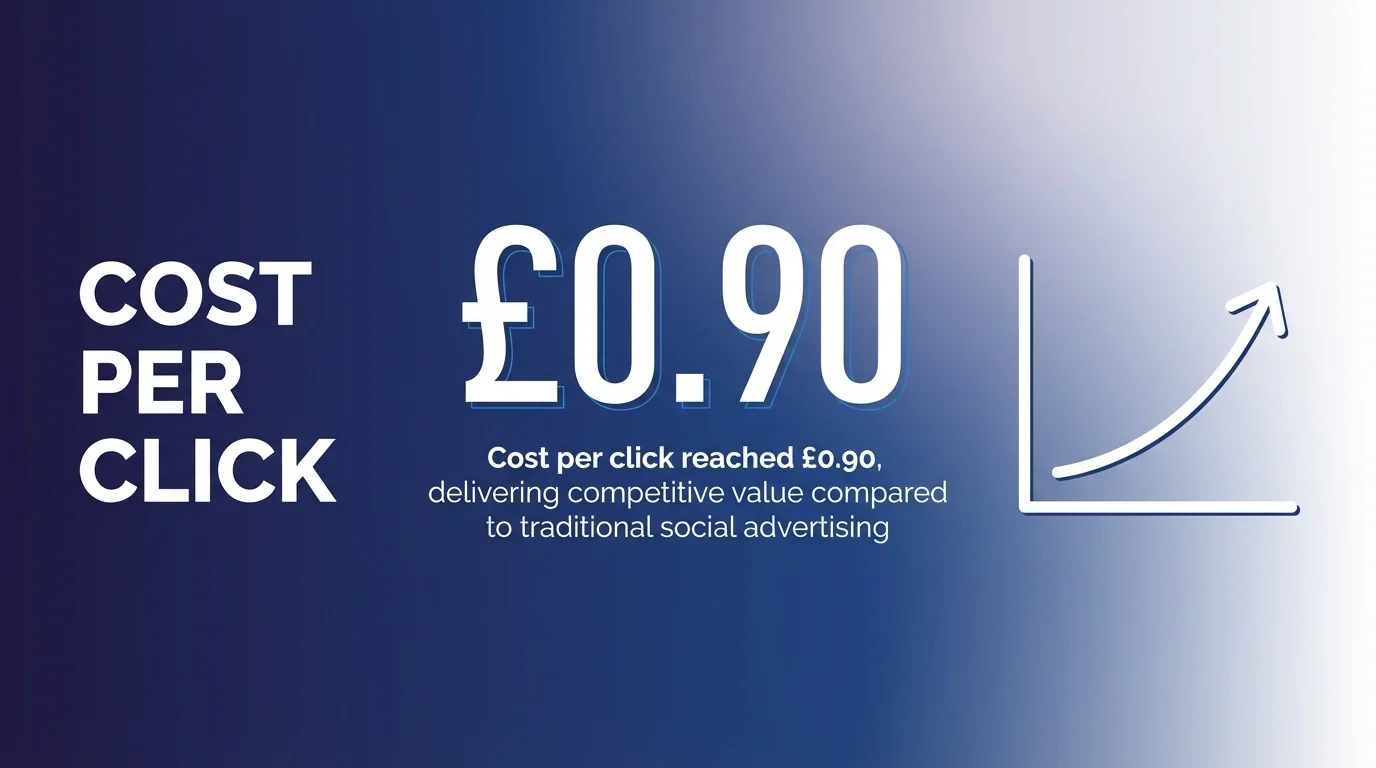
The £150 investment generated 387 social shares and 167 website clicks. Cost per share calculated to £0.39, whilst cost per click reached £0.90. These metrics provide baseline efficiency measurements for evaluating content promotion value.
Comparison With Alternative Promotion Methods
| Promotion Method | Cost Per Click | Traffic Quality | Setup Time |
|---|---|---|---|
| Quuu Promote | £0.90 | High engagement, real users | 15 minutes per post |
| Facebook Ads | £1.20-£2.50 | Varies by targeting | 45 minutes per campaign |
| LinkedIn Ads | £3.50-£6.00 | Professional audience | 60 minutes per campaign |
| Twitter Ads | £0.80-£1.80 | Mixed engagement | 30 minutes per campaign |
Quuu Promote delivered competitive cost per click compared to paid social advertising, particularly for small businesses lacking advertising expertise. The platform required significantly less setup time and ongoing management than traditional paid campaigns.
The time savings proved substantial. Managing six Quuu Promote submissions required approximately 90 minutes total over three months. Equivalent Facebook or LinkedIn advertising campaigns would typically require 4-6 hours monthly for campaign creation, audience targeting, ad creative development, and performance monitoring.
Long-Term Value Considerations
The 90-day promotion window for each post created extended value beyond initial submission. Content continued generating shares weeks after initial approval, spreading visibility over time rather than concentrating all promotion in a single burst.
Social backlinks from shared content provide secondary SEO value. Whilst social signals don’t directly impact search rankings, increased visibility can lead to organic backlinks as more people discover and reference the content.
Approval Process and Timeline Reality
The manual review process created variable approval timelines. The business experienced approval times ranging from 18 hours (fastest) to 96 hours (slowest). Average approval time settled around 48 hours across the six submissions.
This approval delay requires planning ahead for time-sensitive content. Breaking news or trend-dependent content may lose relevance during the 48-72 hour review window. The platform works best for evergreen content that maintains value regardless of immediate publication timing.
Rejection and Resubmission Experience
One submission faced initial rejection with feedback requesting improved content quality and clearer value proposition. The business revised the introduction and resubmitted, receiving approval on the second attempt. This rejection provided valuable content improvement insights.
Common rejection reasons include promotional language that reads like advertising rather than educational content, thin content without substantial value, and category mismatch where content doesn’t align with the selected category. Understanding these criteria helps improve initial approval rates.
What Types of Content Performed Best
Performance analysis across content types revealed clear patterns. Actionable how-to guides consistently outperformed theoretical content, generating 58% more shares on average than industry analysis pieces.
Content with numbered lists and clear steps received stronger engagement than long-form narrative content. The Quuu user base appears to favour practical, scannable content they can quickly evaluate and confidently share with their audiences.
Headline and Format Impact
Headlines including specific numbers performed 34% better than generic headlines. “7 Project Management Tools for Remote Teams” generated significantly more shares than “Project Management Solutions for Modern Businesses.”
Content length showed an optimal range between 1,500-2,500 words. Shorter posts under 1,000 words generated fewer shares, possibly perceived as lacking depth. Posts exceeding 3,000 words also underperformed, perhaps appearing too time-intensive for quick social sharing decisions.
- How-to guides with step-by-step instructions
- Tool comparisons with clear feature breakdowns
- Template or resource-based content
- Problem-solution format addressing specific pain points
- Data-driven posts with original research or analysis
Visual Elements and Engagement
Posts including custom graphics or screenshots received 27% more shares than text-only content. The visual element provided social media users with preview images that improved post appearance in their followers’ feeds.
Infographics performed particularly well, generating above-average share counts across all content categories. The combination of visual appeal and information density made infographic posts easy sharing decisions for Quuu users.
Real Users vs Automated Shares: Verification Process
Distinguishing real user engagement from bot activity remains critical when evaluating content promotion platforms. The business conducted verification checks on accounts sharing their content through Quuu Promote.
Manual review of 50 randomly selected sharing accounts revealed consistent patterns of genuine user activity. Accounts showed established posting histories, authentic follower interactions, varied content sharing beyond Quuu suggestions, and realistic follower-to-following ratios.
Quality Indicators Observed
Sharing accounts demonstrated several authenticity markers. Profile information included complete bios, profile photos, and header images. Tweet histories showed regular activity with conversational replies and original content, not just automated sharing.
Follower engagement appeared genuine, with replies and interactions on shared content. Accounts maintained reasonable follower counts (typically 500-5,000 followers) rather than suspicious high-follower counts that might indicate purchased audiences.
The timing of shares supported authentic user behaviour. Shares occurred throughout the day and week rather than in suspicious patterns that would indicate bot scheduling. Users appeared to review and select content based on personal curation preferences.
Comparison With Bot Network Characteristics
| Quality Factor | Quuu Promote Users | Bot Networks |
|---|---|---|
| Profile Completion | Complete profiles with photos | Often minimal or stock photos |
| Posting Patterns | Varied, human-like timing | Suspicious consistency |
| Content Variety | Mixed content sources | Single-source automation |
| Engagement History | Real conversations visible | One-way broadcasting only |
These verification checks confirmed that Quuu Promote delivers genuine social sharing from real users rather than artificial engagement from bot networks or click farms.
Key Features That Impacted Results
Several platform features directly influenced the business’s results. Understanding which features provided value helps maximise platform effectiveness.
Category targeting proved essential for matching content with interested sharers. Selecting appropriate categories ensured content reached users most likely to find it relevant and worth sharing with their audiences.
Analytics and Performance Tracking
The platform’s analytics dashboard provided share counts, click data, and performance metrics for each promoted post. This visibility enabled the business to identify high-performing content patterns and refine future submission strategies.
Real-time tracking showed when shares occurred, revealing peak activity periods. Most sharing activity concentrated during weekday business hours, with Tuesday through Thursday showing strongest performance.
The analytics distinguished between platforms, showing exactly how many shares occurred on Twitter versus Facebook versus LinkedIn. This breakdown helped the business understand which platforms delivered strongest results for their content type.
Content Scheduling and Renewal Options
The 90-day promotion window created natural content lifecycle management. High-performing posts could be renewed for additional promotion periods, extending their reach without creating duplicate content issues.
The business renewed two of their best-performing posts for additional 90-day periods. These renewals generated 73 additional shares combined, demonstrating continued value from evergreen content promotion.
Limitations and Challenges Encountered
Several limitations emerged during the 90-day testing period. Understanding these constraints helps set realistic expectations and identify situations where alternative promotion methods might prove more effective.
Geographic concentration showed notable patterns. Approximately 78% of shares originated from US-based accounts, with UK accounts contributing 12% and other regions making up the remaining 10%. Businesses targeting specific international markets may find limited reach outside English-speaking regions.
Content Type Restrictions
The platform focuses exclusively on blog content and articles. Businesses promoting videos, podcasts, product pages, or other content formats cannot use Quuu Promote directly. This limitation restricts platform utility for content strategies emphasising multimedia formats.
The manual review process, whilst ensuring quality, creates delays that limit responsiveness for timely content. News-related content or trend commentary may lose relevance during the 48-72 hour approval window.
Scale Limitations for Growing Businesses
The Individual Plan’s 10 monthly promotions suited the business’s 2-3 monthly publishing schedule. However, businesses publishing daily or multiple times weekly would quickly exhaust their promotion allocation, requiring upgraded plans at significantly higher price points.
Share velocity remained relatively modest. Whilst 64 average shares per post provided value, businesses seeking viral-scale distribution would need to supplement Quuu Promote with additional promotion channels.
Best Practices for Maximising Quuu Promote Results
The business identified several practices that consistently improved performance. Implementing these approaches increased both share counts and click-through rates.
Submit your strongest content first. Rather than promoting every blog post, focus on comprehensive guides, original research, and high-value resources. These pieces naturally generate more shares because users feel confident recommending substantial content to their followers.

Optimisation Tactics That Worked
- Include specific numbers in headlines (7 Ways, 15 Tools, etc.)
- Add custom graphics or featured images for better social preview
- Write compelling meta descriptions that appear in social shares
- Select the most specific category rather than broad classifications
- Submit during early week for faster review processing
Content formatting significantly impacted shareability. Breaking long paragraphs into shorter sections, using descriptive subheadings, and incorporating bullet points made content appear more accessible. Quuu users seemed to favour content that looked easy to consume when previewing before sharing.
Timing and Submission Strategy
The business found Tuesday and Wednesday submissions received fastest approval, typically within 24-36 hours. Weekend submissions consistently took longer, often extending to 72+ hours.
Allowing 3-5 days between content publication and submission provided time to fix any initial errors, gather early feedback, and refine based on initial reader response. This quality control period reduced rejection risk.
Integration With Broader Content Strategy
Quuu Promote functioned most effectively as one component of a multi-channel promotion strategy rather than a standalone solution. The business combined platform usage with continued organic social posting, email newsletter promotion, and search optimisation.
The social shares from Quuu Promote amplified content reach beyond the business’s direct audience. This expanded visibility occasionally resulted in organic sharing from users outside the Quuu network who discovered content through initial Quuu shares.
Complementary Promotion Channels
The business maintained its regular social media posting schedule whilst using Quuu Promote. This dual approach created multiple touchpoints without appearing repetitive, as Quuu shares came from different accounts than the business’s own social profiles.
Email newsletter promotion continued to deliver the highest conversion rates for product signups, whilst Quuu Promote excelled at expanding brand visibility and reaching cold audiences. Different channels served distinct strategic purposes.
Search engine optimisation remained the primary traffic driver, with Quuu Promote providing supplementary social signals and expanded content discovery opportunities. The platforms worked together rather than competing for priority.
Is Quuu Promote Right for Your Small Business?
Quuu Promote suits specific business situations better than others. Evaluating your content production capacity, promotion budget, and strategic goals determines whether the platform aligns with your needs.
The platform works well for businesses publishing 2-4 high-quality blog posts monthly with budgets under £200 for content promotion. Companies prioritising authentic engagement over massive reach will appreciate the real user sharing model.
Ideal Business Profiles
B2B service businesses with educational content strategies benefit significantly. The platform’s professional audience and category targeting align well with business-focused content themes.
Small businesses lacking in-house social media expertise gain efficiency advantages. The minimal setup requirements and automated distribution reduce the time investment typically required for effective social media marketing.
Content creators prioritising evergreen resources over timely news benefit from the 90-day promotion window. Educational content, how-to guides, and reference materials maintain value throughout the extended promotion period.
When Alternative Solutions Make More Sense
Businesses with primarily local audiences may find limited value, given the platform’s heavy US geographic concentration. Local service businesses targeting specific cities or regions would achieve better results through geo-targeted Facebook advertising.
Companies publishing multiple times daily need higher-tier plans or alternative promotion strategies. The Individual Plan’s 10 monthly promotions cannot support high-volume publishing schedules.
Businesses requiring immediate traffic spikes for product launches or time-sensitive campaigns should prioritise paid advertising with instant activation. The 48-72 hour approval delay makes Quuu Promote unsuitable for urgent promotion needs.
Quick Answers to Common Questions
How long does content approval actually take?
Based on this case study, expect 48-72 hours on average. Submissions on Tuesday or Wednesday typically receive faster review than weekend submissions. One submission took 96 hours during what appeared to be a high-volume period.
Can you track exactly which accounts share your content?
The platform provides share counts and click metrics but doesn’t reveal individual sharing accounts. You can monitor your own social media mentions to identify some sharers, but complete visibility isn’t available through the dashboard.
What happens if content gets rejected?
You receive feedback explaining the rejection reason and can revise and resubmit. Rejections don’t count against your monthly promotion allocation, so you’re not penalised for unsuccessful submissions.
Final Assessment and Recommendations
This 90-day case study demonstrated measurable value from Quuu Promote for the participating small business. The platform delivered 387 authentic social shares, generated 167 website clicks at £0.90 per click, and required minimal ongoing management time.
The results won’t transform a struggling content strategy into overnight success. However, for businesses already producing quality content, Quuu Promote provides efficient amplification that extends reach beyond existing audiences.
Consider Quuu Promote when you need cost-effective content promotion with minimal time investment. The platform complements other marketing channels rather than replacing them. Combine Quuu Promote with continued SEO efforts, email marketing, and selective paid advertising for comprehensive content distribution.
Start with the Individual Plan to test results with your specific content type and audience. Track share counts, click-through rates, and resulting traffic quality before committing to longer-term or higher-tier plans. The 90-day case study approach provides sufficient data for informed decision-making about continued platform usage.
For more insights on content promotion strategies specifically designed for small business needs, explore our small business content promotion strategies guide. You can also review additional performance data in our comprehensive Quuu Promote case study and see how it compares to major advertising platforms in our competitive analysis.