B2B social media scheduling isn’t just about posting content. It’s about reaching decision-makers when they’re most receptive to your message.
The truth is, 84% of B2B buyers rely on social media for insights during their purchasing journey. That means your content needs to appear consistently, strategically, and at precisely the right moments.

Your scheduling strategy determines whether your content reaches prospects during their research phase or gets lost in the noise. This guide shows you how to build a social media scheduling approach that aligns with B2B buying cycles, maximises team efficiency, and delivers measurable results.
You’ll learn how to create content calendars that support long sales cycles, choose the right scheduling tools for complex approval workflows, and optimise your posting schedule for each platform. We’ll cover templates that simplify planning, collaboration features that streamline team coordination, and analytics that prove your social media impact.
By the end, you’ll have a complete framework for managing your B2B social media presence without the daily scramble to find something to post.
What B2B Social Media Scheduling Actually Means
Social media scheduling is the practice of planning and automating your content publication across multiple platforms. For B2B brands, this goes beyond simple automation.
You’re coordinating content that supports complex buying journeys. Your prospects might consume a dozen pieces of content over several months before engaging with sales.
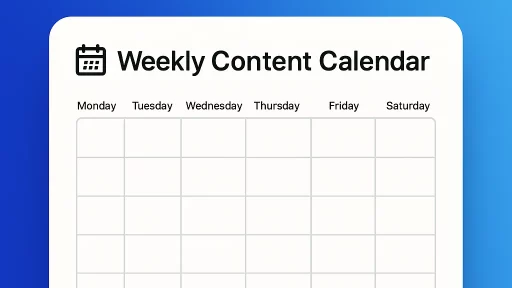
A content calendar becomes your central planning tool. It maps out what you’ll publish, when it goes live, and which platforms receive each piece.
Social media management involves the broader process of creating, scheduling, publishing, and analysing your content. Scheduling is one crucial component of this larger strategy.
B2B social media differs fundamentally from consumer marketing. Your audience includes procurement managers, technical evaluators, and senior executives. Each persona consumes content differently and makes decisions on varying timelines.
Your posting schedule needs to account for business hours across time zones. Unlike B2C brands that might post at evenings and weekends, B2B content typically performs best during working hours when your audience is actively researching solutions.
Why Scheduling Matters More for B2B Than B2C
B2B buying cycles stretch across weeks or months. A single prospect might engage with your content multiple times before taking action.
Consistent publishing builds familiarity. When prospects see your brand regularly sharing valuable insights, you become a trusted resource rather than just another vendor.
Your sales team benefits too. Scheduled content creates touchpoints they can reference in conversations and share directly with prospects.
The Components of Effective B2B Scheduling
Planning ahead allows you to align social content with product launches, events, and campaigns. You’re not just filling a calendar. You’re supporting specific business objectives.
Team collaboration becomes essential when multiple people contribute to content creation. Marketing writes the copy, designers create visuals, and subject matter experts provide technical validation.
Publishing consistency maintains your brand presence. Gaps in your posting schedule signal inactivity to your audience and algorithm alike.
Why B2B Brands Need a Social Media Content Calendar
Now that you understand what B2B social media scheduling involves, you need a system to make it work consistently. That’s where your content calendar becomes essential.
A content calendar transforms random posting into strategic communication. It gives your entire team visibility into what’s being published and when.
Without a calendar, you’re constantly reacting. Someone remembers you haven’t posted today, scrambles to create something, and pushes out content that doesn’t connect to your broader strategy.
With proper content planning, you align every post with your marketing goals. Product launch next month? Your calendar shows the awareness content you’ll publish weeks in advance.
Strategic Benefits of Calendar-Based Planning
Content calendar templates help you spot gaps before they become problems. You’ll see immediately if you’re overposting on LinkedIn whilst neglecting Twitter.
Your messaging stays consistent across platforms. When everyone works from the same calendar, contradictory messages don’t slip through.
Campaign coordination becomes simpler. You can plan supporting social content alongside email campaigns, webinars, and other initiatives.
| Planning Approach | Content Quality | Team Efficiency |
|---|---|---|
| Daily ad-hoc posting | Inconsistent messaging | High stress, low output |
| Weekly batch scheduling | More strategic alignment | Moderate improvement |
| Monthly calendar planning | Strategic, cohesive content | Maximum efficiency |
How Calendars Support Long B2B Sales Cycles
B2B prospects need multiple touchpoints. Your calendar ensures you’re nurturing relationships over time rather than going silent after initial contact.
You can map content to each stage of the buying journey. Awareness content introduces your category, consideration content compares approaches, and decision content addresses specific objections.
Analytics become more meaningful when you track performance over weeks and months. You’ll identify which topics resonate during different buying stages.
Essential Components of a B2B Social Media Scheduling Strategy
With your content calendar established as your planning foundation, you need the strategic elements that make scheduling work for B2B contexts. These components separate effective B2B social media from ineffective busywork.
Your social media strategy defines what you’ll publish and why. It connects your posting schedule to business outcomes like lead generation, brand awareness, and customer education.
Platform selection matters enormously for B2B brands. Your audience concentrates on specific platforms, and spreading yourself too thin dilutes your impact.
Platform Priorities for B2B Brands
LinkedIn dominates B2B social media. Decision-makers actively use it for professional development and vendor research. Your LinkedIn presence deserves priority attention and resources.
Facebook still reaches certain B2B audiences, particularly small business owners. Community groups and business pages offer engagement opportunities that complement your owned channels.
Instagram works for B2B brands with strong visual stories. Technology companies, architecture firms, and design agencies can showcase work effectively through images and short videos.
Twitter facilitates real-time industry conversations. It’s valuable for thought leadership, customer service, and connecting with industry influencers.
Content Types That Support B2B Goals
Educational content positions your brand as a trusted advisor. Share insights that help prospects solve problems, even before they’re ready to buy.
Video content performs exceptionally well across all platforms. Short explainer videos, product demonstrations, and customer testimonials drive higher engagement than text alone.
Graphics and infographics make complex information digestible. B2B topics often involve technical details that benefit from visual representation.
Text-based posts still matter, especially on LinkedIn. Well-crafted perspectives and analysis spark conversations and demonstrate expertise.
Establishing Your Posting Frequency
Publishing consistency matters more than volume. Post three times weekly on a regular schedule rather than seven posts one week and none the next.

Quality always trumps quantity in B2B contexts. One valuable insight per week outperforms daily promotional content that your audience ignores.

Test different frequencies to find your optimal cadence. Monitor engagement and adjust your posting schedule based on actual performance data.
How to Build Your B2B Social Media Content Calendar
You’ve established why calendars matter and what strategic elements they need. Now you’re ready to build a calendar that actually gets used.
Start by auditing your existing content. What topics have you covered? Which posts performed well? Where are the gaps in your subject matter coverage?
Content planning begins with understanding your audience’s information needs at each stage of their buying journey.
Step One: Map Content to Business Objectives
List your quarterly business goals. Are you launching a product? Entering a new market? Building awareness in a specific industry vertical?
Identify the content themes that support each objective. Product launch requires educational content explaining the problem you solve, preview content building anticipation, and launch content driving action.
Assign rough percentages to each theme. Perhaps 40% educational, 30% thought leadership, 20% product content, and 10% company culture.
Step Two: Choose Your Calendar Format
Spreadsheet calendars work well for small teams. Create columns for date, platform, content type, topic, status, and owner.
Dedicated social media scheduling tools offer visual calendar views. You can drag and drop posts, see your entire month at a glance, and spot scheduling conflicts immediately.
Project management tools like Asana or Trello can double as content calendars. Add custom fields for platform, publish date, and approval status.
Step Three: Plan Your Content Mix
Use the 80/20 rule as a starting point. Eighty per cent of your content should educate, inform, or entertain. Twenty per cent can directly promote your products.

Vary your content formats. Mix articles, videos, infographics, polls, and user-generated content to maintain audience interest.
Schedule posts at consistent times. Your audience will develop habits around when they expect to see your content.
Step Four: Build in Flexibility
Reserve slots for timely content. Industry news, trending topics, and reactive posts keep your feed feeling current.
Create a content bank of evergreen posts. When you have gaps or unexpected schedule changes, you’ve got quality content ready to publish.
Review and adjust monthly. What’s working? What’s underperforming? Use these insights to refine next month’s calendar.
| Calendar Element | Purpose | Frequency |
|---|---|---|
| Core content pillars | Consistent themes | Weekly rotation |
| Campaign content | Support initiatives | Aligned to launches |
| Engagement posts | Build community | 2-3 times weekly |
| Curated content | Add value, build relationships | Weekly |
| Reactive content | Stay relevant | As needed |
Best Social Media Scheduling Templates for B2B
Building a calendar from scratch takes time. Templates accelerate your setup and ensure you don’t miss critical components.
Ready-made content calendar templates give you structure whilst allowing customisation for your specific needs.
Monthly Planning Templates
Monthly templates provide the broadest view of your content strategy. You can see how themes develop over weeks and ensure balanced coverage of your key topics.
Include columns for date, day of week, platform, content type, topic, copy, visual assets, link, and owner. Add a status column to track creation, approval, and publication stages.
Colour-code by content type or platform. Visual differentiation helps you quickly assess whether your mix looks balanced.
Weekly Batch Templates
Weekly templates work well for teams that batch-create content. You can plan one week at a time whilst maintaining focus on immediate priorities.
Structure each week around a central theme. All posts that week support the same big idea, creating cohesive messaging across platforms.
Include sections for post copy, hashtags, visual requirements, and optimal posting times for each platform.
Campaign-Specific Templates
Product launches, events, and major announcements need dedicated planning templates. These map supporting social content across the entire campaign timeline.
Create phases: pre-announcement, launch week, and post-launch nurture. Each phase has different content goals and messaging approaches.
Coordinate with other marketing channels. Your social posts should complement email campaigns, blog content, and sales outreach.
Platform-Specific Templates
LinkedIn content requires different planning than Twitter or Instagram. Platform-specific templates account for unique format requirements and best practices.
LinkedIn templates include space for longer-form text, article links, and document posts. Track which posts you’ll boost and budget accordingly.
Instagram templates prioritise visual planning. Include thumbnail previews so you can see how your grid will look.
Top Social Media Scheduling Tools for B2B Teams
Templates provide structure, but tools provide power. The right social media scheduling platform transforms your calendar into an operational system.
B2B teams need different features than consumer brands. You require approval workflows, team collaboration capabilities, and analytics that connect to business outcomes.
Enterprise Social Media Management Platforms
Hootsuite remains a popular choice for B2B teams. The platform offers a visual planner, bulk scheduling, and best-time-to-post recommendations.

The tool supports team collaboration with approval workflows. Multiple team members can create content whilst managers maintain final approval authority.
Analytics dashboards track performance across all connected platforms. You can create custom reports that show metrics meaningful to your business.
Oktopost specialises in B2B social media. The platform integrates social engagement data with CRMs and marketing automation platforms.

This integration lets you track which social interactions influence pipeline and revenue. You can see exactly which posts generated leads and how those leads progressed.
Employee advocacy features enable your team to share company content from their personal profiles. This amplifies reach whilst maintaining brand message consistency.
Mid-Market Scheduling Solutions
Buffer offers straightforward scheduling without overwhelming complexity. The clean interface makes it easy for teams new to social media management.
Queue-based scheduling automatically fills your calendar based on optimal posting times. Add content to your queue and Buffer distributes it according to your set schedule.
Analytics focus on engagement metrics like clicks, likes, and shares. The platform provides clear visualisations of what’s working.
Planable excels at team collaboration. The platform emphasises multi-account scheduling and collaboration features.

Visual calendar views show your content across platforms. Drag-and-drop functionality makes rescheduling simple when priorities shift.
Approval workflows include feedback and revision tracking. Comments and suggestions stay attached to each post throughout the creation process.
All-in-One Marketing Platforms
HubSpot includes social media scheduling within its broader marketing suite. This integration connects social activity with email campaigns, landing pages, and lead tracking.

You can schedule posts directly from blog articles or other content. The platform suggests optimal posting times based on when your audience is most active.
Reporting connects social media metrics to marketing-qualified leads and customers. You can attribute revenue to specific social campaigns.
Metricool combines features many B2B teams need. The platform merges scheduling, analytics, and ads management in a single interface.

Competitive analysis features let you track how your performance compares to competitors. You’ll see their posting frequency, engagement rates, and content strategies.
Automated reporting saves time on monthly performance reviews. Schedule reports to generate and email automatically.
Selecting the Right Tool for Your Team
Consider your team size and structure. Small teams benefit from simpler tools with shorter learning curves. Large enterprises need sophisticated approval workflows.
Evaluate integration requirements. Does the tool connect with your CRM, marketing automation platform, and analytics tools?
Test multiple platforms before committing. Most offer free trials that let you experience the interface and feature set firsthand.
Platform-Specific Scheduling Best Practices
You’ve selected your scheduling tools. Now you need to optimise your approach for each platform’s unique characteristics and audience behaviours.
Each social platform has distinct user expectations, content formats, and algorithm priorities. Your posting schedule must adapt accordingly.
LinkedIn Scheduling Strategy
LinkedIn drives the highest-quality B2B engagement. Focus your best content and most consistent scheduling here.
Post during business hours in your audience’s time zones. Tuesday through Thursday between 9am and 2pm typically performs well.
Native content outperforms external links. Write your insights directly in LinkedIn rather than always linking to blog posts.
Mix content types strategically. Alternate between text posts, articles, videos, polls, and document posts to maintain feed variety.
Employee advocacy amplifies your reach. Encourage team members to engage with and share company content from their personal profiles.
Twitter for B2B Engagement
Twitter rewards higher frequency than other B2B platforms. Post 3-5 times daily to maintain visibility in fast-moving feeds.
Join industry conversations using relevant hashtags. Monitor keywords related to your expertise and contribute valuable perspectives.
Share a mix of original thoughts, curated content, and responses to others. Twitter success comes from being genuinely social, not just broadcasting.
Schedule core content in advance but leave room for real-time engagement. The platform’s conversational nature requires active participation.
Facebook Pages for Business Audiences
Facebook reaches different B2B segments than LinkedIn. Small business owners and certain industries maintain active presence here.
Post 3-4 times weekly rather than daily. Facebook’s algorithm rewards engagement quality over posting frequency.
Visual content performs exceptionally well. Use images and videos to increase post visibility in crowded newsfeeds.
Leverage Facebook Groups for community building. While you schedule content to your page, active group participation creates deeper relationships.
Instagram for Visual B2B Storytelling
Instagram suits B2B brands with visual stories to tell. Architecture, design, manufacturing, and technology companies find success here.
Post consistently, ideally 3-5 times per week. Instagram’s algorithm favours accounts that publish regularly.
Use Stories for behind-the-scenes content and timely updates. Stories disappear after 24 hours, making them perfect for less polished, more authentic content.
Plan your grid aesthetically. Preview how posts will look together before scheduling. Visual cohesion builds brand recognition.
Measuring Success Through Analytics and Performance Tracking
Scheduling content consistently is necessary but insufficient. You must measure what’s working and adjust your strategy accordingly.
Analytics transform your social media from an expense into an investment. You can prove impact and allocate resources to the highest-performing activities.
Key Metrics for B2B Social Media
Engagement rate measures how your audience interacts with content. Calculate it by dividing total engagements by total followers, then multiplying by 100.
Click-through rate shows how effectively posts drive traffic. This metric directly connects social media to website visits and conversions.
Follower growth indicates expanding reach. Track not just total followers but growth rate and follower quality.
Conversion metrics matter most for B2B brands. How many social media visitors become leads? Which posts generate the most qualified prospects?
| Metric Category | What It Measures | Why It Matters |
|---|---|---|
| Reach metrics | Audience size and impressions | Brand awareness growth |
| Engagement metrics | Likes, comments, shares | Content resonance |
| Traffic metrics | Click-throughs to website | Interest in your solutions |
| Conversion metrics | Leads and customers | Business impact |
Connecting Social Media to Business Outcomes
Use UTM parameters on all shared links. These tracking codes let you see exactly which social posts drive website traffic in Google Analytics.

Set up conversion tracking in your analytics platform. Monitor how social visitors progress through your funnel compared to other traffic sources.
Integrate social data with your CRM. Track which social interactions influence deals and revenue.
Optimising Based on Performance Data
Review metrics weekly for tactical adjustments. Which post types and topics drove the most engagement this week?
Conduct monthly deep dives into performance trends. Are certain platforms consistently outperforming others? Should you reallocate effort?
Test systematically rather than guessing. Try different posting times, content formats, and messaging approaches. Measure results and scale what works.
Compare performance against your own benchmarks rather than industry averages. Your goal is improving your own results, not matching someone else’s metrics.
Reporting That Demonstrates Value
Create executive dashboards that connect social activity to business goals. Show how social media supports pipeline growth, not just engagement numbers.
Tell stories with your data. Rather than listing statistics, explain what the numbers mean for the business.
Include both successes and learnings. What didn’t work teaches you as much as what succeeded.
Social media scheduling transforms from overwhelming to manageable when you have the right systems. Your content calendar provides structure, scheduling tools handle the mechanics, and analytics guide your optimisation.
Start with the platform that matters most to your audience. For most B2B brands, that’s LinkedIn. Build a sustainable posting schedule there before expanding to other channels.
Choose a scheduling tool that fits your team’s size and workflow. Test the free trials before committing to ensure the interface and features match your needs.
Plan your content monthly but review performance weekly. This balance gives you strategic direction whilst allowing tactical adjustments based on what’s working.
Your first step is downloading a content calendar template and mapping out next month’s content. Block two hours this week to build your initial calendar. That single planning session eliminates weeks of daily scrambling.
Consistent, strategic social media presence builds trust with prospects over time. Your scheduling strategy ensures you’re there when they’re ready to engage.