Finding trending topics starts with leveraging the right tools. Ahrefs Keywords Explorer provides search volume data with historical trends, helping you distinguish growing keywords from declining ones at a glance.

This capability transforms your content strategy from guesswork into data-driven decisions.
The platform’s historical trend graphs show exactly when interest surged or dropped. This insight is particularly valuable for content creators planning editorial calendars around topics that will actually attract search traffic. Rather than publishing about yesterday’s news, you can identify topics gaining momentum today.
Beyond basic search volumes, Ahrefs reveals patterns across platforms. YouTube content creators benefit from dedicated keyword research features that surface trending video topics before they become saturated. Social media marketers can track hashtag performance and engagement metrics.
This guide walks through practical methods for discovering trending topics using Ahrefs alongside complementary discovery tools.
Why Discovering Trending Topics Matters for Your Content
Trending topics represent opportunities to capture audience attention when interest peaks.
Creating content around current trends increases your chances of appearing in search results when users actively seek information. Search engines prioritise freshness for time-sensitive queries. Google’s Query Deserves Freshness algorithm boosts recently updated pages for queries signaling current needs, such as searches including the current year.

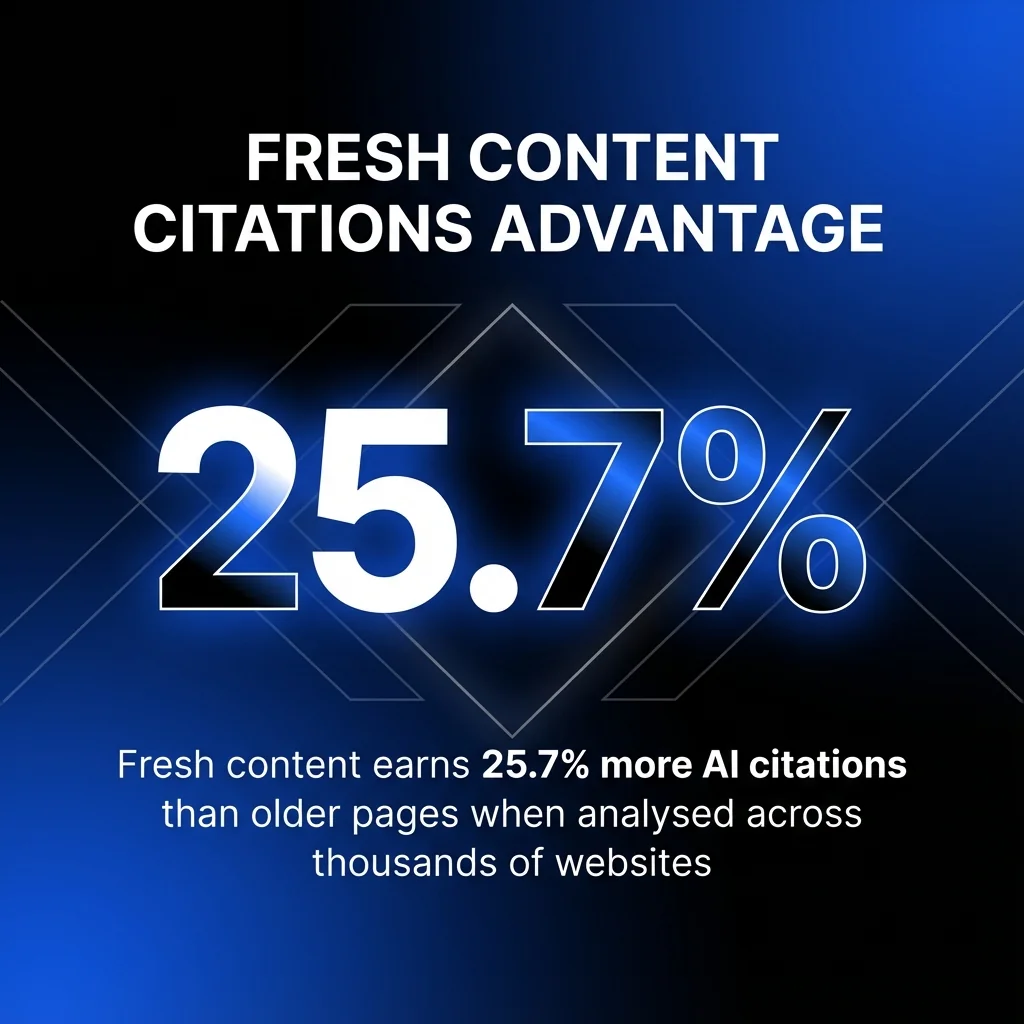
Research shows the tangible benefits of timely content. Fresh content earns 25.7% more AI citations than older pages when analysed across thousands of websites. This advantage extends beyond traditional search to emerging discovery channels.
Trending topics also reveal what your audience genuinely cares about right now. Instead of assuming interest based on historical data, you respond to demonstrated demand. This alignment between your content and audience needs drives higher engagement rates and social sharing.
Understanding trends helps you allocate resources effectively. You can prioritise content creation efforts on topics with documented growth rather than investing time in declining areas.
Use Google Trends to Identify Rising Search Interest
Now that you understand why trending topics matter, let’s explore discovery methods starting with the most accessible tool.
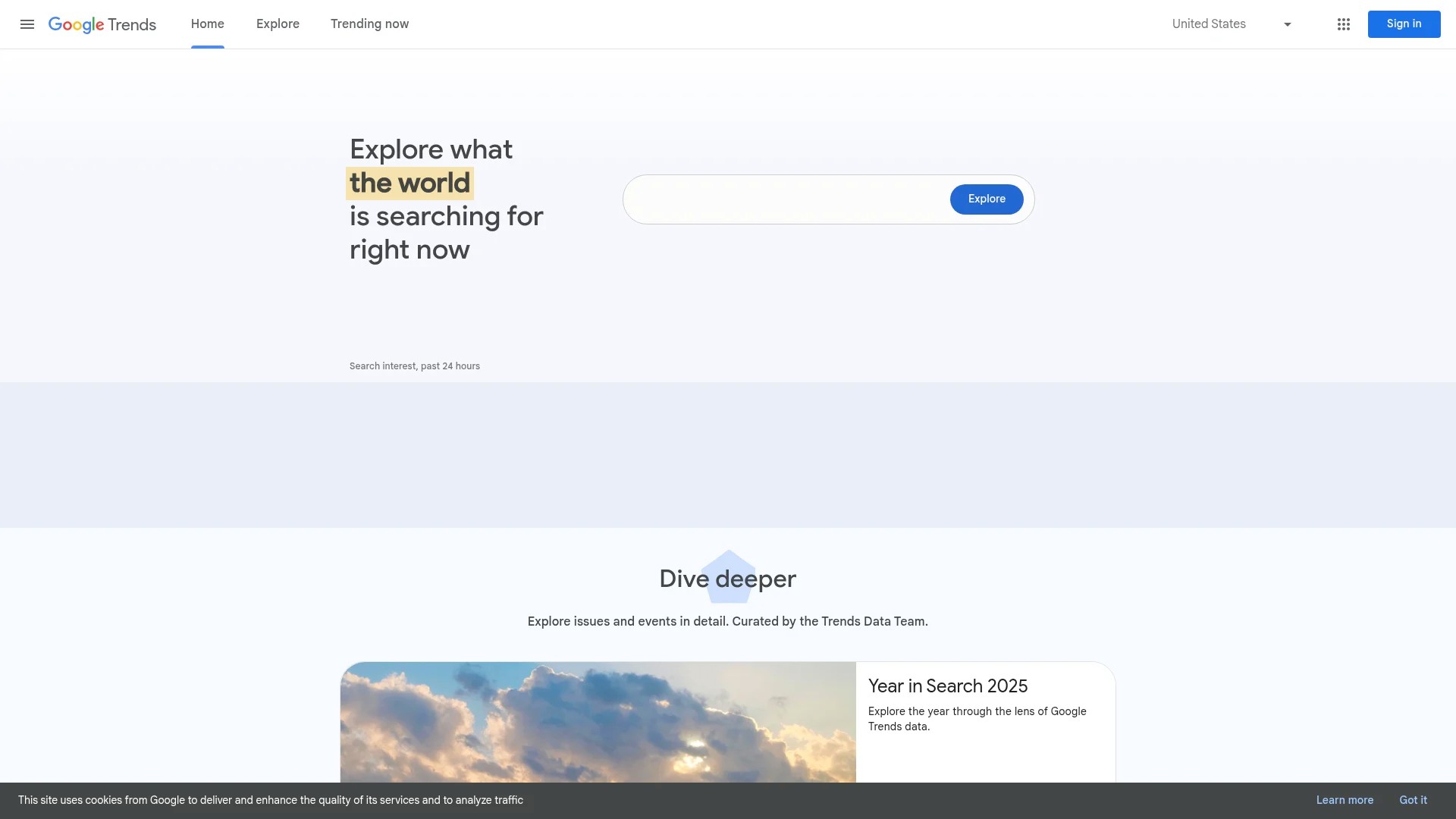
Google Trends provides free access to search behaviour data across regions and timeframes. The platform shows whether interest in specific keywords is rising, stable, or declining.
Navigate Trending Searches and Explore Categories
Start by visiting the trending searches section. This area highlights topics experiencing significant search volume increases within the past 24 hours. You’ll find breaking news, viral content, and emerging discussions across various categories.
The explore feature allows deeper investigation. Enter your seed keyword or topic area to view historical search volume patterns. Adjust the timeframe from the past hour to several years back, revealing seasonal patterns and long-term trends.
Geographic filtering shows where interest concentrates. A topic trending in one region might present opportunities in markets where awareness hasn’t yet peaked.
Compare Multiple Keywords to Find Growth Opportunities
Google Trends excels at comparative analysis. Add up to five keywords simultaneously to visualise which terms gain traction relative to alternatives.
This comparison reveals shifting preferences. You might discover that whilst one product category declines, a related niche experiences growth. These insights inform content strategy adjustments before competitors recognise the shift.
Related queries appear at the bottom of results pages. These suggestions often surface emerging terms and phrases gaining search volume. Monitor the “rising” queries section specifically for trending variations of your core topics.
Discover Trending Topics Through Ahrefs Keywords Explorer
With Google Trends providing broad visibility into search interest, Ahrefs Keywords Explorer adds depth through historical data and competitive intelligence.
Ahrefs enables users to identify trending topics through Keywords Explorer, which provides search volume data including historical trends via a graph icon next to the search volume metric. This visualisation helps prioritise high-growth keywords over declining ones.
Analyse Historical Search Volume Patterns
Enter your seed keyword into Keywords Explorer. The search volume metric displays current monthly searches, but the graph icon reveals historical patterns spanning multiple years.
Click the graph to view volume trends over time. Look for consistent upward trajectories indicating sustained growth rather than temporary spikes. Seasonal patterns become apparent, helping you time content publication for maximum impact.
Filter results by search volume thresholds to focus on topics with meaningful audience size. Low-volume keywords might trend upwards but still represent limited opportunity.
Explore the Matching Terms Report for Topic Variations
Using Ahrefs Keywords Explorer’s ‘Matching terms’ report with filters for specific words reveals demand for product features within seed keywords. This approach uncovers niche trending topics within broader categories.
Apply filters to isolate trending variations. For example, searching “dog harness” and filtering for terms containing “no pull” might reveal growing interest in specific harness types.
Sort the matching terms by search volume growth percentage rather than absolute volume. This sorting prioritises emerging topics before they become competitive.
Find Trending Video Content on YouTube
Search trends extend beyond traditional web searches into video platforms where discovery patterns differ significantly.
YouTube’s trending tab showcases videos gaining rapid views and engagement. However, discovering content that resonates requires understanding both what’s currently popular and what’s emerging.
Navigate the Trending Tab for Current Popular Topics
Access YouTube’s trending section through the sidebar menu. The platform categorises trending videos into music, gaming, news, and general content.
Examine thumbnails and titles for patterns. Certain topics, formats, or presentation styles might dominate trending content in your niche. These patterns suggest approaches that currently resonate with viewers.
Note the publication dates of trending videos. Content reaching trending status within hours of publication indicates strong initial momentum. Videos trending days after publication suggest sustained interest.
Use Ahrefs for YouTube Keyword Research
For YouTube content, Ahrefs Keywords Explorer offers dedicated keyword research with search volume data, keyword difficulty scores, and related suggestions to distinguish growing from declining topics.
Switch Keywords Explorer to YouTube mode from the search engine dropdown. Enter your video topic to retrieve YouTube-specific search volumes rather than web search data.
The historical trends feature on higher-tier plans reveals whether interest in specific video topics grows or contracts. This data informs content planning for YouTube channels seeking sustainable growth.
Related suggestions surface adjacent topics your target audience searches for. These connections might inspire content series or video topics that appeal to similar viewer interests.
Track Trending Hashtags Across Social Media Platforms
Beyond search engines and YouTube, social media platforms surface trending topics through hashtags and engagement signals.
Each platform’s algorithm identifies content gaining momentum. Understanding how to access and interpret these signals helps you stay ahead of content strategy trends unfolding in real-time.
Monitor Twitter’s Trending Topics
Twitter displays trending topics prominently in the sidebar and explore tab. These trends reflect current conversations within your geographic region or globally.
Click trending hashtags to view the conversation volume and sentiment. High engagement with diverse perspectives indicates sustained interest rather than a brief mention.
Customise your trending topics by location. This targeting reveals regional trends that might not appear in national or global trending lists.
Follow Instagram and TikTok Trending Content
Instagram’s explore page surfaces trending posts and reels based on your interests. The content shown reflects what similar users engage with, providing insight into niche trends.
TikTok’s discover page highlights trending hashtags with view counts. The platform’s algorithm quickly identifies emerging trends, often before they appear on other social networks.
Track hashtag performance by searching specific tags. View counts and recent post volumes indicate whether interest grows or fades.
Monitor Search Bar Suggestions and Autocomplete Features
As social media reveals what people discuss, search bar suggestions show what they actively seek information about.
Autocomplete predictions appear as you type in search engines, YouTube, and e-commerce platforms. These suggestions reflect common queries from real users, filtered by the platform’s algorithm to prioritise popular searches.
Test Seed Keywords in Multiple Search Engines
Enter your core keyword slowly into Google’s search bar without pressing enter. Note which suggestions appear at different typing stages. Initial suggestions often reveal the most common user intents.
Repeat this process in Bing, DuckDuckGo, and YouTube. Different platforms surface varied suggestions based on their unique user bases and search patterns.
Add modifiers like “best,” “how to,” or the current year to your seed keywords. The autocomplete suggestions reveal which specific questions and comparisons users search for currently.
Document Question-Based Queries
Search suggestions beginning with who, what, when, where, why, and how indicate specific informational needs. These question-based queries represent content opportunities with clear user intent.
Tools like Answer The Public systematically compile these question variations. However, manual testing in search bars reveals the most current suggestions before they appear in third-party tools.

Compare suggestion changes over time. New questions appearing in autocomplete indicate emerging interests within your topic area.
Follow Industry News and Current Events
Whilst search data reveals what users currently seek, industry news anticipates what they’ll search for next.
Monitoring news sources and publications relevant to your niche positions you to create content addressing trending topics as interest emerges.
Set Up News Alerts for Your Topics
Google Alerts sends email notifications when new content matches your specified keywords. Configure alerts for your core topics and adjacent areas where trends might originate.
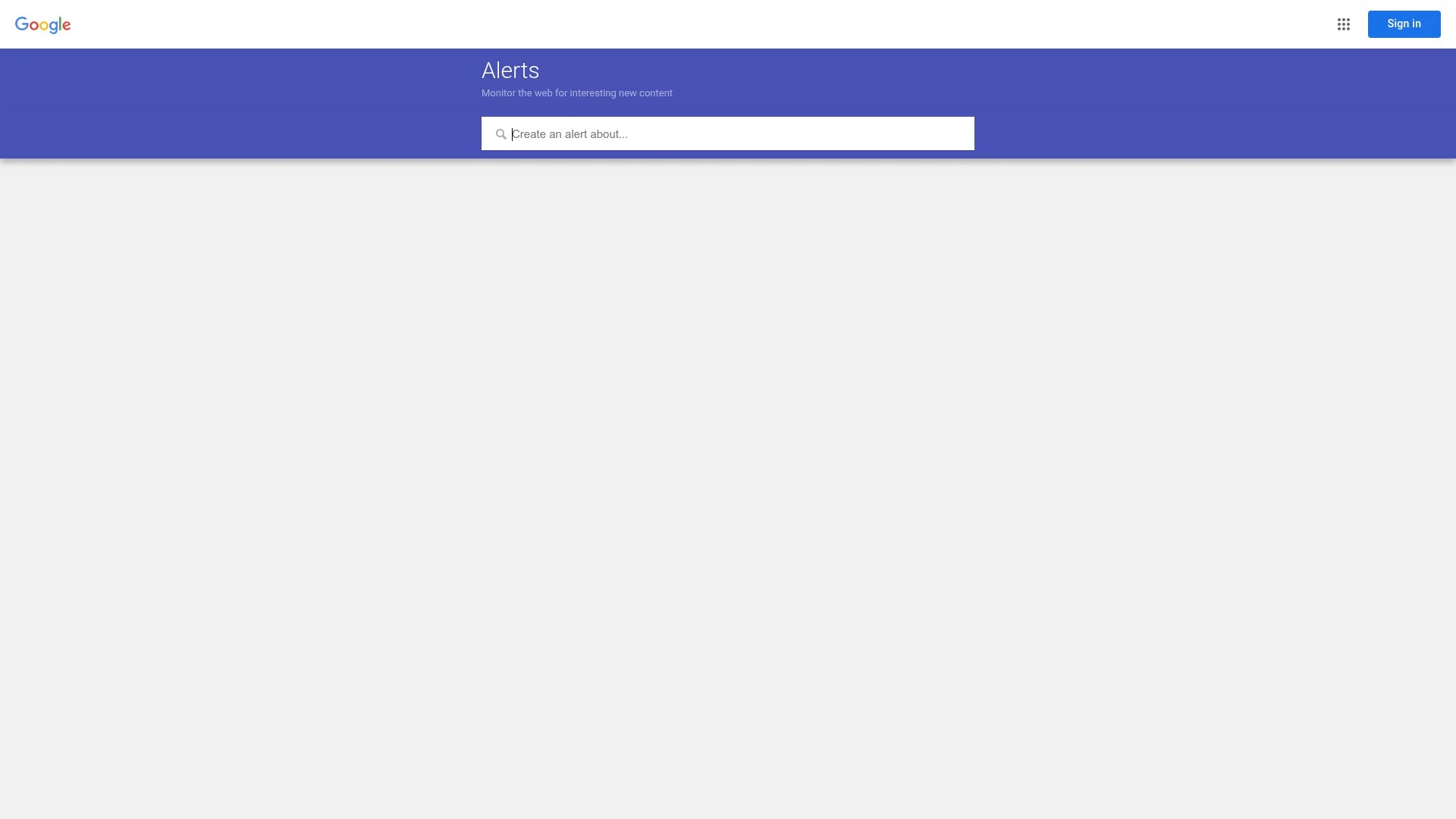
Adjust alert frequency and source quality thresholds. Daily digests prevent notification overload whilst ensuring you don’t miss significant developments.
News aggregators like Feedly consolidate multiple sources into customised feeds. Organise feeds by topic and priority to streamline monitoring.
Monitor Industry-Specific Publications
Trade publications and industry blogs often cover emerging trends before they reach mainstream awareness. Identifying these early signals allows you to create content whilst search volume remains low but growing.
Join professional associations and forums where practitioners discuss current challenges. These conversations surface problems seeking solutions before search volume data reflects the demand.
Conference proceedings and presentation topics indicate where industry thought leaders focus attention. These subjects frequently become search trends as attendees seek additional information post-event.
Analyse Competitors and Successful Content Creators
Understanding what generates results for competitors provides trending topic insights grounded in demonstrated success.
Rather than copying competitor content, analyse which topics drive their traffic and engagement. This research reveals what audiences currently respond to within your niche.
Review Competitor Content Performance
Enter competitor domains into Ahrefs Site Explorer. The “Top pages” report shows which content pieces attract the most organic traffic and backlinks.
Sort by traffic growth to identify recently published content gaining momentum. These pages represent topics currently trending for your competitors.
Examine publication dates and update timestamps. Frequently updated content suggests topics requiring freshness to maintain search visibility.
Identify Content Gaps in Your Strategy
Ahrefs Content Gap tool compares your domain against competitors to reveal keywords they rank for whilst you don’t. This analysis surfaces trending topics your competitors capitalise on.
Filter results by search volume and keyword difficulty to prioritise accessible opportunities. Low-difficulty keywords with growing search volume represent ideal targets.
Study how successful creators approach trending topics. Note their content formats, depth of coverage, and unique angles. This research informs your content strategy development without duplicating their work.
Apply Trending Topics to Your Content Strategy
Discovering trending topics matters only if you effectively incorporate them into content that serves your audience.
Strategic application balances timely relevance with your brand’s core expertise. Not every trending topic merits content creation, particularly if it falls outside your niche or audience interests.
Evaluate Topic Relevance to Your Audience
Filter trending topics through your audience’s demonstrated interests and needs. A topic might trend broadly whilst remaining irrelevant to your specific viewers.

Assess whether your expertise adds value to the conversation. Creating content about trending topics you understand superficially produces thin content that fails to engage.
Consider search intent alignment. Trending topics with commercial intent suit different content approaches than informational queries. Match your content format to user expectations.
Time Content Publication for Maximum Impact
Early coverage of emerging trends captures audiences before competition intensifies. However, publishing too early might mean insufficient search volume to justify the effort.
Monitor trend trajectory using the historical data from Ahrefs and Google Trends. Sustained growth over several weeks suggests a trend worth investing in versus a temporary spike.
Plan content updates for ongoing trends. Your content calendar should include revision dates for time-sensitive topics requiring freshness to maintain rankings.
Adapt Trending Topics to Your Niche
Broad trending topics rarely fit niche audiences perfectly. Identify the specific angle or subtopic relevant to your readers.
Connect trending topics to your existing content themes. This integration maintains consistency whilst capitalising on current interest.
Use trending topics as entry points to your core content. Guide readers from trending queries to your cornerstone resources through strategic internal linking and content curation.
| Discovery Method | Best For | Key Advantage |
|---|---|---|
| Google Trends | Broad topic discovery | Free access to search interest patterns |
| Ahrefs Keywords Explorer | Detailed keyword analysis | Historical data with competitive metrics |
| YouTube Trending | Video content ideas | Platform-specific engagement signals |
| Social Media Hashtags | Real-time conversations | Immediate trend identification |
| Search Suggestions | User intent discovery | Reveals actual search behaviour |
Start Finding Trending Topics Today
The methods covered provide multiple approaches to trend discovery. Start with Google Trends for free broad insights, then layer in Ahrefs for detailed keyword analysis and historical patterns.
Focus on consistency rather than perfection. Regular monitoring reveals patterns that occasional checks miss. Dedicate time weekly to trend research rather than scrambling when you need content ideas.

Begin with your core topics and expand outward. Master trend discovery within your niche before exploring adjacent areas. This focused approach builds expertise in interpreting signals relevant to your audience.
Track which trending topics generate results for your content. Document publication dates, search volumes at publication time, and resulting traffic. This data refines your ability to identify worthwhile trends early.
Your trending topic research directly informs content marketing ideas that resonate with current audience interests. Combine trend insights with your unique perspective to create timely, valuable content.