
Content curation in 2026 isn’t just about finding and sharing articles anymore. It’s about using AI to filter millions of pieces of content, spotting patterns humans can’t see, building authentic connections that cut through algorithm noise, and creating value in an era where zero-click searches mean your audience might never visit your site. The most significant shift? 76% of organisations now use generative AI to improve content ideation and production, fundamentally changing how curation works. This transformation combines AI-powered discovery tools with human judgment, authenticity-first strategies, and multi-format approaches that meet audiences wherever they consume content.
The twelve trends below represent where content curation is headed. Some focus on technology that automates discovery and filtering. Others emphasise the human elements that AI can’t replicate, like trust and authentic voice. Together, they form a comprehensive strategy for curators who want to stay relevant and valuable to their audiences in 2026.
Whether you’re curating for social media, building newsletters, or creating resource hubs, these trends will shape your approach. They’ll influence which tools you choose, how you balance automation with authenticity, and where you invest your time for maximum impact.
1. AI Workflows Transform Content Discovery and Filtering
AI has moved beyond basic content recommendation. Today’s AI curation tools analyse sentiment, detect trending topics before they peak, and match content to audience preferences with remarkable accuracy.
76% of organisations report AI drives improvements in content ideation and production. This isn’t just about speed. It’s about discovering relevant content from sources you’d never find manually and filtering thousands of articles in seconds.
How AI Changes Content Discovery
AI tools scan RSS feeds, social platforms, news sites, and niche publications simultaneously. They identify patterns in engagement, spot emerging topics, and surface content that matches your audience’s interests.
Tools like Quuu use AI to suggest content based on your chosen categories and audience behaviour. Feedly employs machine learning to prioritise articles based on your reading history. Curata analyses content performance to recommend high-quality pieces.
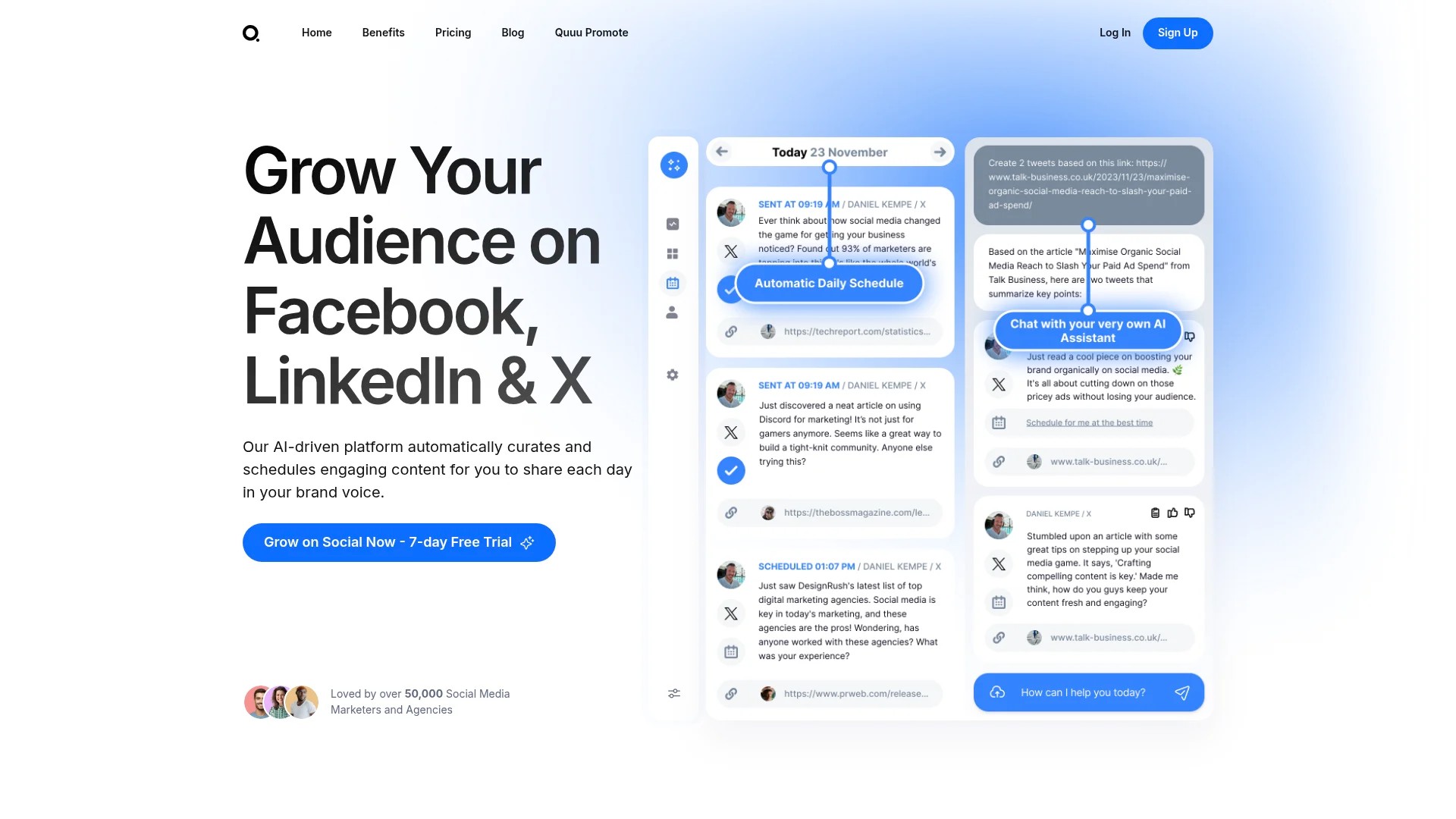
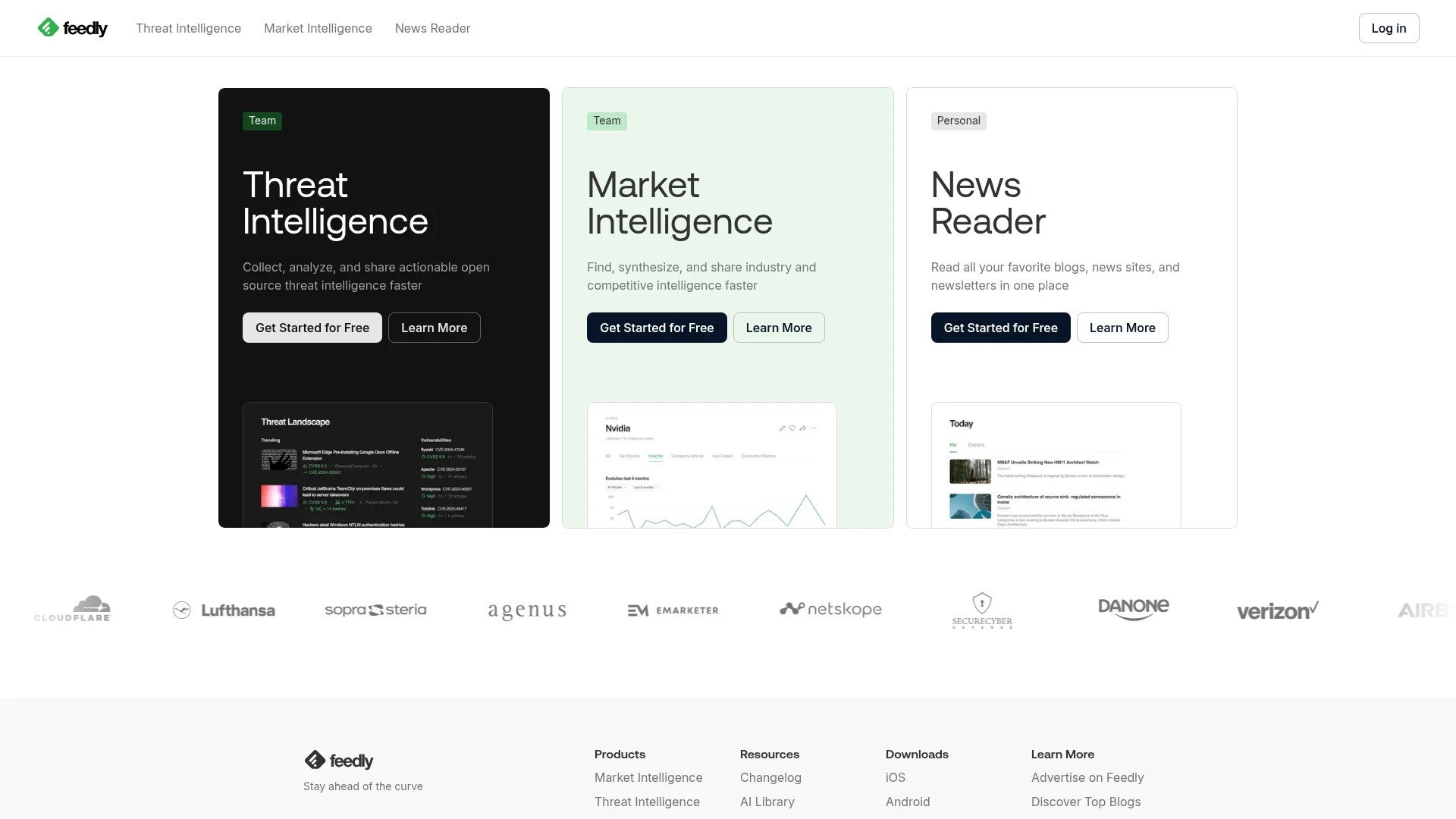
These platforms save hours of manual searching. They also reduce bias by introducing content from diverse sources you might not follow.
Practical AI Integration Steps
Start with one AI-powered curation tool. Feed it your existing content categories and audience demographics.
Review its suggestions daily for two weeks. Mark items as relevant or not to train the algorithm. Most tools improve accuracy significantly after this initial training period.
Create folders or lists for different content themes. AI tools work better when they understand the distinct topics you cover.
Set up alerts for trending topics in your industry. AI can notify you when specific keywords or themes gain momentum, letting you curate timely content before your competitors.
Balancing AI Efficiency with Human Judgment
AI discovers content, but you decide what to share. The best curators use AI for initial filtering, then apply human judgment to select pieces that truly serve their audience.
Review AI suggestions for accuracy and relevance. Algorithms sometimes miss context or recommend outdated information.
Add your perspective when sharing curated content. A brief comment explaining why the piece matters increases engagement more than AI-selected content alone.
Monitor which AI-suggested content performs best. Use these insights to refine your curation strategy and improve AI recommendations over time.
2. Agentic AI Frees Curators for Strategic Work
Agentic AI systems take actions autonomously, going beyond suggestion to execution. They can schedule posts, adjust timing based on engagement patterns, and even generate accompanying commentary.
63% of marketing professionals expect agentic AI to free employees for strategic work. For content curators, this means less time on distribution mechanics and more time on strategy and audience relationships.
What Agentic AI Does for Curation
These systems handle repetitive tasks autonomously. They publish content at optimal times, cross-post to multiple platforms, and adjust posting schedules based on audience behaviour.
Tools like Buffer and Hootsuite now include agentic features. They analyse when your audience is most active and automatically schedule posts for those windows.

Some platforms generate social media captions based on the curated article’s content. Others suggest hashtags or tagging strategies to maximise reach.
Setting Up Agentic Workflows
Define your curation goals clearly. Agentic AI needs specific parameters, like how many posts per day or which content types to prioritise.
Set guardrails for autonomous actions. Specify which tasks require human approval before execution, particularly for brand-sensitive content.
Start with low-risk automation, like scheduling pre-approved content. Gradually expand as you gain confidence in the system’s decision-making.
Review AI-generated captions and commentary before they go live. Even advanced systems sometimes miss tone or context nuances.
Strategic Focus Areas AI Enables
With distribution automated, curators can focus on relationship building. Respond to comments, engage with your audience, and create original commentary that adds unique value.
Analyse performance data more deeply. Look beyond surface metrics to understand why certain curated content resonates and what patterns emerge.
Develop content partnerships. Reach out to creators whose work you frequently curate. Build relationships that can lead to exclusive content or collaboration opportunities.
These strategic activities drive long-term value that AI can’t replicate. They’re where human curators create competitive advantage.
3. Content Curation Becomes Essential for Audience Discovery
Audiences face content overload. They need trusted filters to find valuable information worth their time.
Curators who consistently surface high-quality content build authority. They become the go-to source when audiences want to stay informed without drowning in information.
Building Trust Through Curation Quality
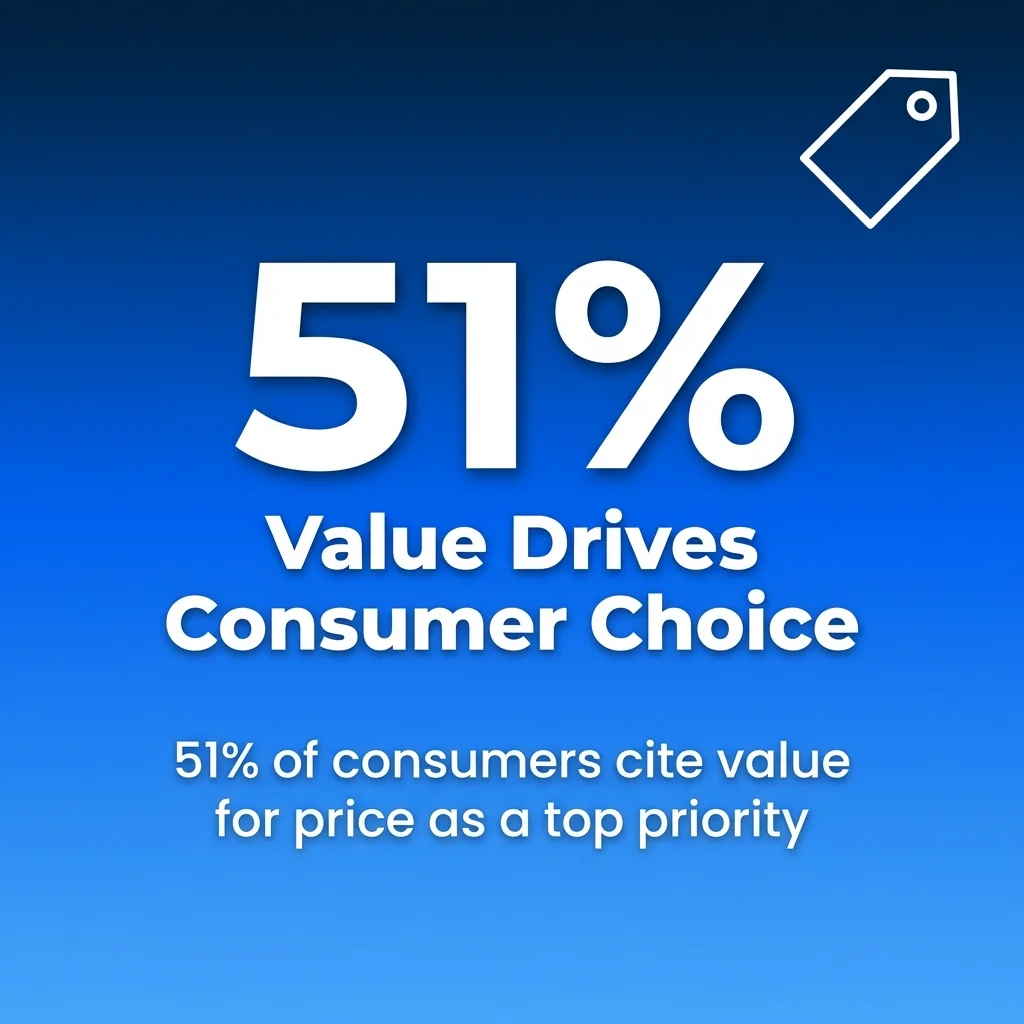
Quality matters more than quantity. 51% of consumers cite value for price as a top priority, and the same principle applies to content. Your audience wants valuable insights, not just more articles.
Develop clear curation criteria. What makes content worth sharing? Decide on factors like credibility of source, depth of insight, and practical applicability.
Share your curation philosophy with your audience. Explain what you look for when selecting content. This transparency builds trust and helps audiences understand why you chose specific pieces.
Creating Curation-First Content Strategies
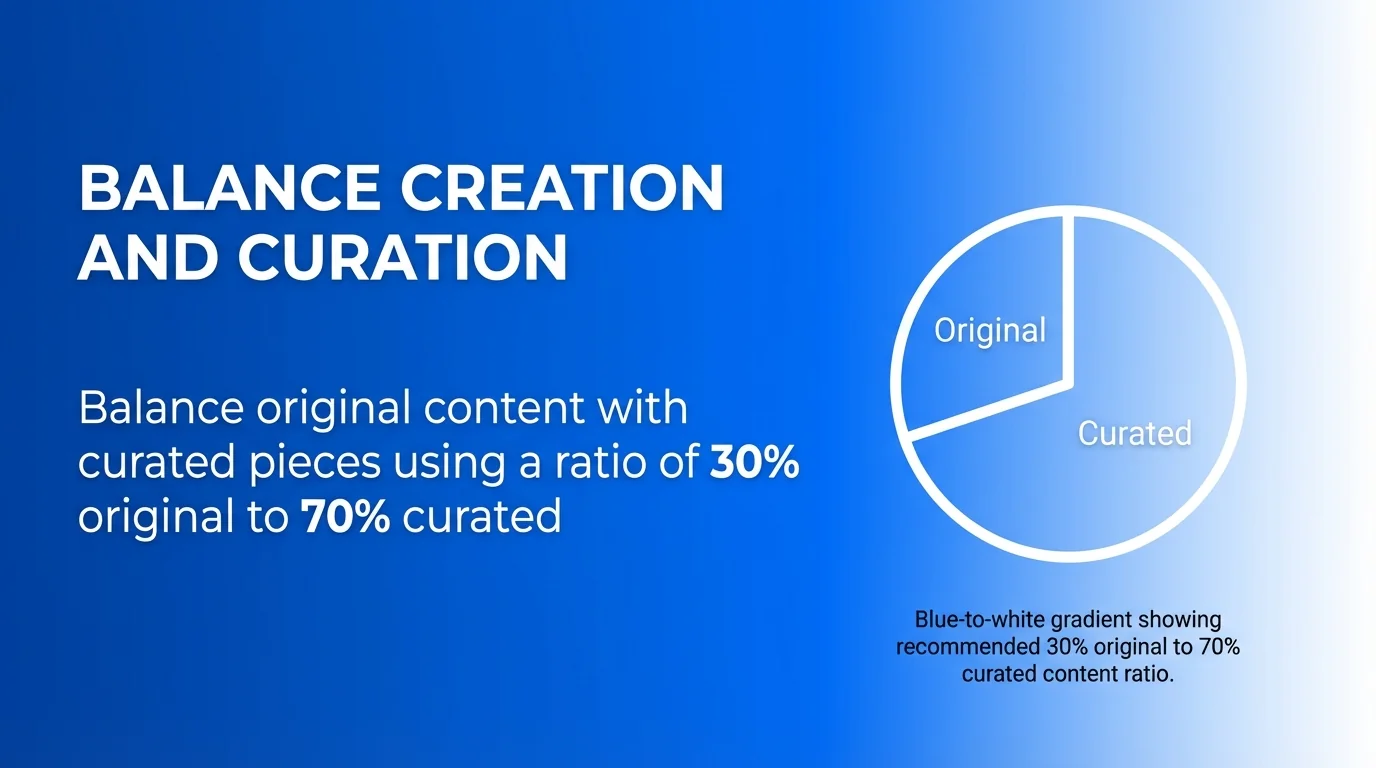
Balance original content with curated pieces. A ratio of 30% original to 70% curated often works well, though this varies by industry and audience.
Use curated content to identify content gaps. Notice which topics generate high engagement when you share others’ work. Create original content filling those gaps.
Build thematic collections around specific topics. Curate multiple perspectives on important industry issues. This comprehensive approach positions you as the definitive resource.
Curation as Community Building
Tag original creators when sharing their work. This practice builds relationships and often leads to reciprocal sharing.
Encourage your audience to suggest content. Create channels where followers can submit articles they found valuable.
Highlight community-submitted content regularly. This approach creates engagement and makes your audience feel invested in your curation efforts.
| Curation Approach | Audience Benefit | Curator Advantage |
|---|---|---|
| Thematic Collections | Comprehensive topic understanding | Authority positioning |
| Diverse Perspectives | Balanced viewpoint exposure | Credibility building |
| Timely Discovery | Early trend awareness | Thought leadership status |
| Quality Filtering | Time saved, noise reduced | Trust establishment |
4. AI Search Optimisation Redefines Curation Visibility
Search is changing. ChatGPT, Perplexity, and Google’s AI Overviews now answer questions directly, often without users clicking through to websites.
Curators need to optimise for these AI search systems. Traditional SEO focused on ranking web pages. AI search optimisation focuses on becoming the source AI systems cite when answering queries.
Understanding AI Search Behaviour
AI search engines prioritise authoritative, well-structured content. They look for clear answers, proper citations, and comprehensive coverage of topics.
Your curated collections need structure that AI can parse. Use descriptive headings, clear categorisation, and explicit explanations of why content matters.
Schema markup helps AI systems understand your content structure. Implement article schema for curated pieces and collection schema for themed groupings.
Creating AI-Friendly Curated Content
Write summaries for each curated piece. Don’t just share links. Explain what the article covers and why it’s valuable. AI systems index these descriptions.
Use structured data formats. Lists, tables, and clearly marked sections help AI extract relevant information for search results.
Include context and analysis. AI search rewards content that provides perspective, not just links. Your commentary becomes part of what AI cites.
For more guidance on optimising your curated content for discoverability, explore our comprehensive content curation strategies.
Citation-Worthy Curation Practices
Make your curated collections comprehensive. AI systems prefer sources that cover topics thoroughly rather than superficially.
Update collections regularly. Fresh content signals relevance to AI search algorithms.
Link to original sources with proper attribution. AI systems track citation patterns and favour curators who properly credit creators.
Create “ultimate guide” style curated collections. These comprehensive resources are exactly what AI search systems look for when answering complex queries.
5. Short-Form Video Dominates Curated Content Formats
Text curation remains important, but video curation is exploding. Short-form video on TikTok, Instagram Reels, and YouTube Shorts drives massive engagement.
Curators are adapting by creating video compilations, commentary on trending videos, and visual summaries of text-based content.
Video Curation Strategies
Create “best of” compilations around specific themes. These collections provide value by filtering the best content from vast video libraries.
Add commentary to curated videos. Explain why each clip matters or what insight it provides. Your perspective transforms curation from simple sharing into valuable analysis.
Use tools like CapCut or Adobe Premiere Rush to edit compilations. These platforms make professional-looking video curation accessible.
Transforming Text Content to Video
Convert written articles into visual summaries. Create slides highlighting key points, then record brief explanations.
Tools like Canva make it easy to design attractive video slides. Add your voiceover explaining the curated insights.
This approach works particularly well for curating research studies, industry reports, or data-heavy content that’s hard to digest in written form.
Platform-Specific Video Curation
Each platform has unique video requirements. TikTok favours authentic, unpolished content. Instagram Reels rewards aesthetic quality. YouTube Shorts performs best with clear hooks in the first three seconds.
Adapt your curation style to each platform. Don’t simply cross-post the same video everywhere.
Test different video lengths. Some audiences prefer 15-second quick hits. Others engage more with 60-90 second deep dives.
Monitor which video formats drive the most engagement. Double down on what works for your specific audience.
6. Authenticity and Human Voice Differentiate Curation
Authenticity and human-centric content dominate content curation in 2026. As AI tools become ubiquitous, the human curator’s voice becomes more valuable.
Audiences can tell when curation is purely automated. They crave the perspective, judgment, and personality that only humans provide.
Developing Your Curation Voice
Share why you chose each piece. Don’t just post links. Explain what caught your attention and why your audience should care.
Be opinionated when warranted. If a curated article has flaws or limitations, note them. Honest assessment builds credibility.
Tell stories about how curated content relates to your experience. Personal connections make curation memorable and engaging.
Balancing AI Tools with Human Insight
Use AI for discovery and efficiency. Rely on human judgment for selection and commentary.
Review AI-generated captions and summaries. Edit them to reflect your voice and perspective before publishing.
Share your curation process occasionally. Show your audience how you find and evaluate content. This transparency builds connection.
Creating Commentary That Adds Value
Identify the one key insight from each curated piece. Highlight this in your commentary so readers immediately understand the value.
Connect curated content to current events or ongoing conversations in your industry. This contextualisation makes old articles feel fresh and relevant.
Ask questions in your curation commentary. Prompt your audience to think critically about the content rather than passively consuming it.
For deeper insights on maintaining authenticity whilst using AI tools, read our analysis of human versus AI curation.
7. Creator and Influencer Partnerships Amplify Curation Reach
Collaborating with creators and influencers expands your curation’s visibility. These partnerships also add credibility when respected voices share your curated collections.
Identifying Partnership Opportunities
Look for creators whose work you frequently curate. They’re natural partnership candidates because you already value their content.
Reach out with specific collaboration ideas. Propose co-curated collections around shared topics or audience interests.
Offer to curate and promote their best content in exchange for them sharing your collections. This reciprocal arrangement benefits both parties.
Co-Curation Models
Create guest curator programmes. Invite industry experts to curate content for your platform monthly. Their audience discovers your curation, whilst your audience gets fresh perspectives.
Build curated roundups featuring multiple creators. These “expert roundup” style collections provide diverse viewpoints and encourage all featured creators to share.
Collaborate on themed content series. Partner with creators to curate comprehensive resources around specific topics, with each contributor handling different aspects.
Leveraging User-Generated Curation
Encourage your audience to submit content for curation consideration. This crowdsourced approach discovers valuable content whilst engaging your community.
Feature top contributors in your curation credits. Recognition motivates continued participation and builds community investment.
Create submission guidelines that align with your quality standards. Clear criteria ensure user-submitted content maintains your curation’s value.
8. Zero-Click Search Visibility Becomes the New Success Metric
Featured snippets, AI Overviews, and knowledge panels often answer user queries without clicks. This “zero-click” behaviour changes how we measure curation success.
Visibility matters as much as traffic. Your curated content appearing in AI-generated answers builds authority even when users don’t visit your site.
Optimising for Zero-Click Visibility
Structure curated content to answer specific questions. Use question-and-answer formats that search engines can easily extract.
Create comprehensive topic pages that aggregate curated content. These resource hubs are prime candidates for featured snippets and knowledge panel inclusion.
Include clear, concise summaries at the beginning of curated collections. These summaries often become the text search engines display in zero-click results.
Measuring Zero-Click Success
Track impressions, not just clicks. Google Search Console shows how often your content appears in search results, even when users don’t click through.
Monitor brand searches. Zero-click visibility often increases branded search volume as users become aware of your authority.
Use tools like Ahrefs or Semrush to track featured snippet opportunities. These platforms identify queries where your curated content could capture zero-click visibility.
Building Authority Beyond Clicks
Focus on becoming the cited source. When AI systems reference your curated collections, it validates your authority regardless of traffic.
Create content specifically designed for citation. Well-researched, properly attributed curated collections become resources that other creators and AI systems reference.
Update existing curated content regularly. Fresh, maintained collections rank better in both traditional and AI search results.
| Visibility Type | Measurement Method | Strategic Value |
|---|---|---|
| Featured Snippets | Search Console impressions | Authority positioning |
| AI Citations | Brand mention tracking | Thought leadership |
| Knowledge Panels | Entity search volume | Brand awareness |
| AI Overviews | Topic-specific queries | Expert recognition |
9. Email and Owned Channels Gain Strategic Priority
Social media algorithms limit organic reach. Owned channels like email newsletters give curators direct audience access without platform interference.
Email curation is experiencing a renaissance. Newsletters focused on high-quality curation build loyal audiences who value the filtering service.
Building Email-First Curation Strategies
Create a regular curation newsletter. Weekly or bi-weekly schedules work well for most industries, providing consistent value without overwhelming subscribers.
Curate differently for email than social media. Email allows longer commentary and deeper analysis. Use this space to provide context social posts can’t accommodate.
Segment your email list by interest. Send targeted curated content to subscriber groups based on their preferences and behaviour.
Email Curation Best Practices
Limit each newsletter to 5-7 curated pieces. Too many options overwhelm readers and reduce engagement with individual items.
Write descriptive headlines for each curated piece. Don’t rely on the original article’s title. Explain why this content matters to your subscribers.
Include a brief personal note at the beginning. Share what you’re thinking about or working on. This personal touch builds connection beyond the curated content.
Tools like Mailchimp, Revue, and Substack make newsletter curation straightforward. They offer templates designed specifically for curated content formats.
Owned Channel Diversification
Don’t rely solely on email. Build multiple owned channels where you control the distribution.
Create a blog or resource centre where you archive curated collections. This creates SEO value and gives you a permanent home for your curation work.
Consider launching a podcast discussing curated content. Audio formats work well for analysing and contextualising articles, research, and industry news.
Build a community platform using tools like Discord or Circle. These owned communities let members discuss curated content and share their own discoveries.
To explore automation strategies that can enhance your owned-channel curation efforts, check out our guide on maximising social media impact with content curation automation.
10. Multi-Format Curation Meets Diverse Consumption Preferences
Audiences consume content differently. Some prefer reading articles. Others want podcasts they can listen to whilst commuting. Many favour quick video summaries.
Effective curators repurpose content across formats, making valuable information accessible regardless of consumption preference.
Cross-Format Curation Strategies
Curate the same theme across multiple formats. Create a written article roundup, a video summary, and a podcast discussion all covering the same curated content.
This multi-format approach maximises reach. It also reinforces key messages through repetition across different media.
Use tools like Otter.ai to transcribe podcast discussions of curated content. Publish these transcripts as blog posts, creating written versions of audio curation.
Format-Specific Curation Techniques
For written curation, create scannable formats. Use bullet points, subheadings, and clear summaries that allow quick consumption.
For video curation, add chapters and timestamps. This lets viewers jump to specific curated pieces that interest them most.
For audio curation, provide show notes with links. Listeners often want to revisit specific pieces you discussed.
Platform-Specific Format Optimisation
LinkedIn favours professional, text-based curation with document posts and articles. Share in-depth analysis and industry insights.
Twitter/X works best for quick curation with brief commentary. Thread multiple curated pieces together around common themes.
Pinterest excels at visual curation. Create infographics summarising curated content or collections of visually appealing resources.
Match your curation format to each platform’s strengths rather than posting identical content everywhere.
11. Trust Building Through Transparent Curation Practices
Audience scepticism is high. Misinformation spreads easily. Curators who build transparent practices earn outsized loyalty.
Clear curation criteria, proper attribution, and honest assessment of sources differentiate trustworthy curators from content aggregators.
Establishing Curation Credibility
Publish your curation standards. Explain what sources you trust, what criteria content must meet, and how you verify information.
Acknowledge when curated content presents controversial or minority viewpoints. Provide context about why you included it despite disagreement.
Correct mistakes promptly. If you share inaccurate information, issue clear corrections. This honesty builds long-term credibility.
Source Evaluation and Attribution
Evaluate source credibility before sharing. Check author credentials, publication reputation, and whether claims are properly supported.
Always link to original sources. Never claim others’ work as your own or obscure where content originated.
Cite specific data and research properly. If a curated article references a study, link to the actual research when possible, not just the article discussing it.
Building Audience Literacy
Educate your audience about content evaluation. Share occasional posts explaining how you assess source quality.
Highlight red flags in low-quality content. Teaching your audience to recognise misinformation builds their media literacy whilst positioning you as a trusted guide.
Curate diverse perspectives on complex issues. Show your audience multiple viewpoints rather than creating an echo chamber.
For a comprehensive overview of how to build effective curation systems from the ground up, explore our ultimate guide to content curation tools.
12. Personalisation Through AI-Powered Audience Segmentation
Generic curation serves no one well. Audiences expect content tailored to their specific interests, experience level, and goals.
AI-powered segmentation makes personalised curation scalable. You can deliver customised content experiences to thousands of subscribers without manual sorting.
Implementing Curation Segmentation
Start with basic demographic segmentation. Create separate curated feeds for different industries, job roles, or experience levels.
Track engagement patterns. Notice which content types and topics individual audience members engage with most. Use this data to personalise future curation.
Tools like Mailchimp and ActiveCampaign offer behavioural segmentation. They automatically group subscribers based on content interaction and send personalised curated collections.
Creating Segmented Curation Experiences
Develop tiered content paths. Beginners receive foundational curated content. Intermediate audiences get tactical implementation pieces. Advanced segments receive cutting-edge research and complex analysis.
Allow subscribers to self-select interests. Create preference centres where audience members choose which topics they want in their curated content.
Test different curation styles with different segments. Some audiences prefer comprehensive weekly roundups. Others want daily single-article highlights. Personalise format, not just content.
Measuring Personalisation Success
Track engagement rates by segment. Compare how personalised curation performs against generic broadcasts.
Monitor content relevance scores. Survey subscribers about whether curated content matches their interests and needs.
Measure long-term retention. Personalised curation typically reduces unsubscribe rates and increases subscriber lifetime value.
Refine segmentation based on performance data. Remove segments that don’t show engagement differences. Create new segments when you identify distinct audience groups.
To see how specialised platforms approach different content curation needs, compare options in our AI content curation platforms feature comparison.
Moving Forward with Content Curation in 2026
These twelve trends reshape content curation fundamentally. AI transforms discovery and distribution. Authenticity differentiates human curators. Multi-format approaches meet diverse audience preferences. Zero-click visibility changes success metrics.
The most successful curators in 2026 will blend technology with humanity. They’ll use AI tools for efficiency whilst adding human perspective that creates genuine value. They’ll curate across formats and platforms whilst maintaining consistent quality standards. They’ll build owned channels that give direct audience access beyond algorithm control.
Start by selecting two or three trends most relevant to your audience. Implement them systematically rather than attempting everything simultaneously. Test approaches, measure results, and refine based on what works for your specific situation.
Content curation remains one of the most valuable services you can provide. Your audience faces information overload. They need trusted filters who surface quality content worth their limited attention. By embracing these trends, you position yourself as that indispensable resource.
The tools and techniques will continue progressing. The fundamental value of thoughtful curation, honest perspective, and audience-first selection remains constant. Focus on that enduring value whilst adapting to these emerging trends.