Influencer marketing automation transforms how brands manage creator partnerships by using AI-powered tools to handle repetitive tasks whilst preserving authentic relationships. Modern platforms now automate influencer discovery through advanced matching algorithms, streamline campaign workflows with intelligent project management systems, and process payments across 135+ currencies automatically. The technology enables marketing teams to scale programmes from dozens to hundreds of creators without proportional resource increases, though certain elements like initial outreach personalisation and contract negotiations still require human judgement.
The shift towards automation addresses a fundamental challenge in influencer marketing. Managing multiple creator relationships manually becomes overwhelming quickly.
Campaign coordination, content approval, performance tracking, and payment processing consume significant time. Automation solves this bottleneck.
This guide examines six critical areas where automation delivers measurable efficiency gains. We’ll explore AI-powered discovery tools, workflow management systems, content collection processes, analytics automation, payment processing, and relationship management at scale.
You’ll also discover what should never be automated to maintain campaign authenticity and effectiveness.
1. Automate Influencer Discovery with AI-Powered Matching
Finding the right creators for your brand represents one of the most time-intensive aspects of influencer marketing. Manual discovery involves scrolling through social profiles, analysing engagement metrics, and evaluating audience demographics for hours.
AI-powered discovery changes this completely.
Sprout Social Influencer Marketing uses data and analytics to find and engage influencers through sophisticated matching algorithms. These systems analyse millions of creator profiles simultaneously, identifying candidates who align with your brand values, target audience, and campaign objectives.
The technology evaluates multiple data points beyond follower counts. Engagement rates, audience demographics, content themes, posting frequency, and brand affinity all factor into matching recommendations.
How AI Discovery Works in Practice
CreatorIQ employs advanced search filters including image recognition technology. The platform can identify creators who’ve posted content featuring specific products, locations, or visual elements without manual tagging.
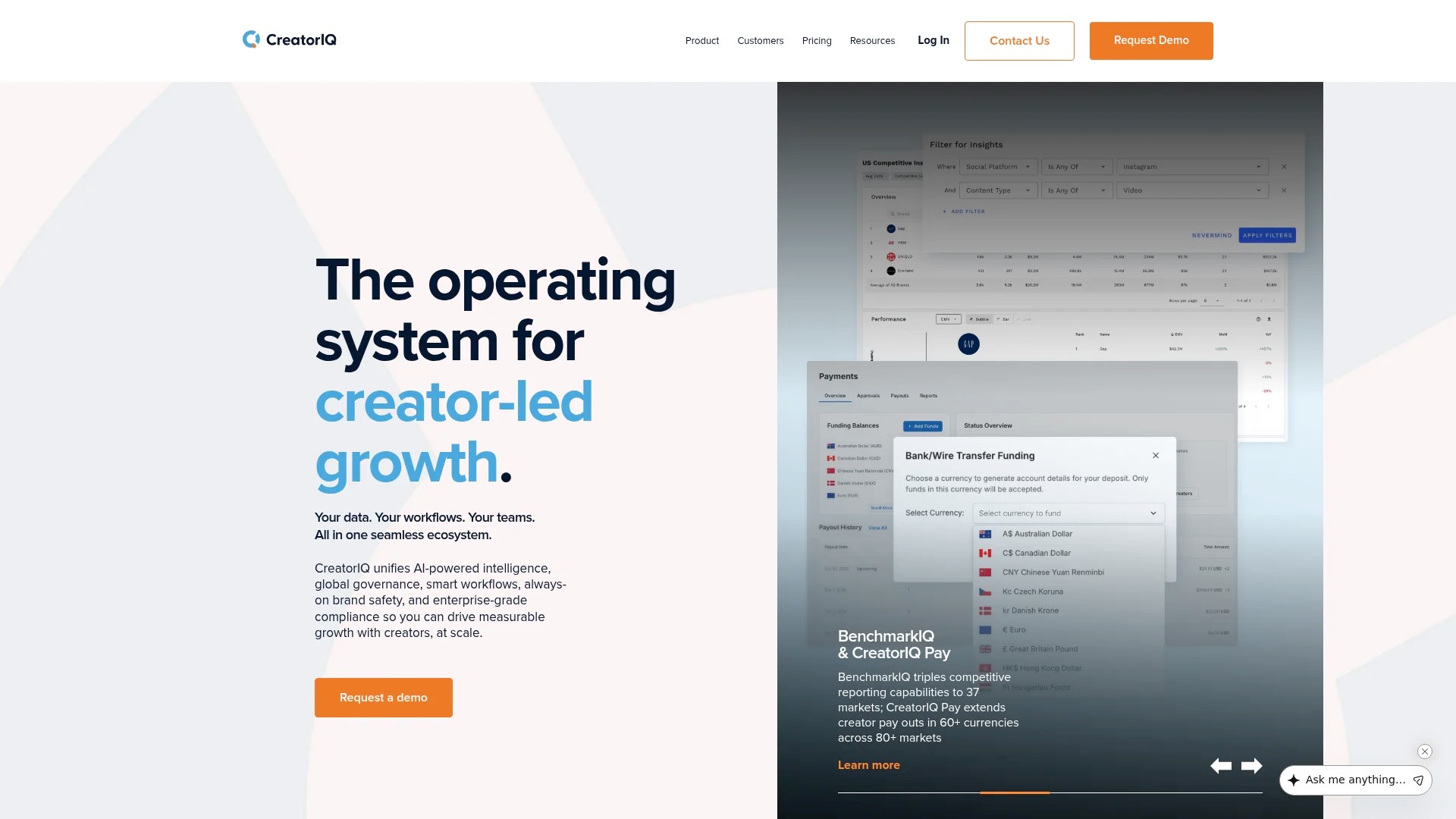
Input your brand requirements once. The system continuously monitors the creator landscape, surfacing new candidates as they emerge.
Set parameters for audience size, engagement thresholds, content categories, and geographic location. The platform generates ranked lists of suitable creators within minutes rather than days.
Discovery Tools to Consider
GRIN offers a website extension that identifies creators whilst you browse. See an influencer you like on Instagram? The extension pulls their complete profile data, engagement metrics, and contact information instantly.
Meltwater leverages social listening for creator identification. The platform monitors conversations around your industry, identifying influential voices before they become widely known.
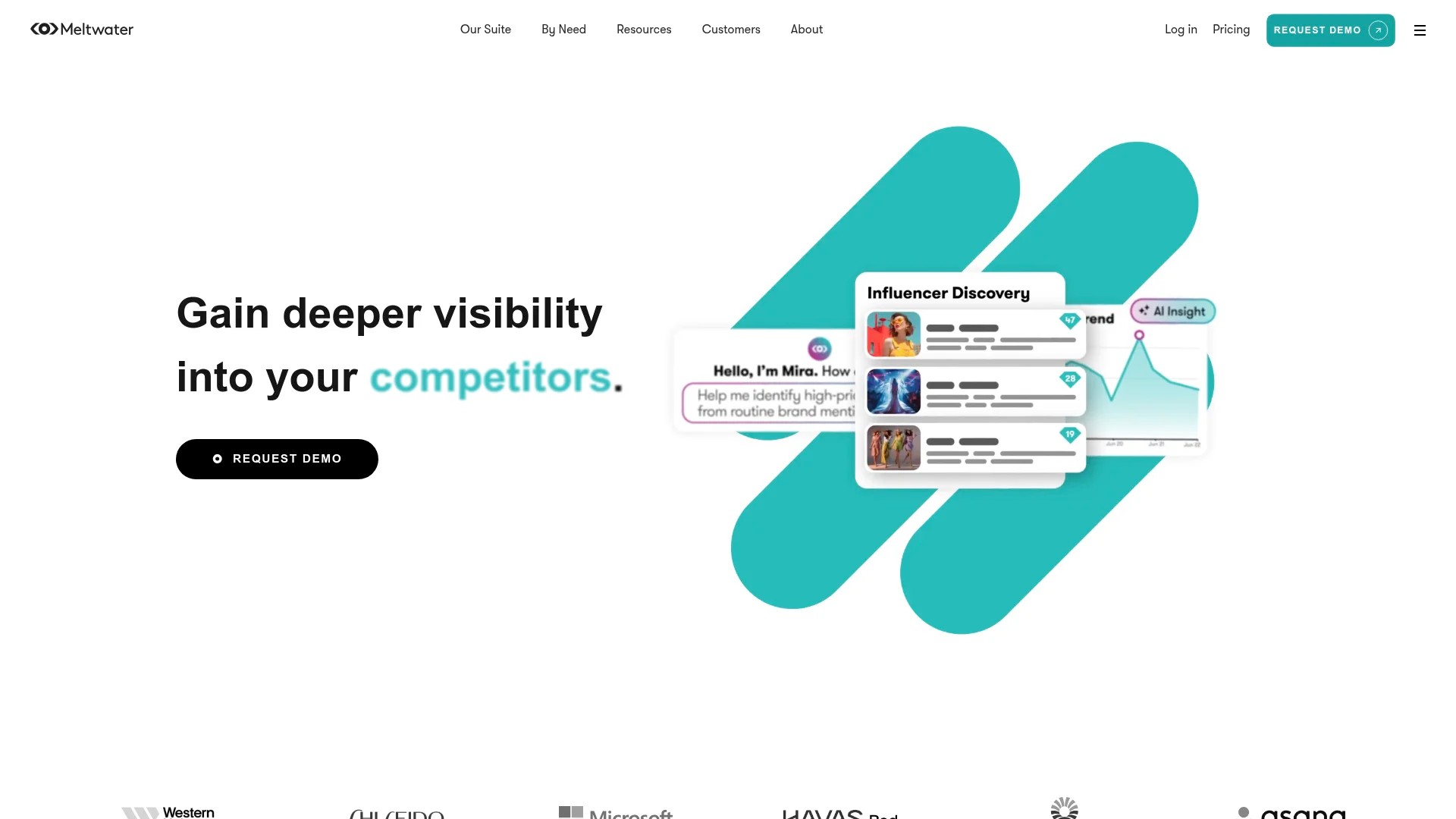
This proactive approach helps brands establish relationships with rising creators at lower partnership costs.
Audience authenticity verification runs automatically. The system flags suspicious engagement patterns, bot followers, and inflated metrics, protecting your brand from fraudulent partnerships.
2. Streamline Campaign Workflow and Project Management
Managing multiple influencer campaigns simultaneously creates coordination chaos. Tracking deliverables, approval statuses, posting schedules, and communication threads across dozens of creators overwhelms even experienced teams.
Campaign workflow automation brings order to this complexity.
Automated systems create structured processes for every campaign stage. From initial outreach through final reporting, each step follows a defined workflow with clear milestones and automatic progress tracking.
Workflow Automation Components
NeoReach automates coordination tasks that typically consume hours weekly. Contract generation, approval workflows, and posting schedule management all operate through automated systems.
Set campaign parameters once. The platform automatically generates contracts with correct terms, routes them for creator signatures, and tracks completion status.
Missed deadlines trigger automatic reminder emails. No manual follow-up required.
Campaign dashboards provide real-time visibility into every active partnership. See which creators have submitted content, what’s pending approval, and which deliverables are outstanding at a glance.
Managing Campaign Milestones
Break campaigns into automated milestone sequences. Product shipment triggers move creators into the content creation phase. Content submission advances them to the approval stage.
Approval moves them to scheduled posting. Each transition happens automatically based on defined triggers.
Collaboration features enable team members to comment on submissions, request revisions, and approve content without email chains. All communication stays within the platform, creating a searchable campaign record.
Integration with project management tools like Asana or Monday.com synchronises influencer tasks with broader marketing calendars. Campaign deadlines automatically update across all systems.
3. Automate Content Collection and Approval Processes
Content collection represents a persistent operational challenge in influencer marketing. Chasing creators for deliverables, downloading content from various platforms, and organising assets across campaigns creates administrative burden.
Automation transforms content management from reactive follow-up to proactive systems.
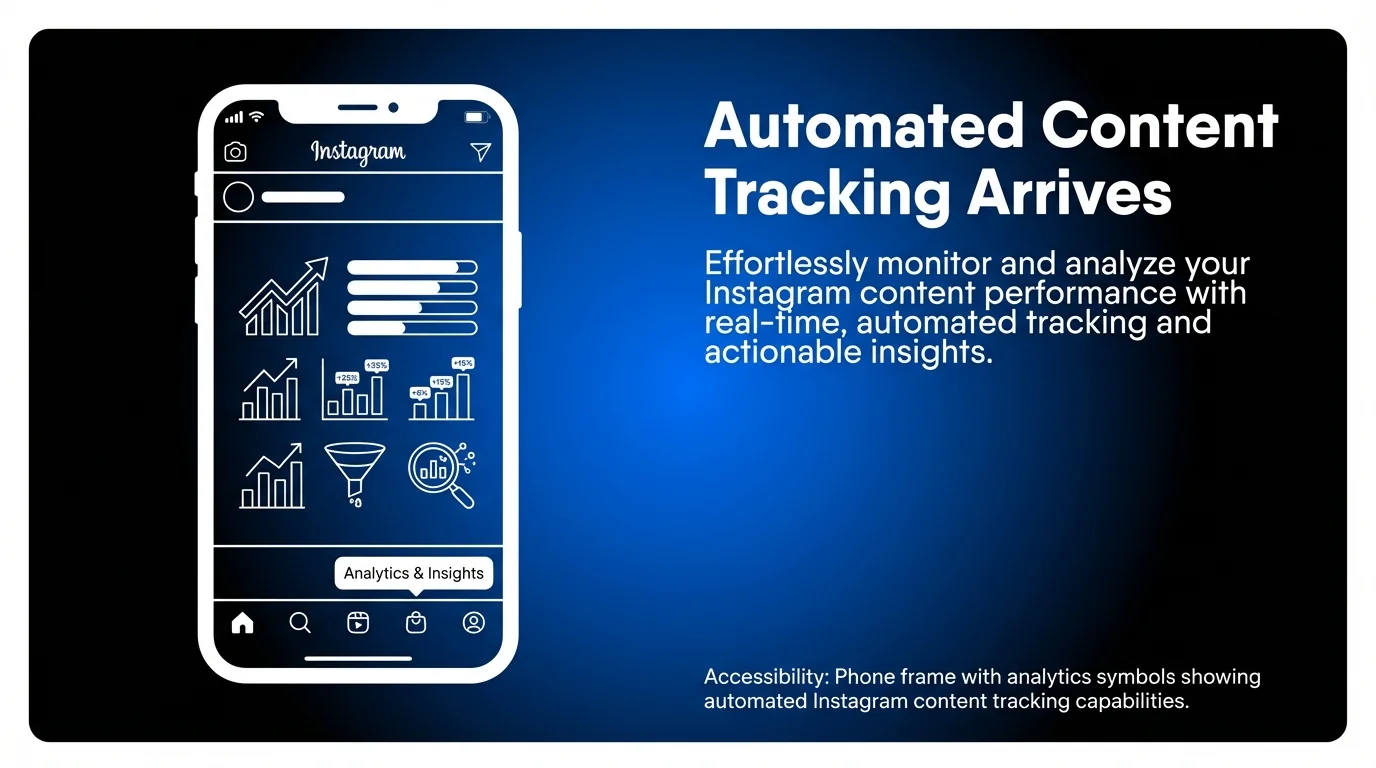
Modash automates Instagram content tracking and performance reporting on views and engagements, eliminating manual content collection entirely.
Automated Content Capture
Modern platforms automatically detect when creators publish campaign content. The system captures posts, stories, and videos the moment they go live, archiving them in your campaign library.
No more messaging creators requesting content links or screenshots.
The technology monitors tagged posts, branded hashtags, and tracked URLs. Any content mentioning your brand triggers automatic capture and classification.
Content libraries organise assets by campaign, creator, platform, and date. Search functionality helps teams locate specific posts instantly, even across hundreds of pieces of content.
Streamlining Approval Workflows
Automated approval processes route submitted content to appropriate reviewers based on campaign type, content category, or brand guidelines. Legal reviews for regulated industries happen automatically when required.
Set approval hierarchies once. The system routes content through correct review stages without manual coordination.
Approval notifications alert reviewers immediately when content awaits their input. Configurable deadlines ensure timely reviews.
Revision requests include annotation tools. Highlight specific elements requiring changes directly on images or video frames, eliminating ambiguous feedback.
For more guidance on selecting tools that match your workflow requirements, explore our article on choosing the right automation tool for your brand.
4. Implement Automated Performance Tracking and Analytics
Measuring influencer campaign performance manually means logging into multiple social platforms, exporting data, and compiling reports in spreadsheets. This process becomes unsustainable as programmes scale.
Automated analytics provide continuous performance visibility without manual data collection.
Platforms connect directly to social media APIs, pulling engagement metrics, reach data, and conversion tracking automatically. Performance updates happen in real-time rather than at campaign end.
Real-Time Performance Monitoring
Influencer Marketing AI provides predictive discovery, real-time ROI tracking, and brand safety analysis through integrated analytics dashboards.
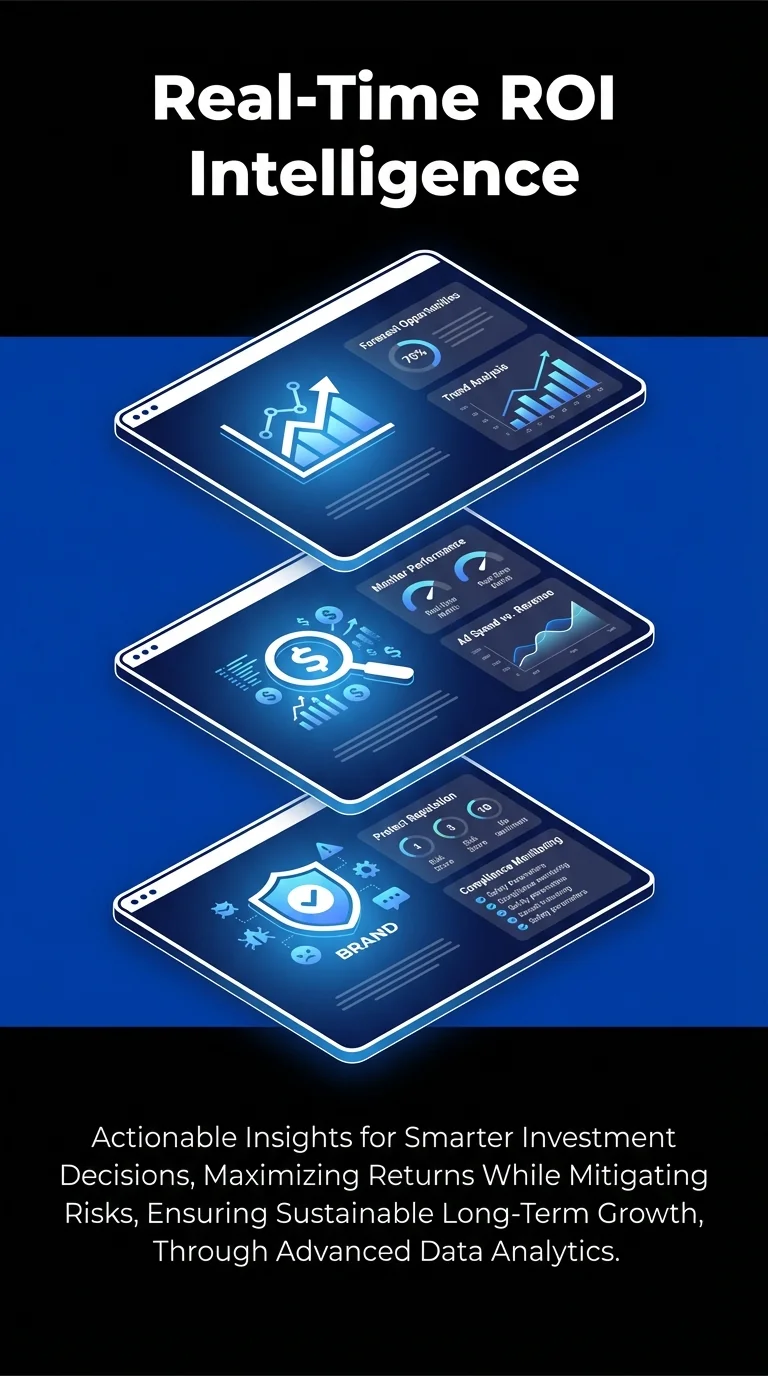
Monitor campaign performance as content publishes. See which creators drive engagement, which content formats perform best, and which audience segments respond most strongly.
Automated reporting eliminates manual spreadsheet creation. Schedule weekly or monthly reports that generate and distribute automatically to stakeholders.
Custom dashboards display metrics relevant to your objectives. Track awareness campaigns through reach and impressions. Monitor conversion campaigns through click-through rates and sales attribution.
Attribution and ROI Measurement
Tracking ROI requires connecting influencer activity to business outcomes. Automated systems use unique tracking URLs, discount codes, and pixel-based attribution to measure conversions accurately.
Each creator receives unique tracking parameters. The system automatically attributes sales, sign-ups, or downloads to specific partnerships.
Calculate cost per acquisition, return on ad spend, and customer lifetime value without manual calculations. Automated systems process attribution data and generate ROI metrics continuously.
| Metric Category | Automated Tracking | Manual Alternative |
|---|---|---|
| Engagement Rate | Real-time calculation across all posts | Manual calculation per post |
| Reach Analysis | Automatic aggregation across platforms | Export and combine platform data |
| Conversion Tracking | Continuous attribution monitoring | Periodic code usage review |
| ROI Calculation | Automatic cost-to-revenue analysis | Spreadsheet-based calculations |
Benchmark performance against industry standards. Automated systems compare your results to similar campaigns, identifying opportunities for optimisation.
Learn more about leveraging data for better outcomes in our guide to predictive analytics for influencer marketing success.
5. Automate Payment Processing and Financial Management
Payment administration consumes significant time as influencer programmes grow. Processing invoices, tracking payment statuses, and managing multiple currencies manually creates bottlenecks and errors.
Financial automation streamlines compensation whilst maintaining accurate records.
Upfluence manages payments in over 135 currencies, enabling truly global influencer programmes without complex manual processing.

Automated Payment Workflows
Connect payment processing directly to campaign milestones. When creators complete deliverables and content receives approval, the system automatically triggers payment processing.
No manual invoice chasing or payment authorisation required.
Creators submit tax documentation and payment preferences once. The system stores this information securely, applying it to all future campaigns automatically.
Payment status tracking provides visibility for both brands and creators. Creators see exactly when payments will process. Finance teams track outstanding payments across all active campaigns.
Global Payment Considerations
International programmes require handling multiple currencies, tax regulations, and payment methods. Automated systems manage these complexities through built-in compliance features.
Currency conversion happens automatically at current exchange rates. Creators receive payment in their preferred currency whilst brands track costs in their base currency.
Tax documentation collection and validation occur during creator onboarding. The system ensures compliance with local regulations before processing payments.
Integration with accounting software like Xero or QuickBooks automatically syncs payment data, eliminating manual entry and reconciliation.
6. Scale Relationship Management with Smart Automation
Maintaining genuine relationships with hundreds of creators seems impossible without proportional team growth. Yet relationship quality directly impacts campaign success and creator retention.
Smart automation enables relationship management at scale without losing the personal touch.
Automated systems track every interaction with each creator. Past campaign performance, communication preferences, content specialities, and relationship history remain instantly accessible.
Communication Automation That Feels Personal
Template systems with dynamic personalisation fields enable efficient yet customised communication. Reference specific past collaborations, acknowledge creator milestones, and tailor messaging to individual preferences automatically.
The system never sends generic messages. Each communication includes relevant personalised details drawn from relationship data.
Birthday and anniversary notifications trigger automatically. The system reminds you to acknowledge creator milestones, strengthening relationships through consistent recognition.
Campaign matching recommendations identify which existing creators suit new campaigns. The system analyses past performance, content style, and audience alignment, suggesting optimal partners for each opportunity.
Scaling Without Losing Authenticity
Automated relationship management doesn’t replace human interaction. It enhances efficiency so teams can focus energy on high-value personal engagement.
Schedule regular check-ins with top performers. The system reminds you when it’s time to connect, suggests discussion topics based on recent activity, and tracks relationship health scores.
Segment creators by performance tier, relationship stage, or content speciality. Tailor communication frequency and campaign opportunities to each segment automatically.
Feedback collection happens through automated surveys following campaign completion. Gather creator insights on processes, communication, and experience without manual outreach.
For comprehensive best practices that complement automation, review our guide on influencer marketing best practices for success.
What You Should NOT Automate in Influencer Marketing
Automation delivers tremendous efficiency, but certain elements require human judgement and personalised attention. Automating these aspects damages campaign effectiveness and relationship quality.
Understanding these boundaries ensures technology enhances rather than undermines your programme.
Initial Outreach and Relationship Building
First contact with potential partners demands personalisation and authentic connection. Generic automated outreach messages appear spammy and disrespectful of creator time.
Creators receive countless partnership requests. Standing out requires demonstrating genuine familiarity with their content and authentic interest in collaboration.
Research each creator before reaching out. Reference specific content pieces, acknowledge their unique style, and explain why your brand aligns with their values. This cannot be effectively automated.

Relationship nurturing in early stages requires responsive, personalised communication. Answer questions thoughtfully, address concerns individually, and adapt your approach based on creator feedback.
Contract Negotiations and Complex Discussions
Whilst contract generation can be automated, negotiation requires human flexibility and judgement. Creators have varying rates, deliverable preferences, and partnership terms.
Successful negotiations balance brand requirements with creator capabilities and preferences. This nuanced discussion doesn’t suit automated handling.
Creative direction conversations need collaborative input. Discussing content concepts, messaging approaches, and brand integration methods requires back-and-forth dialogue that automated systems cannot facilitate effectively.
Crisis Management and Sensitive Communications
When issues arise during campaigns, personal attention becomes critical. Content concerns, timing conflicts, or performance challenges require empathetic, tailored responses.
Automated responses to sensitive situations damage relationships. Creators need to feel heard and valued, particularly when problems occur.
Brand safety concerns require immediate human review. Automated systems can flag potential issues, but final judgement on creator content, audience behaviour, or brand alignment demands human evaluation.
| Campaign Element | Automation Approach | Human Required |
|---|---|---|
| Initial Outreach | Template framework | Personalised research and messaging |
| Negotiations | Standard rate cards | Flexible discussions and compromises |
| Creative Direction | Brand guideline distribution | Collaborative concept development |
| Crisis Response | Issue flagging | Empathetic communication and resolution |
Strategic decisions about campaign direction, budget allocation, and partnership priorities require human judgement informed by broader business context that automation cannot replicate.
To develop effective outreach strategies that complement automation, explore our article on how to reach out to micro-influencers.
Building Your Automation Strategy
Implementing influencer marketing automation requires thoughtful planning. Start with the most time-consuming manual processes and expand systematically as your team adapts to new workflows.
Assess your current operations first. Document hours spent on discovery, coordination, reporting, and payment processing. These metrics establish baseline efficiency and help measure automation impact.
Select platforms that integrate with existing marketing technology. Seamless data flow between influencer management systems, CRM platforms, and analytics tools maximises efficiency gains.
Consider exploring our overview of marketing automation software tools to understand the broader ecosystem.
Implementation Priorities
Begin with performance tracking automation. Immediate visibility into campaign results provides value quickly whilst requiring minimal process change.
Progress to workflow automation next. Structured processes improve coordination and reduce missed deliverables before expanding to discovery and payment systems.
Train teams thoroughly on new platforms. Automation only delivers value when users understand capabilities and integrate tools into daily workflows.
Maintain human oversight during early implementation. Monitor automated processes, review outputs, and refine parameters based on results.
Measuring Automation Success
Track time savings across automated tasks. Compare hours required for campaign management before and after implementation.
Monitor campaign performance metrics. Effective automation should improve results through better targeting, faster optimisation, and enhanced creator relationships.
Assess creator satisfaction regularly. Automation should improve creator experience through efficient processes and timely communication, not create friction through impersonal systems.
Calculate ROI by comparing platform costs against labour savings and performance improvements. Successful automation reduces operational costs whilst maintaining or improving campaign results.
For insights on maximising your broader social media efforts through automation, review our guide on automated solutions for busy professionals.
Future Considerations for Influencer Automation
Influencer marketing automation continues advancing rapidly. AI capabilities expand, integration options multiply, and platforms develop increasingly sophisticated features.
Predictive analytics will enhance creator selection. Platforms will forecast campaign performance based on historical data, audience analysis, and content trends before partnerships begin.
Natural language processing will improve content analysis. Automated systems will evaluate messaging alignment, brand safety, and audience sentiment more accurately than current methods.
Blockchain technology may transform payment processing and contract execution through smart contracts. These self-executing agreements could automatically release payments when predetermined conditions are met.
Despite technological advancement, successful influencer marketing will always balance efficiency with authenticity. The most effective programmes use automation to handle operational tasks whilst preserving genuine human connections between brands and creators.
Automation enables scale, but relationships drive results. Technology should amplify your ability to build meaningful partnerships, not replace the human elements that make influencer marketing effective.
The brands that succeed will integrate automation strategically, understanding which processes benefit from systematisation and which require personalised human attention. This balanced approach delivers operational efficiency without sacrificing campaign authenticity or relationship quality.