Video content curation tools are specialised platforms that automate the discovery, organisation, and distribution of video content across multiple channels. These tools use AI-powered algorithms to identify relevant videos, extract key moments, and transform long-form content into platform-optimised clips for social media, email newsletters, and content marketing campaigns.
The demand for these tools has surged dramatically. Global online video consumption accounts for around 82% of all consumer internet traffic, making video curation essential for modern marketing strategies.

Today’s video content curation tools go far beyond simple video management. They combine content discovery, AI-powered editing, metadata management, and social media scheduling into unified platforms. Whether you’re a marketing team managing dozens of campaigns or an agency serving multiple clients, these tools streamline workflows that once required hours of manual effort.
This guide examines the leading video content curation tools available in 2025. You’ll discover which features matter most, how pricing structures compare, and which platforms best serve different use cases. We’ll cover everything from AI-powered content discovery to integration capabilities, helping you select the right solution for your specific needs.
Understanding Video Content Curation and Its Strategic Value
Content curation involves finding, organising, and sharing valuable content from external sources with your audience. Video content curation specifically focuses on discovering and repurposing video materials that align with your brand message and audience interests.
Unlike content creation, which builds original material from scratch, content curation leverages existing videos. This approach allows marketing teams to maintain consistent publishing schedules without producing every piece themselves. The most effective strategies blend both methods.
Video content curation tools automate time-consuming discovery tasks. They monitor RSS feeds, social media platforms, and video hosting services for relevant content. Advanced AI-powered systems analyse video content to identify key themes, extract highlights, and suggest optimal distribution times.
The market reflects this growing importance. The short video platform market reached USD 53.7 billion in 2025 and is projected to hit USD 132.9 billion by 2035, demonstrating massive investment in video content infrastructure.

Primary Benefits of Video Content Curation
Video content curation delivers measurable advantages across marketing operations. Time savings represent the most immediate benefit. Teams can discover and share relevant videos in minutes rather than hours.
Audience engagement improves when you consistently deliver valuable video content. Curated videos supplement your original content, keeping your channels active and your audience engaged between major releases.
Content discovery becomes systematic rather than haphazard. Instead of manual searches across platforms, curation tools continuously monitor sources and surface relevant videos based on your specified criteria.
Cost efficiency matters for budget-conscious teams. Content curation requires fewer resources than constant video production. You maintain presence without proportional increases in production costs.
Key Differences Between Video Creation and Curation
Video creation demands significant resources. You need equipment, talent, editing software, and substantial time investment. Each video requires planning, filming, editing, and post-production work.
Video content curation focuses on finding and sharing existing videos. The process emphasises discovery, evaluation, and distribution. You’re adding value through selection and context rather than original production.
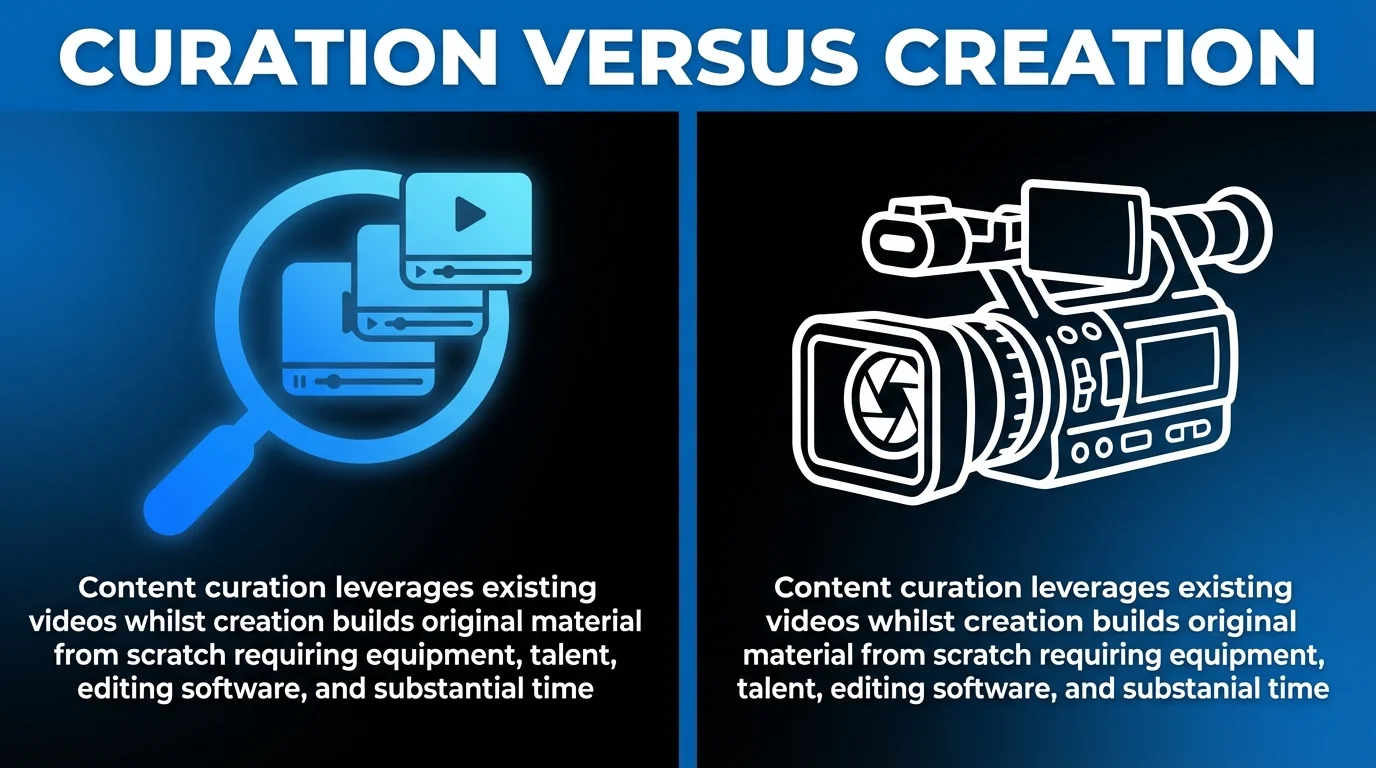
Both approaches serve distinct purposes. Creation establishes thought leadership and showcases unique expertise. Curation builds community, provides diverse perspectives, and maintains consistent engagement.
Successful content marketing strategies combine both methods. Use creation for cornerstone content and proprietary insights. Deploy curation to maintain regular posting schedules and provide additional value.
For more context on balancing these approaches, review our guide on content curation vs creation priorities.
Essential Features in Video Content Curation Tools
Selecting the right video content curation tool requires understanding which features deliver genuine value. Not all platforms offer the same capabilities, and your specific needs will determine which features matter most.
The following sections break down the critical features you should evaluate before committing to any platform.
AI-Powered Content Discovery and Filtering
AI-powered content discovery transforms how teams find relevant videos. These systems analyse video content, transcribe audio, and identify key themes automatically. They learn from your preferences over time.
Automated content suggestions save hours of manual searching. The best tools monitor multiple sources simultaneously, including YouTube channels, news sites, and industry publications. They surface relevant videos based on your specified topics and keywords.
Content filtering prevents irrelevant material from cluttering your workflow. Set parameters for video length, quality standards, publication dates, and content themes. The system then presents only videos meeting your criteria.
AI capabilities continue advancing. Modern systems recognise visual elements, detect sentiment in speech, and identify brand mentions within videos. This level of analysis would be impossible manually at scale.
Social Media Integration and Scheduling
Social media integration allows you to distribute curated videos directly from your curation platform. Connect accounts from major platforms like Facebook, Instagram, LinkedIn, and Twitter. Manage all channels from a single dashboard.
Content scheduling ensures consistent posting without manual intervention. Queue videos for optimal publishing times. Most platforms offer analytics showing when your audience is most active.
Automation features handle routine distribution tasks. Set up rules for automatic posting based on content type, topic, or source. Some tools even suggest posting schedules based on engagement patterns.
Cross-platform optimisation matters increasingly. Videos require different formats and dimensions for each social platform. Advanced tools automatically resize and reformat content for each destination.
Content Organisation and Management Systems
Content organisation capabilities determine how efficiently you can work with large video libraries. Effective systems use tagging, categorisation, and metadata management to keep content accessible.
Metadata management and tagging enable quick retrieval. Tag videos by topic, campaign, client, or any custom category. Search functionality should instantly locate specific videos using any tagged attribute.
Collection features group related videos together. Create themed collections for specific campaigns or content series. This organisation becomes essential when managing hundreds or thousands of curated videos.
Collaboration tools enable team workflows. Multiple team members can review, approve, and schedule content. Assign roles with different permission levels to maintain quality control.
Video Processing and Optimisation Features
Video processing capabilities transform long-form content into shareable clips. These features identify highlights, create thumbnails, and optimise videos for different platforms.
Automated content suggestions from AI systems identify the most engaging moments in longer videos. They analyse factors like speech patterns, visual changes, and audience retention to suggest optimal clip points.
Transcoding ensures videos play smoothly across devices. Tools handle format conversions, compression, and quality optimisation automatically. This technical processing happens behind the scenes.
Annotation features add value to curated content. Overlay text, logos, or calls-to-action on videos before distribution. Some platforms offer simple editing tools for minor adjustments.
Analytics and Engagement Tracking
Content analytics and engagement tracking show which curated videos resonate with audiences. Track views, shares, comments, and click-through rates across all distribution channels.
Performance metrics inform future curation decisions. Identify which topics, formats, and sources generate the strongest engagement. Adjust your content curation strategy based on data rather than assumptions.
Reporting features compile data into actionable insights. Generate reports showing content performance over time. Compare different video types, sources, or distribution channels.
Integration with existing analytics platforms extends capabilities. Export data to Google Analytics, marketing automation platforms, or business intelligence tools for deeper analysis.
Integration Capabilities and API Access
Integration options determine how well a video content curation tool fits your existing technology stack. Look for platforms offering pre-built connections to your current tools.
RSS feed integration enables automatic content monitoring. Add feeds from industry blogs, news sites, and video platforms. The tool checks these sources continuously for new content.
API access provides flexibility for custom implementations. Developers can build automated workflows, create custom integrations, or extract data for external analysis.
Cloud storage connections streamline content management. Link to Google Drive, Dropbox, or other storage services. Access your full video library without uploading everything to the curation platform.
Top Video Content Curation Tools for 2025
The video content curation market offers numerous solutions, each with distinct strengths. This section examines the leading platforms, their key features, pricing structures, and ideal use cases.
We’ve organised these tools by their primary strengths to help you identify the best match for your specific requirements.
Momento: AI-Powered Highlight Detection
Momento specialises in identifying the most engaging moments within long-form videos. The platform uses AI-powered analysis to detect highlights based on visual changes, audio patterns, and engagement indicators.
The tool automatically creates social-ready shorts from longer content. It handles aspect ratio conversions, adds captions, and optimises videos for different platforms. This automation significantly reduces manual editing time.
Key features include automatic caption generation, customisable branding overlays, and multi-platform export options. The system learns from your editing preferences to improve suggestions over time.
Momento works particularly well for brands producing regular long-form content like webinars, podcasts, or interviews. It transforms one piece of content into multiple social media assets.
Best for: Content teams needing to maximise value from existing long-form video content through automated clip creation.
Opus Clip: Talking-Head Video Optimisation
Opus Clip focuses specifically on repurposing talking-head videos into short clips. It analyses speaker patterns, identifies complete thoughts, and creates coherent short-form content.
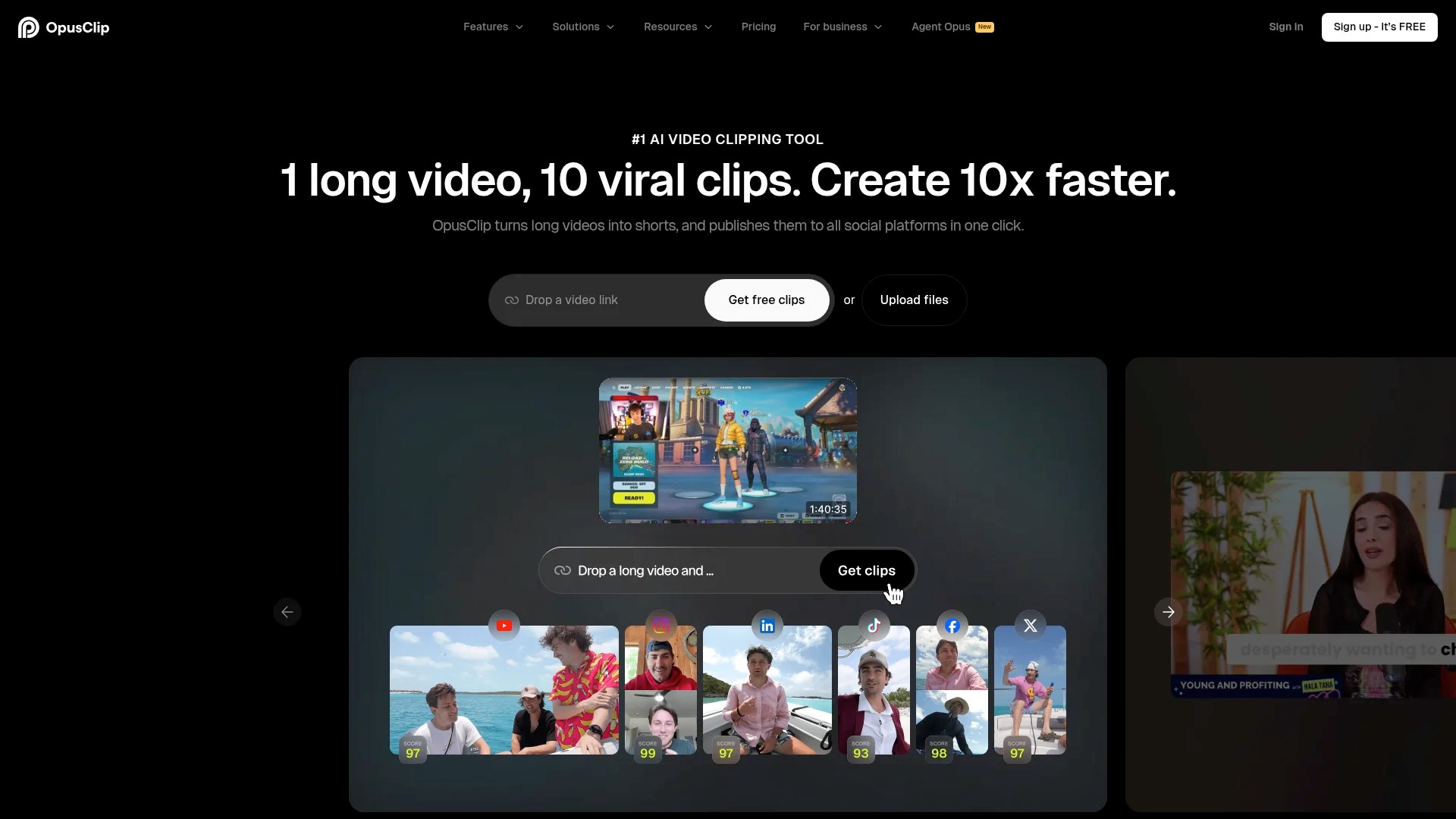
The platform excels at content from presentations, interviews, and educational videos. It maintains context while extracting valuable segments, ensuring clips make sense independently.
AI-powered features include speaker detection, automatic framing adjustments, and engagement prediction scores. The system rates each potential clip based on likely social media performance.
Integration with major social platforms enables direct publishing. Schedule clips across multiple channels or download for manual distribution. The tool supports batch processing for efficient workflows.
Best for: Thought leaders, educators, and businesses creating interview or presentation content that needs repurposing for social media.
Vidyo.ai: Podcast and Long-Form Video Conversion
Vidyo.ai converts long-form podcasts and videos into platform-optimised clips. The system identifies topic changes, extracts key discussions, and creates standalone segments.
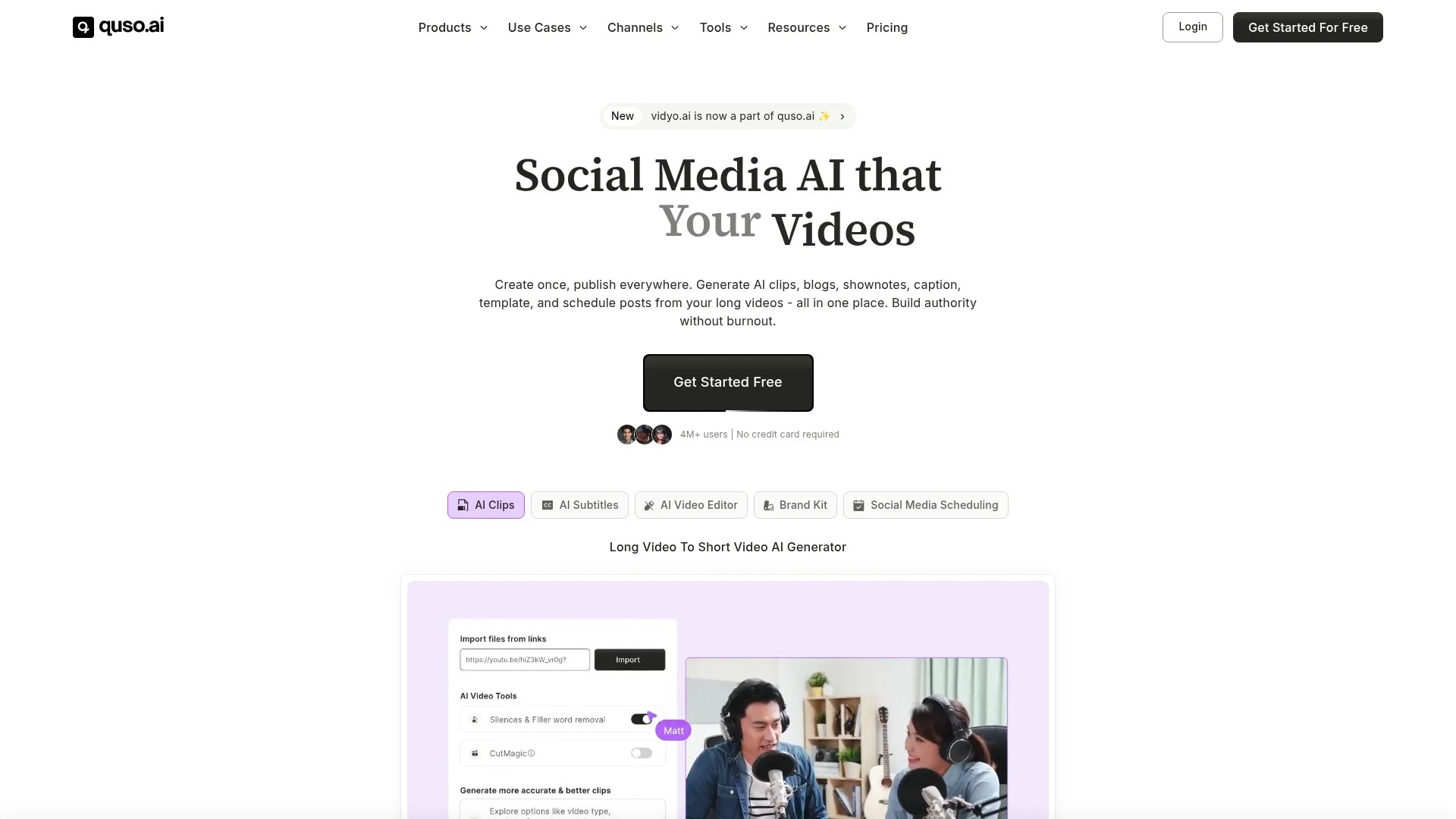
The platform offers advanced customisation options for branding. Add logos, custom colours, and consistent visual elements across all clips. Templates ensure brand consistency without manual adjustment.
Content discovery features help identify trending topics within your content. The system highlights segments likely to generate engagement based on current trends and historical performance.
Automated content suggestions include optimal clip length recommendations for each platform. The tool adjusts based on whether you’re targeting Instagram Reels, TikTok, YouTube Shorts, or LinkedIn video.
Best for: Podcast producers and content creators with substantial long-form video libraries needing efficient repurposing workflows.
Pictory: Visual Content Creation Platform
Pictory combines content curation with creation capabilities. The platform’s drag-and-drop interface makes video editing accessible to non-technical users.
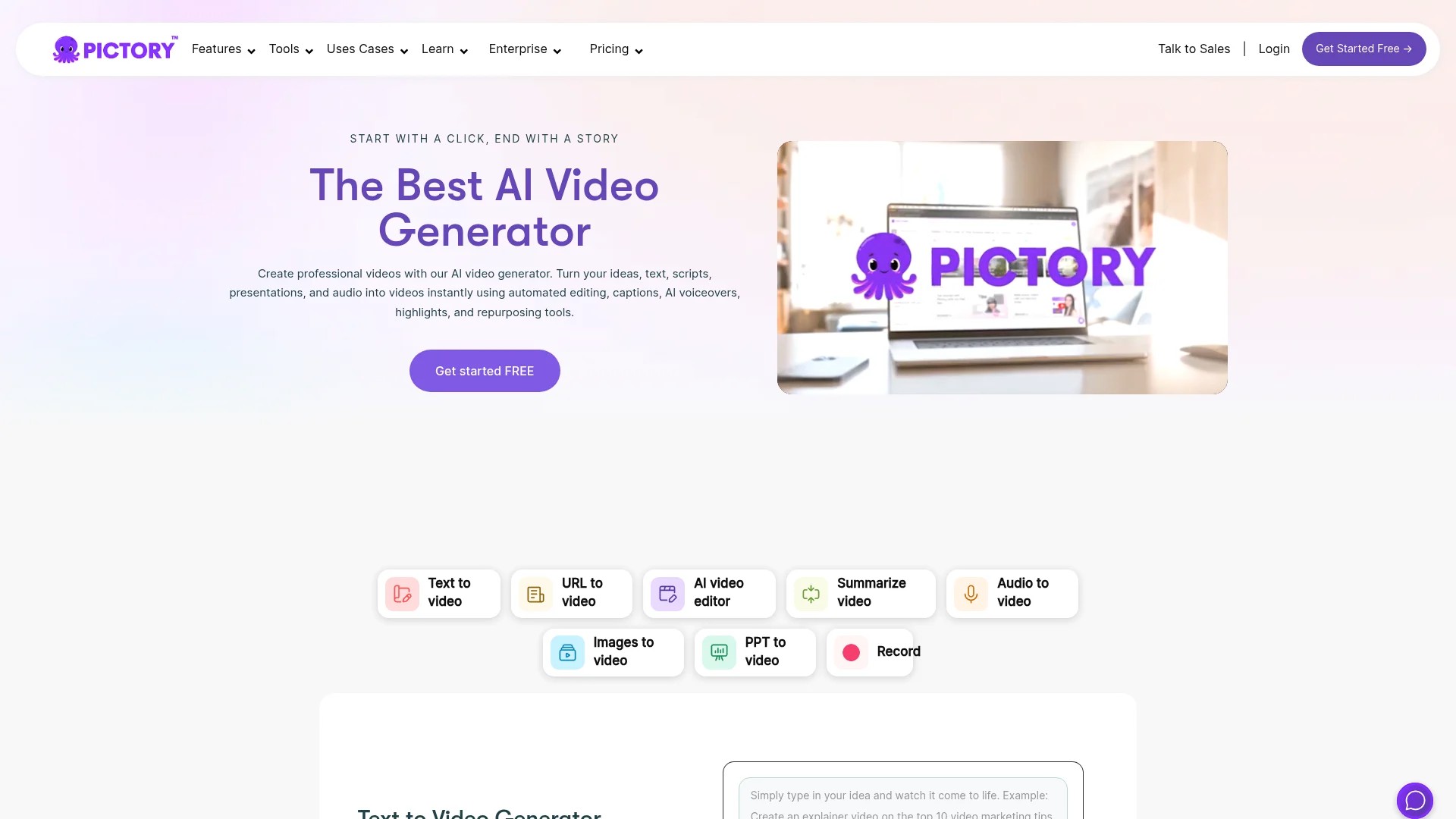
The tool transforms written content into video format. Upload blog posts or scripts, and Pictory automatically selects relevant stock footage, adds text overlays, and creates complete videos.
Content organisation features include project folders, template libraries, and asset management. Store frequently used elements for quick access across multiple projects.
Social media integration allows direct publishing to connected accounts. Preview how videos will appear on each platform before scheduling. Automatic format adjustments ensure optimal display.
Best for: Marketing teams wanting to repurpose written content into video format without extensive editing skills or expensive software.
Lumen5: Blog-to-Video Transformation
Lumen5 specialises in converting blog posts and written content into engaging videos. The platform analyses text, identifies key points, and suggests relevant visual elements.
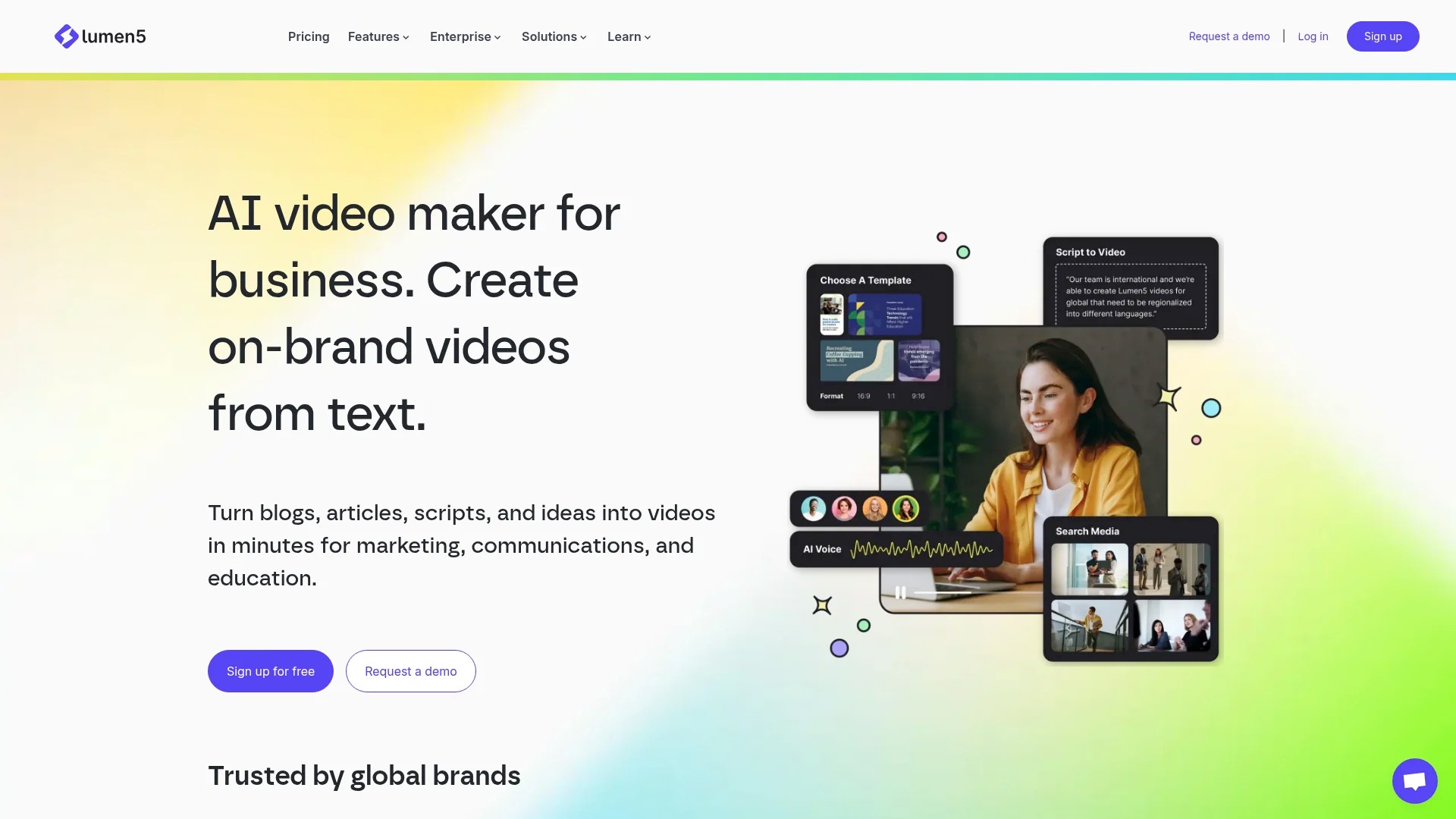
AI-powered content discovery automatically sources stock footage and images matching your content themes. The system maintains visual coherence while providing variety.
Template libraries offer starting points for different video styles. Choose from educational, promotional, testimonial, or news-style formats. Customise colours, fonts, and layouts to match your brand.
Content scheduling capabilities enable planning publication across multiple channels. Queue videos for optimal times based on audience analytics. Track performance across all distributed content.
Best for: Bloggers and content marketers seeking to expand reach by transforming written content into video format for social platforms.
Comprehensive Content Curation Platforms
Some platforms offer broader content curation capabilities beyond video alone. These tools handle multiple content types while providing robust video content curation features.
The following platforms serve teams managing diverse content strategies across various formats.
Quuu: AI-Driven Content Suggestions
Quuu provides AI-powered content suggestions across multiple formats, including video. The platform continuously monitors thousands of sources to surface relevant content matching your specified interests.
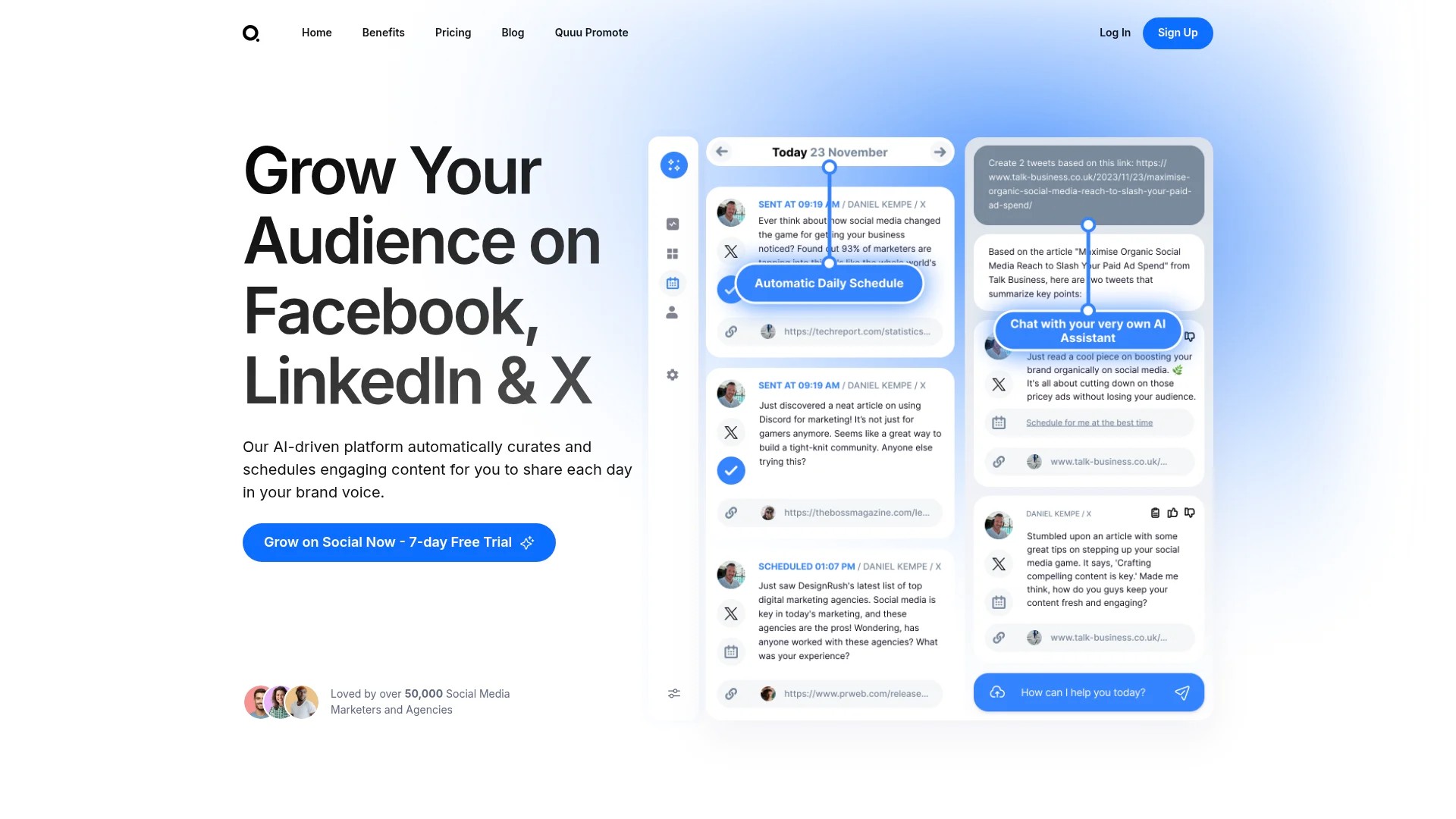
Content discovery happens automatically based on topics you select. Quuu’s AI analyses content quality, relevance, and engagement potential before suggesting items. This curation saves hours of manual searching.
Social media integration enables one-click sharing to connected accounts. Schedule curated content alongside your original posts for consistent publishing. The platform balances automated suggestions with manual control.
For comprehensive guidance on content curation strategies, explore our ultimate guide to content curation tools.
Best for: Marketing teams wanting curated content suggestions across multiple formats with minimal time investment.
Feedly: RSS-Powered Content Monitoring
Feedly aggregates content from RSS feeds, blogs, YouTube channels, and news sources. The platform’s AI assistant, Leo, learns your preferences and prioritises relevant content.
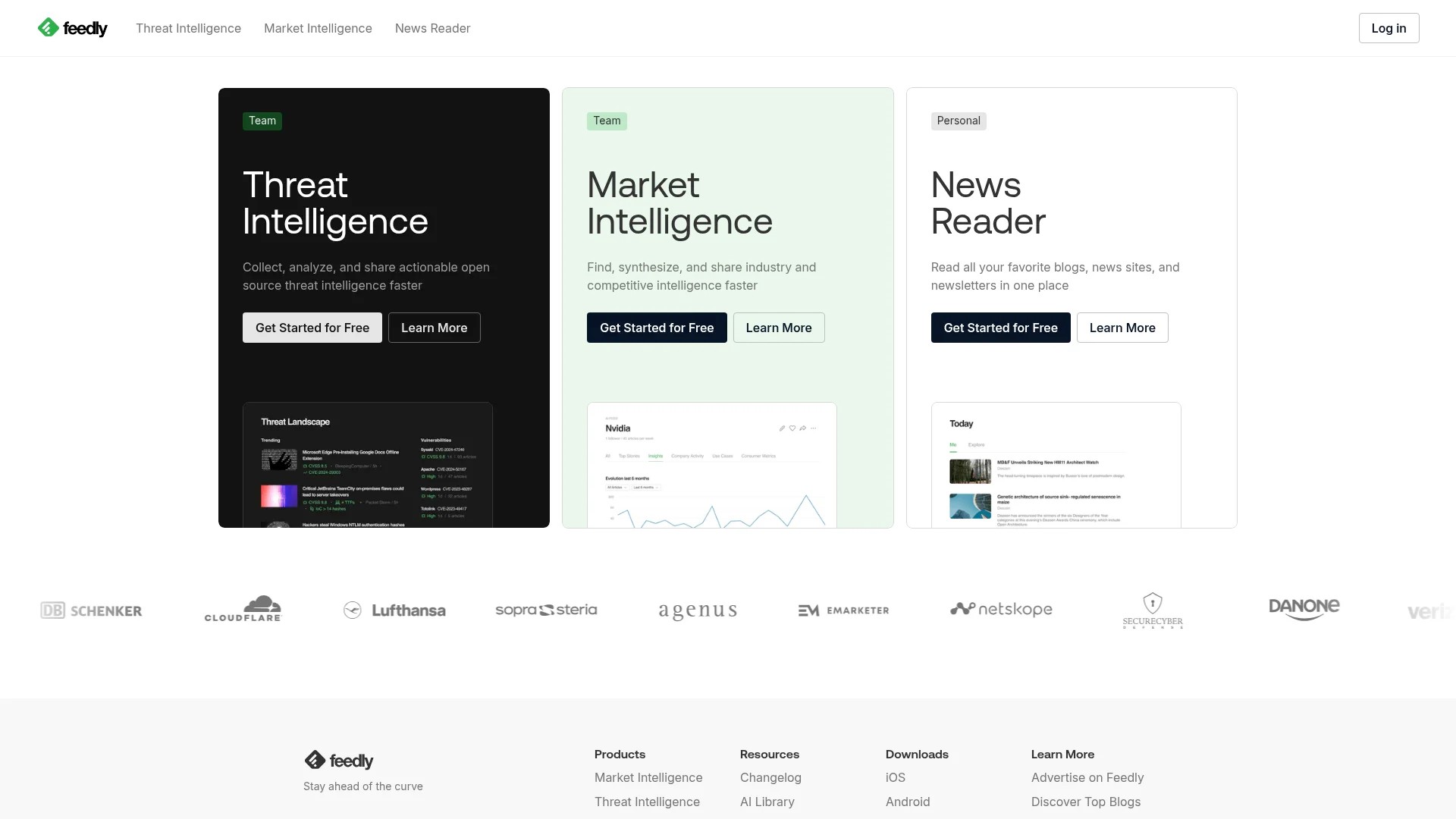
Content organisation uses boards and collections to group related sources. Create separate feeds for different topics, clients, or campaigns. Share collections with team members for collaborative curation.
RSS feed integration forms the platform’s foundation. Add any source with an RSS feed for automatic monitoring. Feedly checks sources continuously and surfaces new content immediately.
Integration capabilities connect Feedly to social media schedulers, email platforms, and project management tools. Export curated content to your existing workflow systems.
Best for: Research-focused teams monitoring numerous sources across topics who need comprehensive content aggregation beyond video alone.
Curata: Enterprise Content Curation
Curata targets enterprise organisations with complex content marketing needs. The platform combines content discovery, curation, and distribution with advanced workflow management.
AI-powered content discovery monitors thousands of sources simultaneously. Machine learning algorithms improve recommendations based on which content you select and how your audience engages.
Content marketing integration connects curation activities to broader campaigns. Track how curated content supports marketing objectives. Measure contribution to lead generation and customer engagement.
Collaboration tools support large teams with approval workflows, role-based permissions, and content calendars. Multiple team members can contribute while maintaining quality standards.
Best for: Large enterprises requiring robust workflow management, extensive integration options, and advanced analytics for content curation programmes.
Pricing Structures and Budget Considerations
Understanding pricing models helps you evaluate the true cost of video content curation tools. Platforms use various pricing structures, each with different implications for budget planning.
This section examines common pricing approaches and helps you assess which offers the best value for your specific situation.
Free Plan Limitations and Capabilities
Many video content curation tools offer free plans with restricted features. These entry-level options let you test functionality before committing to paid plans.
Common free plan limitations include restricted video processing minutes, limited social media connections, watermarked outputs, and reduced storage capacity. Some platforms restrict access to AI-powered features in free tiers.
Free plans work well for individual creators, small projects, or evaluation purposes. They provide enough functionality to understand the platform’s capabilities and interface.
However, serious marketing operations quickly outgrow free limitations. Processing restrictions become bottlenecks when managing multiple campaigns or serving multiple clients.
Paid Plans and Tier Structures
Paid plans typically organise into multiple tiers based on usage volume and feature access. Entry-level paid plans might start around £15-30 monthly, whilst professional tiers range from £50-150 monthly.
Enterprise pricing varies significantly based on requirements. Expect custom quotes for large teams, extensive integration needs, or high-volume processing requirements.
Usage-based pricing charges for video processing minutes, published posts, or connected accounts. This model scales with actual usage but can become expensive for high-volume operations.
Seat-based pricing charges per team member. This approach suits organisations where multiple people need platform access. Some vendors combine seat-based pricing with usage caps.
Evaluating Return on Investment
Calculate ROI by comparing subscription costs against time savings and performance improvements. If a tool saves your team five hours weekly at a labour cost of £50 hourly, that’s £250 weekly savings.
Performance metrics matter beyond time savings. Track engagement rates, reach, and conversions from curated content. Compare these metrics to content created without curation tools.
Hidden costs include learning curves, integration setup, and workflow adjustments. Factor in initial implementation time when evaluating total cost of ownership.
Trial periods enable realistic testing before commitment. Use trials to process actual content, test integrations, and evaluate fit with existing workflows.
For budget-conscious teams, our guide to content curation tools for every budget offers additional options across price points.
Advanced Features for Professional Teams
Professional marketing teams require capabilities beyond basic video curation. Advanced features enable sophisticated workflows, detailed analytics, and seamless integration with existing systems.
The following features distinguish professional-grade platforms from basic tools.
Team Collaboration and Workflow Management
Multi-user capabilities enable team collaboration without access conflicts. Team members can simultaneously work on different projects, review content, and manage publishing schedules.
Approval workflows ensure quality control. Designate reviewers who must approve content before publication. Track approval status and maintain audit trails of who approved what content.
Role-based permissions protect sensitive functions. Grant different access levels based on job responsibilities. Junior team members might queue content whilst managers handle final approval and analytics.
Activity logs track all platform actions. See who uploaded content, made edits, or changed settings. This transparency helps troubleshoot issues and maintain accountability.
White-Label and Brand Customisation
White-label capabilities matter for agencies serving multiple clients. Remove vendor branding and apply client logos, colours, and visual elements to all output.
Custom templates maintain brand consistency across content. Create templates incorporating brand guidelines once, then reuse them for all subsequent content. This consistency strengthens brand identity.
Custom domain options enable hosting curated content on your own domain. This professional presentation builds trust and maintains brand control.
Client access portals allow clients to review queued content and approve publishing schedules. This transparency improves client relationships whilst maintaining agency control.
Advanced Analytics and Reporting
Comprehensive analytics track content performance across all distribution channels. See which videos generate engagement, drive traffic, or convert viewers into leads.
Custom reporting generates presentations for stakeholders. Schedule automated reports showing key metrics. Export data for further analysis in business intelligence tools.
Competitive analysis features compare your content performance against competitors. Identify gaps in your content strategy or opportunities in underserved topics.
Attribution tracking connects curated content to business outcomes. See which videos contribute to lead generation, sales, or other conversion goals.
Security and Compliance Features
Enterprise security requirements include data encryption, secure authentication, and compliance with regulations like GDPR. Professional platforms document their security practices and compliance certifications.
Access controls protect sensitive content and client information. Implement single sign-on, two-factor authentication, and IP restrictions for additional security.
Data residency options matter for international operations. Some platforms allow choosing where data is stored to comply with local regulations.
Audit capabilities track all platform activities for compliance purposes. Maintain detailed logs showing who accessed what content and when.
Implementation Best Practices
Successful video content curation requires more than selecting the right tool. Effective implementation involves strategic planning, workflow design, and ongoing optimisation.
These best practices help you maximise value from your chosen platform.
Defining Content Curation Strategy
Start by clarifying your content curation objectives. Are you supplementing original content, building thought leadership, or maintaining posting consistency? Clear goals guide all subsequent decisions.
Identify your target audience and their content preferences. What topics interest them? Which video formats generate engagement? Use existing analytics to inform these decisions.
Establish content quality standards before beginning curation. Define what qualifies as shareable content. Consider relevance, production quality, source credibility, and alignment with brand values.
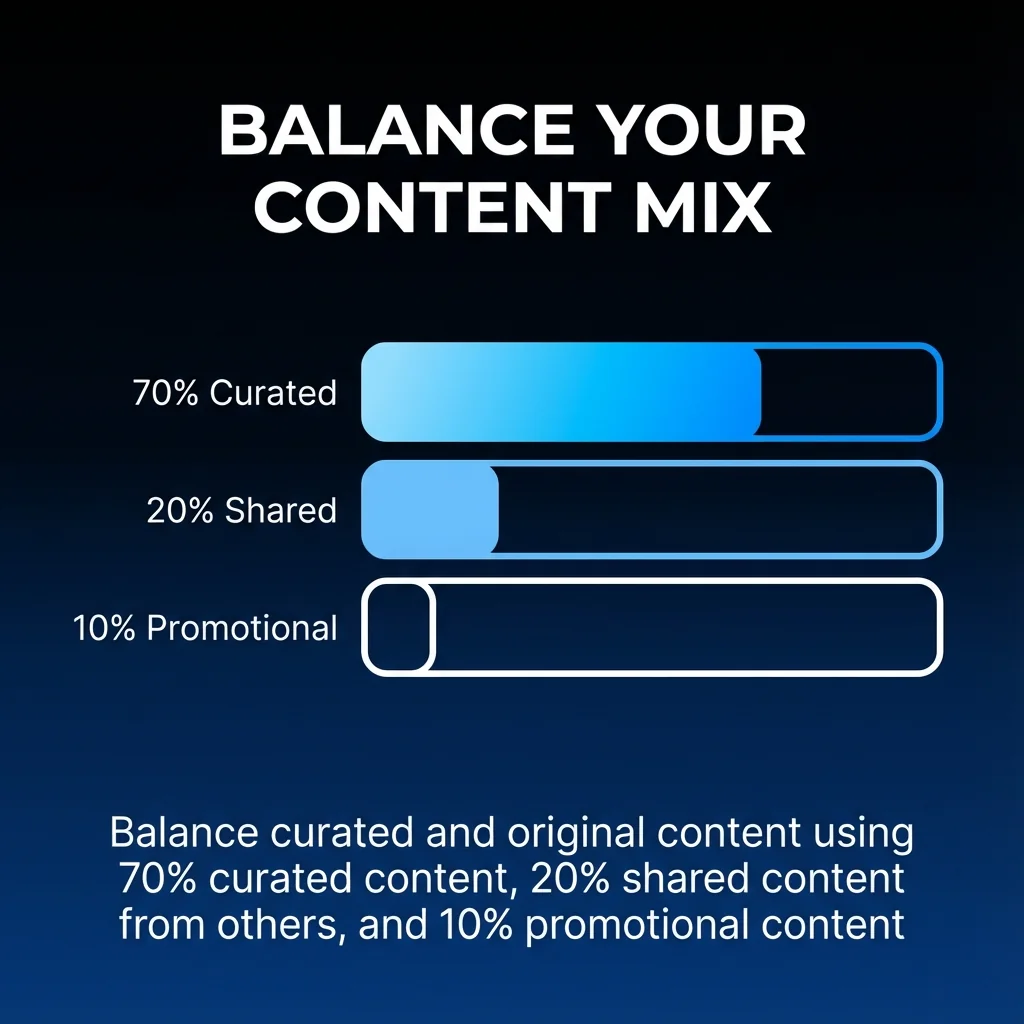
Balance curated and original content appropriately. Most experts recommend the 70-20-10 rule: 70% curated content, 20% shared content from others, 10% promotional content. Adjust based on your audience response.
Learn more about developing effective approaches in our article on essential content curation strategies.
Setting Up Efficient Workflows
Design workflows matching your team structure and content volume. Small teams might handle all tasks individually, whilst larger operations benefit from specialised roles.
Establish review and approval processes appropriate to your risk tolerance. High-stakes brands might require multiple approval stages, whilst agile teams might trust experienced curators.
Schedule regular curation sessions rather than ad hoc searching. Block time for discovering, evaluating, and queueing content. Consistent scheduling prevents last-minute scrambling.
Create content calendars showing curated and original content together. This overview reveals gaps, prevents repetition, and ensures thematic variety.
Optimising Content Discovery
Configure content sources strategically. Start with high-quality sources in your industry. Add sources gradually based on content quality and relevance.
Refine AI-powered filtering over time. Review suggested content regularly and provide feedback. Most platforms improve recommendations based on your selections and rejections.
Monitor diverse sources to avoid echo chambers. Include perspectives from different industry segments, geographies, and viewpoints. Diverse curation provides richer value to audiences.
Stay current with trending topics in your industry. Balance evergreen content with timely material. Tools with trend detection help identify emerging topics worth addressing.
Measuring and Improving Performance
Track key metrics consistently. Monitor engagement rates, click-through rates, and audience growth. Compare curated content performance against original content.
Analyse which content types perform best. Do tutorials outperform interviews? Do shorter clips generate more engagement than longer segments? Let data guide your curation focus.
Test different posting schedules and frequencies. Experiment with times, days, and posting volume. Most platforms provide analytics showing when your audience is most active.
Review performance monthly and adjust strategy accordingly. Double down on what works and eliminate what doesn’t. Continuous improvement separates effective curation from random sharing.
Integration with Broader Marketing Strategy
Video content curation delivers maximum value when integrated with your overall marketing strategy. Isolated curation efforts miss opportunities for synergy and amplification.
This section explores how to connect curation activities with other marketing initiatives.
Email Newsletter Creation and Distribution
Email newsletter creation benefits significantly from curated video content. Subscribers appreciate valuable videos they might have missed. Curated content keeps newsletters valuable between major announcements.
Many content curation tools integrate with email marketing platforms. Export curated videos directly into newsletter templates. Some platforms automatically generate newsletter content from your curated queue.
Balance promotional and educational content in newsletters. Curated videos provide educational value without appearing self-promotional. This balance improves open rates and subscriber retention.
Segment email lists based on interests and send targeted curated content. Different subscriber groups receive videos matching their specific interests. This personalisation increases engagement.
Social Media Content Strategy
Social media integration transforms how you maintain active social presence. Curated videos fill gaps in your content calendar without requiring constant original production.
Different platforms require different video formats. Instagram prioritises vertical video for Reels, YouTube suits longer horizontal content, and TikTok favours quick, engaging clips. Choose tools handling these format differences automatically.
Content scheduling ensures consistent posting without daily manual effort. Queue curated videos during content planning sessions. The platform publishes automatically at optimal times.
Engage with comments and responses to curated content. Add your perspective when sharing videos. This additional context demonstrates thought leadership whilst crediting original creators.
Discover advanced techniques in our guide to AI-powered content curation strategies for social media.
Content Marketing Campaign Support
Content marketing campaigns benefit from supporting curated content. Launch original cornerstone content whilst curating related perspectives. This comprehensive approach positions you as a central information source.
Theme curated content around campaign objectives. When launching a new product, curate videos addressing problems your product solves. This approach builds context without appearing overly promotional.
Extend campaign lifespan through continued curation. After publishing original campaign content, continue sharing related curated videos. This sustained activity maintains momentum beyond the initial launch.
Track how curated content contributes to campaign metrics. Does curated content drive traffic to campaign landing pages? Do curated videos generate qualified leads? Connect curation activities to business outcomes.
Building Thought Leadership
Thought leadership develops through demonstrating deep industry knowledge. Curating valuable content from diverse sources proves you monitor the industry comprehensively.
Add commentary when sharing curated videos. Explain why the content matters, highlight key takeaways, or offer contrasting perspectives. This analysis showcases your expertise.
Curate content from both established authorities and emerging voices. This balanced approach demonstrates broad awareness whilst supporting new perspectives.
Create themed collections around important industry topics. Group related curated videos into comprehensive resources. These collections become valuable references your audience returns to repeatedly.
Automation and AI in Video Content Curation
Automation and AI capabilities fundamentally change content curation efficiency. These technologies handle routine tasks, identify patterns humans might miss, and enable curation at scales previously impossible.
Understanding these capabilities helps you leverage them effectively.
Current AI Capabilities in Video Curation
AI-powered content discovery monitors sources continuously without human intervention. These systems analyse new videos immediately upon publication, categorising them by topic, quality, and relevance.
Automated content suggestions rank videos by predicted performance. AI analyses historical engagement data, current trends, and content characteristics to estimate which videos will resonate with your audience.
Natural language processing extracts meaning from video transcripts. AI identifies key themes, sentiment, and speaker intent. This analysis enables sophisticated filtering beyond simple keyword matching.
Visual recognition analyses video content itself. AI identifies objects, scenes, brand logos, and activities within videos. This capability enables filtering based on visual elements rather than just metadata.
Automation Capabilities and Limitations
Automation handles repetitive tasks efficiently. Scheduling, format conversion, and distribution across channels happen without manual intervention. These time savings let teams focus on strategy and analysis.
Rule-based automation executes predefined workflows. Set conditions triggering specific actions. For example, automatically queue videos from trusted sources or publish content matching specific criteria.
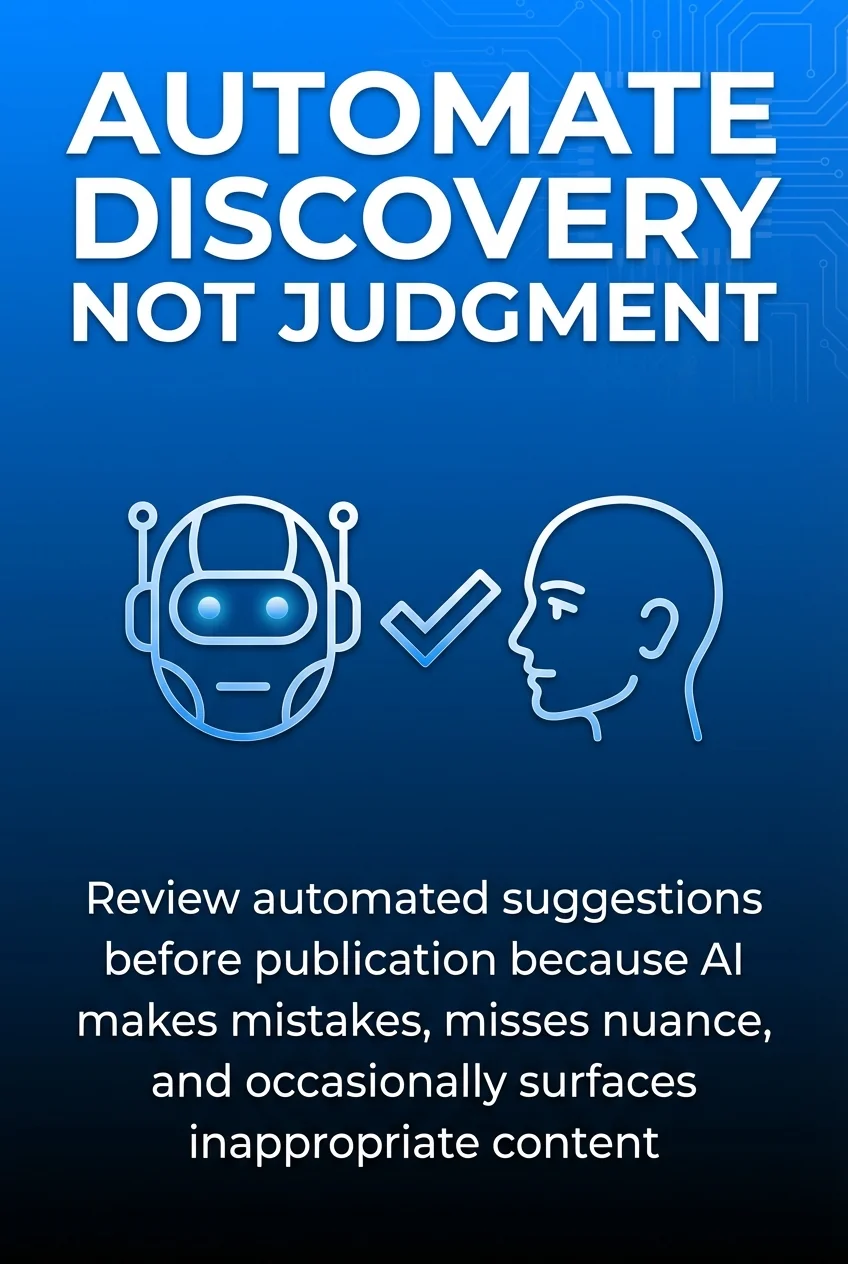
However, automation cannot fully replace human judgment. Context, brand fit, and strategic alignment require human evaluation. Effective curation balances automation efficiency with human oversight.
Quality control remains essential even with advanced AI. Review automated suggestions before publication. AI makes mistakes, misses nuance, and occasionally surfaces inappropriate content.
Our detailed guide on automated content curation explores these capabilities further.
Future Developments in AI-Powered Curation
Emerging AI capabilities will enhance video content curation significantly. Improved natural language understanding will enable more sophisticated content analysis. AI will better understand context, humour, and subtle messaging.
Predictive analytics will forecast content performance more accurately. AI will analyse broader signals including current events, seasonal patterns, and emerging trends. These predictions will help prioritise curation efforts.
Personalisation will become more sophisticated. AI will tailor content suggestions for different audience segments automatically. The same video might be shared differently to various audience groups.
Integration between platforms will improve. AI will coordinate content across channels, optimising overall strategy rather than individual platforms. This holistic approach will maximise cumulative impact.
Selecting the Right Tool for Your Needs
Choosing amongst video content curation tools requires evaluating your specific requirements against available options. No single tool suits every situation perfectly.
This decision framework helps you identify the best match for your circumstances.
Assessing Your Requirements
Begin by documenting your current content workflows. How much time does content discovery consume? How many videos do you publish weekly? How many team members need platform access?
Identify your primary pain points. Do you struggle with finding relevant content? Does manual editing consume excessive time? Do you need better analytics? Prioritise tools addressing your biggest challenges.
Consider your technical capabilities and resources. Some platforms require technical setup and ongoing management. Others offer simpler interfaces suitable for non-technical users.
Define your budget realistically. Factor in subscription costs, implementation time, and training requirements. Calculate the total cost of ownership beyond just monthly fees.
Evaluation Criteria and Decision Framework
Create a weighted scoring system for evaluation. List essential features and assign importance weights. Score each platform against these criteria.
Essential criteria might include AI-powered discovery quality, social media integration breadth, video processing capabilities, pricing structure, and customer support quality.
Test platforms thoroughly during trial periods. Process real content through your actual workflows. Involve team members who will use the platform daily. Their feedback reveals practical issues scoring systems miss.
Request demonstrations from vendors. Ask specific questions about your use cases. Observe how platforms handle scenarios you encounter regularly.
For additional guidance on selection processes, review our article on choosing the right automation tool for your brand.
Common Selection Mistakes to Avoid
Avoid selecting tools based solely on feature lists. Extensive features mean nothing if they’re difficult to use or poorly implemented. Prioritise well-executed core capabilities over lengthy feature lists.
Don’t underestimate learning curves and adoption challenges. Complex platforms might offer powerful capabilities but frustrate users. Consider whether your team will actually use advanced features.
Beware of over-committing to long contracts before thorough testing. Start with monthly subscriptions if possible. Graduate to annual plans only after confirming the platform meets your needs.
Consider future needs alongside current requirements. Will the platform scale as your content operations grow? Can it accommodate additional team members, channels, or content volume?
Migration and Implementation Planning
Plan migration carefully when switching from existing tools. Document current workflows, content libraries, and integration dependencies. Identify what needs transferring to the new platform.
Phase implementation rather than switching everything simultaneously. Start with one channel or content type. Expand gradually as team confidence grows.
Invest in proper training for all users. Most platforms offer onboarding resources, documentation, and support. Use these resources to accelerate adoption and prevent frustration.
Establish clear processes and guidelines before full deployment. Document workflows, quality standards, and approval processes. This documentation ensures consistency across team members.
Key Questions About Video Content Curation
What are the 5 C’s of curation?
There is no single, universally accepted framework called the “5 C’s of curation” in authoritative literature. Different marketing practitioners propose their own models, which vary by author and lack standardisation. Individual consultants and blogs suggest differing lists without scholarly validation.
Moving Forward with Video Content Curation
Video content curation tools have become essential infrastructure for modern content marketing. The market’s projected growth to USD 132.9 billion by 2035 reflects their increasing importance across industries.
The platforms examined here each offer distinct strengths. Momento and Opus Clip excel at extracting highlights from long-form content. Pictory and Lumen5 transform written content into video format. Comprehensive platforms like Quuu and Feedly handle multiple content types alongside video.
Your choice depends on specific requirements. Consider your content volume, team size, technical capabilities, and budget constraints. Use trial periods to test platforms with your actual content and workflows.
Start with clear objectives. Define what success looks like for your content curation efforts. Establish metrics you’ll track to measure performance. These benchmarks guide platform selection and ongoing optimisation.
Implementation matters as much as tool selection. Design workflows matching your team structure. Establish quality standards and approval processes. Integrate curation activities with broader marketing strategies for maximum impact.
Video content curation will continue evolving as AI capabilities advance. Platforms will offer increasingly sophisticated content discovery, personalisation, and performance prediction. Stay informed about emerging capabilities whilst mastering current tools.
The most successful content marketing strategies balance creation and curation effectively. Use curation to maintain consistent presence, provide diverse perspectives, and supplement original content. This balanced approach maximises audience value whilst managing resource constraints.
Begin your video content curation journey by evaluating two or three platforms matching your primary requirements. Test them thoroughly with real content. Involve team members in the evaluation process. Their practical insights will guide you toward the right choice.