Social media scheduler trends in 2025 are fundamentally reshaping how marketing teams plan and execute their content strategies. Modern scheduling tools now combine artificial intelligence with advanced analytics to optimise posting times, automate content creation, and deliver measurable ROI across multiple platforms simultaneously. The most significant shifts include AI-powered post generation that creates platform-specific content automatically, expanded multi-platform support enabling unified dashboard management, and sophisticated analytics tracking that connects social efforts directly to business outcomes.
This transformation addresses a critical challenge: marketing teams need to maintain consistent presence across an increasingly fragmented social landscape whilst managing limited time and resources. The scheduling tools arriving in 2025 don’t just help you post content—they actively optimise when, where, and how that content appears to maximise engagement.
Understanding these emerging trends matters because the gap between teams using advanced scheduling capabilities and those relying on manual posting continues to widen. The strategies and tools covered here will help you schedule smarter, engage more effectively, and measure what actually drives results.
What Defines Social Media Scheduler Trends in 2025
The social media scheduler landscape has shifted from basic calendar tools to sophisticated platforms integrating automation, intelligence, and analytics. Three core capabilities now define modern scheduling solutions.
AI-Powered Content Creation and Optimisation
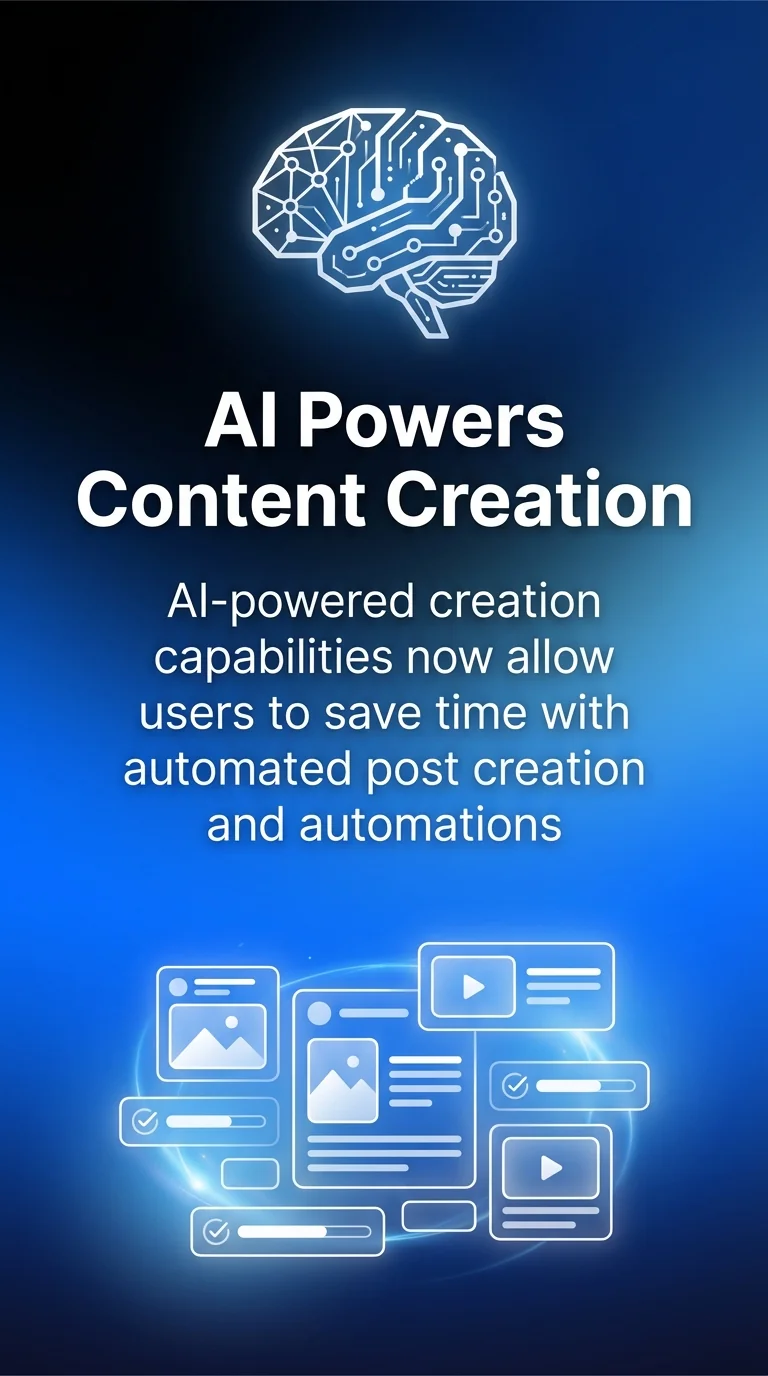
AI-powered creation capabilities now allow users to save time with automated post creation and automations. These systems analyse your existing content, understand your brand voice, and generate platform-specific posts that match your style.
The automation extends beyond simple scheduling. Modern tools suggest optimal posting times based on your specific audience behaviour rather than generic industry averages. They adjust recommendations as engagement patterns shift.
Smart scheduling systems now handle content variations automatically. Write one message, and the tool adapts it for Instagram’s visual focus, LinkedIn’s professional tone, and TikTok’s casual style. This eliminates the tedious work of reformatting content manually.
Expanded Multi-Platform Support
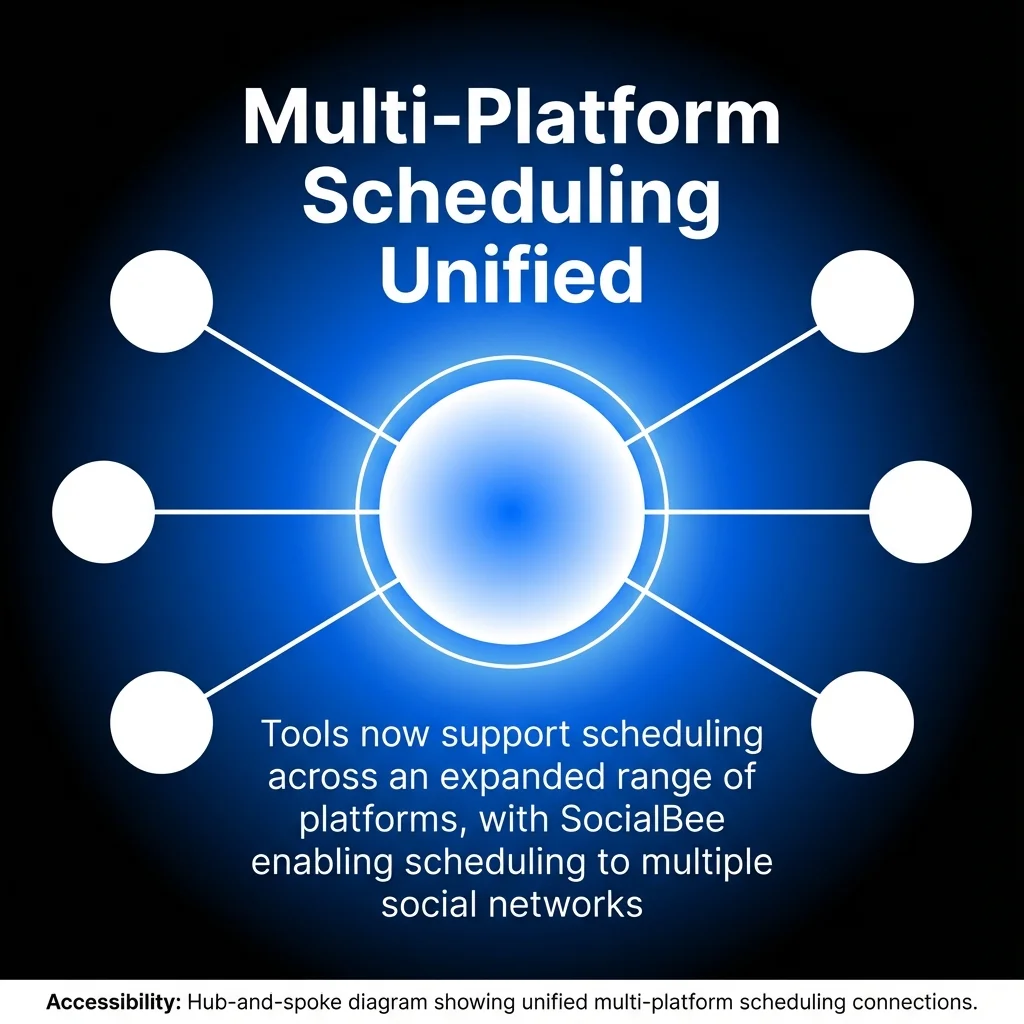
Tools now support scheduling across an expanded range of platforms, with SocialBee enabling scheduling to multiple social networks. The unified dashboard approach means you manage Instagram, Facebook, TikTok, LinkedIn, Pinterest, and YouTube from a single interface.
This consolidation solves a persistent problem. Marketing teams previously juggled multiple tools, each with different interfaces and workflows. The cognitive load of switching between platforms reduced efficiency and increased errors.
Cross-platform scheduling now includes format adaptation. Upload a video once, and the system automatically crops it to Instagram’s 4:5 ratio, TikTok’s 9:16 vertical format, and YouTube’s 16:9 widescreen. The same content reaches every audience in the optimal format.
Advanced Analytics and ROI Tracking
Comprehensive analytics show actual social media ROI, including both paid and organic content. These metrics connect social activity directly to business outcomes rather than vanity metrics like follower counts.
Modern scheduling tools track the complete customer journey. You see which social posts drive website visits, which visits convert to email subscribers, and which subscribers become customers. This visibility transforms social media from a creative activity into a measurable revenue channel.
The analytics work across all connected platforms simultaneously. Compare engagement rates between Instagram Stories and TikTok videos directly. Identify which content types perform best on each platform without exporting data to spreadsheets.
Why Strategic Scheduling Timing Drives Engagement
Posting at optimal times significantly impacts how many people see and interact with your content. The algorithms controlling social feeds prioritise recent posts that generate immediate engagement.
Algorithm Behaviour and Time Sensitivity
Social platforms use engagement velocity as a ranking signal. Posts that receive likes, comments, and shares quickly after publishing get shown to wider audiences. Posting when your specific followers are actively scrolling increases initial engagement rates.
This creates a compounding effect. Strong early engagement signals quality to the algorithm, which shows your post to more people, generating additional engagement. Posts published at suboptimal times miss this acceleration window entirely.
Different platforms weight timing differently. Instagram prioritises content from the past few hours. LinkedIn’s algorithm remains active for days. Understanding these platform-specific patterns helps you schedule appropriately for each network.
Audience Behaviour Patterns
Your audience’s online behaviour varies by platform, industry, and demographics. Business professionals browse LinkedIn during work hours and lunch breaks. Consumer audiences scroll Instagram during evening leisure time and weekend mornings.
Scheduling tools with audience analytics identify your specific followers’ activity patterns. These insights prove more valuable than generic “best time to post” recommendations that average behaviour across millions of unrelated accounts.
Time zones add complexity for brands with distributed audiences. Advanced schedulers automatically adjust posting times to reach followers in different regions during their local peak activity hours.
Content Type and Timing Relationships
Different content formats perform better at specific times. Educational content succeeds during focused work hours when professionals seek learning opportunities. Entertainment content thrives during evening relaxation periods.
Video content requires more attention than static images. Schedule videos when your audience has time to watch, not during rushed mobile browsing sessions. Stories and Reels benefit from consistent timing that trains your audience to expect new content.
Promotional content faces higher resistance. Position sales-focused posts between value-driven content to maintain trust whilst achieving business objectives.
Platform-Specific Scheduling Strategies for Maximum Impact
Each social platform operates under unique algorithmic rules and audience expectations. Successful scheduling adapts to these platform-specific characteristics rather than applying identical strategies everywhere.
Instagram Scheduling Approaches
Instagram prioritises recent content in feeds whilst simultaneously managing Stories, Reels, and static posts. The platform rewards consistent posting frequency but penalises excessive publishing that overwhelms followers.
Schedule feed posts during peak engagement windows identified in your analytics. Post Stories multiple times daily to maintain top-of-mind presence without cluttering feeds. Reels benefit from early morning or evening scheduling when users browse entertainment content.
Instagram’s algorithm favours accounts that keep users on the platform longer. Schedule content sequences that encourage followers to view multiple pieces consecutively. Use Stories to tease upcoming feed posts, creating anticipation that drives immediate engagement when the main post publishes.
TikTok Timing and Content Flow
TikTok’s For You page algorithm discovers content regardless of posting time, but immediate engagement still boosts visibility. The platform’s younger demographic shows distinct activity patterns around school schedules, evening leisure, and weekend periods.
Consistency matters more on TikTok than precise timing. Publishing multiple videos weekly trains the algorithm about your content type and target audience. Schedule posts to maintain regular presence without overwhelming your production capacity.
TikTok rewards participation in trending challenges and sounds whilst they’re active. Scheduling tools with trend monitoring help you jump on opportunities quickly. Batch-create content responding to multiple trends, then schedule strategic releases.
LinkedIn Professional Network Scheduling
LinkedIn serves business professionals during work hours, making weekday scheduling essential. The platform prioritises thought leadership and professional insights over promotional content.
Schedule LinkedIn posts during morning coffee browsing, lunch breaks, and end-of-day wind-down periods. Tuesday through Thursday show strongest engagement for most business audiences. Avoid weekend publishing unless your audience includes freelancers and entrepreneurs who work irregular schedules.
LinkedIn’s algorithm rewards meaningful conversation. Schedule posts that invite professional discussion and respond promptly to comments. The engagement signals quality content that deserves broader distribution.
Facebook Community Engagement Timing
Facebook’s algorithm prioritises content from friends and family over business pages, making strategic timing crucial for brand visibility. The platform supports various content types, from text updates to live videos.
Schedule Facebook posts during evening hours when users browse leisurely rather than during work-focused daytime scrolling. Weekend mornings capture relaxed browsing sessions with longer attention spans for detailed content.
Facebook Groups require different timing than business pages. Active groups see continuous conversation throughout the day. Schedule group posts when moderators are online to respond to discussion quickly, maintaining momentum.
Essential Features in Modern Social Media Schedulers
The capabilities separating basic scheduling tools from comprehensive social media management platforms centre on automation, collaboration, and intelligence. Understanding these features helps you select tools matching your team’s needs.
Content Calendar and Planning Interfaces
Visual calendar views show your entire content schedule at a glance. Drag-and-drop rescheduling adjusts timing without recreating posts. Colour coding distinguishes content types, campaigns, or platforms instantly.
Multiple view options accommodate different planning styles. Some team members prefer weekly grids showing detailed daily plans. Others need monthly overviews identifying content gaps and distribution patterns.
Calendar interfaces should highlight conflicts before they occur. Alert systems flag when you’ve scheduled too many posts simultaneously or identified gaps in your publishing schedule. These proactive warnings prevent both content overload and unintended silence periods.
Bulk Scheduling and Content Recycling
Bulk upload capabilities let you schedule weeks of content in a single session. Upload a CSV file or spreadsheet containing post text, images, timing, and platform assignments. The scheduler processes everything automatically.
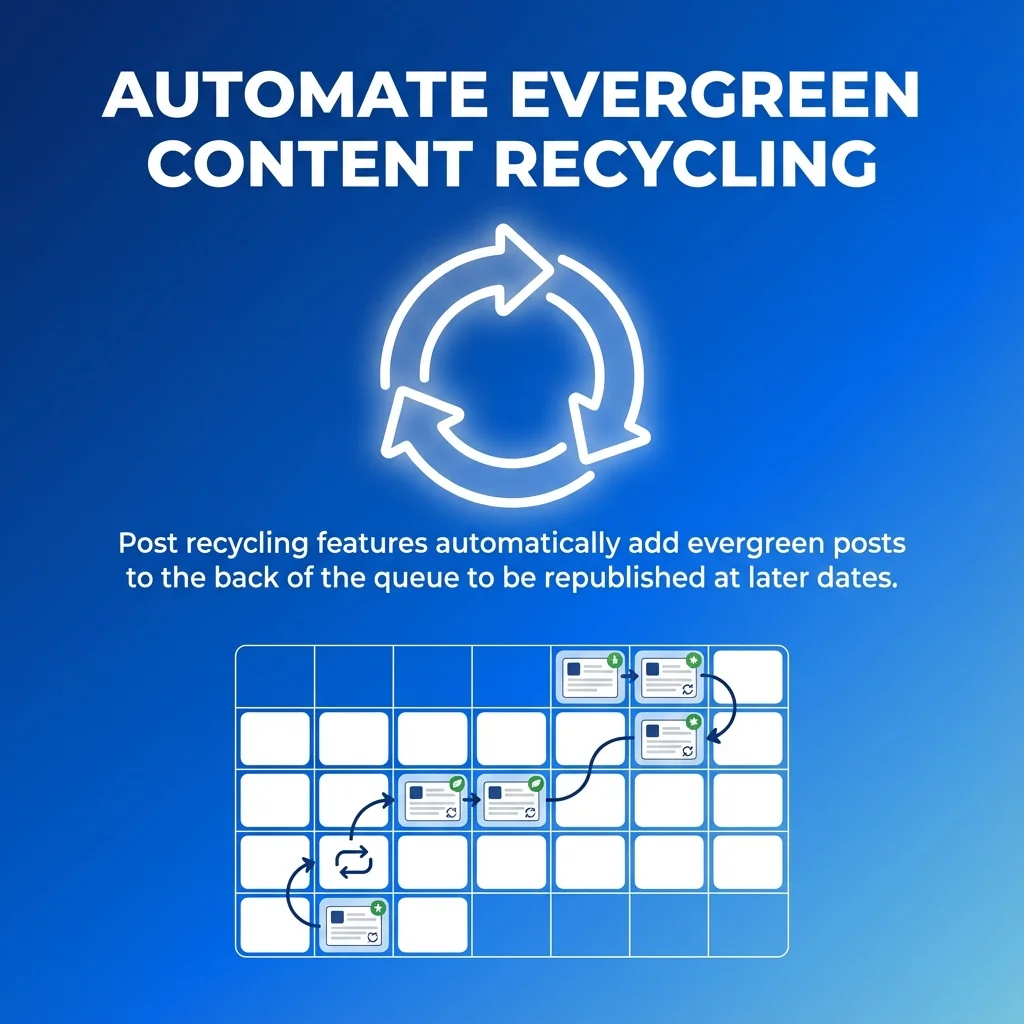
Post recycling features automatically add evergreen posts to the back of the queue to be republished at later dates. This extends content lifespan without manual rescheduling. Educational resources, industry tips, and foundational concepts remain valuable months after initial publication.
Smart recycling systems track previous performance and adjust republishing frequency. High-engagement posts return more often. Content that underperformed gets shelved or revised before reappearing. This optimisation happens automatically based on your performance data.
Team Collaboration and Approval Workflows
Multi-user access with permission levels controls who creates, edits, approves, and publishes content. Junior team members draft posts whilst managers review and approve before publication. This workflow prevents errors whilst maintaining efficient content production.
Comment systems within the scheduler enable feedback without external email chains. Team members discuss post adjustments, suggest improvements, and request changes directly on the content. This centralised communication keeps context attached to specific posts.
Approval workflows ensure brand consistency across distributed teams. Regional marketers create localised content whilst headquarters maintains quality standards. The scheduling tool enforces this structure automatically.
Smart Hashtag Research and Optimisation
Built-in hashtag research tools help users identify, analyse, and generate top-performing hashtags for their social media posts. These systems analyse hashtag performance within your specific niche rather than recommending overly broad or irrelevant tags.
Hashtag suggestions adapt to each platform’s norms. Instagram posts benefit from 20-30 targeted hashtags. LinkedIn performs better with 3-5 professional tags. TikTok requires a mix of trending and niche-specific hashtags. The scheduler applies platform-appropriate recommendations automatically.
Performance tracking shows which hashtags drive actual engagement versus those that merely appear popular. Over time, you build a library of effective tags specific to your audience and content themes.
Top Social Media Scheduling Tools Compared
Selecting the right scheduler depends on your team size, platform priorities, and budget constraints. The leading tools serve different market segments with distinct feature sets.
| Tool Category | Best For | Key Strength |
|---|---|---|
| Enterprise Solutions | Large teams managing multiple brands | Advanced workflow automation and reporting |
| SMB Platforms | Growing businesses with 2-10 team members | Balance of features and affordability |
| Creator Tools | Individual content creators and influencers | Simple interface with strong mobile apps |
| Agency Software | Marketing agencies managing client accounts | Client management and white-label reporting |
Enterprise-Grade Scheduling Platforms
Enterprise solutions like Hootsuite and Sprout Social serve large organisations with complex approval workflows and extensive reporting requirements. These platforms support dozens of connected accounts across all major social networks.

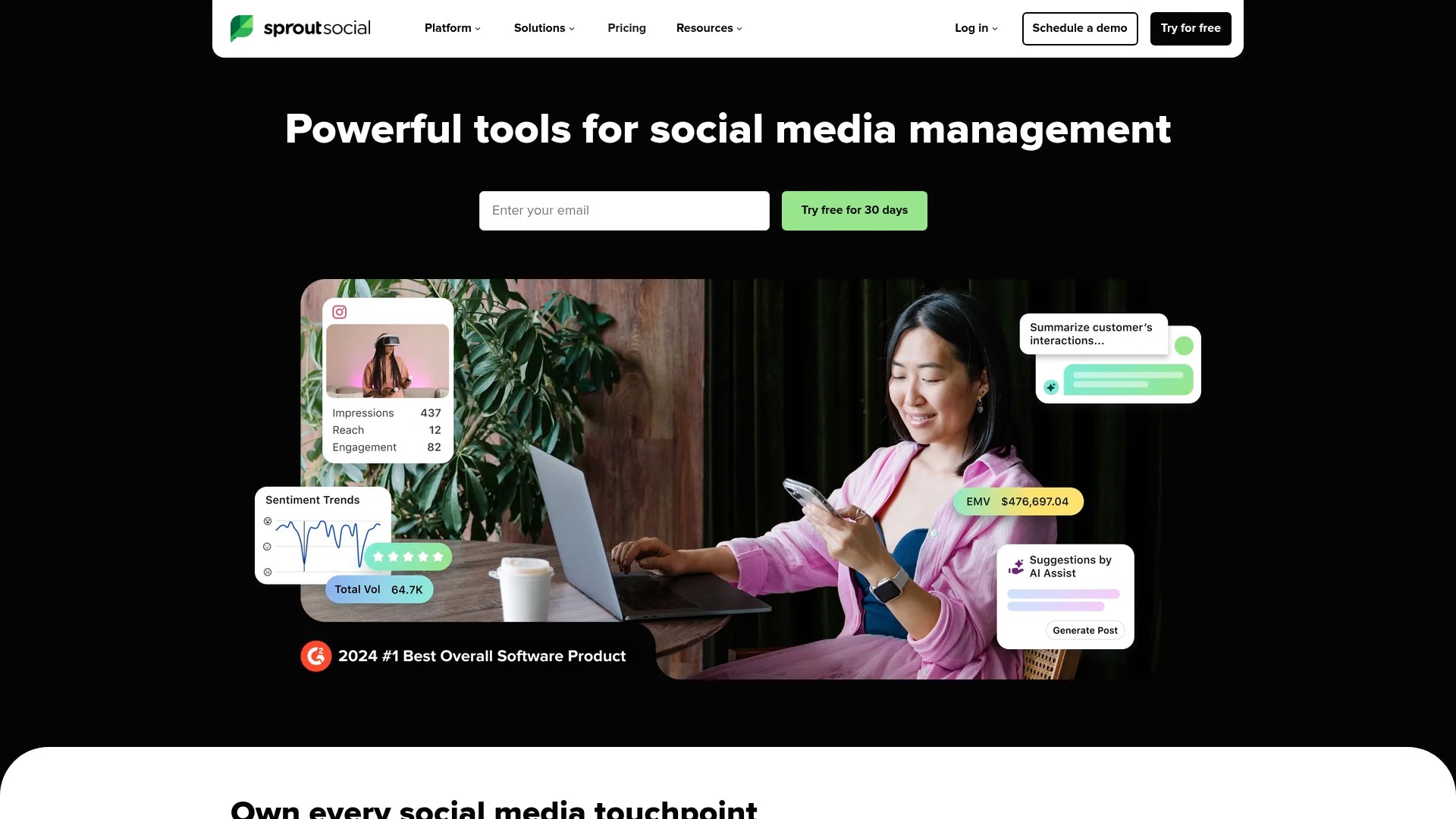
The robust analytics connect social media activity to CRM systems and revenue tracking. Executive dashboards show social media impact on business objectives rather than isolated engagement metrics. This visibility justifies social media budgets with concrete ROI data.
Enterprise platforms include advanced features like social listening, competitive analysis, and sentiment tracking. These capabilities extend beyond scheduling into comprehensive social media management covering community engagement, reputation monitoring, and market research.
Small Business Scheduling Solutions
Tools like Buffer and Later provide essential scheduling features without enterprise complexity or pricing. Small teams get visual calendar planning, basic analytics, and multi-platform posting at accessible price points.
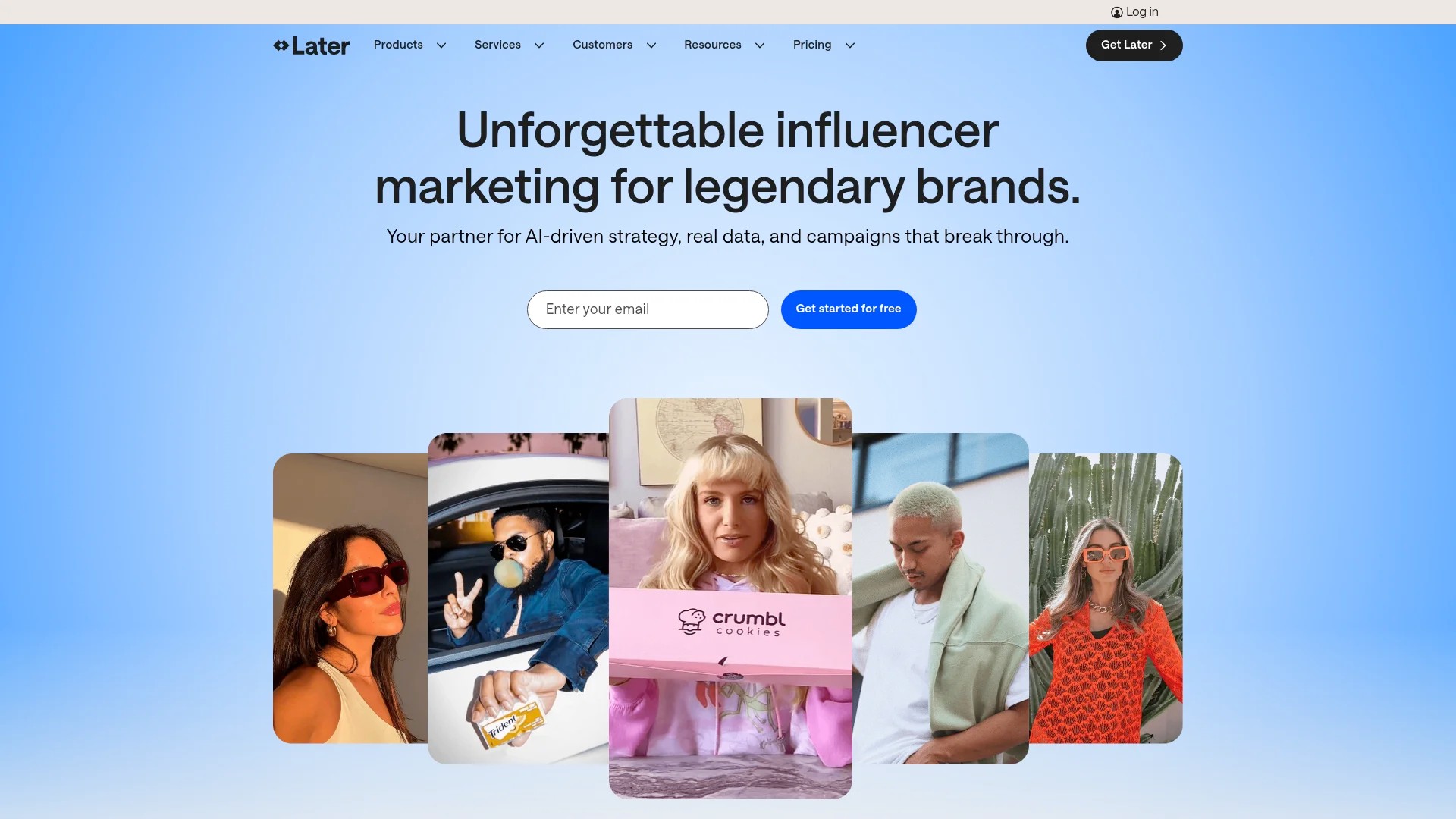
These platforms prioritise user-friendly interfaces that require minimal training. Marketing generalists without specialist social media expertise can manage scheduling effectively. The streamlined feature sets prevent overwhelming users whilst covering core requirements.
Integration with popular small business tools matters at this level. Seamless connections to email marketing platforms, website builders, and e-commerce systems create unified marketing workflows without technical complexity.
Creator-Focused Scheduling Apps
Individual creators need mobile-first tools with simple workflows. Apps like Planoly emphasise visual planning and Instagram-specific features including grid preview and Stories scheduling.
Creator tools often include content inspiration features and trend discovery. These capabilities help individual entrepreneurs maintain consistent posting schedules despite managing content creation solo. Suggested content topics and caption ideas reduce creative blocks.
Affordability matters significantly for creators operating on tight budgets. Many platforms offer free tiers supporting single users with basic scheduling needs, making professional tools accessible to creators at any income level.
Agency-Specific Management Tools
Marketing agencies require client management capabilities, white-label reporting, and efficient workflows for managing dozens of client accounts simultaneously. Platforms like Agorapulse and Social Pilot address these specific needs.
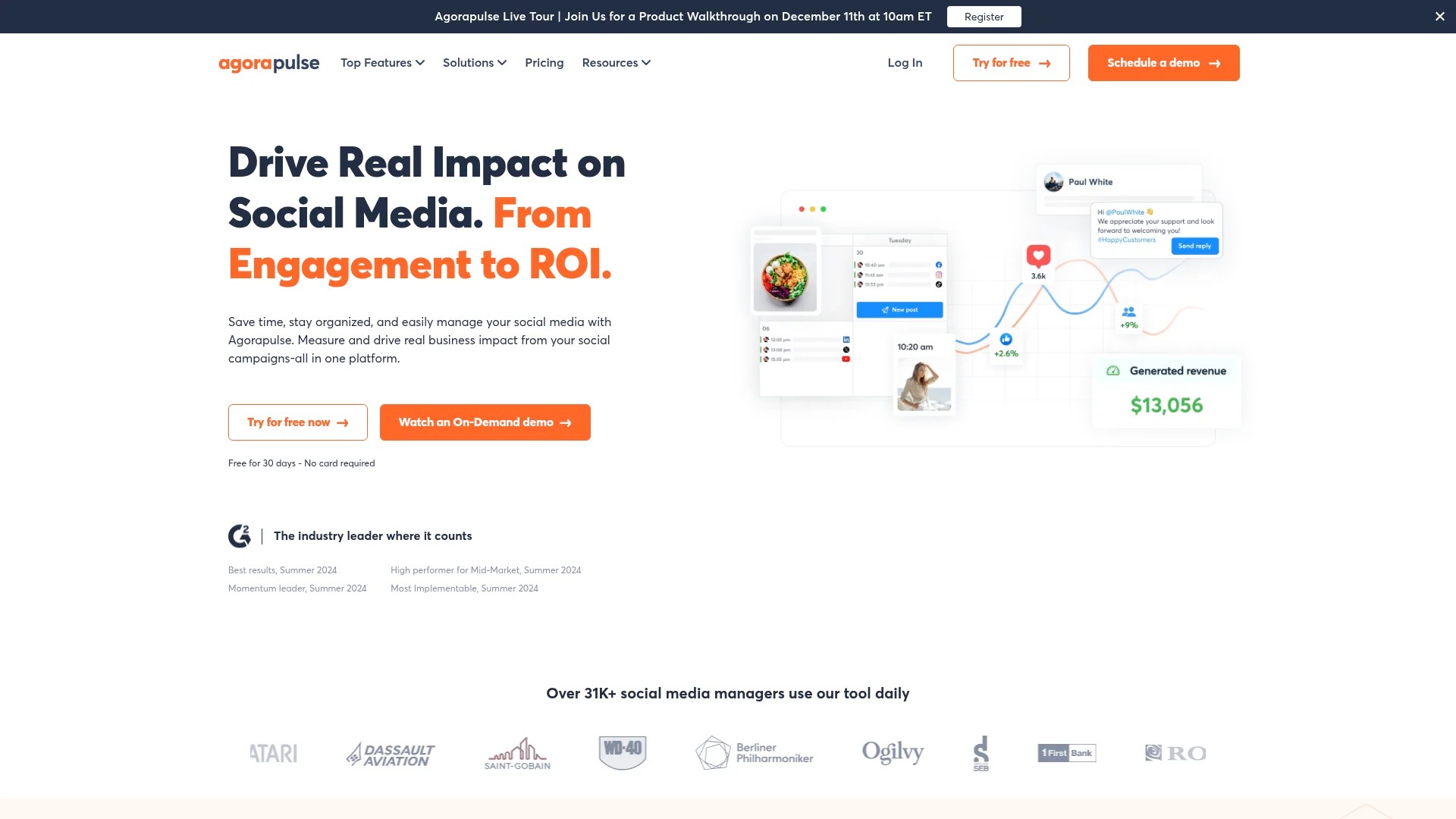

Client approval workflows allow agencies to present content for review before publishing. Clients approve posts through secure portals without accessing the scheduling platform directly. This protects agency workflows whilst giving clients necessary control.
Branded reporting transforms analytics into professional client deliverables automatically. Agencies generate monthly reports showing campaign performance without manual data compilation. Custom branding applies agency logos and colours to all client-facing materials.
Content Calendar Strategies for Consistent Engagement
Building an effective content calendar transforms sporadic posting into strategic communication that builds audience relationships systematically. The planning process determines what you publish as much as the scheduling tools control when it appears.
Strategic Content Mix and Balance
The 30/30/30 rule allocates 30% of content to brand promotion, 30% to curated content from other sources, and 30% to real-time engagement, with the remaining 10% reserved for responsive messaging. This framework helps brands balance promotional and community-focused content strategically.
Promotional content includes product announcements, service descriptions, and sales offers. Curated content shares valuable resources from industry experts and relevant publications. Engagement content asks questions, runs polls, and invites conversation. Responsive content addresses current events and trending topics.
Tracking your actual content distribution against planned ratios prevents promotional overload. Most brands accidentally skew too heavily toward promotional messaging, damaging audience trust. Regular calendar audits keep your mix balanced across weeks and months.
Campaign Planning and Content Sequences
Product launches, seasonal promotions, and awareness campaigns require coordinated content sequences rather than isolated posts. Plan these campaigns weeks in advance, scheduling teaser content, announcement posts, educational resources, and follow-up messaging in strategic progression.
Content sequences build anticipation and maintain momentum. Begin with broad awareness content introducing concepts. Progress to detailed educational posts explaining benefits. Conclude with clear calls to action and conversion-focused messaging. Each post builds on previous content naturally.
Visual calendar views help you identify campaign gaps and overlaps before publication. You’ll spot weeks with too many promotional campaigns competing simultaneously or periods lacking sufficient content supporting active initiatives.
Seasonal and Event-Based Scheduling
Industry events, holidays, and seasonal patterns create natural content opportunities. Plan these high-value periods months ahead, developing comprehensive content supporting seasonal interests when audience attention peaks.
Create templates for recurring seasonal content. Holiday messaging, year-end reviews, and industry conference coverage follow predictable patterns. Template libraries let you adapt previous successful campaigns rather than starting from scratch annually.
Balance evergreen and timely content appropriately. Evergreen educational posts remain relevant indefinitely and can be recycled. Timely content capitalises on current interest but becomes irrelevant quickly. Your calendar should include both types in strategic proportion.
Flexibility and Real-Time Adjustments
Scheduled content provides consistency, but rigid calendars prevent timely responses to unexpected opportunities. Reserve calendar space for reactive content addressing breaking news, viral trends, or community conversations requiring immediate participation.
Build adjustment time into your workflow. Review scheduled content daily, making final decisions about whether pre-planned posts remain appropriate given current events. Pause or reschedule content that might appear tone-deaf given developing situations.
Crisis communication protocols override normal scheduling. Establish clear decision-making processes determining when to pause scheduled content during emergencies. Quick response prevents automated posts from publishing during inappropriate moments.
Automation Features Transforming Scheduling Efficiency
Automation extends far beyond simply posting pre-written content at scheduled times. Modern platforms automate content creation, optimisation, and performance monitoring, multiplying team productivity without sacrificing quality.
Automated Content Creation and Adaptation
AI writing assistants generate post variations from brief content prompts. Describe your message and target platform, and the system produces complete posts matching your brand voice. These tools handle routine announcements, promotional posts, and content variations efficiently.
Automated adaptation reformats content for different platforms simultaneously. Write detailed LinkedIn articles, and the system extracts key points for Twitter threads, creates visual quote graphics for Instagram, and generates video scripts for TikTok. One core message reaches every platform in optimised formats.
Smart content suggestions analyse your existing posts, identify successful patterns, and recommend new topics matching proven engagement drivers. The system learns your audience preferences over time, improving suggestions continuously.
Intelligent Queue Management
Queue-based scheduling maintains consistent posting frequency without manual date assignment. Add approved content to the queue, and the system publishes posts at optimal times automatically. As new content enters the queue, older posts publish systematically.
Smart queues consider platform-specific optimal timing. Instagram posts might schedule for mornings and evenings whilst LinkedIn content publishes during business hours. The automation applies different timing rules to each connected platform without manual oversight.
Content categories within queues ensure balanced variety. Educational posts, promotional content, and community engagement appear in planned rotation rather than clustering similar content types consecutively. This automated variety maintains audience interest better than random scheduling.
Response and Engagement Automation
Automated response systems handle common questions and comments without human intervention. Frequently asked questions about business hours, pricing, or product features receive immediate automated replies whilst unique questions route to human team members.
Engagement automation identifies high-priority comments requiring prompt responses. VIP customers, negative feedback, and purchase-related questions trigger immediate notifications ensuring timely human attention. Routine positive comments receive automated acknowledgement.
Chatbot integration extends scheduling platforms into customer service tools. Social media conversations initiate automated sequences collecting information, answering questions, and routing complex issues to appropriate team members. These integrations unify social media presence and customer support efficiently.
Analytics and Performance Tracking That Drives Decisions
Comprehensive analytics transform social media from creative experimentation into data-driven strategy. Modern schedulers connect publishing activity directly to business outcomes, showing which content drives meaningful results.
Engagement Metrics and Content Performance
Track engagement rates, reach, impressions, and click-through rates for every post across all platforms. Identify which content types, topics, and formats generate strongest audience response. These insights inform future content decisions based on demonstrated performance rather than assumptions.
Comparative analytics show performance differences between platforms. Your educational content might thrive on LinkedIn whilst entertaining posts excel on Instagram. Understanding these platform-specific patterns helps you allocate resources to highest-performing channels.
Historical trend analysis reveals long-term patterns invisible in daily monitoring. Seasonal fluctuations, gradual audience growth, and shifting content preferences emerge from multi-month datasets. These macro-level insights guide strategic planning beyond tactical post optimisation.
Audience Growth and Demographic Insights
Monitor follower growth rates, audience demographics, and community composition changes over time. Understand whether your content attracts your target audience or appeals to unintended segments requiring strategy adjustments.
Demographic data shows audience age, location, gender, and interests across platforms. This information validates whether your content reaches intended markets and identifies unexpected audience segments presenting new opportunities.
Follower quality matters more than quantity. Analytics distinguish engaged community members from inactive accounts and bot followers. Focus growth efforts on attracting genuinely interested audiences rather than vanity metrics.
Conversion Tracking and ROI Measurement
Connect social media activity to website traffic, email signups, and sales conversions. UTM parameters and conversion pixels track customer journeys from social posts through your website to completed transactions. This visibility proves social media’s business impact conclusively.
Attribution modelling shows which social platforms and content types contribute to conversions. Some posts generate immediate sales whilst others begin relationships that convert weeks later. Understanding these attribution patterns prevents undervaluing top-of-funnel awareness content.
Revenue reporting translates engagement metrics into business language. Executive dashboards show cost per acquisition, customer lifetime value from social channels, and ROI comparisons between social media and other marketing investments. These metrics justify budgets and resource allocation decisively.
Emerging AI and Machine Learning Capabilities
Artificial intelligence evolution drives the most significant scheduler advancements arriving in 2025. These capabilities extend beyond simple automation into genuine intelligence that optimises strategy continuously.
Predictive Posting Optimisation
Machine learning analyses your historical performance data and identifies patterns predicting future success. The system recommends optimal posting times, content types, and messaging approaches based on proven results rather than generic best practices.
Predictive algorithms continuously refine recommendations as audience behaviour shifts. Seasonal changes, platform algorithm updates, and audience growth alter optimal strategies. AI systems detect these shifts automatically and adjust recommendations without manual intervention.
A/B testing automation runs continuous experiments comparing posting times, content formats, and messaging variations. The system implements winning variations automatically whilst testing new approaches in controlled experiments. Strategy optimisation becomes continuous background process rather than periodic manual analysis.
Smart Content Recommendations
AI systems analyse trending topics within your industry and suggest timely content opportunities. These recommendations connect current conversations to your brand’s expertise, helping you participate in relevant discussions whilst they’re active.
Content gap analysis identifies topics your competitors address that you’ve overlooked. The system suggests content filling these gaps, ensuring comprehensive coverage of audience interests. This competitive intelligence informs editorial planning systematically.
Performance prediction estimates expected engagement for drafted posts before publication. Low-confidence predictions flag content likely to underperform, prompting revisions before scheduling. This proactive quality control prevents publishing ineffective content.
Automated Response and Community Management
AI-powered response systems handle increasingly sophisticated community management tasks. Natural language processing understands comment context and sentiment, generating appropriate responses to common questions and concerns automatically.
Sentiment analysis monitors brand mentions and conversation tone across platforms. Negative sentiment spikes trigger alerts prompting immediate human attention before minor issues escalate. Positive sentiment trends highlight successful campaigns worthy of expansion.
Conversation routing systems direct complex questions to team members with relevant expertise automatically. Customer service questions reach support specialists. Product enquiries route to sales teams. This intelligent distribution improves response quality and efficiency.
Multi-Platform Posting from Unified Dashboards
Managing presence across Instagram, TikTok, Facebook, LinkedIn, YouTube, Pinterest, and emerging platforms becomes increasingly complex. Unified dashboards consolidate this fragmented landscape into single interfaces reducing cognitive load and improving efficiency.
Cross-Platform Publishing Workflows
Create content once and distribute it across multiple platforms simultaneously or in staggered sequences. Unified composers let you write core messages and customise platform-specific variations without switching between separate tools.
Format adaptation happens automatically. Upload images and videos in any format, and the system crops, resizes, and optimises files for each platform’s technical requirements. This eliminates manual image editing and video conversion steps entirely.
Platform-specific features remain accessible within unified interfaces. Instagram-specific options like carousel posts and tagged locations appear alongside TikTok hashtag suggestions and LinkedIn article formatting. You access full platform capabilities without leaving the centralised dashboard.
Consolidated Analytics and Reporting
Compare performance across platforms in unified dashboards rather than exporting data from multiple sources. See which platforms drive strongest engagement, highest website traffic, and most conversions in direct side-by-side comparison.
Aggregate reporting combines metrics across all platforms showing total social media performance. Executive stakeholders see overall social media ROI without technical platform-specific details. Detailed breakdowns remain available for tactical optimisation whilst high-level views inform strategic decisions.
Custom report builders let you display relevant metrics matching your specific goals. E-commerce brands emphasise conversion tracking. Media companies focus on content engagement. B2B organisations prioritise lead generation. Configure dashboards showing metrics that matter to your business model.
Team Collaboration Across Platforms
Assign team members to specific platforms whilst maintaining oversight across all channels. Your Instagram specialist manages that platform’s content whilst your LinkedIn expert handles professional network presence. Managers review all platforms from unified dashboards without switching contexts.
Unified approval workflows route content through appropriate reviewers regardless of destination platform. Legal review for regulated industries happens once for content publishing across multiple channels. This streamlined process prevents bottlenecks whilst maintaining necessary oversight.
Comment and message management aggregates community conversations from all platforms. Respond to Instagram DMs, Facebook comments, and LinkedIn messages from a unified inbox. This consolidation prevents overlooked messages and maintains consistent response times across channels.
Implementation Strategies for Scheduling Success
Selecting tools and understanding features matters less than implementing effective workflows that teams actually use consistently. Successful scheduling adoption requires strategic planning and change management alongside technical configuration.
Audit Current Social Media Processes
Document how your team currently creates, approves, and publishes social content. Identify bottlenecks, inconsistencies, and inefficiencies in existing workflows. Understanding current state challenges helps you select tools addressing specific pain points.
Measure baseline metrics before implementing new schedulers. Record current posting frequency, engagement rates, and team time investment. These benchmarks prove scheduling tool impact and justify ongoing investment in selected platforms.
Survey team members about workflow frustrations and desired improvements. The people executing daily social media tasks understand practical challenges better than leadership. Their input ensures you prioritise features addressing real needs rather than impressive-sounding capabilities nobody uses.
Select Tools Matching Team Capabilities
Choose schedulers matching your team’s technical sophistication. Complex enterprise platforms overwhelm small teams lacking dedicated social media specialists. Conversely, basic tools frustrate experienced practitioners needing advanced capabilities.
Start with core features your team will use immediately rather than comprehensive platforms offering capabilities you might need eventually. Successful adoption of basic scheduling builds foundation for expanding into advanced features progressively.
Consider integration requirements with existing marketing tools. Schedulers connecting seamlessly to your email platform, CRM system, and analytics tools create unified workflows. Disconnected tools requiring duplicate data entry reduce efficiency despite individual capability.
Develop Content Creation and Approval Processes
Establish clear workflows defining who creates content, who reviews it, who approves publication, and when these steps occur. Document these processes explicitly so team members understand expectations and responsibilities clearly.
Create content templates and style guides ensuring consistency across team members and platforms. Templates reduce creation time whilst maintaining quality standards. Style guides prevent brand voice inconsistencies when multiple people contribute content.
Set realistic publishing frequencies based on content creation capacity. Ambitious schedules requiring unsustainable content volume lead to quality deterioration and team burnout. Start conservatively and increase frequency as workflows mature and efficiency improves.
Train Teams and Monitor Adoption
Invest time training team members on selected scheduling tools thoroughly. Superficial platform familiarity leads to underutilisation of valuable features. Comprehensive training helps teams leverage full platform capabilities effectively.
Designate platform champions who develop advanced expertise and support colleagues. These internal experts reduce dependency on external support whilst building organisational knowledge that persists through team changes.
Monitor adoption metrics tracking how consistently teams use scheduling tools. Are people reverting to manual posting? Are advanced features sitting unused? Low adoption signals training gaps or workflow design problems requiring attention.
Best Practices for Social Media Scheduling in 2025
Strategic scheduling balances consistency with flexibility, automation with authenticity, and efficiency with quality. These practices help you maximise scheduling tool value whilst maintaining genuine audience connections.
Maintain Authentic Voice Despite Automation
Automation efficiency shouldn’t sacrifice authentic communication. Schedule strategic content whilst remaining present for real-time conversations. Respond to comments personally rather than through automated replies exclusively.
Mix scheduled posts with spontaneous content capitalising on current moments. Optimal timing data informs scheduled content, but authentic participation in trending conversations requires immediate response capability.
Review scheduled content before publication daily. Situations change, and pre-written posts sometimes become inappropriate given developing events. This final review prevents tone-deaf automated posting during sensitive moments.
Test and Optimise Continuously
Run controlled experiments testing different posting times, content formats, and messaging approaches systematically. Don’t change multiple variables simultaneously or you won’t understand which changes drive results.
Track performance metrics consistently and analyse trends monthly. Short-term fluctuations reveal little, but multi-month patterns show meaningful shifts requiring strategy adjustments. Patient analysis beats reactive changes based on individual post performance.
Document learnings from testing and share insights across teams. Build institutional knowledge about what works for your specific audience rather than relying on generic social media advice applicable to different markets.
Balance Promotion and Value
Scheduled content shouldn’t exist solely to promote products and services. Provide genuine value through educational content, entertainment, and community building. Promotional messages land more effectively when balanced with value-driven content.
Follow the 80/20 guideline allocating 80% of content to audience value and 20% to direct promotion. This ratio builds trust and engagement making audiences receptive to occasional sales messages.
Frame promotional content around customer benefits rather than product features. Scheduled sales posts should answer “what’s in it for me” from audience perspective rather than listing technical specifications.
Respect Platform-Specific Norms
Each platform has distinct community expectations and content preferences. LinkedIn audiences expect professional insights. TikTok rewards entertaining creativity. Instagram emphasises visual aesthetics. Schedule content respecting these platform-specific norms rather than posting identical content everywhere.
Study successful accounts within your industry on each platform. Notice how top performers adapt their messaging and format for different networks. Learn from these examples when developing platform-specific content strategies.
Resist treating all platforms identically despite scheduling tool efficiency in cross-posting. The time saved by posting identical content everywhere gets lost when that content underperforms due to poor platform fit.
Adapting to 2025 Social Media Trends Affecting Scheduling
Broader social media trends continuously reshape effective scheduling strategies. Understanding these macro shifts helps you anticipate changes and adapt approaches proactively.
Short-Form Video Dominance
Video content, particularly short-form vertical videos, continues dominating engagement across platforms. Instagram Reels, TikTok videos, and YouTube Shorts require production approaches differing from static image content.
Schedule video content consistently but realistically given production requirements. Video creation demands more time than static posts. Set sustainable video publishing frequency rather than ambitious schedules leading to quality compromises.
Repurpose video content across multiple platforms efficiently. Record longer videos and extract short clips for different platforms. Schedule these variations strategically to maximise return on video production investment.
Community and Conversation Emphasis
Platform algorithms increasingly prioritise content generating meaningful conversation over passive consumption. Posts asking questions, inviting opinions, and encouraging discussion receive stronger algorithmic promotion than one-way broadcasts.
Schedule conversation-starting content strategically when you can respond to comments promptly. Community engagement requires human presence after publication. Time these posts when team members are available for active participation.
Monitor scheduled posts after publication and engage with comments quickly. Early response activity signals the algorithm that your post generates genuine discussion worthy of broader distribution.
Authenticity and Transparency Expectations
Audiences increasingly value authentic communication over polished corporate messaging. Behind-the-scenes content, employee spotlights, and transparent business communication build stronger connections than purely promotional posts.
Balance scheduled professional content with authentic spontaneous posts showing your brand’s human side. Perfect polish suggests inauthenticity whilst genuine moments build trust and relatability.
Use scheduling tools to maintain consistency without sacrificing authenticity. Pre-plan strategic content whilst reserving capacity for real-time authentic moments that can’t be scheduled in advance.
Key Considerations for Selecting Your Scheduling Solution
The right scheduling tool depends on your specific situation, team structure, and strategic priorities. These considerations help you evaluate options systematically.
First, clarify must-have features versus nice-to-have capabilities. Prioritise tools excelling at requirements you’ll use daily over comprehensive platforms offering features you’ll rarely access.
Consider integration requirements carefully. Schedulers working seamlessly with your existing marketing stack multiply value by creating unified workflows. Disconnected tools create data silos reducing overall efficiency.
Evaluate pricing models realistically against your budget and team size. Per-user pricing scales differently than flat monthly fees. Factor in growth plans when assessing long-term costs.
Test multiple platforms before committing. Most schedulers offer free trials allowing hands-on evaluation. Involve team members who’ll use the tool daily in testing and selection decisions.
Read recent reviews and case studies from organisations similar to yours. Other users’ experiences reveal practical strengths and weaknesses invisible in marketing materials.
Research emerging platforms alongside established leaders. Newer schedulers sometimes offer better value or focus on specific platform specialities like TikTok or emerging networks.
Moving Forward with Confident Scheduling Strategy
Social media scheduling transforms from tactical posting convenience into strategic advantage when implemented thoughtfully. The tools and trends covered here provide foundation for building consistent, effective social presence across platforms.
Begin by auditing your current processes and identifying specific pain points scheduling tools can address. Select platforms matching your team’s capabilities and immediate needs rather than chasing comprehensive features you won’t use.
Implement deliberately with proper training and realistic expectations. Scheduling efficiency develops progressively as teams master tools and optimise workflows. Patient adoption beats rushed implementation.
Remember that scheduling tools amplify strategy but don’t replace it. Invest time developing strong content strategy, understanding your audience deeply, and creating valuable content worth scheduling. Tools execute strategy efficiently, but they can’t fix fundamentally weak content approaches.
The scheduling landscape continues advancing rapidly. Stay informed about emerging capabilities, but avoid constantly switching tools chasing latest features. Master your selected platform thoroughly before considering alternatives.
Your scheduling strategy should evolve alongside your business growth and changing social media landscape. Review approaches quarterly, analyse performance data honestly, and adjust based on demonstrated results rather than assumptions or industry hype.