Artificial intelligence has fundamentally shifted how businesses approach social media. By 2025, AI is consolidating marketing workflows, with companies using AI effectively saving time and improving accuracy. The change isn’t just operational. It’s strategic.
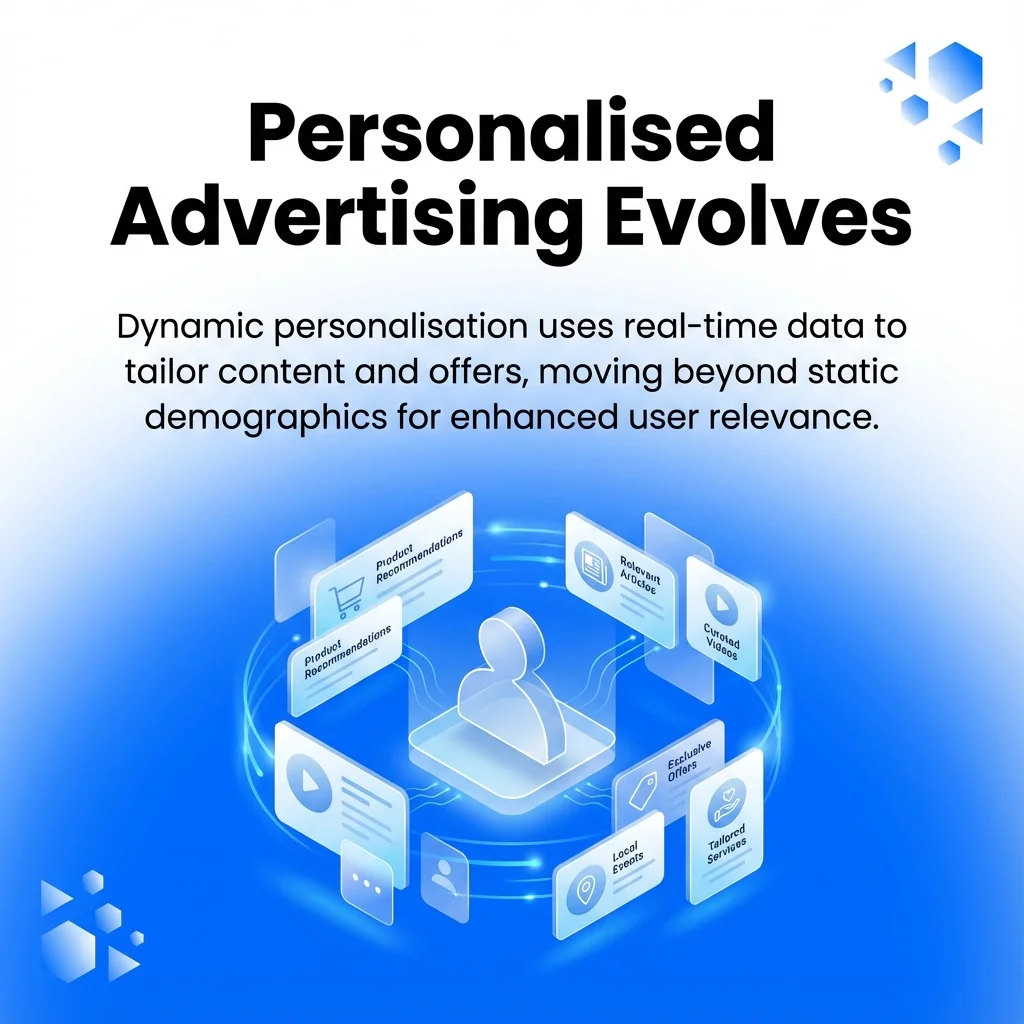
Social platforms now use machine learning algorithms to understand individual preferences, predict content performance, and automate creative tasks. AI-powered marketing solutions are creating personalised advertising and adaptive content that changes based on user behaviour and preferences in 2025. This transforms how brands connect with audiences at scale.
The real opportunity lies in combining automated intelligence with human creativity. Platforms like TikTok, Instagram, and LinkedIn now offer AI-powered tools that analyse engagement patterns, recommend content formats, and optimise posting schedules. Marketers who understand these capabilities gain significant competitive advantages.
This guide explores how artificial intelligence is reshaping social marketing. You’ll discover practical applications across content creation, audience targeting, and performance analytics. We’ll examine current platform capabilities, emerging technologies, and ethical considerations. Most importantly, you’ll learn how to implement AI-driven strategies that deliver measurable results whilst maintaining authentic audience connections.
The Current State of AI in Social Media (2025)
Artificial intelligence now powers nearly every aspect of social media platforms. From content recommendation engines to automated moderation systems, AI determines what billions of users see daily.
Meta uses sophisticated machine learning algorithms across Facebook and Instagram to personalise feeds. These systems analyse thousands of signals per user. They track which posts you pause on, which accounts you engage with most, and even how long you watch specific video content.
YouTube‘s recommendation algorithm processes engagement data from billions of views. It predicts which videos will keep you watching longest. This AI-driven approach has made YouTube one of the most engaging platforms globally.
TikTok’s ‘For You’ algorithm represents perhaps the most advanced implementation of AI in social media. It serves highly personalised content within seconds of account creation. The algorithm learns from every interaction, continuously refining its understanding of individual preferences.
Platform-Specific AI Capabilities
Each major platform has developed distinct AI capabilities that serve specific functions. Understanding these differences helps marketers optimise their strategies effectively.
Instagram uses computer vision to identify objects, locations, and even aesthetic qualities in images. This enables automatic alt-text generation and improved content discovery. The platform’s AI also powers features like automatic captioning and music recommendations for Reels.
LinkedIn employs natural language processing to understand professional content and connections. Its AI matches job seekers with opportunities, suggests relevant content, and identifies potential business connections. The platform’s algorithm prioritises posts that generate meaningful professional discussions.
Snapchat pioneered augmented reality filters powered by AI. These tools analyse facial features in real-time, applying effects that track movement and expressions. The platform continues expanding AI capabilities in creative tools.
Current AI Adoption Amongst Marketers
Social media marketers are rapidly adopting AI tools for various tasks. Content scheduling platforms now offer AI-powered recommendations for optimal posting times. Analytics tools use machine learning to identify trends and predict campaign performance.
Many marketing teams use AI for initial content creation and audience research. AI-powered content curation strategies help brands maintain consistent social presence whilst reducing manual effort. However, successful marketers combine these tools with human oversight for quality control.
The most effective approach balances automation with authenticity. AI handles repetitive tasks like data analysis and scheduling. Humans focus on strategy, creative direction, and relationship building.
How AI is Transforming Social Media Engagement
Understanding how AI powers engagement helps marketers create more effective strategies. The transformation extends far beyond simple automation.
Artificial intelligence now determines which content reaches which audiences. Platform algorithms evaluate hundreds of factors to predict engagement likelihood. They consider past behaviour, content type, posting time, and even caption sentiment.
This shift means traditional reach metrics matter less than engagement quality. A post reaching 10,000 people with low engagement performs worse algorithmically than one reaching 1,000 highly engaged users. AI amplifies content that sparks genuine interaction.
Algorithmic Content Distribution
Social media algorithms use predictive analytics to maximise user engagement. They analyse historical data to forecast which content individual users will find most valuable. This creates personalised feeds unique to each person.
The algorithms prioritise content likely to generate meaningful interaction. Comments, shares, and saves typically signal stronger engagement than simple likes. AI learns these patterns and adjusts distribution accordingly.
For marketers, this requires creating content that encourages active participation. Posts posing questions, sharing valuable insights, or inspiring discussion perform better than purely promotional content. The AI rewards engagement quality over advertising spend.
Real-Time Engagement Optimisation
Modern AI systems adjust content distribution in real-time based on early performance signals. If a post generates strong engagement quickly, algorithms push it to broader audiences. Slow starts typically limit reach potential.
This creates opportunities for marketers who monitor performance closely. Boosting high-performing organic posts amplifies their algorithmic advantage. Similarly, identifying underperforming content early allows strategic adjustments.
Tools like Buffer and Hootsuite now incorporate AI to recommend optimal engagement strategies. They analyse your account’s historical performance and suggest adjustments to improve algorithmic visibility.
Audience Behaviour Prediction
AI systems identify patterns in audience behaviour that humans might miss. They detect subtle shifts in content preferences, optimal engagement windows, and emerging interests within your follower base.
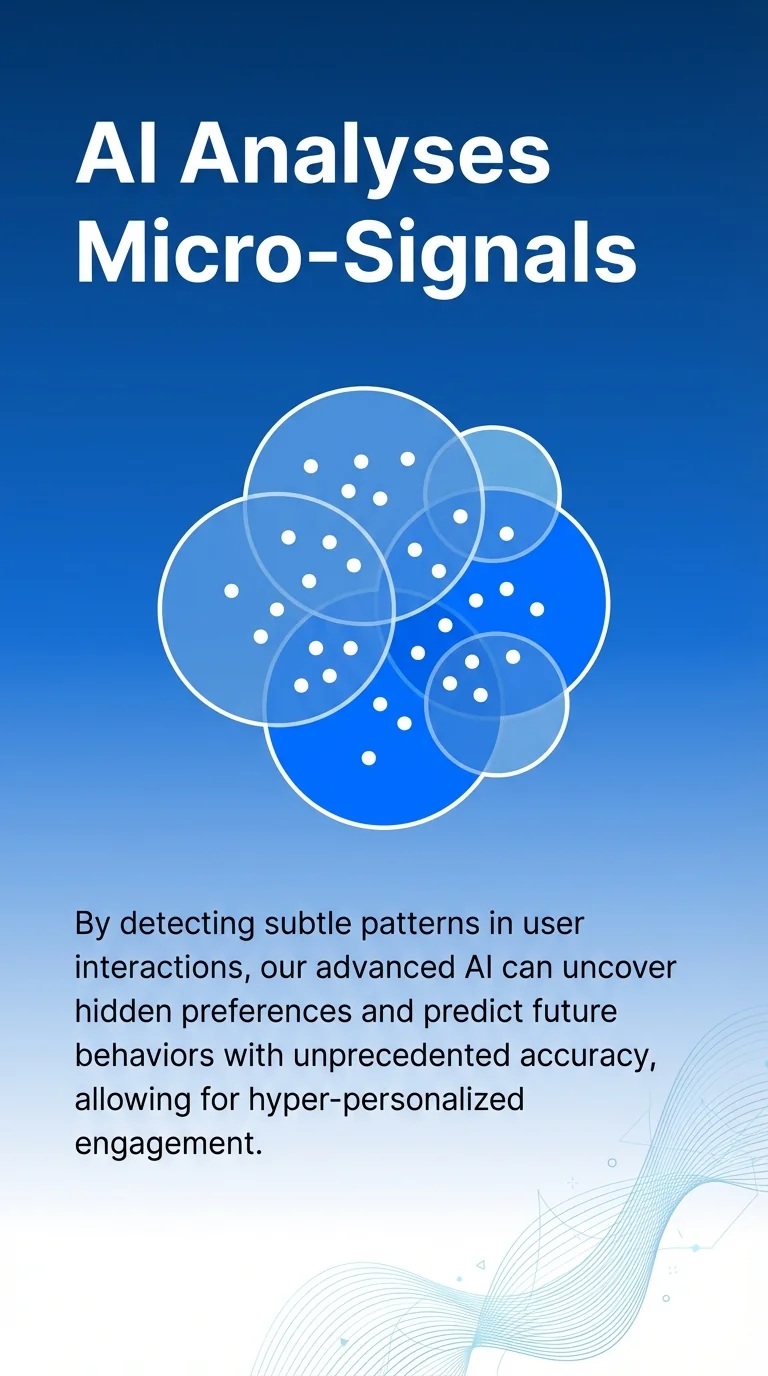
AI analyses patterns in audience data including interests, behaviours, and micro-signals to build more accurate targeting groups. This enables hyper-specific audience segmentation that improves campaign performance significantly.
Predictive analytics can forecast which content types will resonate before you publish. This reduces guesswork and helps teams allocate resources more effectively. Predictive analytics is actively shaping social media’s future by enabling data-driven decision making at scale.
Key AI Technologies Reshaping Social Platforms
Several core artificial intelligence technologies power modern social media platforms. Understanding these technologies helps marketers leverage their capabilities effectively.
Machine learning algorithms form the foundation of most social media AI. These systems improve continuously by analysing user interactions. They identify patterns in massive datasets that would be impossible for humans to process manually.
Natural Language Processing and Understanding
Natural language processing enables platforms to understand text content contextually. AI can detect sentiment, identify topics, and even recognise sarcasm or humour in captions and comments.
This technology powers features like automatic content categorisation and improved search functionality. When you search for specific topics on social platforms, NLP algorithms understand intent beyond simple keyword matching.
For marketers, NLP enables sophisticated social listening. Tools analyse conversations about your brand, industry, or competitors. They identify sentiment trends, emerging topics, and potential reputation issues before they escalate.
Advanced NLP also helps with content moderation. Platforms use it to identify harmful content, spam, and policy violations. This protects users whilst reducing manual moderation requirements.
Computer Vision and Image Recognition
Computer vision technology allows AI to understand visual content. Platforms can identify objects, locations, text, and even emotions in images and videos.
Instagram and Facebook use computer vision to suggest tags, generate automatic captions for accessibility, and detect policy-violating imagery. The technology also powers visual search features that let users find similar products or content.
Marketers benefit from computer vision through improved content discovery. Properly optimised visual content reaches interested audiences more effectively. The technology also enables new formats like shoppable posts that identify products automatically.
Recommendation Engines
Recommendation systems determine which content, accounts, and advertisements users see. These AI models predict what each person will find most engaging based on their behaviour patterns.
The most sophisticated recommendation engines use collaborative filtering combined with content-based approaches. They consider both what similar users enjoy and your specific interaction history.
For content creators, understanding recommendation mechanics is crucial. Creating content that generates strong early engagement signals helps algorithms distribute it more widely. High completion rates for video content particularly influence recommendations positively.
Conversational AI and Chatbots
AI-powered chatbots handle customer service interactions across social platforms. Modern conversational AI understands context, manages complex queries, and escalates to humans when necessary.
These systems use natural language understanding to interpret customer questions accurately. They can handle multiple conversations simultaneously, providing instant responses at any time.
Businesses implementing chatbots report improved response times and customer satisfaction. The AI handles routine enquiries whilst human teams focus on complex issues requiring personal attention. AI-powered assistants are revolutionising social media management by automating routine communications effectively.
AI-Powered Content Creation and Curation
Artificial intelligence is fundamentally changing how brands create and share social media content. The transformation extends across ideation, production, and distribution.
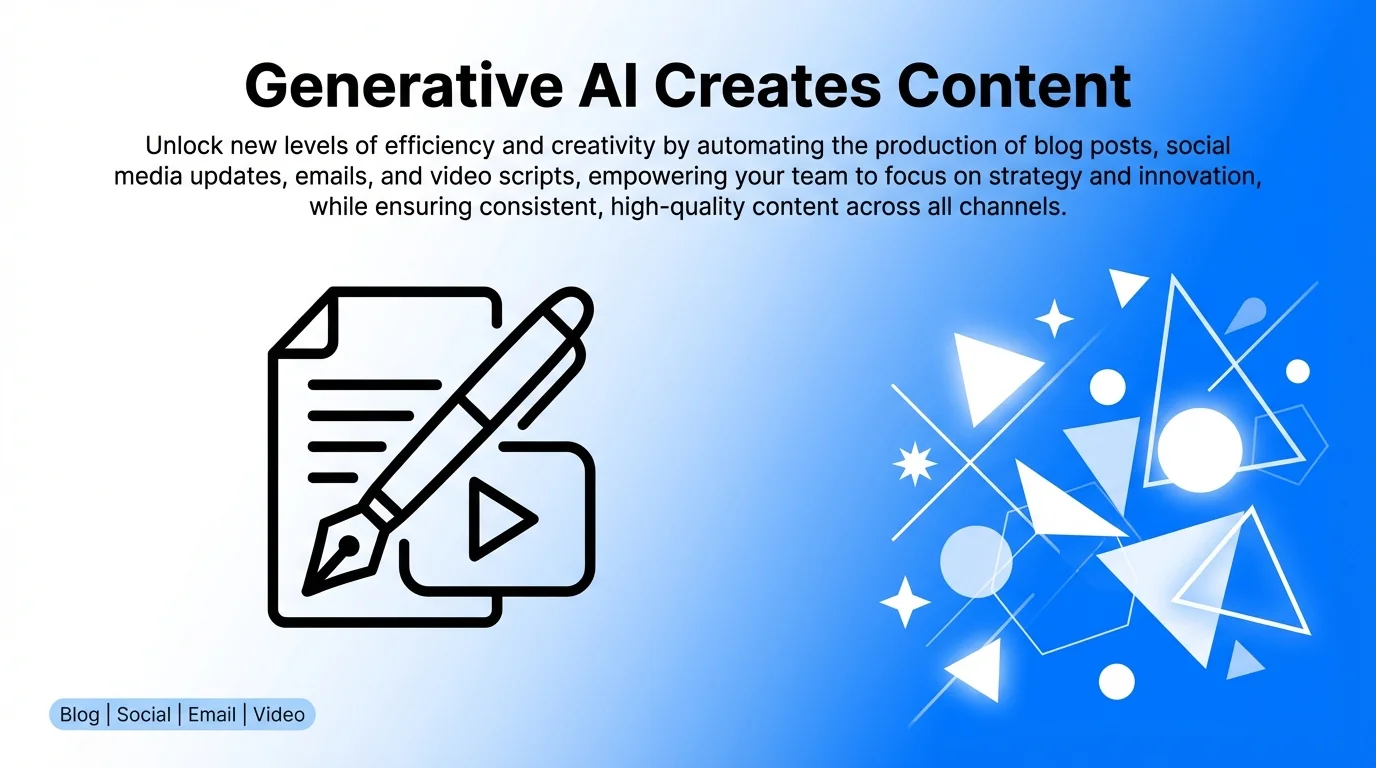
Generative AI tools now create blog posts, social media content, email copy, and video scripts whilst maintaining brand voice. This capability dramatically reduces content production time and costs.
Generative AI for Social Content
Tools like ChatGPT, Claude, and Jasper generate social media posts based on simple prompts. They can adapt tone, incorporate specific keywords, and create variations for different platforms.
The technology handles various content formats. It writes engaging captions, generates hashtag suggestions, and even creates video scripts. Many marketers use AI for initial drafts, then refine outputs to match brand voice perfectly.
Image generation tools like Midjourney and DALL-E create custom visuals from text descriptions. This enables rapid prototyping of creative concepts without expensive photo shoots or design work.
However, quality control remains essential. AI-generated content requires human review to ensure accuracy, appropriateness, and alignment with brand values. The best results combine AI efficiency with human creativity and judgement.
Automated Content Scheduling and Optimisation
AI-powered scheduling tools analyse your audience’s behaviour patterns to recommend optimal posting times. They consider factors like time zones, historical engagement data, and platform-specific algorithms.
These systems can automatically publish content when engagement likelihood peaks. They adjust recommendations based on ongoing performance data, continuously improving their predictions.
Advanced tools also suggest content types and formats based on current performance trends. If video content consistently outperforms static images, the AI recommends increasing video production. Maximising social media efficiency with AI-powered tools requires understanding these automated optimisation capabilities.
Intelligent Content Curation
AI helps brands discover and share relevant third-party content alongside original posts. Curation tools analyse sources across the web, identifying articles, videos, and resources your audience will find valuable.
The technology evaluates content quality, relevance, and engagement potential. It can filter by topic, sentiment, and source credibility. This ensures curated content maintains your brand’s standards and interests.
Smart curation maintains consistent social presence without requiring constant original content creation. It positions your brand as a valuable information source whilst building relationships with content creators you feature.
Video Content Enhancement
AI tools now handle various video production tasks. They can generate automatic captions, create highlight clips from longer content, and even edit footage based on engagement patterns.
Short-form video platforms particularly benefit from AI enhancement. Tools identify the most engaging moments in longer content, creating optimised clips for TikTok, Instagram Reels, or YouTube Shorts.
Automatic captioning improves accessibility whilst increasing engagement. Many users watch videos without sound, making captions essential for message delivery. AI generates these quickly and accurately across multiple languages.
The Rise of Hyper-Personalisation and Predictive Analytics
Personalisation has evolved from basic demographic targeting to sophisticated individual-level customisation. AI enables this transformation through predictive analytics and real-time adaptation.
Modern platforms don’t just segment audiences into broad groups. They create unique experiences for each user based on their specific behaviour patterns, interests, and engagement history.
Individual-Level Content Customisation
AI systems now personalise content at the individual level rather than segment level. Two people in the same demographic category might see completely different content based on their unique interaction patterns.
This hyper-personalisation extends to advertising, organic content recommendations, and even interface elements. Platforms adjust what you see based on continuous learning about your preferences.
For marketers, this means creating diverse content that appeals to various audience segments. Broad campaigns reach fewer people as algorithms prioritise personal relevance over general appeal.
Predictive Audience Insights
Predictive analytics tools forecast audience behaviour before it happens. They identify which users are likely to engage, convert, or churn based on historical patterns and current behaviour signals.
These insights enable proactive marketing strategies. Brands can target users showing early interest signals before competitors recognise the opportunity. They can also re-engage audiences showing declining interest patterns.
Advanced analytics platforms integrate data from multiple sources, creating comprehensive audience profiles. They combine social media behaviour with website visits, email engagement, and purchase history. This holistic view enables more accurate predictions.
Dynamic Content Adaptation
Some platforms now adjust content dynamically based on who’s viewing it. AI can personalise ad creative, product recommendations, and even landing pages in real-time.
This technology analyses user data instantaneously to serve the most relevant variation. Someone interested in sustainability might see eco-friendly product features highlighted, whilst value-conscious shoppers see pricing benefits emphasised.
The capability reduces the need for manual A/B testing. AI continuously optimises content variations, identifying winning combinations automatically. This improves campaign performance whilst reducing management overhead.
Sentiment Analysis and Social Listening
AI-powered sentiment analysis tools monitor brand mentions across social platforms. They determine whether conversations are positive, negative, or neutral, tracking sentiment trends over time.
Advanced systems identify specific topics driving sentiment changes. If negative sentiment increases, they pinpoint the triggering issue, enabling rapid response. This helps brands manage reputation proactively.
Social listening tools also identify emerging trends and opportunities. They detect growing interest in specific topics, products, or competitors. This intelligence informs content strategy and product development.
Brandwatch and Sprout Social offer sophisticated sentiment analysis capabilities. They process millions of conversations, identifying patterns and insights human analysts would miss.
Social Commerce and AI-Driven Shopping Experiences
Artificial intelligence is transforming social media into powerful commerce platforms. The integration of shopping features with AI recommendations creates seamless purchase experiences.
Social commerce combines content discovery with immediate purchase capability. Users can find products through engaging content, then complete transactions without leaving the platform.
AI-Powered Product Recommendations
Recommendation engines analyse user behaviour to suggest relevant products. They consider browsing history, engagement patterns, and purchase behaviour across the platform.
Instagram Shopping uses AI to personalise product recommendations in your feed and Explore page. The algorithm identifies products matching your interests based on accounts you follow and posts you engage with.
Facebook Marketplace employs similar technology to surface relevant listings. The AI considers your location, search history, and interaction patterns to prioritise listings you’re most likely to purchase.
Visual Search and Product Discovery
Computer vision enables visual search features that identify products in images. Users can photograph items they like, and AI finds similar products available for purchase.
Pinterest Lens pioneered this technology, allowing users to search using their camera. Instagram and other platforms have adopted similar features, making product discovery more intuitive.
For brands, optimising product images for visual search is increasingly important. High-quality, well-lit product photography helps AI identify and recommend your products accurately.
Conversational Commerce
AI chatbots facilitate purchases through conversational interfaces. Users can ask questions, receive product recommendations, and complete transactions through chat.
These systems understand purchase intent and guide customers through the buying process. They can answer product questions, check inventory, and process orders without human intervention.
Facebook Messenger and WhatsApp Business enable conversational commerce at scale. Businesses handle thousands of simultaneous conversations, providing instant customer service and sales support.
Influencer Marketing Optimisation
AI tools help brands identify and evaluate potential influencer partnerships. They analyse audience demographics, engagement rates, and content authenticity to recommend suitable collaborators.
These systems detect fake followers and engagement fraud, protecting brands from ineffective partnerships. They also predict campaign performance based on historical data and audience overlap.
Performance tracking tools measure influencer campaign results automatically. They attribute sales, engagement, and brand awareness metrics to specific partnerships, enabling data-driven budget allocation. Predictive analytics drives influencer marketing success by identifying high-potential collaborations before competitors discover them.
Challenges and Ethical Considerations
Whilst AI offers significant opportunities, it also presents challenges requiring careful consideration. Responsible implementation requires understanding potential risks and limitations.
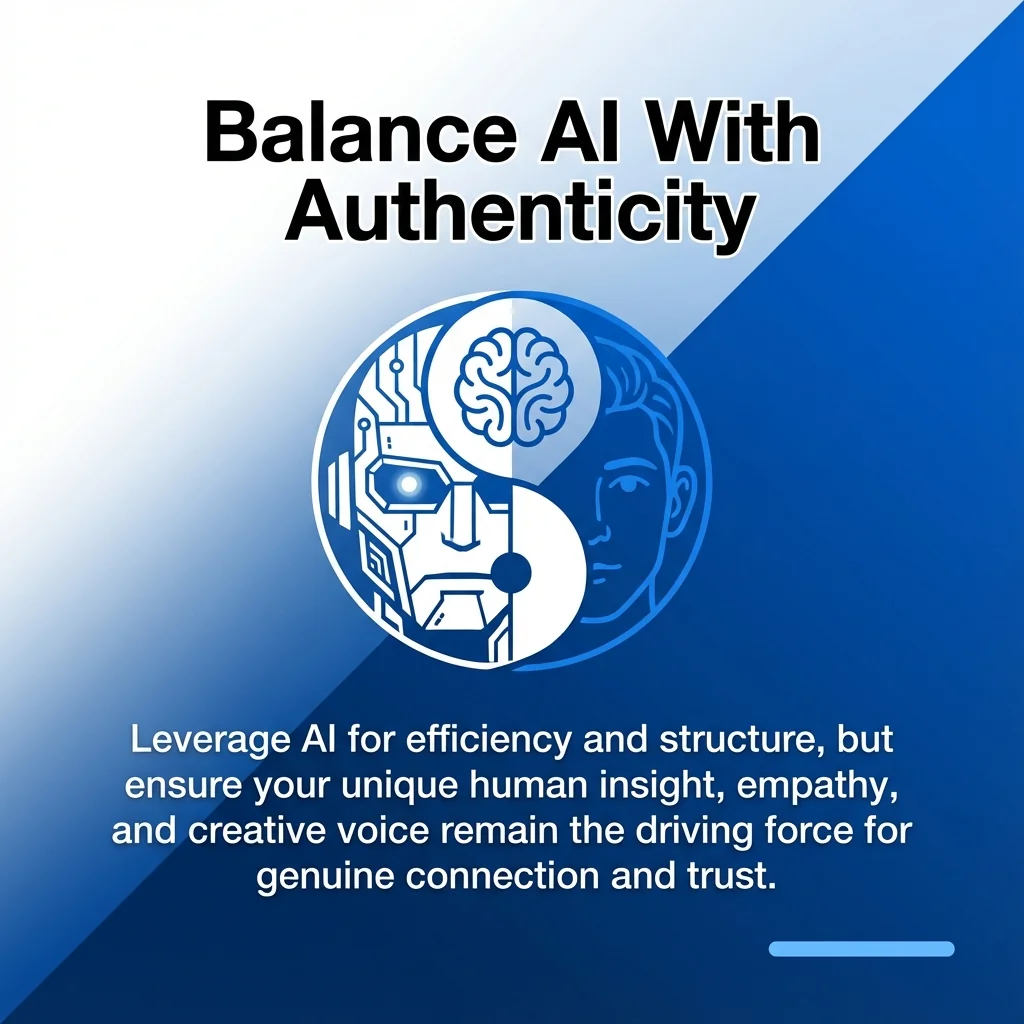
The smartest approach combines human creativity with machine intelligence. This balance ensures AI enhances rather than replaces human judgement and ethical oversight.
Authenticity and Trust Concerns
AI-generated content raises questions about authenticity. Audiences value genuine human connection, and excessive automation can damage trust.
Deepfakes and synthetic media present particular challenges. These technologies create realistic but fabricated images, videos, and audio. Distinguishing real from fake becomes increasingly difficult.
Brands must maintain transparency about AI usage. Disclosing when content is AI-generated or significantly AI-assisted builds trust. Some platforms now require labelling of synthetic media.
The most successful strategies use AI for efficiency whilst preserving authentic human elements. Automated scheduling and data analysis free time for genuine engagement and creative work that requires human touch.
Privacy and Data Protection
AI systems require extensive data to function effectively. This creates privacy concerns around how platforms collect, store, and use personal information.
Regulations like GDPR and emerging AI-specific legislation impose strict requirements on data handling. Marketers must ensure AI tools comply with applicable privacy laws.
Users increasingly demand transparency about data usage. Platforms that clearly explain how AI uses personal information build stronger trust relationships. Privacy-preserving AI techniques like federated learning offer promising alternatives to centralised data collection.
Algorithmic Bias and Fairness
AI systems can perpetuate or amplify existing biases present in training data. This creates potential for discriminatory outcomes in content distribution and advertising targeting.
Facial recognition technology has shown higher error rates for certain demographic groups. Content recommendation algorithms may reinforce filter bubbles, limiting exposure to diverse perspectives.
Addressing bias requires diverse development teams and rigorous testing. Regular audits of AI systems help identify and correct unfair outcomes. Many platforms now publish transparency reports detailing bias mitigation efforts.
Misinformation and Content Moderation
AI helps combat misinformation through automated detection and fact-checking. However, these systems aren’t perfect and can make mistakes.
Over-aggressive moderation risks censoring legitimate content. Under-moderation allows harmful misinformation to spread. Finding the right balance remains challenging.
Human oversight remains essential for complex moderation decisions. AI can flag potentially problematic content for human review, combining efficiency with nuanced judgement.
Job Displacement Concerns
Automation through AI raises concerns about job displacement in marketing and content creation. However, history suggests technology typically transforms roles rather than eliminating them entirely.
AI handles repetitive tasks, freeing professionals for strategic and creative work. New roles emerge around AI management, prompt engineering, and human-AI collaboration.
The most valuable skills combine technical AI literacy with uniquely human capabilities like creative thinking, emotional intelligence, and strategic planning. Professionals who develop these hybrid skill sets remain highly competitive.
The Future: What’s Next for AI in Social Media
Artificial intelligence will continue reshaping social media in ways we’re only beginning to imagine. Several emerging trends point toward the next evolution of AI-driven social marketing.
Understanding these developments helps marketers prepare strategies that leverage upcoming capabilities whilst navigating potential challenges.
Advanced Generative AI Capabilities
Next-generation AI will create increasingly sophisticated content. Video generation tools will produce broadcast-quality content from text prompts. Audio synthesis will enable personalised voice content at scale.
Multi-modal AI systems will combine text, images, video, and audio seamlessly. A single prompt could generate complete social media campaigns across multiple formats and platforms.
However, quality control becomes more critical as generation capabilities improve. Human oversight ensures AI-created content aligns with brand values and maintains authentic connections with audiences.
Augmented Reality Integration
AI-powered augmented reality will create immersive social experiences. Virtual try-on features for products will become more realistic and widespread. Interactive AR filters will drive engagement and brand awareness.
Spatial computing platforms may emerge as new social spaces. AI will personalise these environments, creating unique experiences for each user. Brands will need strategies for marketing in these immersive contexts.
Predictive Content Strategy
AI will increasingly predict content performance before publication. Advanced analytics will forecast engagement, sentiment, and conversion likelihood with greater accuracy.
These systems will suggest optimal content mixes, posting schedules, and format variations. They’ll identify emerging trends early, enabling brands to capitalise on opportunities before competitors.
Real-time strategy adjustments will become standard. AI will automatically shift budgets toward high-performing content and pause underperforming campaigns without manual intervention.
Autonomous Social Media Management
AI systems will handle increasingly complex marketing tasks autonomously. They’ll manage routine interactions, optimise campaigns, and even create content with minimal human input.
Adopting AI for smarter social media management will become essential for competitive advantage. However, strategic direction and creative vision will remain human responsibilities.
The most successful approaches will combine AI automation with human creativity and emotional intelligence. Technology handles efficiency, whilst humans focus on strategy and authentic connection.
Ethical AI and Regulation
Expect increased regulation around AI use in social media. Governments worldwide are developing frameworks for responsible AI deployment, particularly around privacy, bias, and transparency.
Platforms will likely face requirements to explain algorithmic decisions and provide users greater control over AI-driven personalisation. Marketers must prepare for stricter compliance requirements.
Ethical AI practices will become competitive differentiators. Brands demonstrating responsible AI use will build stronger trust relationships with increasingly AI-aware audiences.
Preparing Your Strategy
Start developing AI literacy across your marketing team. Understanding capabilities and limitations helps identify valuable applications whilst avoiding pitfalls.
Experiment with emerging AI tools in low-risk contexts. Test generative AI for content drafts, try predictive analytics for campaign planning, and explore AI-powered social listening.
Build frameworks for ethical AI use within your organisation. Establish guidelines around transparency, data privacy, and human oversight. These principles will guide responsible implementation as technology evolves.
Harnessing AI effectively for social media posts requires balancing efficiency gains with authentic audience relationships. Technology should enhance human capabilities, not replace them.
The future belongs to marketers who combine AI’s analytical power with human creativity and strategic thinking. This partnership creates social media strategies that are both efficient and genuinely engaging.