
Successful social media marketing rarely means creating everything from scratch. The smartest strategy involves refreshing old social posts that already performed well and repurposing them across multiple platforms.
Every piece of content you’ve published holds untapped potential. Your archive contains proven performers waiting for a second life.
This guide provides 12 practical methods to breathe new energy into existing content. You’ll discover how to identify which posts deserve attention, update them effectively, and redistribute them strategically.
The result? More visibility with less effort. Better engagement without starting from zero.
Why Refreshing Old Social Posts Delivers Better Returns
Content creation demands significant time and resources. Refreshing existing material offers a more efficient path to consistent social presence.
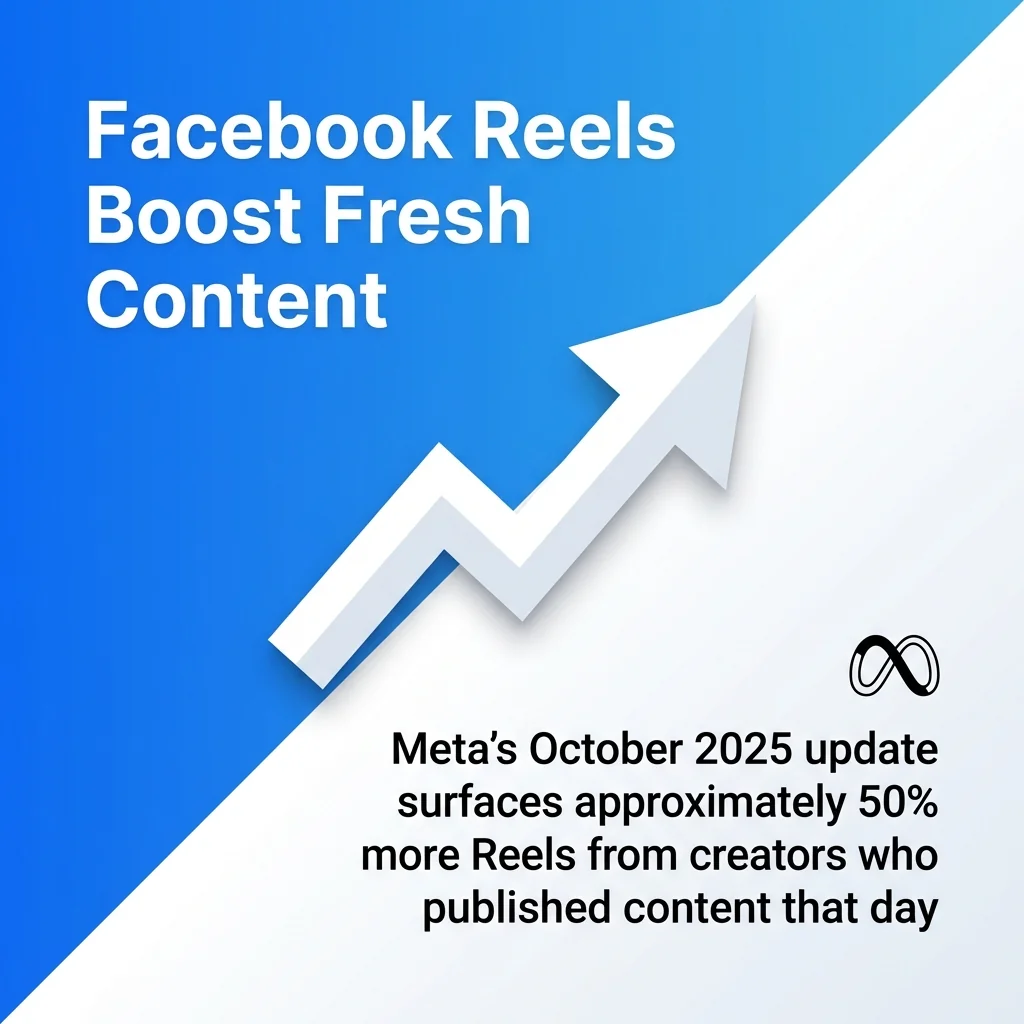
Modern platforms prioritise fresh content. Meta’s October 2025 update to Facebook’s recommendation engine surfaces approximately 50% more Reels from creators who published content that day.
This shift means simply reposting old content without updates won’t achieve the same reach. Strategic refreshing adapts proven material for current algorithmic preferences.
Three compelling reasons make content refreshing worthwhile.
Time Efficiency
Creating original content requires research, writing, design, and editing. Refreshing existing posts cuts this timeline significantly.
You already have the foundation. The core message, structure, and initial performance data exist.
Focus your energy on strategic updates rather than starting from scratch.
SEO Value for Evergreen Content
Evergreen content remains relevant regardless of publication date. These posts about timeless topics deserve ongoing visibility.
Updating older posts with current information, statistics, and keywords improves their search rankings. Search engines favour regularly maintained content.
Your archive likely contains dozens of evergreen posts worth optimising.
Audience Growth Means New Viewers
Your follower count has likely grown since publishing older content. New audience members never saw your best material from months or years ago.
Refreshing and resharing introduces proven valuable content to people who weren’t following you originally.
Think of it as giving your best work the audience it deserves.
How to Identify Which Posts Deserve Attention
Not every old post merits refreshing. Strategic selection ensures your effort produces maximum impact.
Start by examining your content library with specific criteria in mind.
Analyse Historical Performance Data
Review analytics for posts with historically high engagement. Look for content that generated significant likes, comments, shares, or saves.
These proven performers demonstrated audience interest. They’re prime candidates for refreshing.
Check each platform’s native analytics to identify your top content by engagement rate.
Prioritise Evergreen Over Trending Topics
Focus on content that remains relevant year-round. Posts about fundamental principles, how-to guides, or enduring challenges work best.
Time-sensitive content about specific events or dated trends won’t benefit from refreshing.
Ask yourself: Will this information still be valuable in six months? If yes, it’s worth updating.
Check for Outdated Information
Review posts containing statistics, platform features, or industry practices that may have changed. Outdated information damages credibility.
Update these posts with current data and recent developments. This maintains your authority whilst giving you fresh content to share.
Conducting a Content Audit for Social Posts
A systematic audit reveals opportunities hidden in your archive. This process organises your approach to content refreshing.
Create a spreadsheet tracking key information about each potential post.
Document Essential Metrics
Record these details for each post under consideration:
- Publication date and platform
- Original engagement metrics (likes, comments, shares)
- Topic and content type
- Current relevance rating
- Potential for repurposing across platforms
This documentation helps you compare options and prioritise effectively.
Categorise Your Content Library
Group similar content together. Categories might include educational posts, behind-the-scenes content, user-generated content, or promotional material.
Understanding your content mix reveals gaps and strengths in your archive.
You’ll notice patterns about which content types resonate most with your audience.
Identify Quick Wins
Some posts need minimal updates to become shareable again. Others require substantial revision.
Mark posts that need only a caption refresh or new image as priority items. These quick wins build momentum.
Save more complex refreshing projects for when you have dedicated time available.
12 Proven Methods to Refresh and Repurpose Social Content
These techniques transform existing material into fresh content. Apply them individually or combine multiple approaches for maximum impact.
1. Update Statistics and Data Points
Replace outdated numbers with current figures. Search for recent industry reports or studies related to your topic.
Add citations to authoritative sources. This demonstrates you’re sharing current, reliable information.
Updated statistics give you a legitimate reason to reshare whilst improving content quality.
2. Add New Visuals or Video Elements
Replace static images with short video clips. Video content is rising quickly across industries, with algorithms serving users more fresh video clips daily.
Create graphics with updated design trends. Last year’s design aesthetic may look dated.
Consider adding text overlays, arrows, or highlighting to images to increase engagement.
3. Convert Blog Posts to Social Media Formats
Extract key points from longer blog content for social posts. Each major section can become a separate social update.
Create carousel posts on Instagram or LinkedIn showcasing multiple tips from one article. Design quote graphics highlighting compelling statistics or insights.
This strategy is particularly effective for repurposing written content into visual social formats.
4. Transform Long-Form Content Into Short Videos
Turn blog posts or guides into 30-60 second videos. Hit the key points quickly with on-screen text and voiceover.
Instagram Reels, TikTok, and YouTube Shorts all favour short-form video. Adapt your best performing content for these formats.
You don’t need professional equipment. Good lighting and clear audio recorded on your phone work perfectly.
5. Create Platform-Specific Variations
Each social platform has unique content preferences and audience expectations. Adapt your content accordingly.
| Platform | Format Preference | Optimal Approach |
|---|---|---|
| Visual-first, carousel posts, Reels | Design multi-slide graphics or short videos with captions | |
| Professional insights, carousels, articles | Add industry context and professional implications | |
| Vertical images, infographics, how-to content | Create tall graphics with clear step-by-step visuals | |
| TikTok | Short entertaining videos, trends | Add personality and make content more dynamic |
| Community-focused, mixed media | Encourage conversation with questions |
This approach lets you create five different posts from one core idea.
6. Update Captions With New Insights
Rewrite captions to reflect what you’ve learnt since the original post. Add current perspectives or developments in your industry.
Include new calls-to-action based on your current goals. Your priorities have likely shifted.
Fresh captions combined with proven visuals create genuinely updated content.
7. Combine Multiple Related Posts
Take several individual tips or insights and merge them into comprehensive guides. Create a “best of” collection from your most popular content.
This works particularly well for creating carousel posts or longer video content.
Followers appreciate curated collections that provide concentrated value.
8. Add Seasonal or Timely Angles
Connect evergreen content to current events or seasons. Add relevant hashtags that reflect what’s happening now.
For example, productivity tips gain new relevance during “new year, new you” season. Financial advice connects to tax season.
This technique makes old content feel timely and contextually relevant.
9. Repurpose User-Generated Content
Share customer testimonials, reviews, or content featuring your products again. Tag the original creators and thank them.
Add updated commentary about how your offerings have improved since the original content.
User-generated content builds social proof whilst being relatively easy to refresh.
10. Create Roundup or Recap Posts
Compile your best content from the past year into a single post. “Top 10 posts from 2025” provides value whilst showcasing your range.
This method works excellently for planning your content calendar during slower periods.
Include brief descriptions and links to the original posts in your caption.
11. Transform Posts Into Different Content Types
Turn a popular infographic into a podcast episode discussing each point. Convert a video into a written blog post with screenshots.
This approach helps you reach audience members who prefer different content formats.
Some people love video. Others prefer reading. Give them options using the same core material.
12. Use AI Tools for Efficient Repurposing
AI-powered platforms can help transform content between formats quickly. Tools like Canva now include AI features for design variations.
Descript helps edit videos and extract audio for podcast content. Jasper and similar platforms can help rewrite captions in different tones.
These tools accelerate the repurposing process when used strategically.
Platform-Specific Strategies for Maximum Impact
Each social media platform rewards content differently. Understanding these nuances helps you refresh old posts effectively.
Instagram Refresh Tactics
Instagram’s algorithm prioritises recency and engagement. Simply reposting old content won’t perform well.
Instead, save your best photos and recreate posts with updated captions, current hashtags, and improved image editing. Instagram Stories can highlight old posts with “TBT” (Throwback Thursday) context.
Carousel posts let you combine multiple old images into one new post. Add the first slide as a title card explaining the theme.
LinkedIn Content Refresh
LinkedIn’s algorithm gives more reach to content focused on sharing knowledge and insights.

Rewrite old posts with professional framing and industry implications. Add data or case studies if available.
LinkedIn carousels perform exceptionally well. Convert blog posts into professional slide decks with consistent branding.
Pinterest Optimisation
Pinterest functions as a visual search engine. Update pin descriptions with current keywords people are actually searching.
Create fresh pin designs for the same destination URL. Multiple pins pointing to one article increase discovery chances.
Vertical images (2:3 ratio) perform best. Update older square images to this format.
Facebook and Meta Updates
Focus on creating conversation. Ask questions and encourage comments when resharing older content.
Facebook Stories and Facebook Reels offer opportunities to refresh content in formats that receive algorithmic priority.
TikTok and YouTube Shorts
Transform educational content into entertaining short videos. Add trending audio to increase discoverability.
These platforms reward consistent posting. Your archive provides abundant material for regular short-form video.
Avoiding Duplicate Content Issues
Strategic refreshing differs from simple reposting. Understanding these distinctions protects your visibility and credibility.
Make Substantial Updates
Don’t just change one word and reshare. Substantial updates include new visuals, rewritten captions, updated information, or different formats.
Platforms may deprioritise content that appears too similar to previous posts.
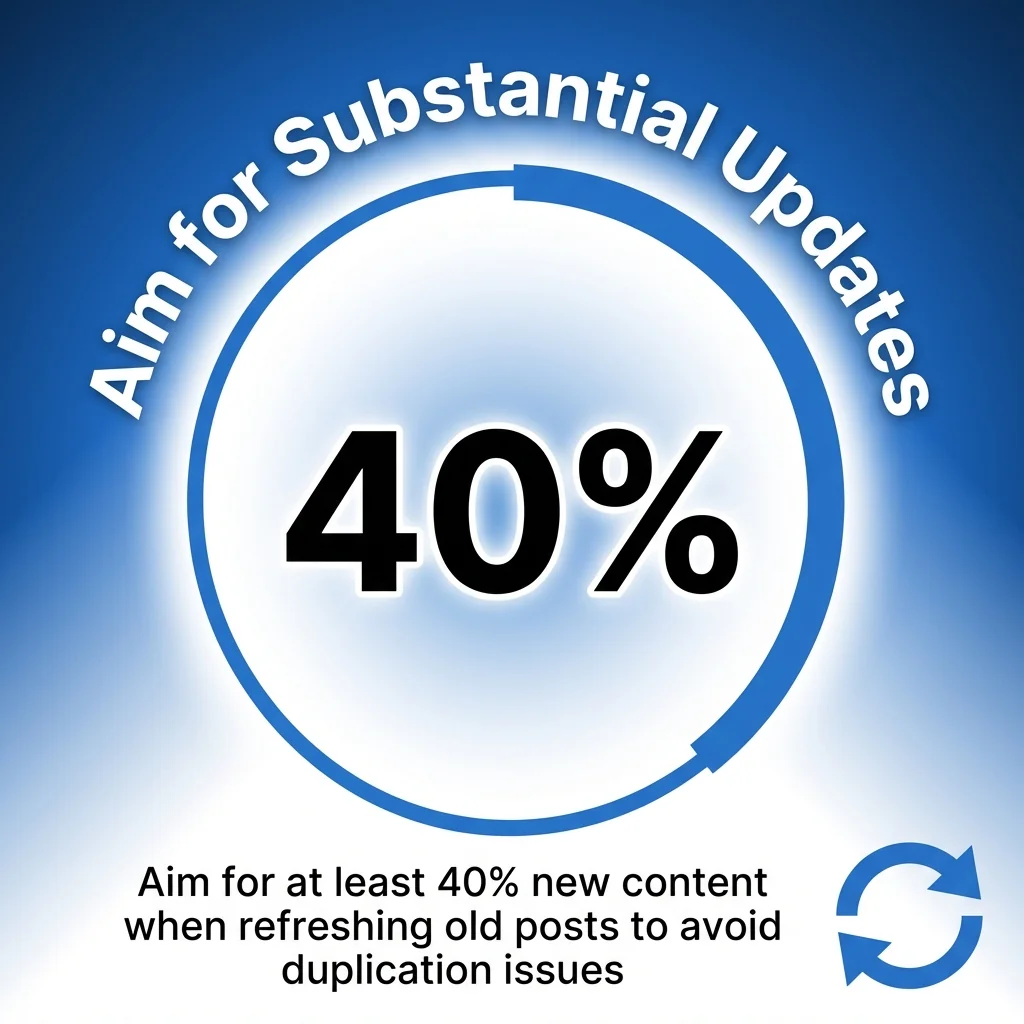
Aim for at least 40% new content when refreshing.
Space Out Reshares Appropriately
Allow adequate time between posting similar content. For evergreen material, wait at least 3-6 months before resharing refreshed versions.
This timing ensures new followers see the content whilst not annoying existing followers with repetition.
Track reshare dates in your content calendar to maintain appropriate spacing.
Delete or Archive Original Posts When Appropriate
For posts with significantly outdated information, consider removing the original. This prevents confusion and maintains content quality.
Archive rather than delete when the post has historical value or strong backlinks.
On platforms like Instagram, you can archive posts to hide them without permanent deletion.
Tools and Resources for Efficient Content Repurposing
The right tools streamline the refreshing process. These platforms help you work faster without sacrificing quality.
Content Management and Scheduling
Buffer and Hootsuite let you schedule refreshed content across multiple platforms simultaneously. Both include analytics to identify top-performing posts worth refreshing.
Later works particularly well for visual platforms like Instagram and Pinterest.
Design and Visual Creation
Canva provides templates specifically designed for each social platform. Update old graphics quickly using their brand kit feature.
Adobe Express offers more advanced design capabilities for professional-looking refreshed content.
Video Editing Solutions
CapCut makes short-form video creation simple. Add captions, effects, and trending audio to refresh old video content.
Descript allows text-based video editing. Edit videos as easily as editing a document.
Content Repurposing Platforms
Repurpose.io automatically transforms content between platforms. Post a YouTube video and it creates clips for Instagram Reels.
Quuu helps with content curation and sharing, ensuring you create shareable social media content that resonates.
Best Practices and Implementation Timeline
Successful content refreshing requires consistent habits rather than sporadic efforts. Establish a sustainable system.
How Often to Refresh Content
Review your content library quarterly. Identify 5-10 posts to refresh each month.
This pace maintains consistency without overwhelming your schedule. You’ll always have proven material ready to share.
High-performing evergreen content can be refreshed multiple times throughout the year with different approaches.
Create a Refresh Calendar
Integrate refreshed content into your regular posting schedule. Mix it with newly created content for variety.
Aim for a 60-40 split. Create 60% new content and refresh 40% from your archive.
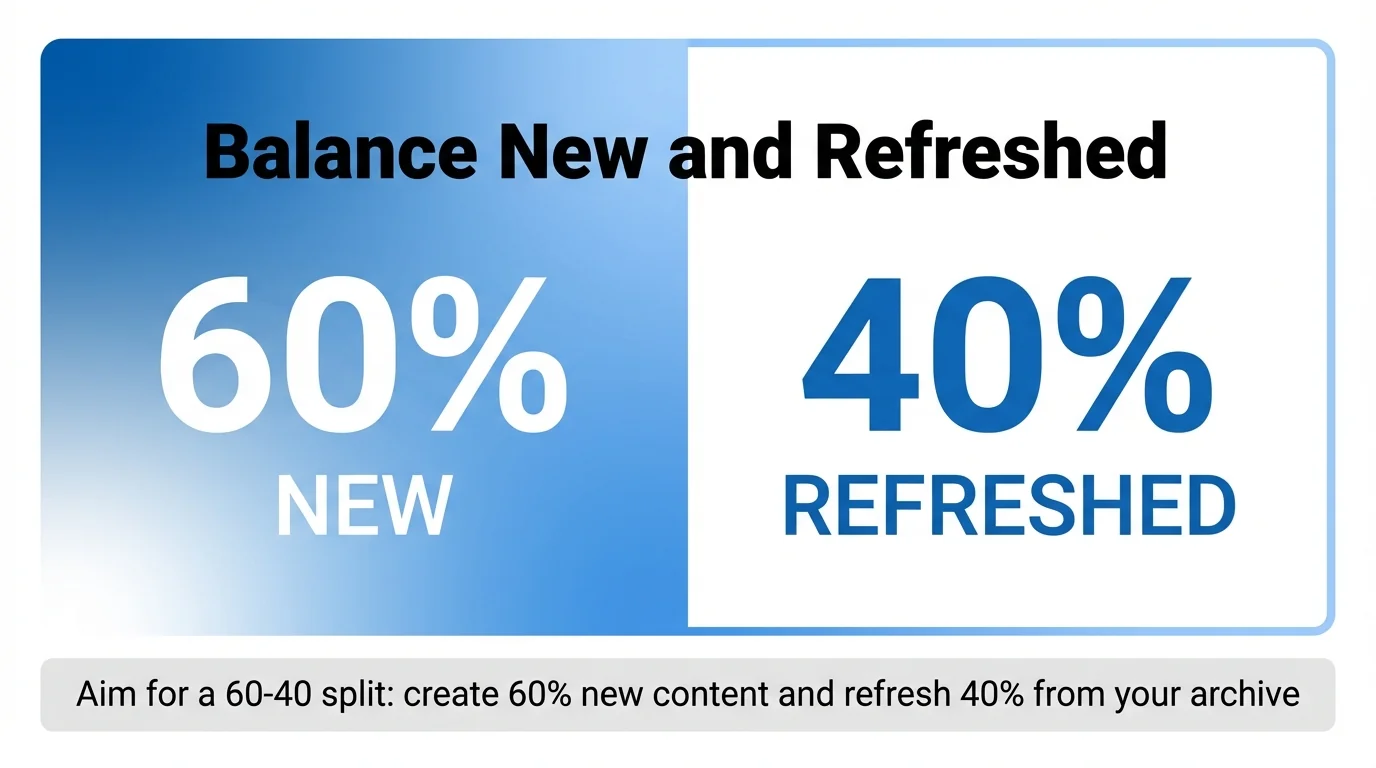
This balance maintains freshness whilst maximising efficiency. Consider using cross-platform content strategies to maintain consistency.
Track Performance of Refreshed Posts
Compare metrics between original and refreshed versions. Note which updates generated the best results.
This data informs future refreshing decisions. You’ll learn which techniques work best for your specific audience.
Document successful approaches in your content guidelines for consistent application.
Maintain Your Content Archive
Organise content with clear labels and categories. Tag posts by topic, performance level, and platform.
This organisation makes finding refresh candidates effortless.
Spend 30 minutes monthly maintaining your archive. Future you will appreciate the investment.
Frequently Asked Questions
How do I get Instagram to show older posts?
Instagram’s algorithm prioritises recent content. You can’t force it to show older posts in feeds. Instead, refresh old content by creating new posts with updated visuals and captions. Archive the original if it contains outdated information.
Is there a way to refresh posts on Facebook?
Facebook doesn’t have a native refresh feature. Edit existing posts to update information, which may give them slight algorithmic priority. For better results, create new posts incorporating your best old content with substantial updates rather than simple reposts.
How do I optimise old content for better reach?
Update old content with current keywords, fresh visuals, and relevant information. Make posts public if they weren’t originally. Add context that makes content relevant today. Substantial updates signal to algorithms that content deserves renewed attention.
Key Takeaways for Content Refreshing Success
Your content archive represents months or years of effort. Mining it strategically multiplies your investment.
Start with a thorough content audit. Identify your top performers and evergreen material worth updating.
Apply the 12 refreshing methods based on your audience preferences and available resources. Platform-specific optimisation ensures maximum visibility.
Establish a quarterly review process. Consistent refreshing becomes easier once you’ve created the system.
Remember that refreshing works best when combined with creating new content. Balance both approaches for a sustainable social media strategy that maintains quality whilst respecting your time constraints.
Begin today by reviewing your last 50 posts. Choose three high performers and commit to refreshing them this week using the techniques that best match your skills and tools.