
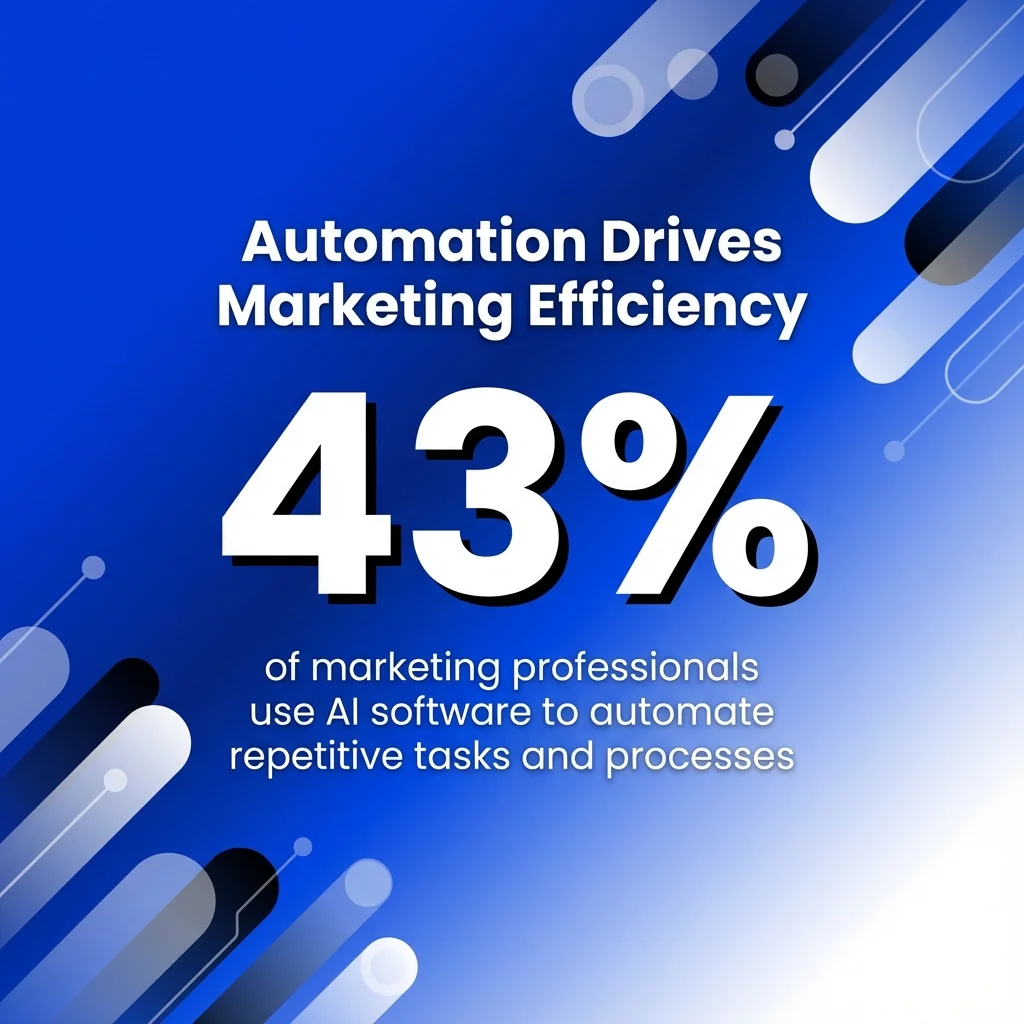
AI posting tools transform how businesses manage social media. They automate scheduling, personalise content, and analyse performance data in real-time. The most significant advantage is efficiency: 43% of marketing professionals use AI software to automate repetitive tasks and processes, freeing teams to focus on strategy and creative work. Yet these tools come with trade-offs. Over-automation risks losing authentic brand voice, whilst algorithm dependence may limit creative spontaneity.
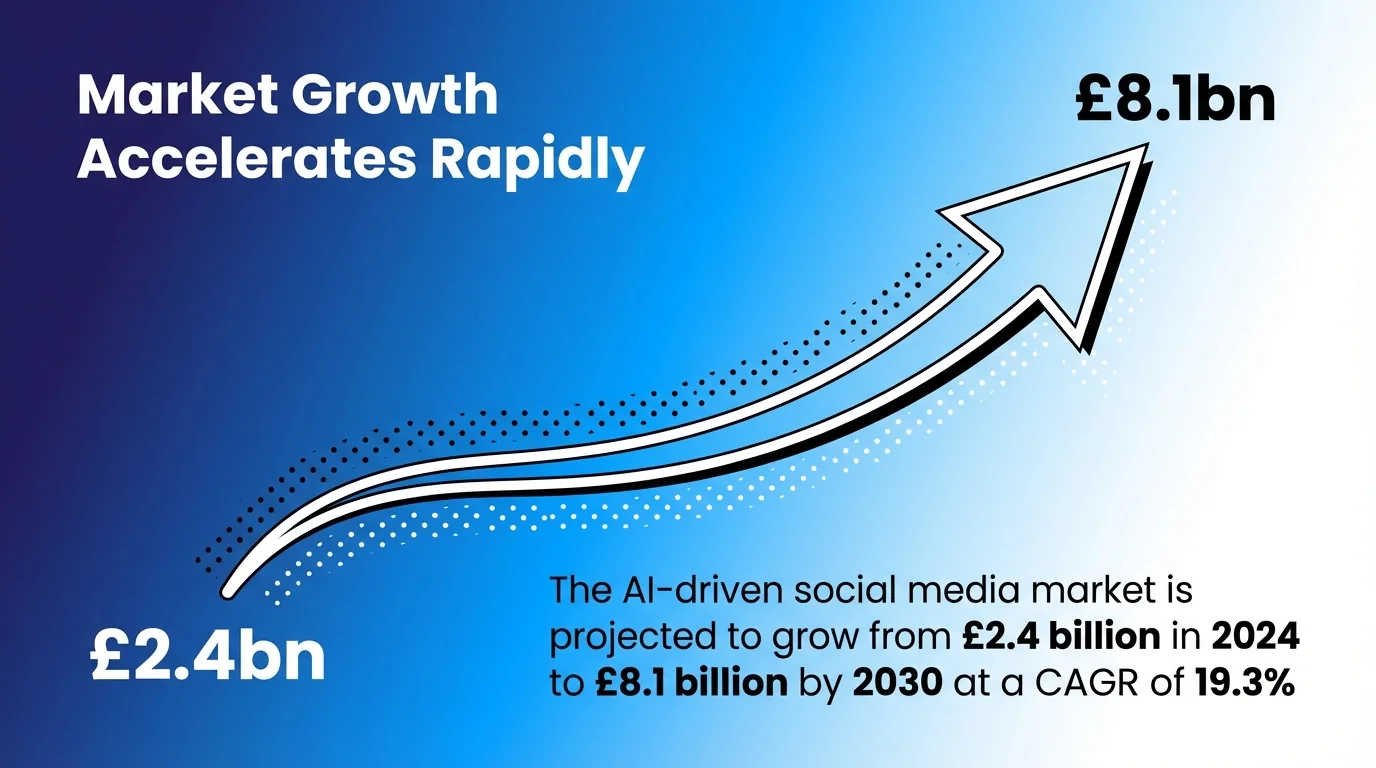
The market speaks volumes about adoption rates. The AI-driven social media market is projected to grow from £2.4 billion in 2024 to £8.1 billion by 2030 at a CAGR of 19.3%. This growth reflects genuine business value, not just hype.
Understanding both strengths and limitations helps you make informed decisions. This guide examines practical advantages, genuine drawbacks, and strategic implementation considerations for AI social media tools.
What AI Social Media Tools Actually Do
AI social media tools combine machine learning algorithms with natural language processing to handle various marketing tasks. These platforms analyse data patterns, predict audience behaviour, and execute posting strategies automatically.
The core functionality centres on three areas: content creation, distribution management, and performance analysis. Tools like Buffer and Hootsuite use artificial intelligence to optimise posting times based on historical engagement data.
Content Generation Capabilities
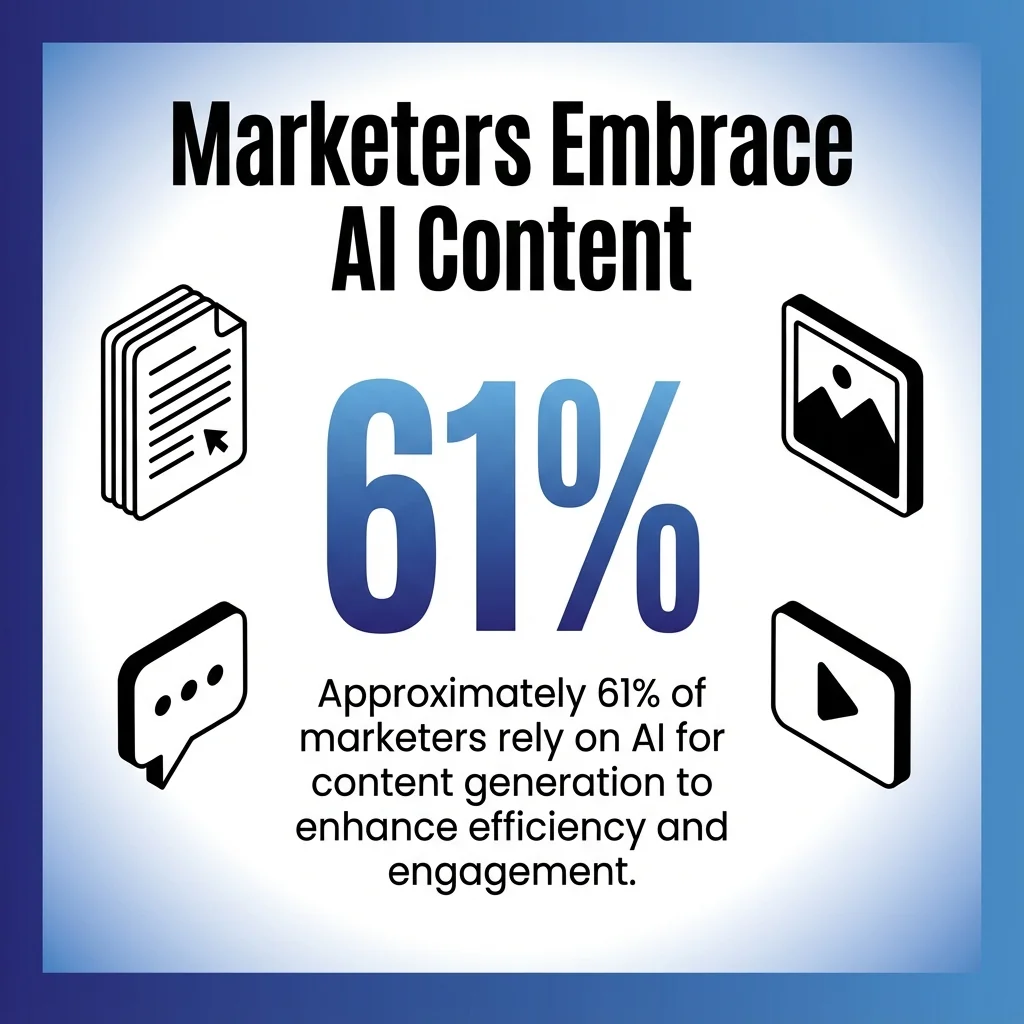
Approximately 61% of marketers rely on AI for content generation to enhance efficiency and engagement. These systems generate captions, suggest hashtags, and create visual content variations at scale.
Natural language processing enables tools to adapt tone and style for different platforms. A LinkedIn post requires professional language, whilst Instagram captions need personality and emoji integration.
Image recognition technology analyses visual content to suggest optimal posting contexts. AI identifies which product photos drive conversions and which lifestyle images boost engagement rates.
Automated Scheduling Functions
Scheduling automation goes beyond basic calendar functions. AI tools analyse when your specific audience is most active, adjusting posting times based on real-time data.
These systems monitor engagement patterns across time zones. They identify micro-windows of opportunity when your content faces less competition in crowded feeds.
Queue management features maintain consistent posting frequency without manual intervention. The software distributes content evenly whilst respecting platform-specific best practices.
Analytics and Reporting Features
Modern AI tools process massive datasets to reveal actionable insights. They track engagement rates, follower growth, and conversion metrics across multiple social media platforms simultaneously.
Sentiment analysis measures audience reactions beyond basic likes and shares. The technology detects whether comments express positive, negative, or neutral emotions about your brand.
Predictive analytics forecast campaign performance based on historical patterns. This helps marketing teams allocate budgets more effectively and adjust strategies proactively.
Major Advantages of AI Posting Tools
The benefits of artificial intelligence in social media marketing extend across operational efficiency, audience targeting, and content optimisation. These advantages create measurable business value when implemented strategically.
Time Savings and Efficiency Gains
AI tools eliminate repetitive manual tasks that consume hours each week. Scheduling content across Facebook, Instagram, LinkedIn, and Twitter manually requires significant time investment and attention to detail.
Automation handles the mechanics whilst marketers focus on strategy and creativity. Teams report saving 10-15 hours weekly on routine posting and basic engagement monitoring.
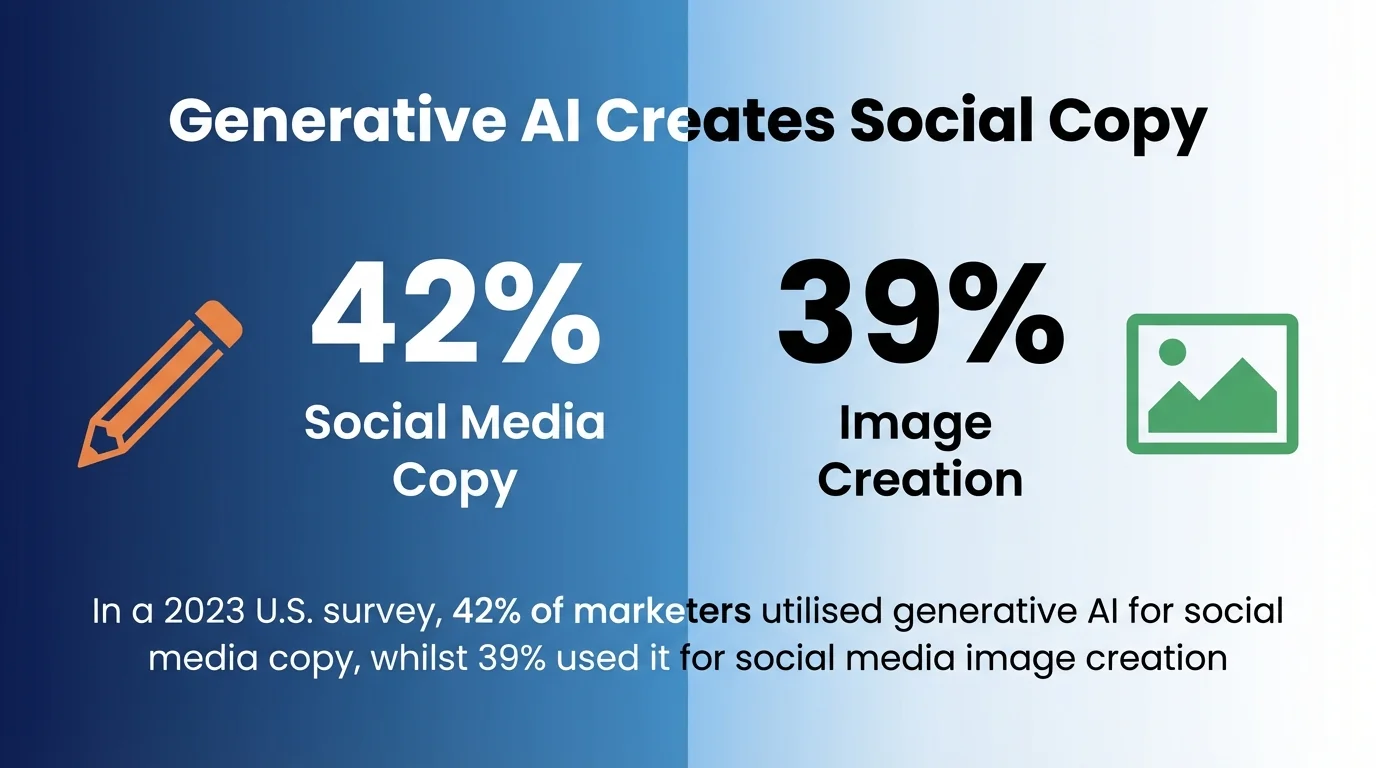
Content creation speeds up dramatically with AI assistance. In a 2023 U.S. survey, 42% of marketers utilised generative AI for social media copy, whilst 39% used it for social media image creation. Draft generation, variation testing, and format adaptation happen in minutes rather than hours.
Enhanced Personalization at Scale
Personalized content drives higher engagement rates, but manual customisation doesn’t scale effectively. AI tools analyse individual user behaviours to deliver tailored content recommendations.
Audience segmentation becomes more sophisticated with machine learning algorithms. These systems identify micro-segments within your follower base, enabling targeted messaging that resonates with specific groups.
Dynamic content adaptation adjusts messaging based on user interactions. Someone who engages with product videos receives different follow-up content than someone who primarily clicks on blog links.
Consistent Brand Presence
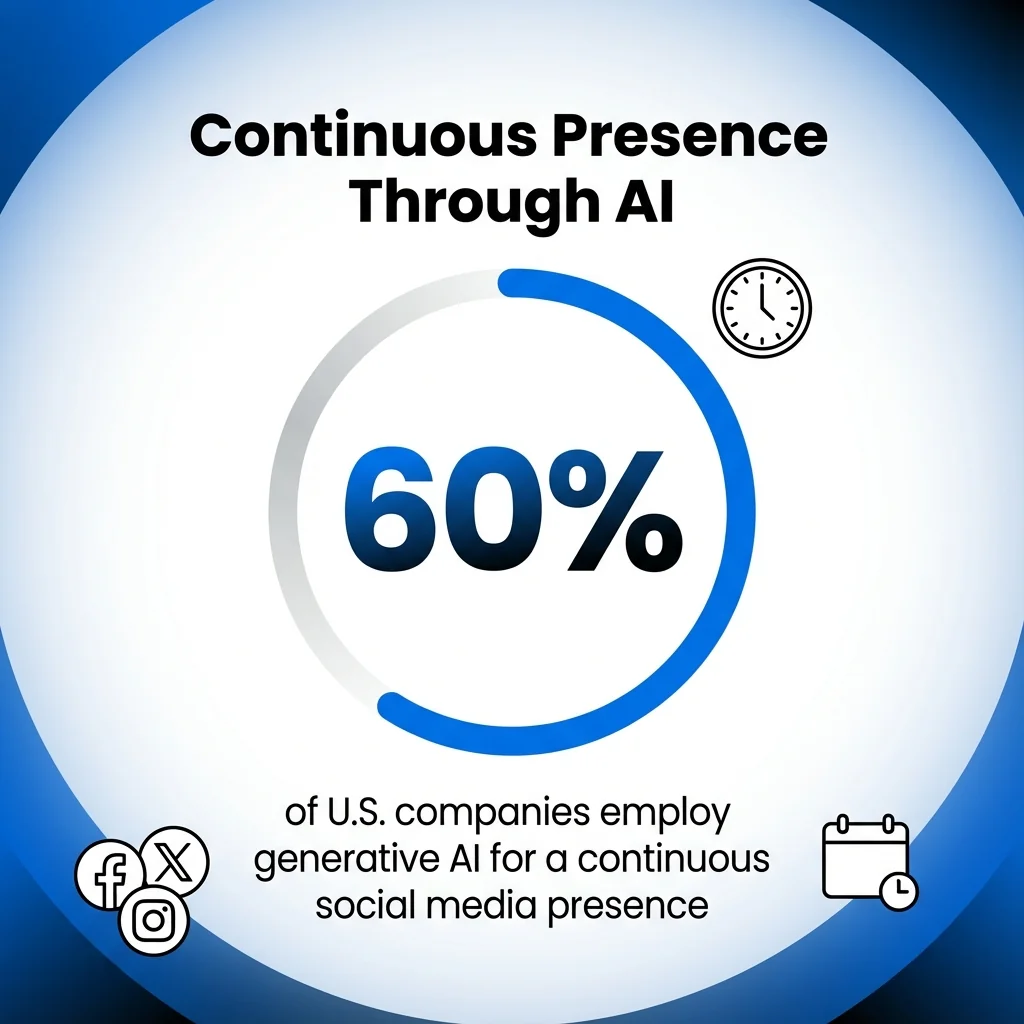
60% of U.S. companies employ generative AI for a continuous social media presence. This consistency builds brand recognition and maintains audience relationships.
AI posting tools ensure your accounts remain active during holidays, weekends, and team vacations. The software maintains your publishing schedule without gaps that might signal inactivity to algorithms.
Brand voice consistency improves when AI tools use approved messaging frameworks. The technology applies your style guidelines across all generated content, reducing voice variation between different team members.
Data-Driven Decision Making
AI tools transform raw data into actionable marketing intelligence. They identify which content formats, topics, and posting times generate the best results for your specific audience.
A/B testing runs automatically across multiple variables simultaneously. The system tests headlines, images, captions, and calls-to-action, then routes budget toward winning variations.
Competitive analysis features monitor rival accounts to identify successful strategies. This intelligence helps you adapt effective tactics whilst maintaining your unique brand positioning.
Improved Customer Engagement
Chatbots powered by natural language processing handle routine customer enquiries instantly. They provide 24/7 support without requiring human staff availability across all time zones.
Response time improvements significantly impact customer satisfaction scores. AI tools can acknowledge comments and messages within minutes, even when your team is offline.
Engagement prioritisation helps teams focus attention where it matters most. AI flags important conversations requiring human intervention whilst handling straightforward queries automatically.
Significant Drawbacks and Limitations
Whilst AI posting tools offer substantial benefits, they introduce challenges that marketing teams must address. Understanding these limitations prevents over-reliance on automation at the expense of authentic engagement.
Authenticity and Brand Voice Concerns
AI-generated content often lacks the nuanced personality that makes brands memorable. The technology produces grammatically correct, contextually appropriate posts that still feel generic or formulaic.
Audiences increasingly detect automated content. They notice repetitive phrasing patterns, predictable emoji usage, and responses that miss conversational subtleties.
Finding the balance between efficiency and authenticity requires constant oversight. Teams must review AI-generated content to inject personality, humour, and brand-specific language that algorithms struggle to replicate.
Over-Automation Risks
Setting tools to fully autonomous mode creates disconnection from your audience. Social media fundamentally involves social interaction, which suffers when automation removes human presence entirely.
Crisis management situations demand immediate human judgement. Automated posting schedules can publish tone-deaf content during breaking news events or brand controversies.
Community relationship building requires genuine human connection. Followers eventually disengage when they realise they’re primarily interacting with algorithms rather than people.
Algorithm Dependency Issues
Relying heavily on AI recommendations limits creative experimentation. The technology optimises for past performance patterns, potentially missing emerging trends or untested content approaches.
Platform algorithm changes can suddenly reduce AI tool effectiveness. When Facebook or Instagram updates their ranking systems, automation tools require time to adapt their optimisation strategies.
Data bias in training datasets affects recommendation quality. If your AI tool learned from data that doesn’t represent your specific audience demographics, its suggestions may miss the mark.
Cost Considerations
Enterprise-grade AI social media tools require significant financial investment. Platforms like Salesforce Marketing Cloud and Sprout Social charge hundreds or thousands of pounds monthly.
Smaller businesses face difficult budget allocation decisions. The subscription costs must justify themselves through measurable time savings and improved engagement metrics.
Hidden costs include training time, integration complexity, and ongoing optimisation requirements. Teams need resources to learn platforms thoroughly and continually refine automation parameters.
Privacy and Data Security
AI tools require access to substantial customer data to function effectively. This creates potential vulnerabilities if platforms experience security breaches or data leaks.
GDPR compliance becomes more complex when third-party AI systems process customer information. Marketing teams must verify that tool providers meet regulatory requirements across all operating regions.
Data ownership questions arise regarding content and insights generated through AI platforms. Understanding what happens to your data after contract termination matters for long-term business continuity.
Learning Curve and Technical Complexity
Sophisticated AI tools require time investment to master. Teams accustomed to manual posting face steep learning curves when adopting comprehensive automation platforms.
Integration with existing marketing technology stacks presents technical challenges. Connecting AI tools with CRM systems, email platforms, and analytics software often requires developer support.
Ongoing optimisation demands continuous attention. Simply implementing AI tools doesn’t guarantee results; teams must regularly review performance data and adjust automation parameters.
Strategic Implementation Considerations
Successful AI tool adoption requires thoughtful planning rather than rushing into full automation. The most effective strategies blend artificial intelligence capabilities with human creativity and judgement.
Choosing the Right Tools for Your Needs
Start by auditing your current social media workflows. Identify which tasks consume the most time and which require genuine human creativity or judgement.
For content scheduling and basic analytics, platforms like Buffer or Later provide accessible entry points. These tools offer core automation without overwhelming complexity.
Enterprise teams managing multiple brands across numerous platforms benefit from comprehensive solutions. Hootsuite and Sprout Social provide advanced features including team collaboration tools and detailed reporting capabilities.
Content creation specialists should explore AI writing assistants like Jasper or visual generation tools like Canva’s AI features. These platforms excel at producing draft content that humans can refine.
Balancing Automation with Human Touch
Establish clear boundaries for what AI handles versus what requires human involvement. Routine announcements, content distribution, and performance tracking suit automation well.
Reserve human attention for community engagement, crisis response, and creative strategy development. Your team should personally handle customer complaints, nuanced questions, and conversations requiring empathy.
Create review workflows where AI generates initial drafts that humans edit before publication. This hybrid approach maintains efficiency whilst ensuring content quality and brand voice consistency.
Schedule regular “human-only” engagement sessions where team members actively participate in conversations without relying on automated responses. This maintains authentic community relationships.
Measuring Success and ROI
Define specific metrics before implementing AI tools. Track time saved on routine tasks, engagement rate improvements, and content production volume increases.
Compare performance data from pre-automation and post-automation periods. Look for changes in follower growth rates, engagement rates, and conversion metrics directly attributable to AI implementation.
Calculate the financial return by weighing subscription costs against time savings and improved results. If a tool saves 10 hours weekly but doesn’t improve engagement or conversions, its value remains questionable.
Monitor audience sentiment through both quantitative metrics and qualitative feedback. Watch for comments suggesting your content feels less authentic or engaging after automation increases.
Staying Compliant and Ethical
Review platform terms of service regarding automation. Some social networks restrict or prohibit certain automated behaviours, particularly around engagement and following actions.
Implement transparent disclosure practices when AI generates customer-facing content. Some audiences appreciate knowing when they’re interacting with automation versus humans.
Regularly audit your AI tools’ data handling practices. Ensure providers maintain current security certifications and comply with relevant privacy regulations in your operating regions.
Establish guidelines for AI content generation that prevent misleading or deceptive practices. Your brand reputation depends on maintaining trust even when using automation technology.
The Future of AI in Social Media Marketing
Artificial intelligence capabilities continue advancing rapidly. Understanding emerging trends helps marketing teams prepare for shifting requirements and new opportunities.
Advanced Personalization Technologies
Next-generation AI tools will deliver hyper-personalised content at the individual user level. Machine learning algorithms will analyse micro-behaviours to predict exactly what content formats, topics, and messaging styles resonate with specific users.
Real-time content adaptation will adjust messaging based on current context. The same product might be presented differently depending on weather conditions, local events, or trending topics in a user’s region.
Predictive engagement scoring will forecast how specific audience segments will respond to content before publication. This enables testing and refinement without wasting impressions on underperforming posts.
Enhanced Creative Capabilities
Generative AI video creation tools will democratise video marketing. Small businesses will produce professional-quality video content without expensive equipment or specialised skills.
Voice and audio content generation will expand AI applications beyond text and images. Podcasts, audio ads, and voice-based social content will benefit from automation and personalisation.
Multi-modal content creation will combine text, images, video, and interactive elements seamlessly. AI will optimise content formats based on platform requirements and audience preferences automatically.
Improved Natural Conversation
Chatbot technology will become increasingly sophisticated in understanding context, emotion, and intent. Future systems will handle complex customer service scenarios that currently require human judgement.
Sentiment analysis will move beyond simple positive/negative classification. AI will detect nuanced emotions, sarcasm, cultural references, and contextual meanings that current systems miss.
Multilingual capabilities will improve dramatically, enabling genuine localisation rather than simple translation. Content will adapt culturally as well as linguistically for different regions.
Making Your Decision About AI Posting Tools
The choice to adopt AI social media tools depends on your specific circumstances, resources, and goals. No universal answer exists; the right approach varies by organisation size, industry, and marketing maturity.
Small businesses and solo marketers gain immediate value from basic automation tools. Scheduling software and simple analytics platforms provide substantial time savings without overwhelming complexity or cost.
Mid-sized companies benefit from comprehensive platforms that integrate multiple functions. These organisations have sufficient content volume and audience size to justify advanced features whilst still requiring manageable learning curves.
Enterprise marketing teams need sophisticated systems with team collaboration, approval workflows, and detailed attribution tracking. The investment in complex platforms pays dividends when managing multiple brands across numerous markets.
Start small rather than attempting full automation immediately. Test one or two core features, measure results, then gradually expand usage as you develop expertise and confidence.
Maintain flexibility in your approach. The AI tools landscape changes rapidly, with new platforms emerging and existing solutions adding capabilities regularly. Annual reviews ensure you’re using the most effective tools for current needs.
Remember that technology serves your strategy, not the reverse. AI social media post generators provide powerful capabilities, but they work best when supporting well-conceived marketing strategies rather than replacing strategic thinking.
Your audience ultimately determines success. Tools that improve efficiency whilst maintaining authentic engagement deliver genuine value. Systems that sacrifice connection for convenience undermine long-term relationship building.
The future belongs to marketers who skillfully blend artificial intelligence capabilities with human creativity and judgement. Neither pure automation nor complete manual management represents the optimal path forward.
Consider starting your AI journey by unlocking the benefits AI offers in social media through small experiments and measured implementations. Track what works, adjust what doesn’t, and continuously refine your approach based on real performance data.
The decision isn’t whether to use AI tools, but rather how to integrate them thoughtfully into your existing workflows. Focus on augmenting human capabilities rather than replacing human presence entirely, and you’ll find the balance that works for your organisation.