Social media scheduling can save hours each week, but only if you avoid the pitfalls that kill engagement. The biggest mistake? Treating every platform like it’s the same. When you post identical content across Instagram, LinkedIn, and Facebook, you’re ignoring what makes each audience unique.
This guide walks you through seven critical scheduling mistakes that marketers make daily. You’ll learn why these errors happen and how to fix them.
Each mistake comes with actionable solutions you can implement immediately. By the end, you’ll have a scheduling strategy that maintains authenticity whilst saving time.
Let’s start with the most common error that undermines your entire social media strategy.
1. Posting Identical Content Across All Platforms
Your LinkedIn audience expects professional insights. Your Instagram followers want visual stories. Your Facebook community values conversation.
When you schedule the same post everywhere, you’re essentially shouting the same message into different rooms. Each room has different acoustics, different expectations, and different reasons for being there.
The mistake stems from efficiency thinking. You’ve created content, so why not maximise its reach? The problem is that platform-specific optimisation matters more than distribution volume.
Why This Approach Fails
Instagram prioritises carousel posts and Stories. LinkedIn rewards long-form thought leadership. Facebook favours engagement-driven content that sparks conversations.
Your carefully crafted LinkedIn article becomes a wall of text on Instagram. Your Instagram Reel loses impact without the visual-first interface. The content doesn’t fail because it’s bad; it fails because it’s mismatched.
Each platform has unique algorithms. Common social media marketing mistakes often include ignoring these differences.
How to Fix It
Start with one core message, then adapt it for each platform. Take a single insight and create platform-native versions.
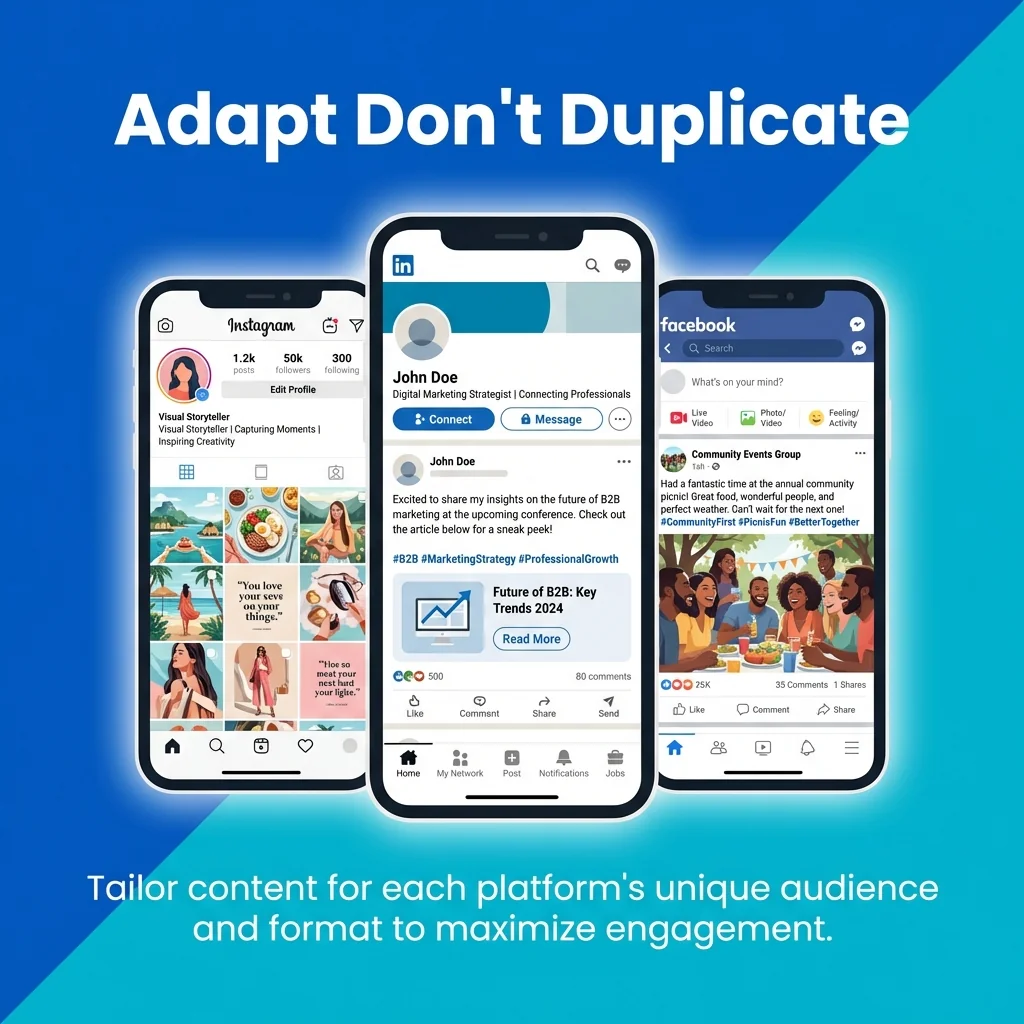
For Instagram: Lead with a striking image. Use the first line to hook attention. Break text into scannable chunks with line breaks.
For LinkedIn: Open with a professional question. Develop your argument across several paragraphs. End with a thought-provoking question to drive comments.
For Facebook: Start conversationally. Include a call to action that encourages sharing. Tag relevant pages or people to expand reach.
This doesn’t mean creating entirely new content each time. It means reshaping your core message to fit how people consume content on each platform.
| Platform | Optimal Format | Content Approach |
|---|---|---|
| Visual-first with concise captions | Behind-the-scenes, lifestyle imagery | |
| Professional insights and articles | Industry analysis and thought leadership | |
| Conversation starters | Community-focused, shareable content |
2. Set It and Forget It: Ignoring Engagement
Scheduling social media posts creates breathing room in your day. But automation should free you to engage, not replace engagement entirely.
The “set it and forget it” mentality treats social media like a broadcast channel. You schedule a week’s worth of content, then move on to other tasks. Meanwhile, comments pile up unanswered.
Your followers notice the silence. They stop engaging because you’ve stopped listening.
The Engagement Disconnect
Social media platforms reward responsiveness. When someone comments within the first hour of your post, that signals genuine interest. If you reply quickly, algorithms interpret this as valuable content worth showing to more people.
Ignoring comments kills this momentum. Your scheduled post might be brilliant, but without engagement, it reaches a fraction of your potential audience.
Over-automation risks making scheduled posts sound robotic, eroding authenticity and engagement. The solution isn’t abandoning scheduling tools; it’s using them strategically.
Building Engagement Into Your Schedule
Schedule dedicated engagement blocks throughout your day. Set three 15-minute windows: morning, midday, and evening.
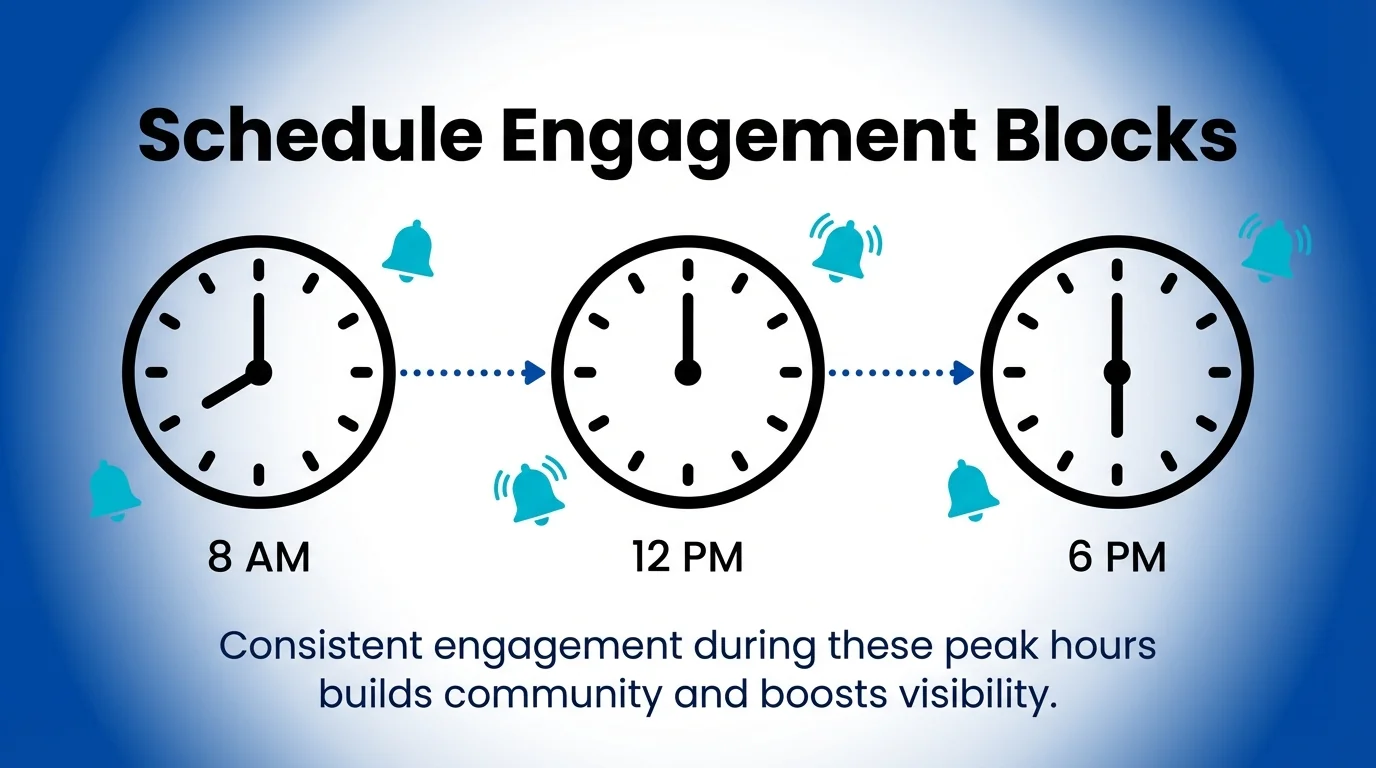
During these blocks, check all scheduled posts that have gone live. Respond to every comment. Like relevant replies. Ask follow-up questions that keep conversations flowing.
Use your social media scheduler notifications. Most tools alert you when someone interacts with scheduled content. Enable these notifications for the first two hours after posting.
Consider this your “active engagement window.” This is when algorithms watch most closely. Your responsiveness during this period determines whether your post gets amplified or buried.
- Set mobile notifications for comments on scheduled posts
- Block calendar time specifically for social media responses
- Create response templates for common questions whilst maintaining personality
- Track engagement metrics to identify your most responsive posting times
3. Not Reviewing Your Scheduled Queue Regularly
Your content calendar looks perfect on Sunday night. By Wednesday, the industry has shifted. By Friday, your scheduled post about “exciting new opportunities” goes live hours after your company announces redundancies.
Scheduling content weeks in advance creates efficiency. It also creates risk. The world changes faster than your queue updates.
When Scheduled Posts Become Liabilities
Time-sensitive content ages poorly. That “Monday motivation” post scheduled for 9am hits your feed at 11am because of technical delays. The context vanishes.
References to current events become confusing. Tone-deaf posts damage your brand. All because you didn’t review before publishing.
Authorisation failed errors arise from disconnected or unauthorised social accounts, requiring reconnection via account settings. Technical issues compound when you’re not monitoring your queue regularly.
Implementing a Review Process
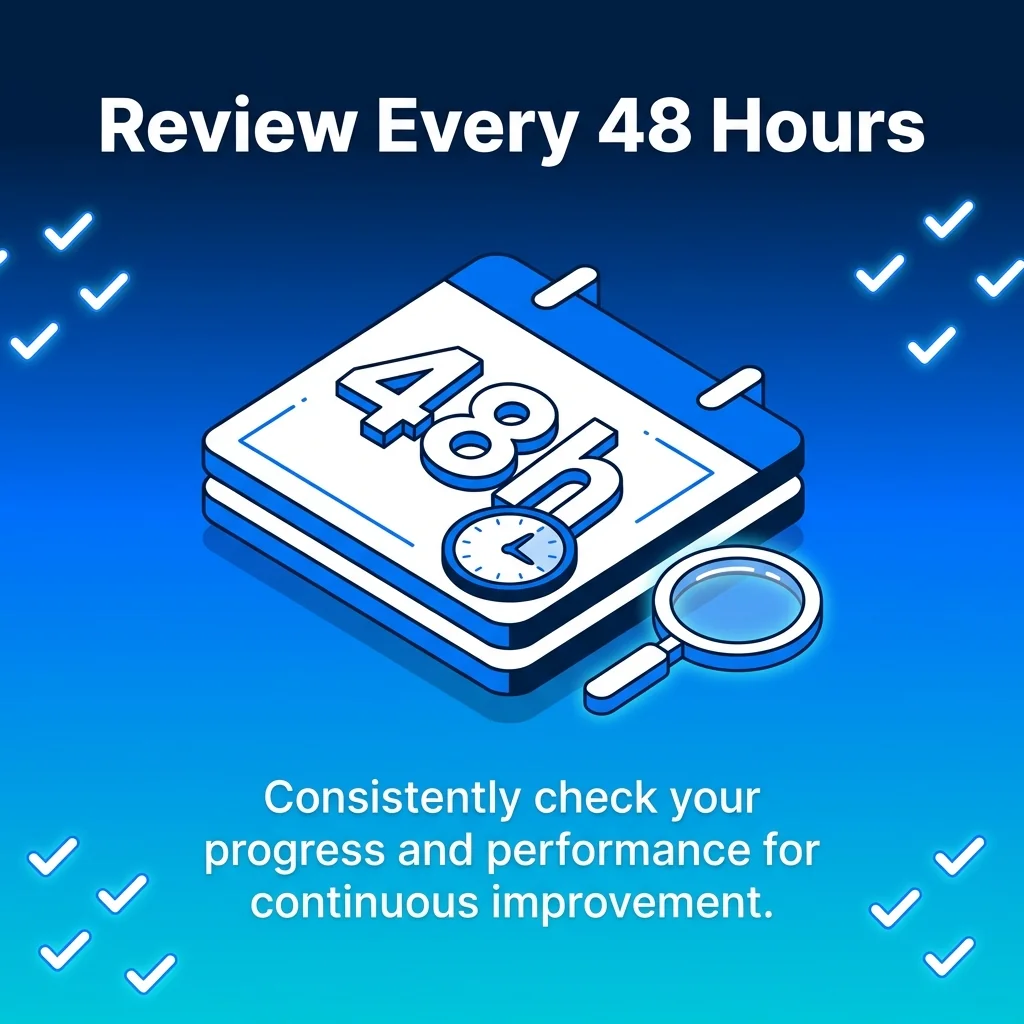
Review your scheduled content every 48 hours. This catches time-sensitive issues before they go live. It takes 10 minutes but saves potential PR disasters.
Create a pre-publish checklist. Before content goes live, verify the message still aligns with current events. Check that linked content still exists. Confirm any mentioned promotions are still active.
Set calendar reminders for queue reviews. Monday morning and Thursday afternoon work well. These touchpoints catch issues from weekend news or mid-week developments.
Use your scheduling tool’s preview feature. See exactly how posts will appear on each platform. Mastering social media scheduling requires this attention to detail.
Keep a “kill switch” mentality. Know how to quickly pause or delete scheduled content if circumstances change. Most social media schedulers offer emergency pause functions.
4. Scheduling at the Wrong Times (Or Only Peak Hours)
Every social media guide recommends posting during “peak hours.” So everyone schedules content between 9am and 11am. Your post joins hundreds of others fighting for attention.
The timing paradox: peak hours have peak competition. Your perfectly crafted content gets buried in the feed before your audience sees it.
The Peak Hours Trap
Industry benchmarks show when most people use social media. They don’t show when your specific audience engages most. These are different questions with different answers.
Ignoring analytics and audience-specific data like time zones or Insights leads to suboptimal timing and frequency. Your California-based audience won’t see morning posts if you’re scheduling in UK time.
Posting only at peak hours also creates feast-or-famine content delivery. Your followers see three posts within an hour, then silence for days.
Finding Your Optimal Schedule
Start with platform analytics. Every major social network provides audience activity data. Check when your followers are online, not when generic users are active.
Test posting times systematically. Schedule identical content types at different hours across two weeks. Track engagement rates, not just reach. Save time and effort.
Consider time zone diversity. If your audience spans continents, schedule content across multiple time windows. One morning post for European followers, one afternoon post for American audiences.
| Audience Location | Optimal Posting Window | Reasoning |
|---|---|---|
| UK/Europe | 8am-10am, 1pm-3pm GMT | Commute times and lunch breaks |
| US East Coast | 7am-9am, 12pm-2pm EST | Morning routine and midday checks |
| US West Coast | 9am-11am, 3pm-5pm PST | Work start and late afternoon breaks |
Mix off-peak posting into your schedule. Less competition means your content stays visible longer. Some of your best engagement might come from unconventional posting times.
5. Using Time-Sensitive Language in Evergreen Posts
Your scheduled post says “this week only” but publishes next month. Another references “today’s webinar” that happened yesterday. Time-sensitive language creates confusion when automated.
Scheduling tools enable planning weeks or months ahead. But language like “today,” “this week,” or “right now” assumes immediate publishing. The disconnect confuses your audience and damages credibility.
The Evergreen Language Problem
Words like “today” or “currently” work brilliantly for real-time posting. In scheduled content, they become landmines. Your automation doesn’t update these references automatically.
Promotional content suffers most. “Last chance to register” posts that repeat weekly train your audience to ignore urgency. They’ve learned your “last chance” comes around regularly.
Seasonal references age poorly. That autumn marketing tip scheduled in September still appears in your queue the following March. Without careful review, off-season content damages your expertise perception.
Writing for Scheduled Publishing
Replace time-specific phrases with evergreen alternatives. Instead of “today’s tip,” use “here’s a strategy.” Swap “this week’s offer” for “limited-time opportunity” with specific dates.
Date-stamp promotional content explicitly. Write “Available until 15th March” rather than “ending soon.” This stays accurate regardless of when the post publishes.
Create separate queues for evergreen and time-sensitive content. Your content calendar should distinguish between posts that work anytime and posts tied to specific dates.
- Audit scheduled posts monthly for outdated temporal references
- Use specific dates instead of relative timeframes
- Tag time-sensitive posts in your scheduler for priority review
- Create templates with evergreen language for recurring content types
For event promotion, schedule the announcement but post updates manually. This gives you flexibility to adjust messaging based on registration numbers or programme changes.
6. Ignoring Your Analytics and Performance Data
Your analytics dashboard holds answers to every scheduling question. Which posts drive engagement? What times work best? Which content types your audience prefers?
Most marketers check analytics occasionally. Few actually change their scheduling strategy based on what the data reveals. This gap between information and action wastes your scheduling efforts.
The Data Blindspot
You schedule content consistently. Publish regularly. Follow best practices. But engagement stays flat because you’re repeating the same approaches regardless of performance.
Facebook API rate limits can block scheduled posts, resetting after up to 24 hours. Technical issues show up in your analytics, but only if you’re actually monitoring them.
Analytics reveal patterns you’d never spot manually. That post format you love? Your audience ignores it. That topic you consider boring? It drives your highest engagement. Data corrects assumptions.
Building Analytics Into Your Scheduling Workflow
Review analytics weekly, not monthly. Weekly reviews let you spot trends before they become ingrained habits. Set a recurring calendar block every Friday afternoon.
Focus on engagement rate over vanity metrics. Reach and impressions matter less than comments, shares, and click-throughs. High reach with low engagement signals content that doesn’t resonate.
Compare performance across posting times. Your analytics show when posts publish and how they perform. Pattern recognition reveals your actual optimal schedule, not industry best guesses.
Track content type performance separately. Video might outperform images on Instagram whilst underperforming on LinkedIn. Social media automation works best when informed by platform-specific data.
Create a simple weekly scorecard. Track your top three posts, bottom three posts, and what differentiated them. This focused analysis beats drowning in comprehensive dashboards.
| Metric | What It Reveals | Scheduling Impact |
|---|---|---|
| Engagement Rate | Content resonance with audience | Guides content type selection |
| Best Posting Times | When your specific audience is active | Optimises scheduling windows |
| Content Type Performance | Which formats drive action | Shapes content calendar mix |
7. Over-Automating Without Leaving Room for Real-Time Content
A fully scheduled content calendar feels productive. Every slot filled. Every platform covered. No gaps. No stress.
Then something happens in your industry. A major announcement. A trending topic. A timely opportunity. But your queue is packed with pre-scheduled content. You can’t respond because there’s no room.
The Flexibility Problem
Scheduling everything creates rigidity. Your social media presence becomes predictable and disconnected from current conversations. You’re talking at your audience, not with them.
Real-time content builds authentic connections. When you respond to industry news, comment on trends, or join timely conversations, you demonstrate active participation. This authenticity can’t be scheduled weeks in advance.
Automating posts without losing authenticity requires strategic balance. Full automation sacrifices the spontaneity that makes social media social.
The 70-30 Scheduling Strategy
Schedule 70% of your content calendar. Leave 30% open for real-time posts and trending topics. This ratio maintains consistency whilst preserving flexibility.
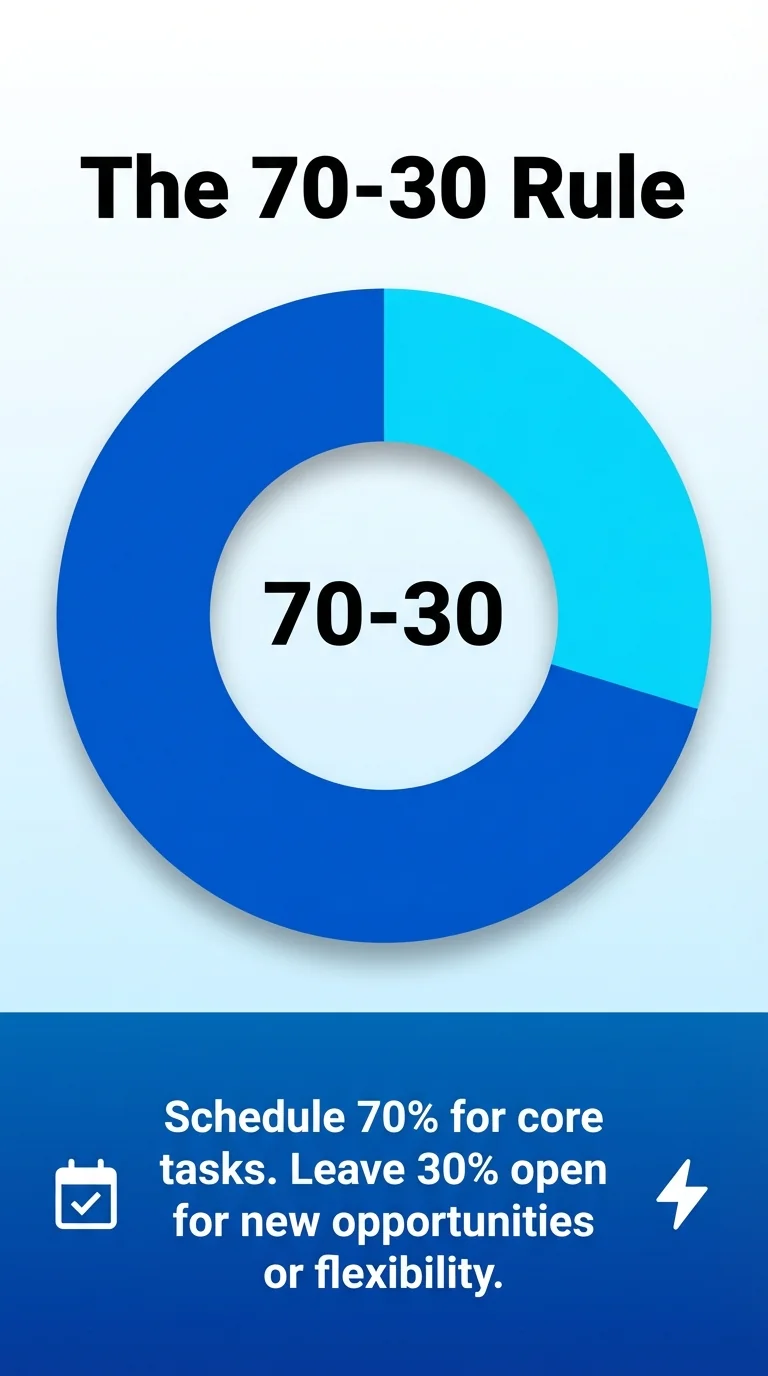
Your scheduled content covers core themes and regular features. Educational posts, product updates, and recurring content types fill this 70%. This foundation keeps your presence active even during busy periods.
The 30% gap accommodates spontaneity. Industry news, trending hashtags, user-generated content, and timely responses live here. This space keeps your social media presence feeling current and engaged.
Create a “flex content” folder. Prepare semi-timely posts that work this week or next month. When you need quick content, you’ve got pre-written options that feel fresh.
- Reserve one daily posting slot for real-time content
- Keep three to five flex posts ready for trending moments
- Monitor industry news during your engagement blocks
- Set up alerts for brand mentions and relevant keywords
Review your posting frequency honestly. Posting too frequently or too quickly overwhelms followers, triggers algorithm penalties like spam filters, and reduces reach and engagement. Quality over quantity applies especially when balancing scheduled and spontaneous content.
Bringing It All Together
Social media scheduling saves time, but only when you avoid these seven critical mistakes. Each error stems from treating automation as a replacement for strategy rather than a tool that supports it.
Start by auditing your current approach. Which mistakes appear in your scheduling workflow? Most marketers struggle with two or three simultaneously.
Fix one mistake at a time. Platform-specific optimisation this week. Engagement blocks next week. Analytics integration the week after. Incremental improvements compound faster than attempting everything at once.
The goal isn’t perfect scheduling. It’s strategic scheduling that maintains your authentic voice whilst respecting your time. Effective scheduling amplifies your message without sacrificing the human connection that makes social media valuable.
Review this list monthly. Social media platforms evolve. Your audience changes. Your scheduling strategy should adapt with them.