Social media platforms aren’t just sharing spaces anymore. They’ve become powerful search engines where your audience actively hunts for solutions, products, and expertise. When you strategically weave search engine optimization keywords into your social content, you unlock a dual advantage: greater visibility on both social platforms and traditional search engines.
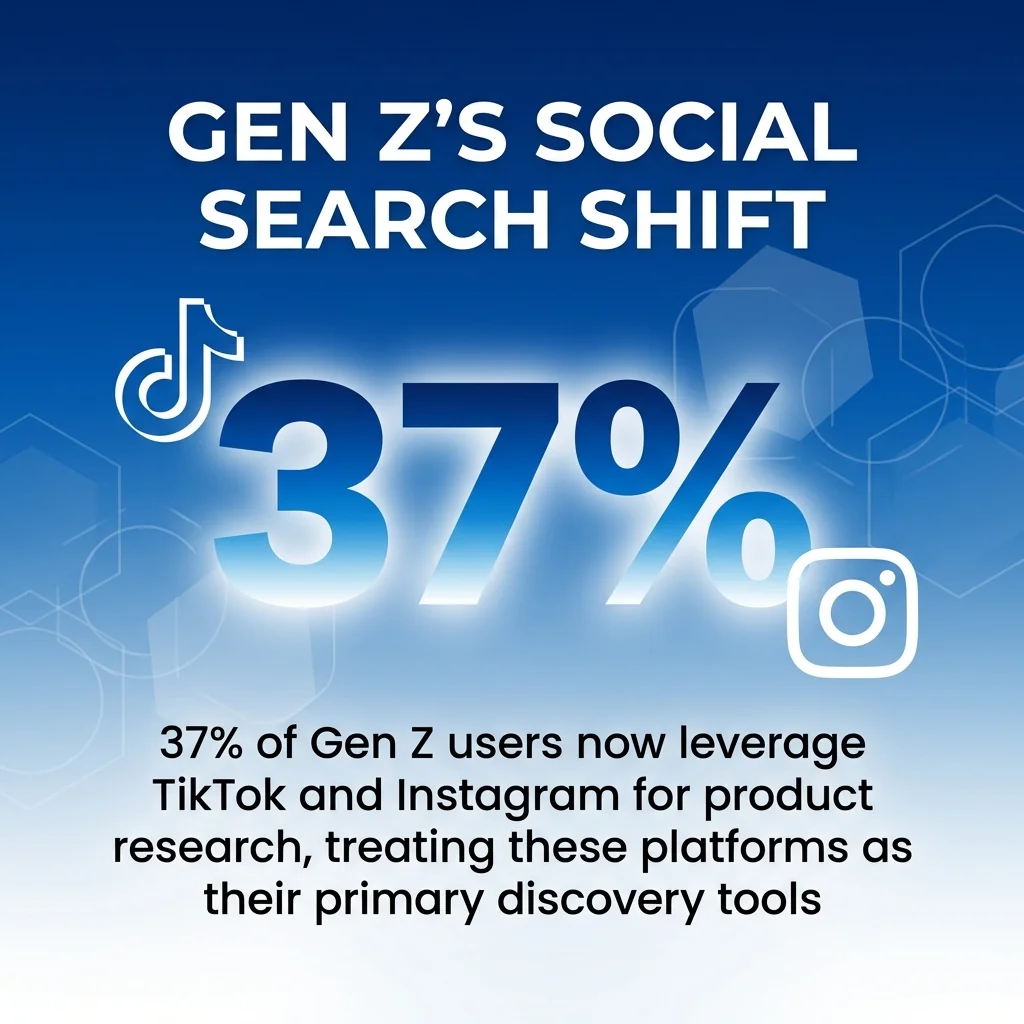
This matters because 37% of Gen Z users now leverage TikTok and Instagram for product research, treating these platforms as their primary discovery tools. Your content needs to speak both languages: the conversational tone of social media and the keyword-rich structure that search algorithms understand.
The sweet spot lies in creating content that feels natural to your audience whilst simultaneously satisfying the technical requirements of search algorithms. This guide will show you how to identify the right keywords for social platforms, optimise your profiles and posts for maximum discoverability, and implement platform-specific strategies that boost your visibility across Instagram, TikTok, YouTube, and beyond.
By the end, you’ll understand how to transform your social media presence from a broadcasting channel into a searchable, discoverable resource that attracts your target audience exactly when they’re looking for what you offer.
Understanding Social Media SEO vs Traditional SEO
Social media SEO and traditional search engine optimization share the same goal but operate in different environments. Traditional SEO focuses on ranking your website content in Google’s search results. Social SEO optimises your content for discovery within social platforms themselves.
The mechanics differ significantly. Google’s algorithm crawls web pages, analyses backlinks, and evaluates domain authority. Social platforms prioritise engagement signals, user behaviour, and content freshness within their own ecosystems.
However, these two worlds increasingly overlap. Google indexes public social media profiles and content, particularly from platforms like Instagram and LinkedIn. Your social content can appear in traditional search results, creating a compounding visibility effect.
How Social Algorithms Differ from Search Engines
Social media algorithms accelerate content discovery through personalised feeds rather than query-based results. When someone searches “vegan recipes” on Google, they receive ranked web pages. When they search the same term on TikTok, they see a curated feed of videos optimised for engagement.
Social platforms weigh engagement metrics heavily. Likes, shares, comments, and watch time signal content quality. Traditional SEO considers these social signals but prioritises technical factors like page speed and keyword relevance.
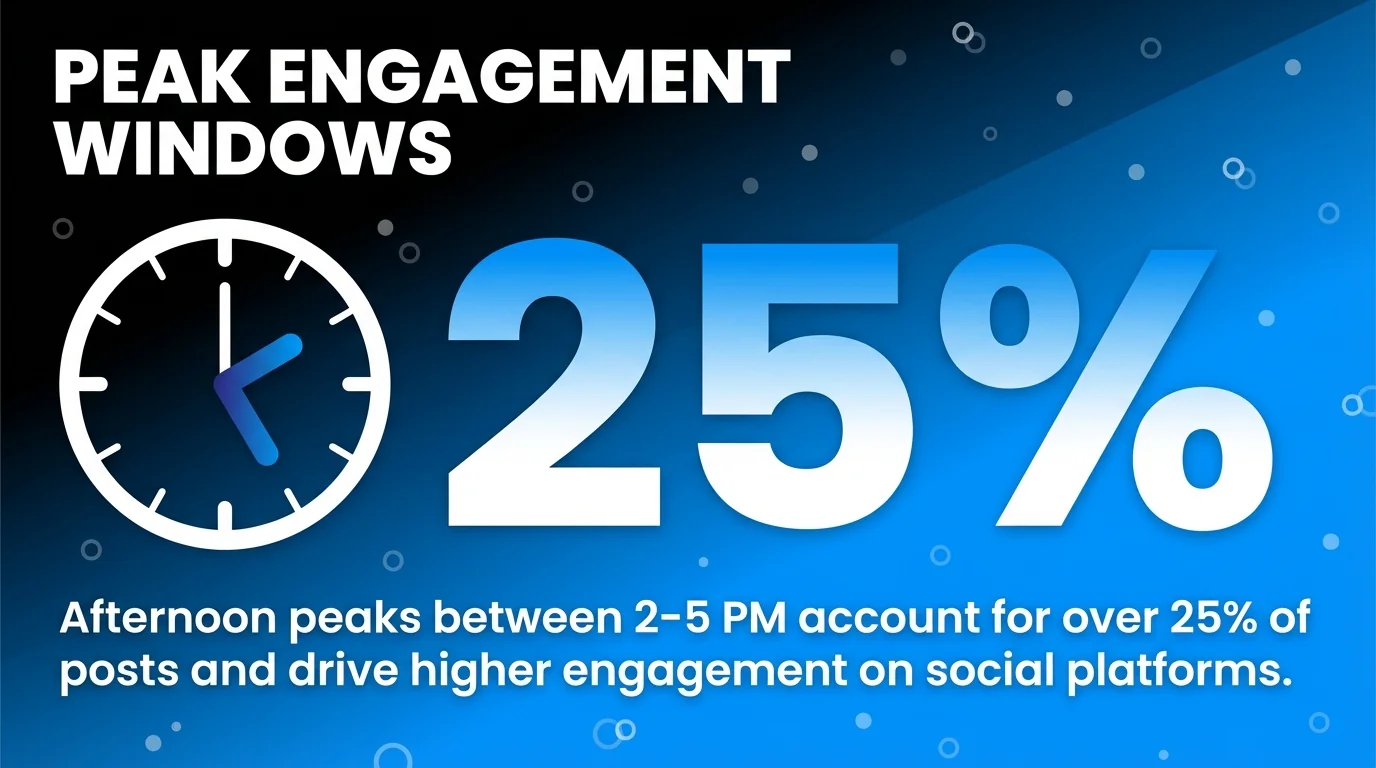
Timing matters differently too. Social algorithms favour fresh content, with afternoon peaks between 2-5 PM accounting for over 25% of posts and driving higher engagement. Traditional SEO builds authority gradually over weeks and months.
Why Both Strategies Matter for Complete Visibility
Relying solely on traditional SEO means missing audiences who never leave social platforms to search. Focusing only on social SEO limits your discoverability in Google’s search results.
The most effective approach merges both strategies. Your social media profiles become satellite content hubs that drive traffic to your main website whilst also serving as standalone discovery points.
Social proof via user-generated content enhances brand credibility across both channels. When your social content ranks in Google whilst also appearing in platform searches, you occupy multiple visibility touchpoints that guide potential customers through different discovery journeys.
Why Social Media SEO Matters for Your Business
Search behaviour has fundamentally shifted. Your target audience doesn’t just search on Google anymore. They search where they already spend their time: scrolling Instagram, watching TikTok, or browsing LinkedIn.
This behaviour shift creates a massive opportunity. When your social content appears in these platform searches, you intercept potential customers at the exact moment they’re seeking solutions.
Capturing Gen Z and Millennial Search Behaviour
Younger demographics particularly favour social platforms as search engines. Rather than typing queries into Google, they search directly on TikTok for product reviews or Instagram for local recommendations.
This trend isn’t temporary. It represents a fundamental change in how information discovery works. Social platforms offer visual, authentic, and community-validated results that feel more trustworthy than traditional web pages.
Your social SEO strategy must account for this shift. If your ideal customers search on Instagram but your content isn’t optimised for Instagram’s search function, you’re invisible to them.
Extending Your Content’s Lifespan and Reach
SEO-optimised social content continues working long after publication. A well-optimised Instagram post from six months ago can still appear in search results when users query relevant keywords.
This contrasts sharply with algorithm-driven feed content that disappears within 24-48 hours. Search-optimised content builds cumulative visibility over time.
The reach multiplier effect amplifies this benefit. When your content ranks in both social platform searches and Google results, you create multiple discovery paths that compound your overall visibility.
How Social Media Impacts Traditional SEO Rankings
Social platforms and traditional search engines aren’t isolated channels. They influence each other in ways that affect your overall online visibility.
Google doesn’t directly use social media engagement as a ranking factor, but the indirect effects prove substantial. Social media drives brand awareness, generates backlinks, and creates user signals that search engines do notice.
Social Signals and Search Visibility
Whilst Google has stated that social signals aren’t direct ranking factors, correlation studies consistently show that pages with strong social engagement tend to rank higher. The relationship appears indirect but meaningful.
Social media amplifies content distribution. When your article gets shared widely on social platforms, it reaches more potential linkers. This increased exposure generates more organic backlinks, which definitely impact search rankings.
Brand searches also increase when social content performs well. Users who discover your brand on Instagram often search for your company name in Google later. This branded search volume signals brand authority to search engines.
Content Indexing Across Platforms
Google indexes public social media content, particularly from major platforms. Your Instagram bio, YouTube video descriptions, and LinkedIn articles can all appear in traditional search results.
This creates valuable SERP real estate. When someone searches your brand name, you might occupy positions with your website, YouTube channel, LinkedIn profile, and Instagram page simultaneously.
Optimising social profiles with relevant keywords ensures they rank for branded and non-branded searches alike. Your social presence becomes an extension of your search engine footprint.
Conducting Keyword Research for Social Media Platforms
Effective keyword research for social SEO begins with understanding how people actually search on social platforms. The queries differ from traditional search engines in structure and intent.
Social searches tend to be shorter, more visual, and action-oriented. Someone might search “easy dinner recipes” on TikTok rather than “how to make quick weeknight dinners for families” on Google.
Identifying Platform-Specific Search Terms
Each social platform has unique search behaviours. Instagram users search for hashtags and location tags. YouTube searches resemble traditional search queries but skew towards video content. TikTok searches favour trending topics and challenges.
Start by using each platform’s native search function. Type broad topics related to your niche and observe the autocomplete suggestions. These reveal what users actually search for on that specific platform.
Document search volumes where visible. YouTube provides search data through Google Trends. TikTok’s Creative Centre shows trending search terms. Instagram’s search suggestions indicate popular queries.
Mining Your Audience’s Language
Your target audience uses specific language when discussing their problems and desired solutions. This language should inform your keyword strategy.
Review comments on your existing social content. Note the exact phrases people use when asking questions or describing challenges. These authentic phrases often outperform generic industry keywords.
Join relevant social media groups and communities. Observe how members ask questions and what terms they use repeatedly. This research uncovers keywords that formal tools might miss.
Analysing Competitor Keywords
Your competitors’ successful social content reveals valuable keyword opportunities. Examine their most-engaged posts to identify keyword patterns in captions, hashtags, and descriptions.
Pay particular attention to their profile optimisation. What keywords appear in their Instagram bio? How do they structure their YouTube channel description? Which hashtags do they use consistently?
Tools like SEMrush and Ahrefs can identify keywords your competitors rank for on Google. Many of these terms translate effectively to social SEO when adapted to platform-specific formats.
Optimising Your Social Media Profiles for SEO
Your social media profiles serve as landing pages for search traffic. When optimised properly, they rank in both platform searches and Google results.
Profile optimisation creates the foundation for all your social SEO efforts. A well-optimised profile signals relevance to search algorithms before you publish a single post.
Crafting Keyword-Rich Usernames and Handles
Your username represents prime keyword real estate. Include your primary keyword when possible without sacrificing brand identity.
A local bakery might use @SydneyVeganBakery rather than just @SydneyBakery. This username ranks for both location and niche searches.
Consistency across platforms strengthens brand recognition and simplifies search. Use the same or similar handles on Instagram, TikTok, YouTube, and LinkedIn to consolidate your digital presence.
Writing SEO-Optimised Bio Sections
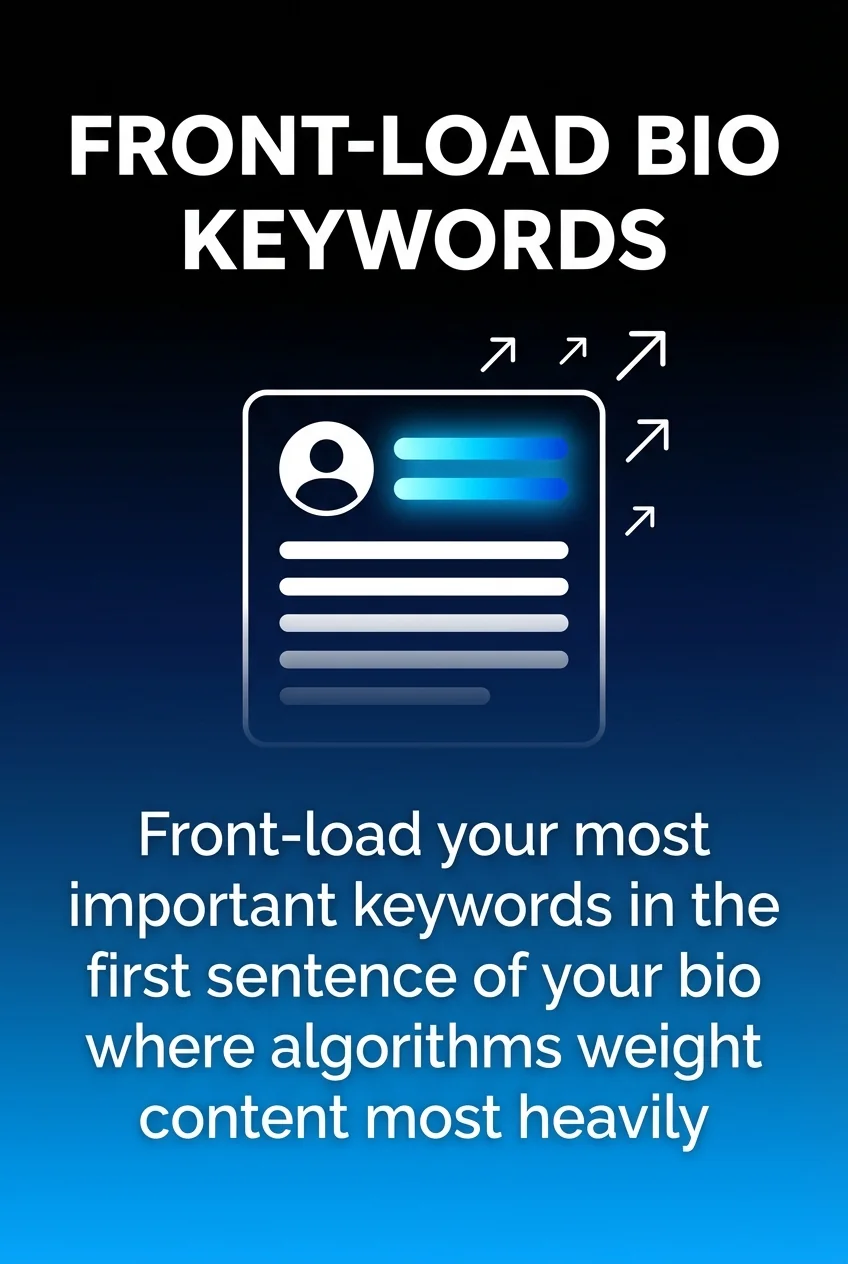
Your bio should clearly communicate what you offer using natural keyword placement. Front-load your most important keywords in the first sentence where algorithms weight content most heavily.
Google emphasises keywords early in content. Apply this principle to your Instagram bio by stating your primary value proposition first, followed by supporting details.
Include location keywords when relevant for local businesses. “Melbourne coffee roaster specialising in single-origin beans” targets both geographic and niche searches.
Strategic Link Placement
Most social platforms limit you to one or two clickable links. Use tools like Linktree or Later’s Link in Bio to create a landing page with multiple destination options.
Your primary link should point to your most important conversion page. For e-commerce brands, this might be your shop page. For service businesses, it could be a contact form or booking calendar.
Update your bio link regularly to reflect current campaigns or seasonal offers. This keeps your profile relevant for time-sensitive searches whilst maintaining the SEO foundation of your core keywords.
Creating SEO-Optimised Social Media Content
Every piece of social content represents an opportunity to rank in search results. The key lies in optimising for both human engagement and algorithmic discoverability.
This dual optimisation requires strategic keyword placement without sacrificing the authentic, conversational tone that social audiences expect.
Integrating Keywords into Captions Naturally
Your caption’s opening sentence carries the most SEO weight. Place your primary keyword here whilst maintaining a compelling hook that encourages reading.
Rather than “Check out these tips!”, try “Instagram SEO strategies that increase discoverability start with these five optimisation techniques.” The second version includes relevant keywords whilst providing clear value.
Distribute secondary keywords throughout your caption naturally. Forced keyword stuffing damages both readability and algorithmic performance. Write for humans first, then enhance with keywords.
Optimising Image Alt Text and Descriptions
Alt text serves both accessibility and SEO purposes. Screen readers use alt text to describe images to visually impaired users, whilst search engines use it to understand image content.
Write descriptive alt text that includes relevant keywords. “Woman using laptop” becomes “Marketing professional optimising social media content on laptop”. The enhanced version provides context that aids both accessibility and search rankings.
Some platforms like Instagram allow separate image descriptions. Use this space to add detailed context that includes additional keywords without cluttering your main caption.
Leveraging Hashtags as Searchable Keywords
Hashtags function as social media keywords. Users search hashtags to find content, and platforms use them to categorise and surface posts in search results.
Mix high-volume and niche hashtags strategically. #Marketing reaches millions but faces intense competition. #B2BMarketingForSaaS targets a specific audience with less competition.

Research hashtag performance before using them. Instagram shows post counts for each hashtag. TikTok displays view counts. Choose hashtags with substantial search volume but manageable competition for your account size.
Platform-Specific Social SEO Strategies
Each social platform requires tailored optimisation approaches. What works on Instagram won’t necessarily succeed on LinkedIn or YouTube.
Understanding platform-specific ranking factors ensures your optimisation efforts align with each algorithm’s priorities.
Instagram SEO Tactics
Instagram’s search function includes accounts, hashtags, places, and keywords. Optimise across all four categories for maximum visibility.
Your Instagram name field (different from username) should include your primary keyword. This field appears in search results and carries significant ranking weight.
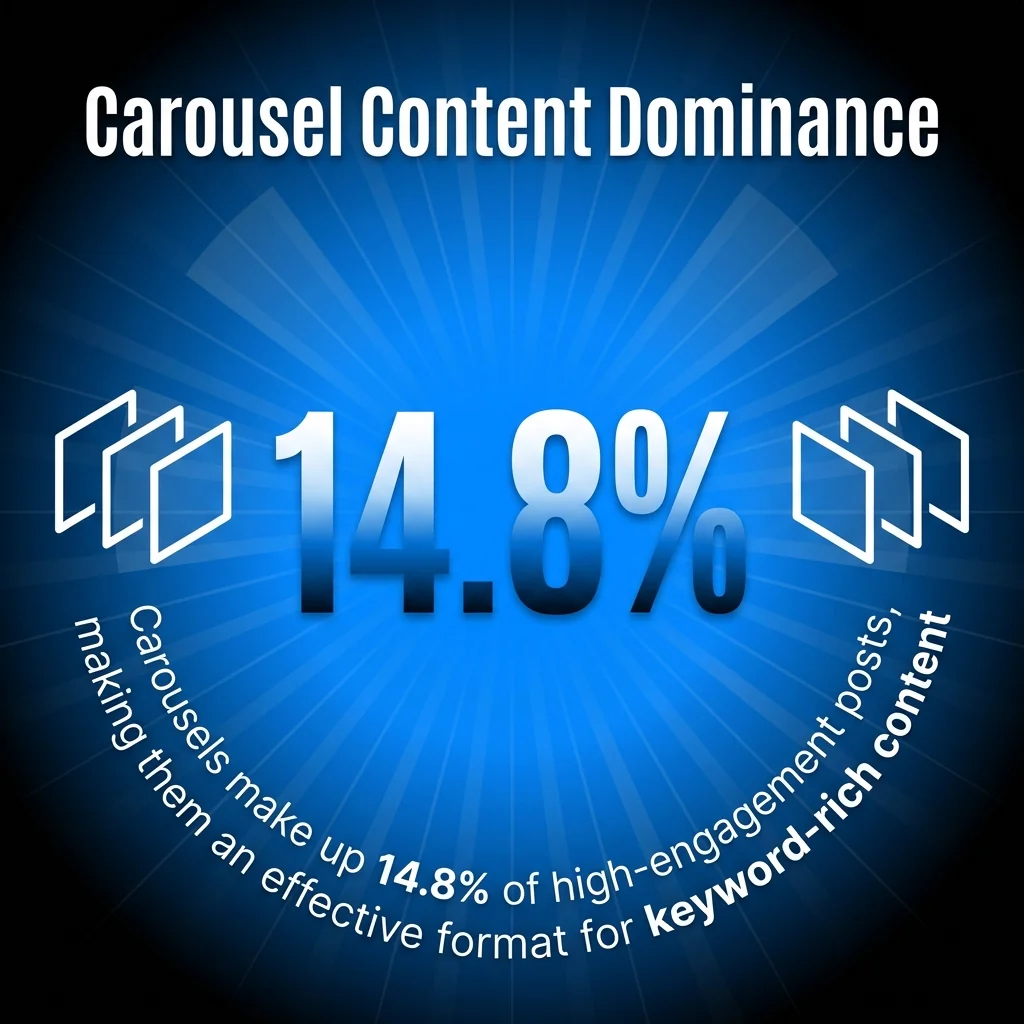
Use all 30 available hashtags strategically. Mix trending hashtags with evergreen terms relevant to your niche. Carousels make up 14.8% of high-engagement posts, making them an effective format for keyword-rich content that encourages saves and shares.
Geotag your posts when relevant. Location tags create additional discovery paths and rank in place-based searches.
TikTok SEO Tactics
TikTok’s algorithm heavily prioritises video captions and on-screen text for search indexing. Include your target keywords in both areas.
The first three seconds of your video should hook viewers whilst incorporating spoken keywords. TikTok’s speech recognition technology transcribes audio, making spoken content searchable.
Sounds and audio tracks affect discoverability. Using trending sounds exposes your content to users browsing that specific audio, creating a secondary search pathway.
TikTok’s search suggestions reveal trending queries. Create content that directly answers these searches, using the exact question as your video hook or caption opening.
YouTube SEO Tactics
YouTube functions as the world’s second-largest search engine. Video titles should include your primary keyword near the beginning, ideally within the first 50 characters.
Your video description offers 5,000 characters of keyword opportunity. Front-load the first 150 characters with your most important keywords and a compelling summary, as this text appears in search results.
Use timestamped chapters that include keywords. These chapters appear in search results and help YouTube understand your video’s topical structure.
Transcripts and closed captions make your spoken content searchable. Upload accurate transcripts that include natural keyword variations to improve search relevance.
LinkedIn SEO Tactics
LinkedIn’s algorithm values professional credentials and industry expertise. Your headline should clearly state your role using industry-standard keywords.
The “About” section functions similarly to a website’s meta description. Include primary and secondary keywords whilst maintaining a professional, compelling narrative.
LinkedIn articles index in Google search results. Publish long-form content using SEO best practices: clear headings, keyword-rich subheadings, and comprehensive topic coverage.
Skills endorsements reinforce your expertise in specific keywords. Add relevant skills to your profile and encourage connections to endorse them, strengthening your association with those terms.
Optimising Video Content for Social Search
Video dominates social media consumption, making video optimisation crucial for social SEO success. Short-form and long-form videos each require specific optimisation approaches.
Search algorithms can’t watch your videos, so they rely on text signals to understand and rank video content.
Keyword Placement in Video Titles
Your video title serves as the primary ranking signal. Include your target keyword naturally within the first 60 characters to ensure full visibility in search results.
Compelling titles balance keyword inclusion with click-worthiness. “Social Media SEO Tutorial: 7 Strategies That Increase Discoverability” works better than “7 Strategies” alone.
Test title variations using YouTube’s A/B testing feature or by analysing engagement metrics on similar content. High click-through rates signal relevance to algorithms.
Using Transcripts and Subtitles for Keyword Recognition
Video transcripts transform spoken content into searchable text. Platforms like YouTube use transcripts to index video content for search queries.
Upload accurate, keyword-optimised transcripts rather than relying on auto-generated captions. Review auto-captions for errors and add missing industry terminology.
Subtitles improve accessibility whilst reinforcing keywords. When viewers watch with sound off, subtitles ensure they see your keyword-rich messaging.
Thumbnail Optimisation for Click-Through
Thumbnails don’t directly impact search rankings but significantly affect click-through rates. Higher engagement rates signal content quality to algorithms, indirectly boosting rankings.
Include text overlays on thumbnails that reinforce your title’s keywords. Visual consistency helps users identify your content in search results.
Test thumbnail designs using contrasting colours, clear faces, and minimal text. Tools like Canva offer templates optimised for various platform dimensions.
Building Content Consistency and Topic Authority
Search algorithms favour accounts that demonstrate expertise in specific topics. Consistent content around core themes signals topical authority more effectively than scattered topics.
This consistency helps both human audiences and algorithms understand what your account represents.
Developing Content Pillars
Content pillars represent your core expertise areas. A fitness coach might focus on three pillars: strength training, nutrition, and recovery strategies.
Each pillar should align with specific keyword clusters. Create a content calendar that rotates through these pillars systematically, ensuring comprehensive coverage.
Pillars provide structure for long-term content planning. Rather than reacting to trends randomly, you can evaluate trends through your pillar lens and create relevant content that still serves your core topics.
Creating Topic Clusters on Social Platforms
Topic clusters group related content around a central theme. A main “pillar” post covers a broad topic, whilst “cluster” posts explore specific subtopics in depth.
Link cluster content back to pillar posts using captions or Stories highlights. This internal linking structure helps algorithms understand topical relationships.
Instagram Highlights serve as permanent topic clusters. Create Highlights for each content pillar, curating your best Stories into searchable, organised collections.
Maintaining Posting Consistency
Algorithmic favour rewards consistent posting schedules. Platforms prioritise active accounts that regularly provide fresh content.
Consistency doesn’t require daily posting. Three well-optimised posts weekly outperform seven rushed, poorly optimised posts. Find a sustainable rhythm you can maintain long-term.
Use scheduling tools like Buffer or Later to maintain consistency during busy periods. Batching content creation ensures you never miss your posting schedule.
Measuring Your Social SEO Performance
Tracking performance reveals which optimisation efforts drive results and which need adjustment. Social SEO metrics differ from traditional engagement metrics.
Focus on search-specific data rather than general engagement rates to assess SEO effectiveness.
Key Metrics to Monitor
Profile visits from search indicate how effectively your profile ranks for relevant queries. Track this separately from profile visits from hashtags or explore pages.
Keyword rankings matter on platforms that provide this data. YouTube Studio shows which search terms drive video views. Monitor your rankings for target keywords over time.
Follower growth from search reveals long-term SEO effectiveness. Compare search-driven growth to growth from other sources to assess your optimisation impact.
Content reach from search versus recommendations shows algorithmic preference. High search reach indicates strong keyword relevance, whilst recommendation reach shows engagement quality.
Using Platform Analytics Tools
Each platform offers native analytics that reveal search performance. Instagram Insights shows how users found your profile, separating search from other discovery methods.
YouTube Analytics provides detailed search query data. Review which searches drive traffic to your videos, then optimise existing content and create new videos targeting high-performing queries.
TikTok Analytics shows traffic sources, though search data remains less detailed than YouTube. Focus on keyword performance in trending searches rather than specific query data.
Third-Party Analytics Solutions
Tools like Sprout Social and Hootsuite aggregate analytics across platforms, simplifying multi-platform SEO tracking.
These platforms often provide competitive benchmarking, showing how your search performance compares to industry standards or direct competitors.
Social listening features track brand mentions and keyword discussions across platforms. This data informs content strategy and reveals emerging keyword opportunities.
Advanced Social SEO Techniques
Once you’ve mastered fundamental optimisation, advanced techniques can further amplify your visibility and authority.
These strategies require more effort but deliver compounding returns over time.
Optimising for Featured Snippets and Rich Results
Some platforms display featured content in search results. YouTube highlights specific videos for certain queries. LinkedIn surfaces particular articles in topic searches.
Structure content to answer specific questions directly. Use clear headings that match common search queries. Provide concise, authoritative answers in the opening seconds or paragraphs.
List formats and how-to content particularly suit featured placement. Create step-by-step guides, numbered lists, and definition-style content that directly addresses user queries.
Cross-Platform Keyword Consistency
Using consistent keywords across platforms strengthens your overall topical authority. When your YouTube channel, Instagram profile, and LinkedIn page all optimise for the same core keywords, you dominate search results across ecosystems.
This consistency also builds brand recognition. Users who discover you on one platform and search for you on another find immediate confirmation of your expertise.
Create a keyword map documenting your primary and secondary keywords for each platform. Ensure your core keywords appear consistently whilst allowing platform-specific variations.
Leveraging User-Generated Content
User-generated content creates additional search pathways to your brand. When customers tag your business or use your branded hashtag, they create searchable content that expands your visibility.
Encourage customers to use specific hashtags when sharing content featuring your products or services. These hashtags become searchable repositories of social proof.
Repost user-generated content with proper attribution. This curated content provides fresh material whilst encouraging more customers to create searchable content featuring your brand.
Common Social SEO Mistakes to Avoid
Understanding what doesn’t work prevents wasted effort and potential algorithmic penalties.
These common mistakes undermine even well-intentioned optimisation efforts.
Keyword Stuffing and Over-Optimisation
Cramming excessive keywords into captions, bios, or video descriptions damages readability and triggers spam filters. Algorithms have become sophisticated enough to penalise obvious over-optimisation.
Prioritise natural language that serves human readers. Include keywords where they fit organically, not where they distort your message.
The same principle applies to hashtags. Using all 30 Instagram hashtags with low-relevance terms appears spammy. Fifteen highly relevant hashtags outperform thirty generic ones.
Inconsistent Profile Optimisation
Frequently changing your username, bio keywords, or content focus confuses algorithms attempting to categorise your account. Consistency builds algorithmic trust and topical authority.
Make strategic changes when necessary, but avoid constant repositioning. Allow time for algorithms to recognise and reward your optimisation efforts.
Profile information should align with your content. If your bio promises marketing tips but your content covers random topics, algorithms struggle to match your profile to relevant searches.
Ignoring Platform-Specific Best Practices
Applying identical optimisation tactics across all platforms wastes opportunities. Each algorithm prioritises different signals and serves different user behaviours.
YouTube rewards watch time and click-through rates differently than Instagram values saves and shares. Adapt your optimisation approach to match each platform’s unique ranking factors.
Content formats that work on one platform may fail on another. Vertical video dominates TikTok and Instagram Reels, whilst YouTube still favours horizontal formats for most content types.
Staying Current with Social SEO Changes
Social media algorithms evolve constantly. Optimisation strategies that work today may become less effective as platforms update their search and discovery systems.
Staying informed ensures your efforts align with current algorithmic preferences rather than outdated practices.
Following Platform Updates
Major platforms announce significant algorithm changes through official blogs and creator resources. Subscribe to these channels to receive updates directly.
Instagram’s Creator Account dashboard provides feature updates and best practice guides. YouTube’s Creator Insider channel shares algorithm insights and upcoming changes.
Join platform-specific creator communities where members share observations about algorithmic shifts before official announcements. Early adaptation provides competitive advantages.
Testing and Iterating Your Strategy
Continuous testing reveals what works for your specific audience and niche. Run controlled experiments changing one variable at time: different hashtag counts, caption lengths, or posting times.
Document your results systematically. Track which keywords drive the most profile visits, which content formats generate saves, and which hashtags deliver engaged followers.
Review performance monthly to identify trends. A keyword that drove traffic six months ago might no longer serve your goals as your content focus or audience needs evolve.
Taking Your Social SEO Forward
Merging SEO keywords with social content transforms your social media presence from a broadcasting channel into a searchable discovery engine. Your optimised profiles and posts now work around the clock, connecting you with people actively seeking your expertise.
Start with profile optimisation across your primary platforms. Update your bio, username, and link strategy today. This foundation supports all future content optimisation efforts.
Next, implement keyword research for your next content batch. Identify three to five target keywords for each platform and plan content that naturally incorporates these terms.
Remember that social SEO delivers compounding results. Your first optimised posts might not rank immediately, but consistent, keyword-focused content builds topical authority that algorithms increasingly reward.
The intersection of social media and search continues to expand. By implementing these strategies now, you position your brand to capture attention across both traditional search engines and social discovery channels. Your content becomes findable, discoverable, and valuable precisely when your audience needs it most.