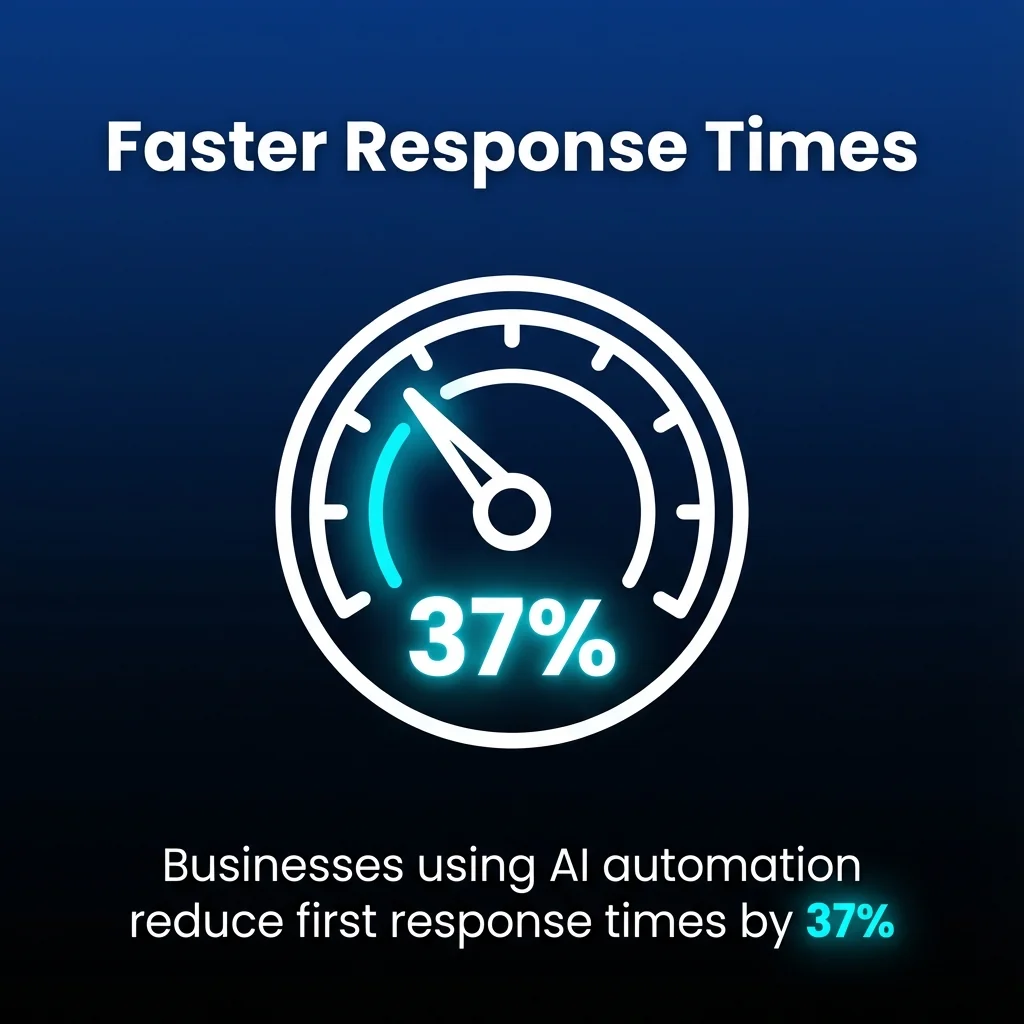
Brand voice in automation isn’t about programming robots to mimic human quirks. It’s about creating systems that reflect your brand’s personality whilst handling thousands of customer interactions simultaneously. Businesses using AI automation reduce first response times by 37%, but speed means nothing if your brand sounds generic or robotic in the process.
The challenge? Most automation tools default to neutral, professional tones that strip away what makes your brand memorable. Your customers should recognise your content whether it’s written by a human or generated by an AI Agent.
This guide shows you how to define, implement, and maintain authentic brand voice across automated systems. You’ll learn customisation techniques for different AI tools, see real brand examples, and discover quality control methods that prevent your automation from sounding robotic. By the end, you’ll have actionable frameworks for keeping your brand identity consistent across every automated customer interaction.
What Brand Voice Means in Automated Systems
Brand voice represents how your company communicates its personality through words. It’s not what you say but how you say it.
In automation, brand voice becomes the consistent character your AI-powered systems project. This includes chatbots, email sequences, social media responses, and customer service platforms. Every automated touchpoint either reinforces or dilutes your brand identity.
Three core elements define brand voice in automation:
- Tone attributes: friendly, professional, sophisticated, casual, empathetic
- Language patterns: vocabulary choices, sentence structure, grammar preferences
- Personality markers: how you address customers, handle problems, express enthusiasm
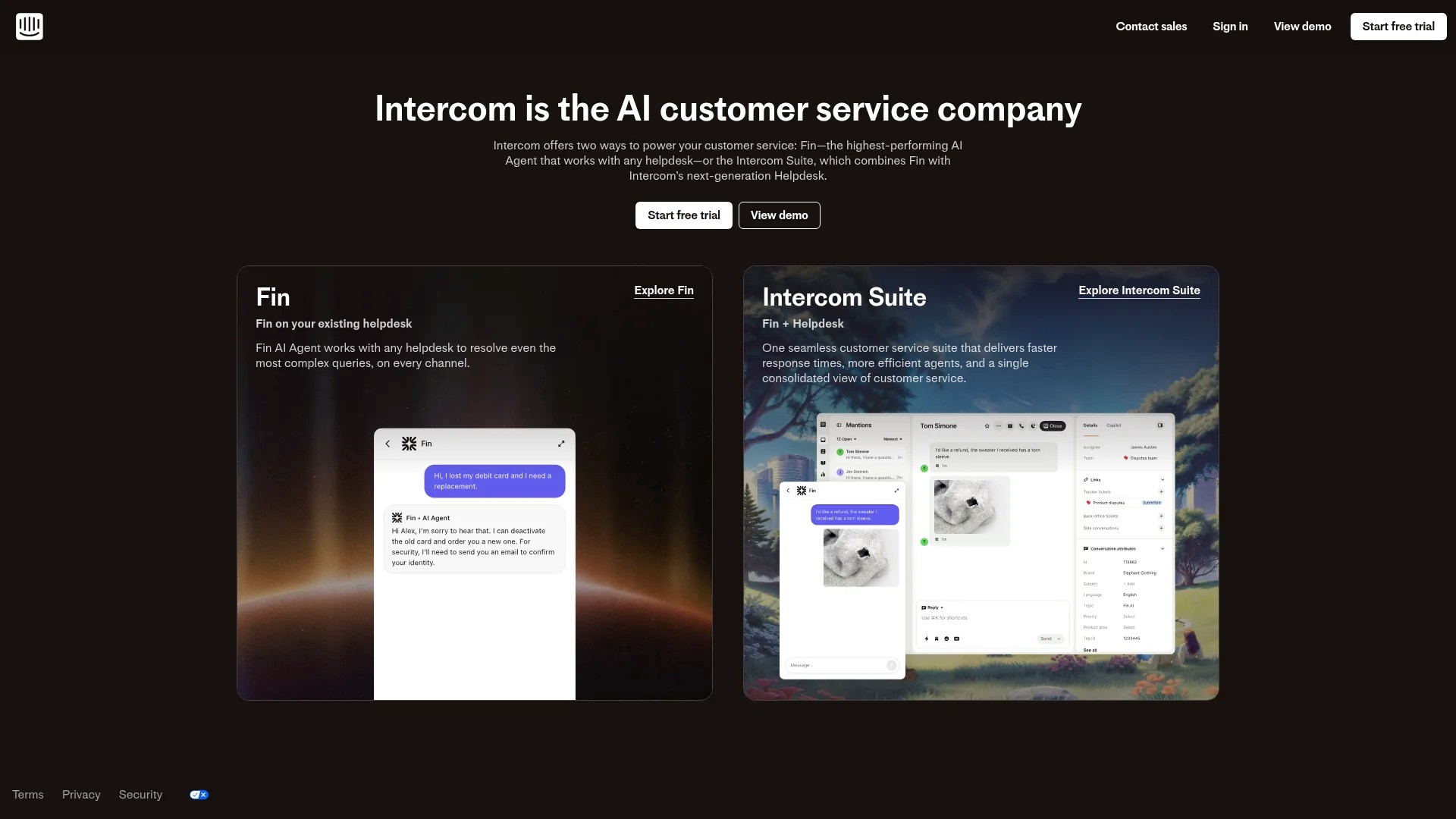
Most AI platforms offer default voice options. Intercom provides templates like “Friendly” or “Professional”. Drift includes customisable tone settings for conversational marketing. These starting points help, but rarely capture your unique brand personality.

The difference between generic automation and branded automation shows immediately. Generic sounds like: “Your request has been received. We will process it shortly.” Branded might sound like: “Got it! We’re on this now and you’ll hear from us within the hour.”
Both messages communicate the same information. One feels corporate. The other feels human and aligned with a specific brand personality.
The Role of Tone Variations
Brand voice stays consistent. Tone of voice adapts to situations.
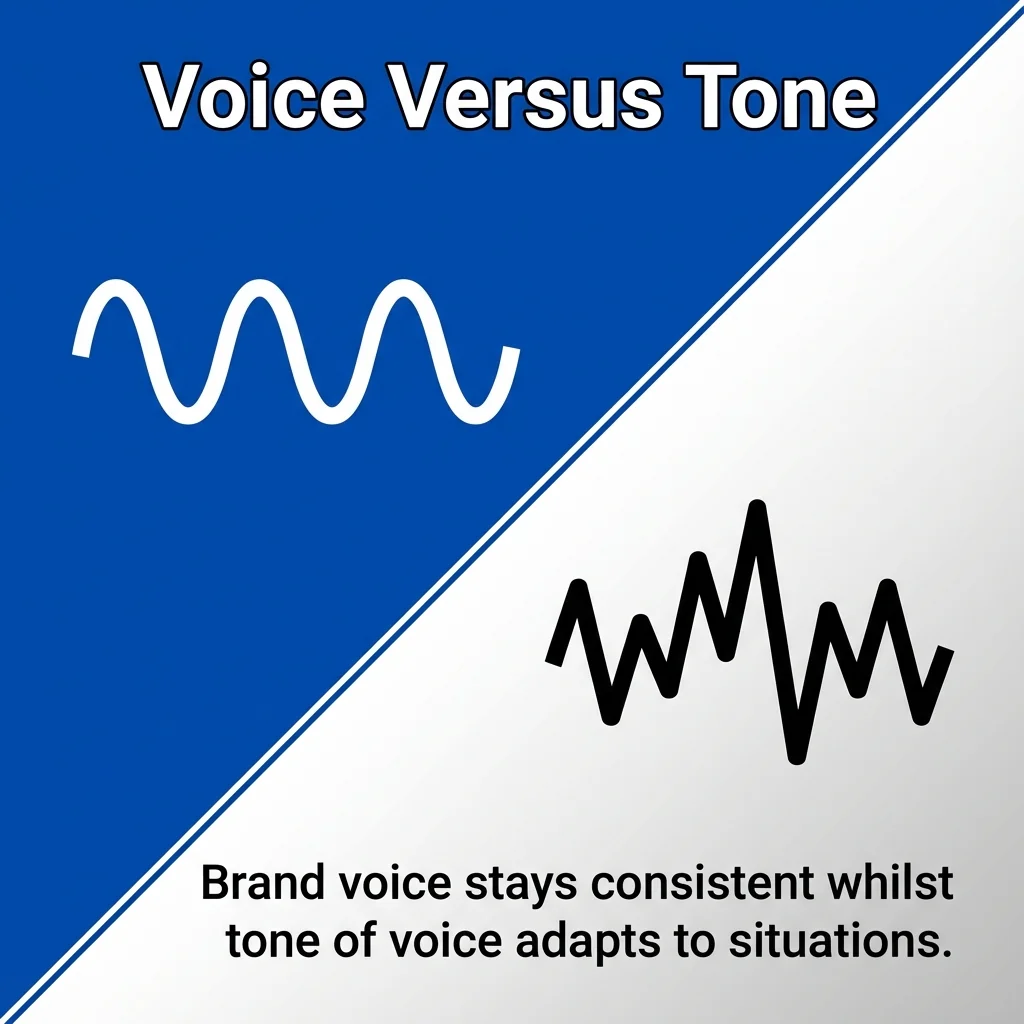
Your automation needs different tones for different contexts. A friendly brand still adjusts tone between welcome emails and complaint responses. The personality remains recognisable whilst the emotional register shifts.
Common tone variations in automated systems include:
| Situation | Tone Adjustment | Example Phrase |
|---|---|---|
| Welcome message | Enthusiastic, warm | “We’re thrilled you’re here!” |
| Transaction confirmation | Clear, reassuring | “All sorted. Your order is confirmed.” |
| Problem resolution | Empathetic, solution-focused | “We understand the frustration. Here’s how we’ll fix this.” |
| Product updates | Informative, engaging | “You asked for it, we built it.” |
| Renewal reminders | Helpful, not pushy | “Just a heads up about your renewal.” |
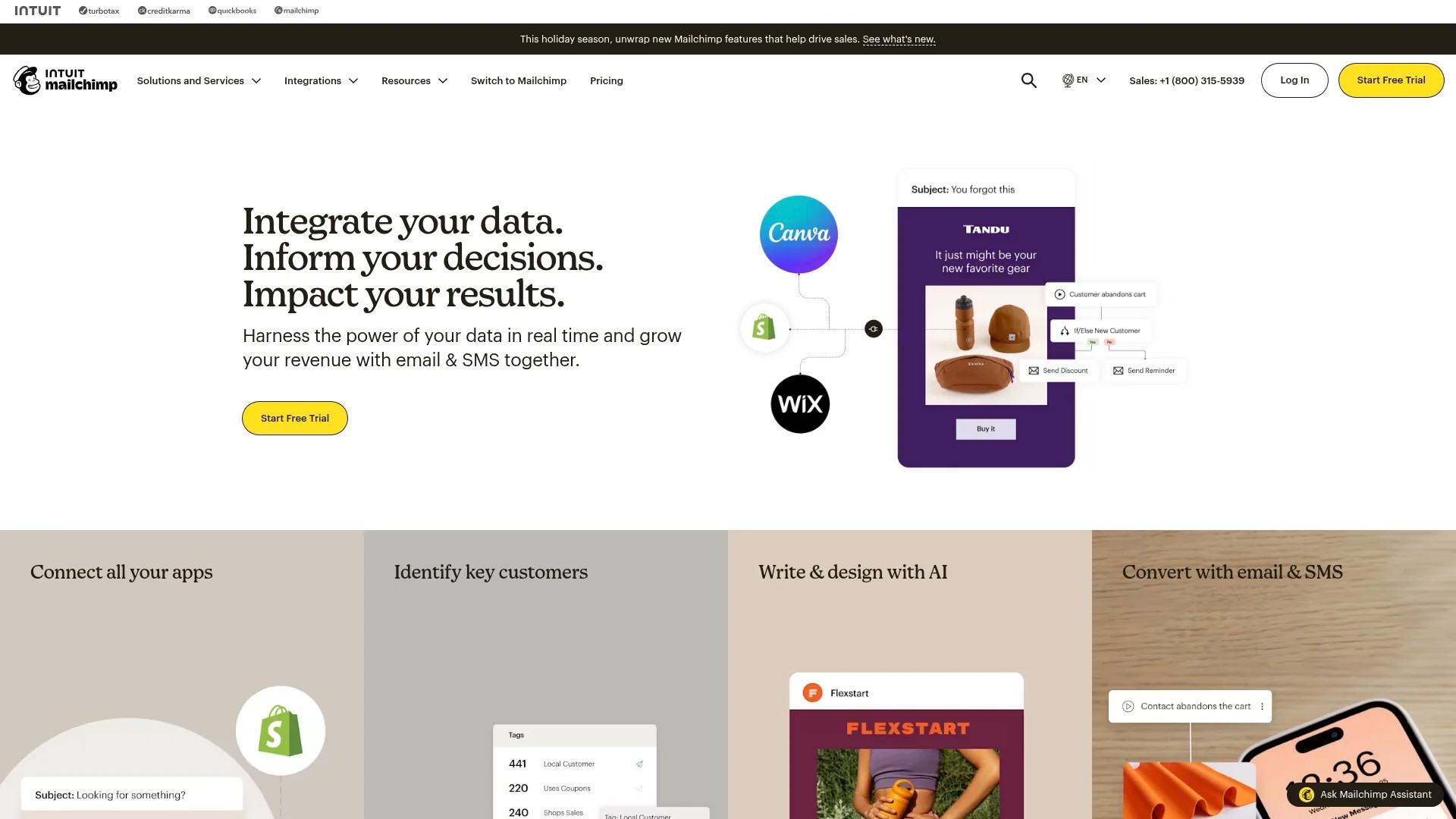
Mailchimp demonstrates this well. Their brand voice stays quirky and approachable. But automated error messages become more serious and helpful. Support emails remain friendly whilst focusing on solutions.
Brand Voice Versus Brand Identity
Brand identity encompasses your visual elements, values, and positioning. Brand voice is how you communicate that identity through language.
Your logo, colours, and design create visual recognition. Your voice creates verbal recognition. Both work together to build brand equity.
Automation affects voice more directly than visual identity. An automated email maintains your colour scheme and logo easily. Maintaining your conversational style through AI-generated content requires deliberate configuration and ongoing refinement.
Why Brand Voice Consistency Matters for Customer Relationships
Now that you understand what brand voice means in automation, the strategic value becomes clear.
Consistent brand voice builds recognition. Customers develop expectations about how your brand communicates. When automation meets those expectations, it strengthens trust. When it doesn’t, it creates confusion about who you are.
Strong brand voices create distinctive customer experiences. Generic automation sounds like everyone else. Branded automation feels like a continuation of your human interactions.
Establishing a clear brand voice helps customers identify your content immediately. This recognition extends across channels when automation maintains consistency.
Impact on Customer Trust and Loyalty
Trust develops through predictable, reliable interactions. When your automated systems sound like your brand, customers experience consistency. This consistency signals reliability.
Loyalty grows from emotional connections. Brand personality creates those connections. Automation that preserves personality maintains emotional bonds at scale.
Consider the difference in customer perception. An automated response that sounds corporate and generic suggests the company doesn’t care about personality. An automated response with distinct character suggests the company invested in quality interactions even in automation.
Efficiency Without Sacrificing Authenticity
Automation delivers speed and scale. Brand voice ensures those benefits don’t come at the cost of authenticity.
The efficiency gains matter significantly. Fast response times improve customer satisfaction. Handling thousands of interactions simultaneously enables growth. But only if those interactions feel genuine.
Authenticity in automation means your automated messages sound like they could have been written by your team. Not identical to human writing, but aligned with your brand’s communication style.
This balance requires intentional setup. Default AI settings prioritise efficiency over personality. Custom configurations prioritise both.
The Risks of Generic Automation
Understanding why brand voice matters naturally leads to examining what happens when you ignore it.
Generic automation creates several measurable problems for brand equity. These aren’t theoretical concerns but practical business impacts.
Loss of Brand Recognition
When automation strips away personality, your communications become interchangeable with competitors. Customers stop recognising your brand through your language.
This loss shows up in several ways. Lower engagement rates on automated emails compared to human-written ones. Decreased social media interaction with automated responses. Reduced customer recall of your brand’s communication style.
The forgettable becomes invisible. Bland automation doesn’t just fail to reinforce your brand. It actively trains customers to ignore your automated communications.
Disconnected Customer Experience
Customers notice when brand voice changes between human and automated interactions. This inconsistency creates friction.
The experience feels disjointed. A friendly sales conversation followed by robotic order confirmations. Warm social media posts followed by cold automated replies. Personal onboarding followed by generic follow-up sequences.
Each disconnect weakens the overall relationship. Customers wonder which version represents your real brand. Trust erodes when they can’t predict how you’ll communicate.
Competitive Disadvantage
Brands that master voice in automation gain distinct advantages. They create memorable interactions at scale. They build stronger customer relationships through consistency.
Generic automation levels the playing field downward. Everyone sounds the same. Your unique value proposition gets lost in identical-sounding automated messages.
Competitors who preserve brand voice in automation stand out. They capture attention. They’re remembered. They win customer preference when products and prices are similar.
Creating Brand Voice Guidelines for AI Systems
With the risks clear, the next step is building comprehensive guidelines that AI systems can follow.
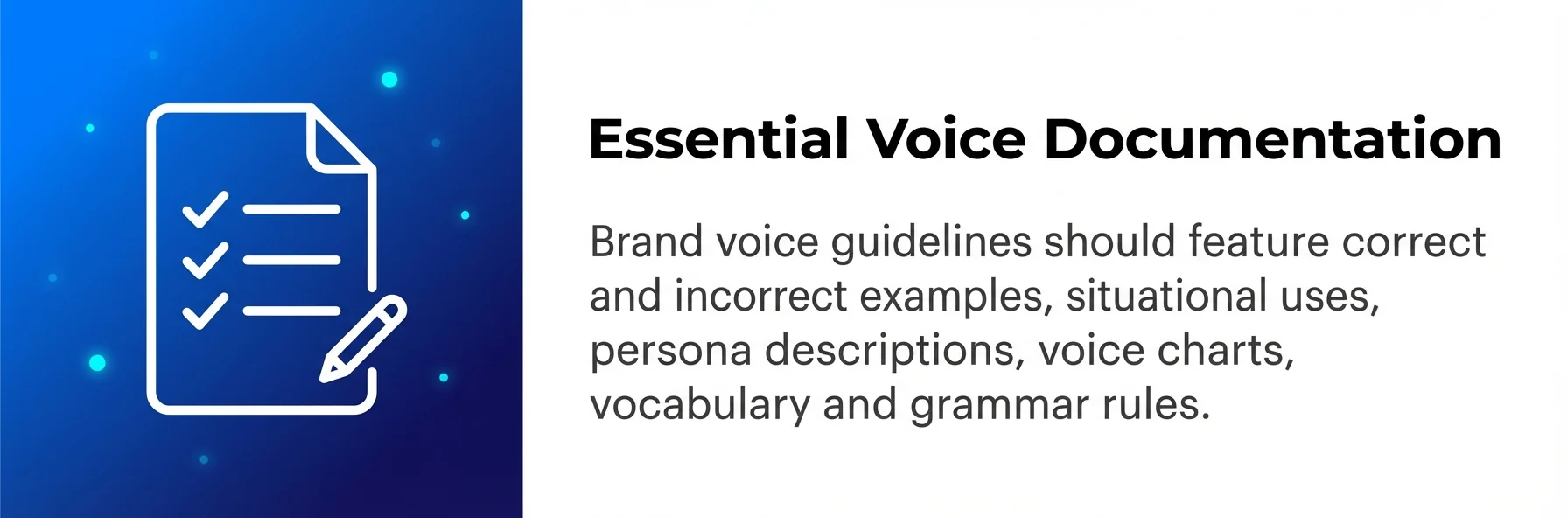
Brand voice guidelines should feature correct and incorrect examples, situational uses, persona descriptions, voice charts, vocabulary and grammar rules, mission statements, and core values to ensure teams apply them confidently across channels. These same elements enable AI systems to generate on-brand content.
Defining Your Brand Personality Attributes
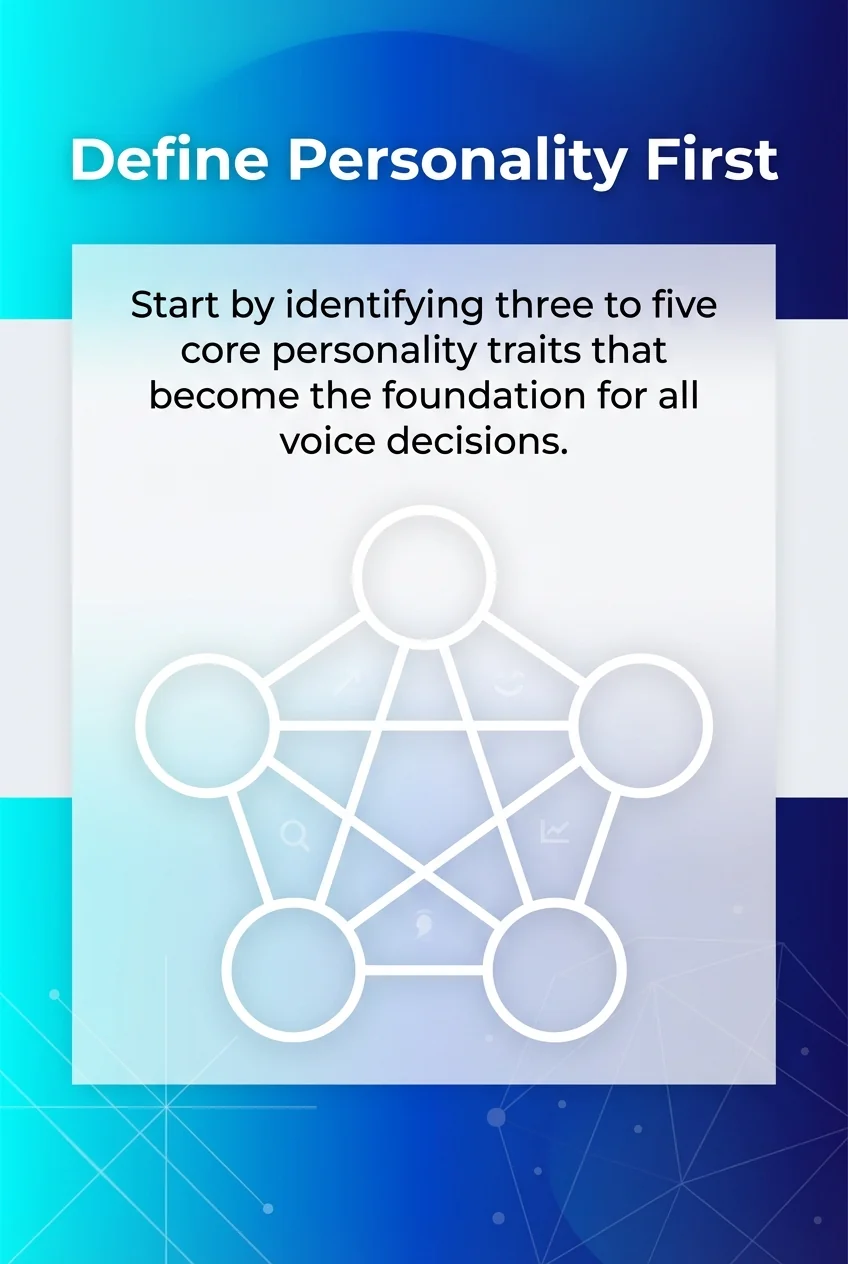
Start by identifying three to five core personality traits. These become the foundation for all voice decisions.
Choose specific, actionable attributes. “Professional” is too vague. “Professional but approachable” gives more direction. “Knowledgeable expert who explains complex topics simply” provides clear guidance.
Document what each attribute means in practice:
- What words and phrases embody this trait?
- What sentence structures reflect this personality?
- How does this trait influence tone in different situations?
- What are specific examples of this trait in action?
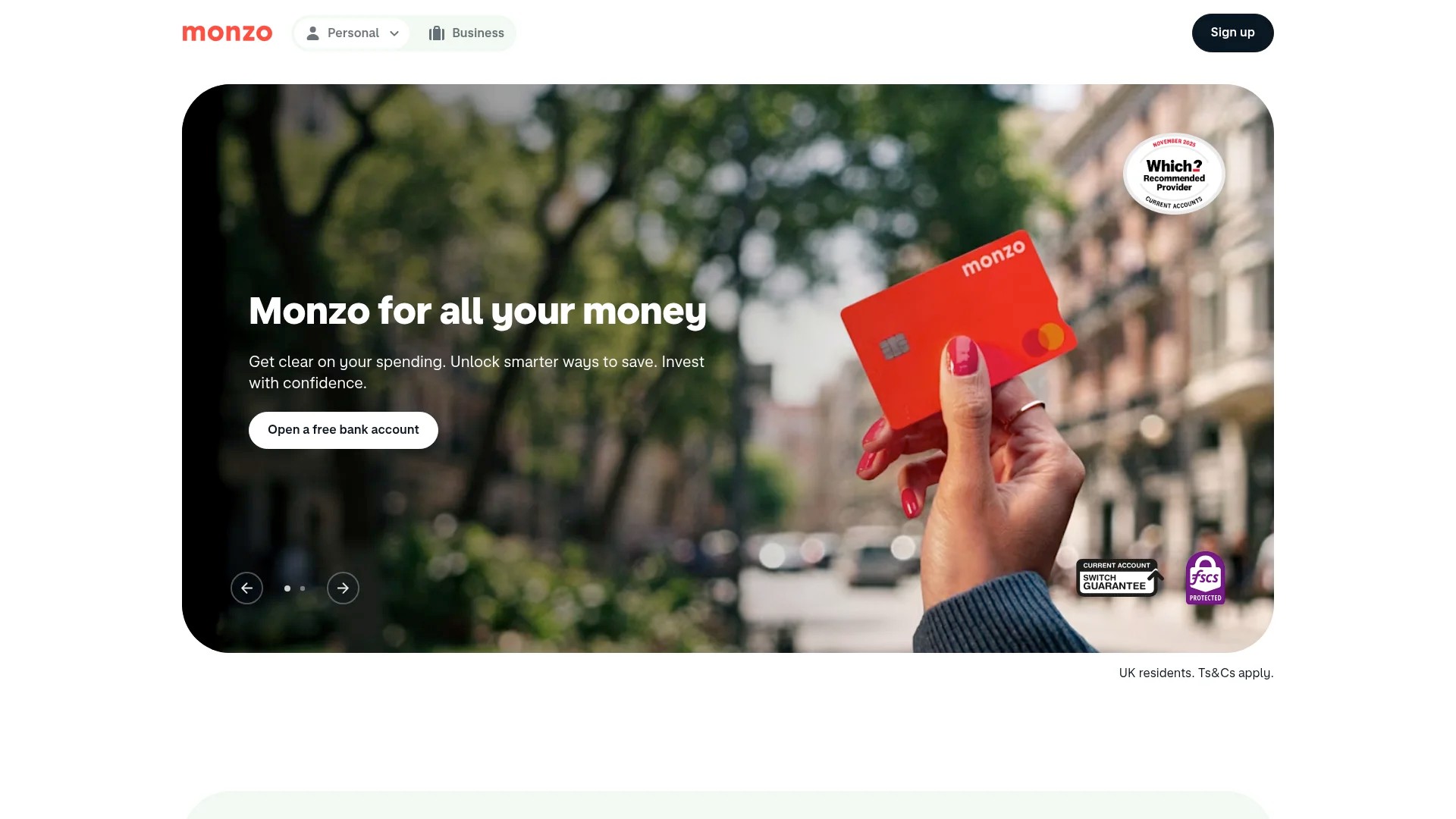
Monzo defines their voice as: friendly, transparent, and straightforward. They document specific language choices that bring these traits to life. “We say ‘your money’ not ‘funds’. We explain, not lecture. We’re honest about limitations.”
Creating Voice Charts and Documentation
Voice charts provide visual reference for personality attributes. They typically include four columns: attribute, description, do this, not that.
| Attribute | What It Means | Do This | Not That |
|---|---|---|---|
| Conversational | Write like you speak | “You’ll love this feature” | “Users will find this functionality beneficial” |
| Helpful | Guide without condescending | “Here’s how to fix that” | “Obviously you need to…” |
| Confident | Direct without arrogance | “We recommend this approach” | “Everyone knows this is the only way” |
Beyond charts, comprehensive documentation includes messaging hierarchies. Which brand messages matter most? How should AI systems prioritise different aspects of your brand personality when they conflict?
Include vocabulary lists. Words you always use. Words you never use. Industry jargon to avoid. Terms that need consistent capitalisation or styling.
Situational Tone Guidance
Document how tone shifts across common scenarios. Your AI needs explicit instructions for adjusting tone whilst maintaining voice.
Create scenario-specific guidelines:
- Welcome sequences: enthusiastic, warm, informative
- Purchase confirmations: clear, reassuring, appreciative
- Shipping updates: factual, helpful, proactive
- Problem acknowledgment: empathetic, accountable, solution-focused
- Resolution confirmation: positive, thorough, forward-looking
For each scenario, provide sample phrases and message templates. These become training data for AI systems.
Consistent brand messaging across platforms requires this level of detailed guidance.
Configuring Custom Voice Options in AI Tools
With guidelines documented, the practical work of configuring your AI systems begins.
Most modern automation platforms offer customisation features. The sophistication varies significantly between tools. Understanding your options helps you choose the right approach.
Platform-Specific Voice Settings
Zendesk includes AI-powered response suggestions. You can train these by flagging responses that match your brand voice. Over time, the system learns your preferences.
HubSpot provides tone settings for email sequences. Choose from preset options or create custom tone profiles. Input your voice guidelines as custom instructions.

Jasper offers brand voice templates. Upload sample content that exemplifies your voice. The AI analyses patterns and replicates the style in new content generation.

Configuration typically involves these steps:
- Access voice or tone settings in your platform
- Input brand personality attributes as descriptors
- Provide example content that demonstrates your voice
- Set tone variations for different message types
- Review AI-generated samples and refine parameters
- Deploy in limited contexts before full rollout
Custom Instructions and Prompts
Advanced platforms accept detailed custom instructions. These function as persistent prompts that guide all AI-generated content.
Effective custom instructions include:
- Core personality traits with explanations
- Specific vocabulary preferences and restrictions
- Sentence length and structure guidelines
- Formatting requirements for different channels
- Examples of brand voice in action
Structure instructions clearly. “Always use contractions for a conversational feel. Avoid jargon like ‘synergy’ or ‘leverage’. Keep sentences under 20 words. Start with the benefit, then explain the feature.”
Test thoroughly. Generate sample responses for various scenarios. Compare against your brand guidelines. Adjust instructions based on results.
Training AI with Brand Examples
Some AI systems learn through example analysis. Feed them high-quality samples of your brand communication.
Curate your best content. Choose pieces that perfectly exemplify your voice. Include variety: customer service responses, marketing copy, social media posts, email sequences.
The more examples you provide, the better the AI understands your patterns. Aim for at least 10-15 strong examples across different content types.
Selecting automation tools that support brand voice becomes easier when you know what training capabilities matter most.
Real Brand Voice Examples in Automation
Seeing practical implementations clarifies how theory translates to practice.
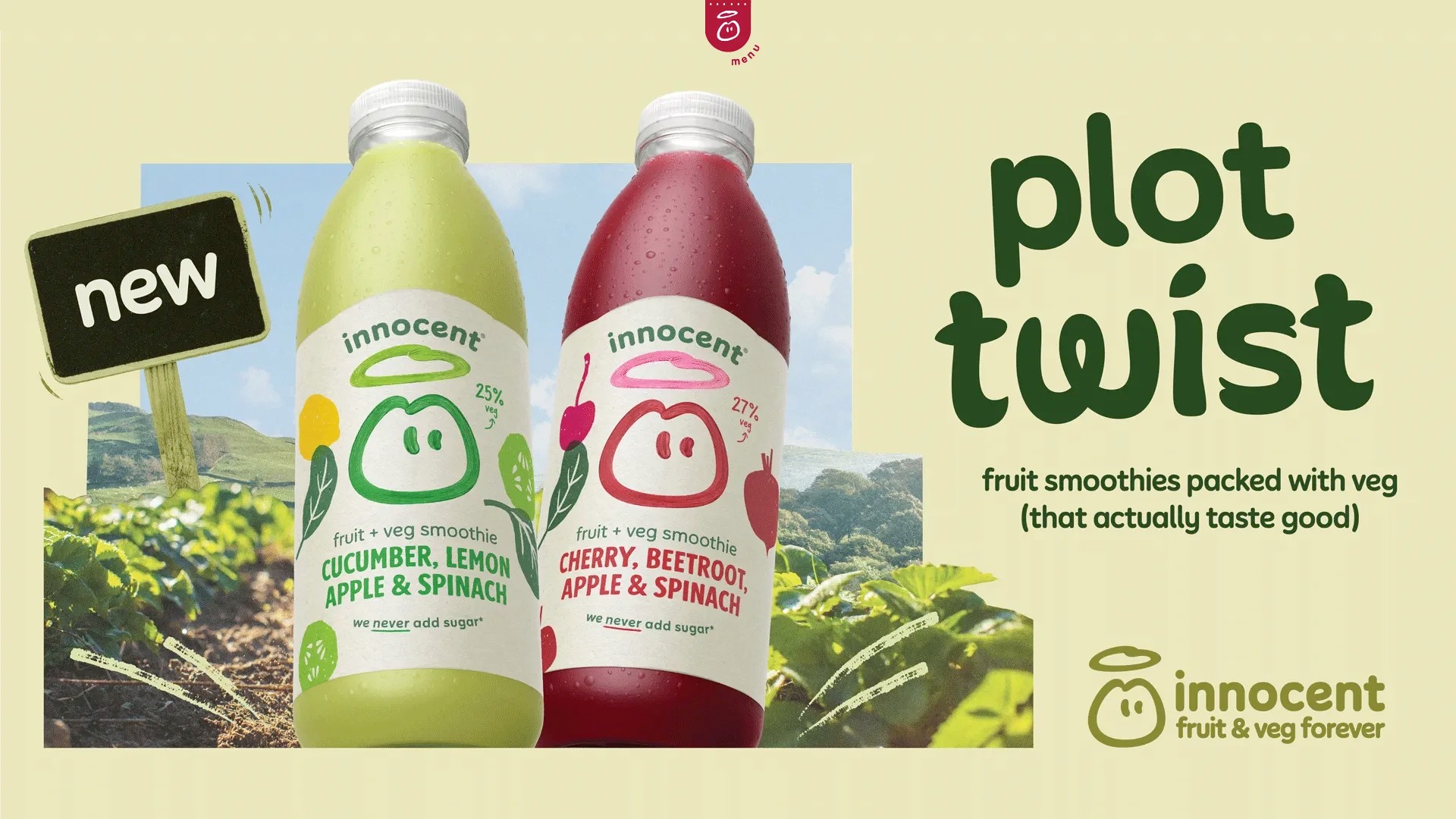
Example 1: Innocent Drinks’ Playful Automation
Innocent Drinks maintains their cheeky, conversational brand voice across automated emails. Order confirmations include phrases like “Your smoothies are on their way to you. We hope they arrive before your cravings get too intense.”
Their social media automation uses the same playful tone. Automated responses to common questions include personality: “Great question! Here’s the fruity answer…”
The consistency reinforces their brand identity. Customers experience the same friendly character whether interacting with humans or automation.
Example 2: Monzo’s Transparent Customer Service
Monzo configures their customer service AI to reflect their transparent, straightforward values. Automated responses acknowledge limitations honestly. “I can help with basic questions. For complex account issues, I’ll connect you with a specialist.”
Their tone stays friendly without forced cheerfulness. Problem acknowledgments sound genuine: “That’s frustrating. Here’s what we can do right now.”
The approach builds trust. Customers know automated responses provide real help, not scripted deflection.
Example 3: Mailchimp’s Quirky Professionalism
Mailchimp balances quirky personality with professional reliability. Their automated onboarding emails include friendly encouragement: “You’re doing great! Let’s tackle the next bit.”
Error messages maintain brand voice whilst solving problems. Instead of generic “Error 404”, they write “Oops, that page wandered off. Let’s get you back on track.”
The personality differentiates them in a crowded market. Their automation feels human, not corporate.
Example 4: Slack’s Helpful Enthusiasm
Slack maintains enthusiastic helpfulness in automated messages. Welcome sequences celebrate user actions: “Nice! You just created your first channel.”
Their AI-powered help suggestions stay conversational. “Looking for information about notifications? Here’s what you need to know.”
The consistent enthusiasm creates positive experiences even in routine automated interactions.

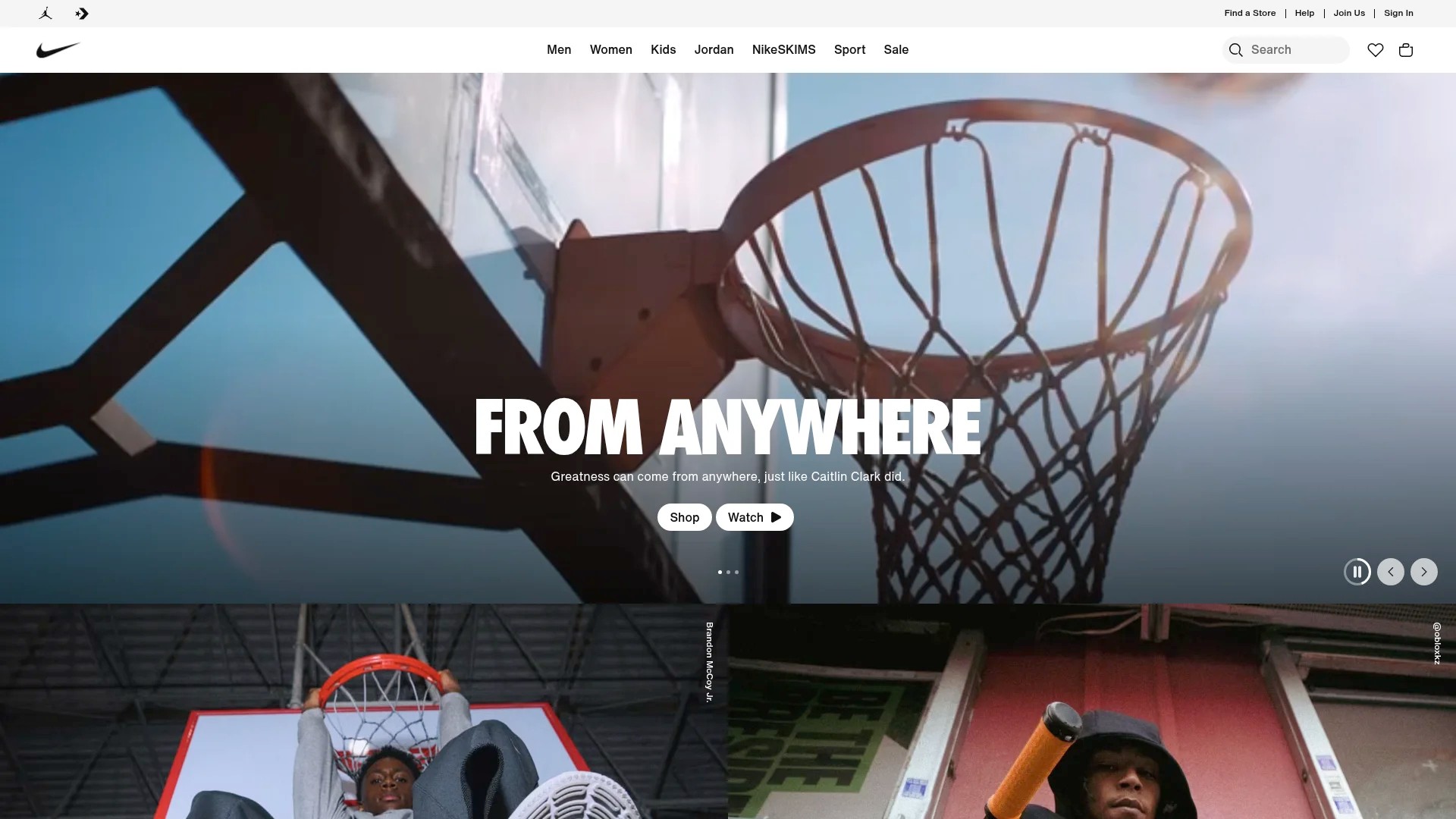
Example 5: Nike’s Motivational Edge
Nike infuses automation with their motivational brand voice. Order confirmations become encouraging: “Your new gear is ready. Time to show up and show out.”
App notifications maintain the inspirational tone. “You’re close to your goal. Push harder.”
The voice alignment strengthens their brand positioning across every touchpoint.
Example 6: Grammarly’s Expert Guidance
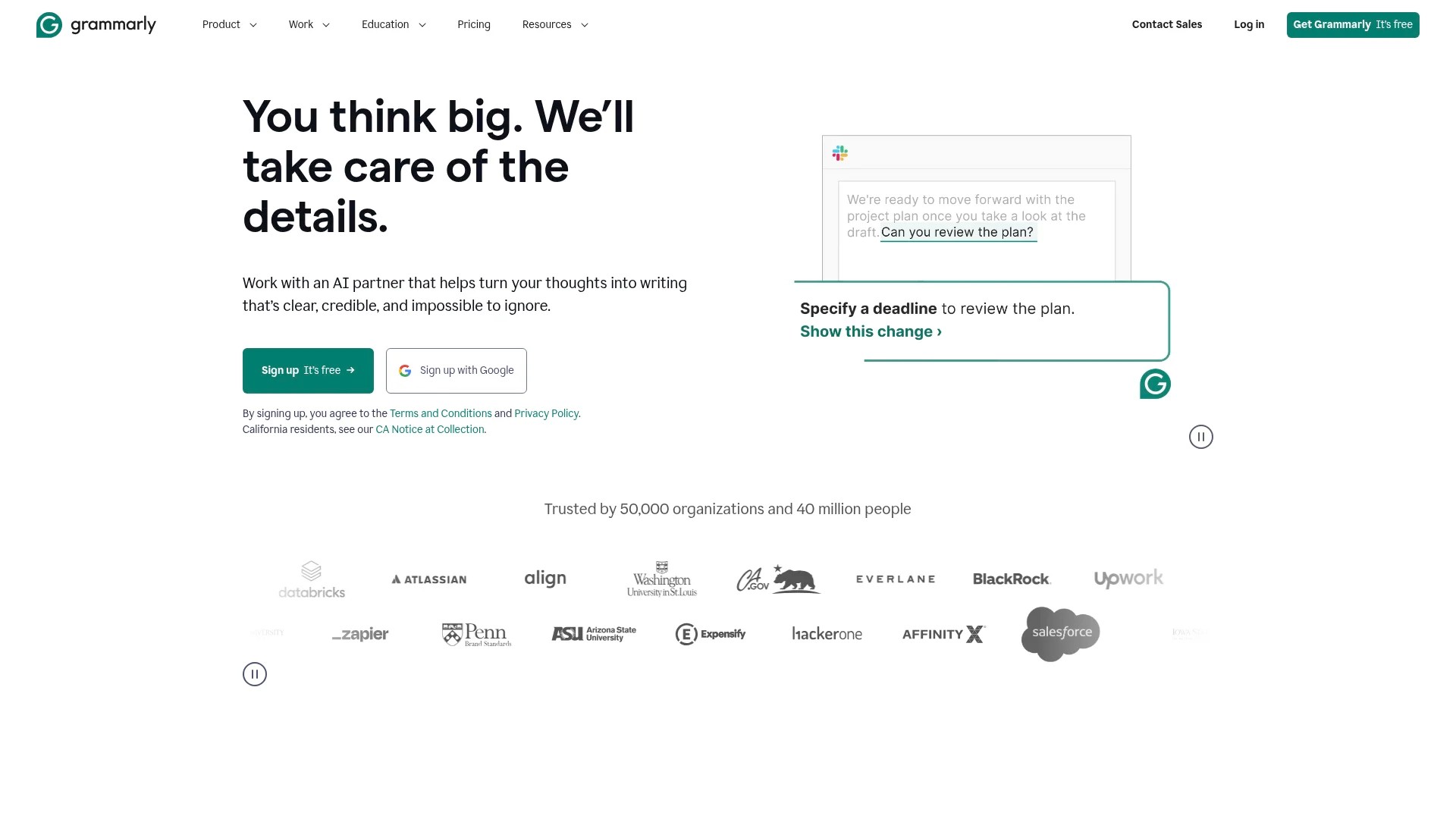
Grammarly positions itself as a knowledgeable writing assistant. Automated suggestions sound expert without being condescending. “Consider this alternative for stronger impact.”
Their tone balances authority with supportiveness. Explanations educate: “This change improves clarity because…”
The consistent expert persona builds credibility through every automated interaction.
Example 7: Spotify’s Music-Obsessed Personality
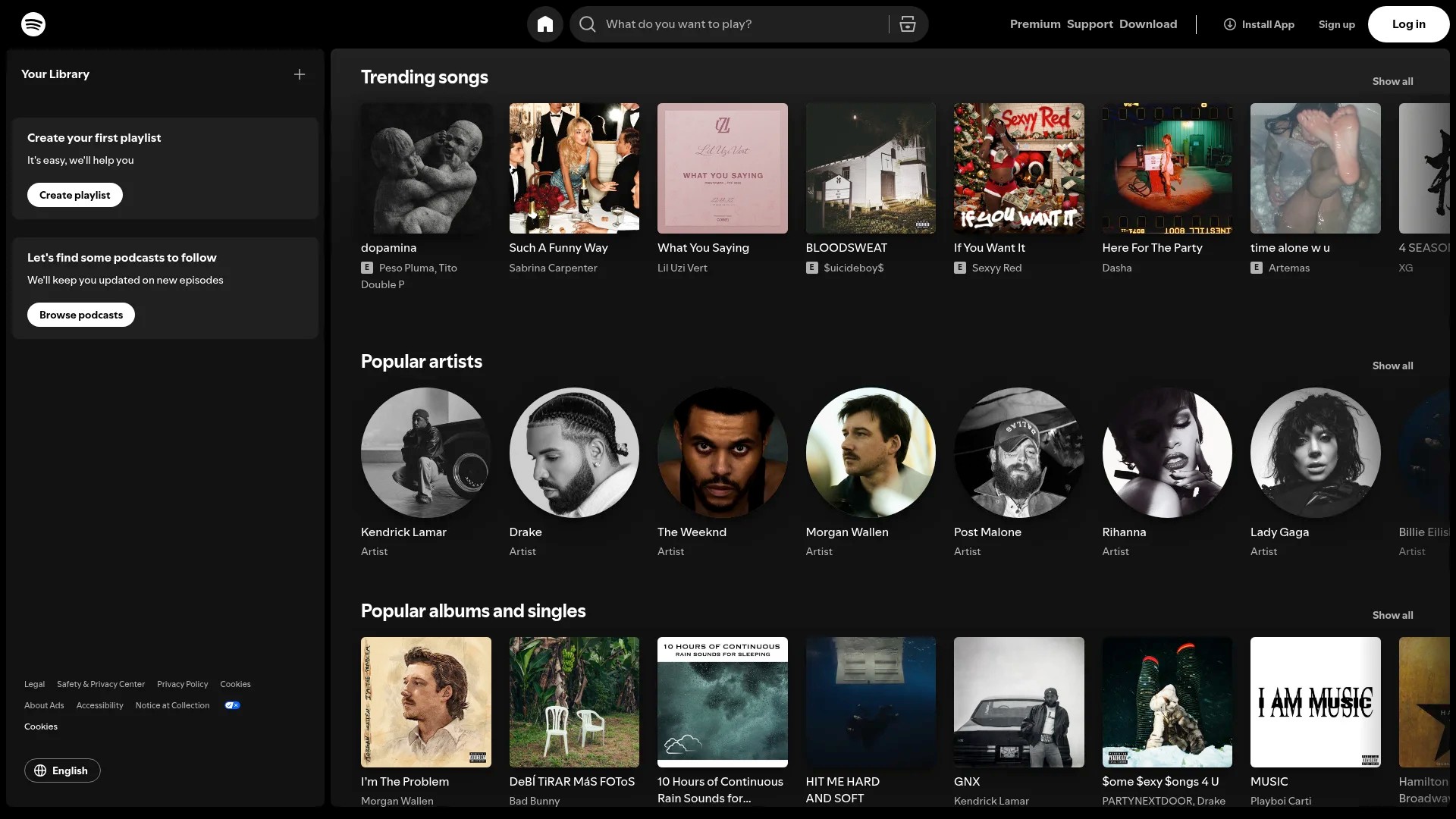
Spotify reflects music culture in automated communications. Playlist update notifications sound excited: “Fresh tracks just dropped in your Discover Weekly.”
Their language mirrors how music fans talk. “This song is absolutely fire” appears in automated recommendations.
The authentic music enthusiasm resonates with their audience through automation that feels genuine.
Balancing AI Efficiency with Human Authenticity
Examples show what’s possible. Implementation requires balancing automation benefits with authentic feel.
Complete automation risks losing the human touch. No automation limits scale. The sweet spot preserves personality whilst gaining efficiency.
When to Use Full Automation
Certain interactions suit full automation. These typically involve straightforward, high-frequency scenarios with clear outcomes.
Ideal candidates for full automation:
- Order confirmations and shipping updates
- Appointment reminders and calendar notifications
- Welcome sequences for new customers
- Frequently asked question responses
- Basic troubleshooting for common issues
Configure these thoroughly. Test extensively. Monitor customer feedback. Adjust based on responses.
When to Blend Automation with Human Oversight
Complex or sensitive interactions benefit from hybrid approaches. Automation handles initial response. Humans review before sending or intervene when needed.
Hybrid automation works well for:
- Complaint resolution and escalated issues
- High-value customer communications
- Nuanced product recommendations
- Sensitive account matters
- Public-facing social media responses
Front enables this workflow. AI drafts responses based on brand voice. Team members review, edit if needed, and approve before sending.
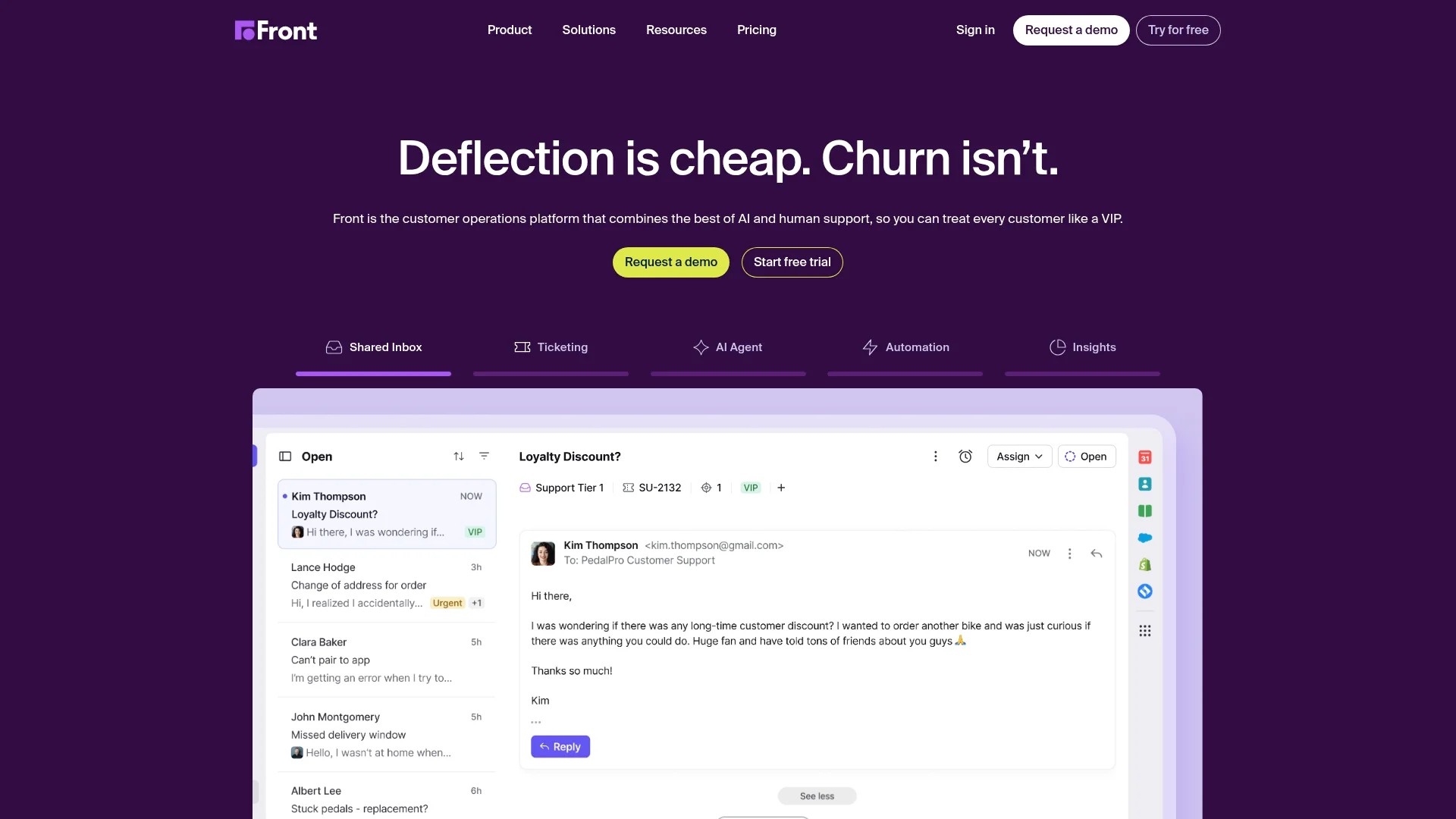
Quality control catches when automation misses nuance. Human judgment prevents brand voice mistakes from reaching customers.
Building Quality Control Processes
Consistent quality requires systematic review processes. Establish checkpoints that catch issues before they impact customers.
Effective quality control includes:
- Sample regular automated outputs across different scenarios
- Review against brand voice guidelines monthly
- Analyse customer feedback about automated interactions
- Track engagement metrics on automated content
- Conduct A/B tests comparing voice variations
- Refine AI parameters based on performance data
Create feedback loops. When automation misses the mark, update your guidelines and configuration. When it succeeds, document what worked for replication.
This comprehensive guide to AI brand voice consistency provides additional quality control strategies.
Best Practices for Sustained Brand Voice Consistency
Quality processes establish foundation. Best practices ensure long-term success.
Regular Voice Audits
Schedule quarterly reviews of automated content. Assess whether your AI systems still reflect your brand voice accurately.
Audit checklist:
- Does automated content sound like our brand?
- Are personality attributes coming through clearly?
- Do tone variations work appropriately?
- Has voice drifted from guidelines over time?
- Are customers responding positively to automated interactions?
Document findings. Make adjustments. Track changes over time to identify patterns.
Cross-Channel Consistency Monitoring
Brand voice should remain recognisable across all automated channels. Email, social media, chat, SMS, and app notifications need coordination.
Monitor consistency by sampling content from each channel monthly. Compare against your voice guidelines. Flag discrepancies for correction.
Cross-platform content consistency requires deliberate effort and regular monitoring.
Team Training and Guidelines Distribution
Everyone configuring automation needs thorough voice training. One team member’s interpretation shouldn’t differ from another’s.
Create accessible voice documentation. Make it easy to reference during automation setup. Include decision trees for common voice questions.
Host regular training sessions. Review voice guidelines. Share examples of strong and weak automated content. Discuss edge cases and how to handle them.
Adapting Voice as Your Brand Changes
Brands shift over time. Your automation should keep pace with strategic changes.
When brand positioning evolves, update automation configurations immediately. Don’t let legacy settings contradict new brand direction.
Test voice changes in limited rollouts first. Gather customer feedback. Adjust based on responses before full implementation.
Document voice changes. Explain why shifts occurred. Help team members understand the strategic thinking behind adjustments.
Measuring Brand Voice Effectiveness
Track metrics that indicate voice success. These provide objective evidence of what’s working.
Key performance indicators:
| Metric | What It Measures | How to Track |
|---|---|---|
| Engagement rates | Whether voice resonates | Compare automated vs human content performance |
| Customer satisfaction scores | Overall experience quality | Survey responses about automated interactions |
| Brand recognition tests | Voice distinctiveness | Show unbranded automated messages, measure recognition |
| Response sentiment | Emotional reactions | Analyse replies to automated messages |
Use data to guide refinements. When metrics decline, investigate voice as potential factor. When they improve, document what changed.
Moving Forward with Branded Automation
You now have comprehensive frameworks for maintaining brand voice in automation. The strategic value is clear. The implementation path is defined. The examples show what success looks like.
Start with thorough voice documentation. Create detailed guidelines that AI systems can follow. Include personality attributes, vocabulary preferences, tone variations, and abundant examples.
Configure your automation platforms deliberately. Use custom instructions. Provide training examples. Test extensively before full deployment.
Establish quality control processes. Balance automation efficiency with human oversight. Monitor performance continuously. Adjust based on customer feedback and engagement data.
The brands that excel at automated customer service don’t abandon personality for efficiency. They engineer systems that preserve what makes them distinctive whilst gaining scale benefits.
Your first action? Audit your current automated content. Does it sound like your brand? If not, document where voice breaks down. Use those findings to prioritise which systems need configuration first.
Advanced techniques like sentiment analysis can help you monitor and optimise brand voice systematically.
Automation should amplify your brand voice, not erase it. With proper configuration, quality control, and ongoing refinement, your AI systems become extensions of your brand personality rather than generic alternatives to human interaction.