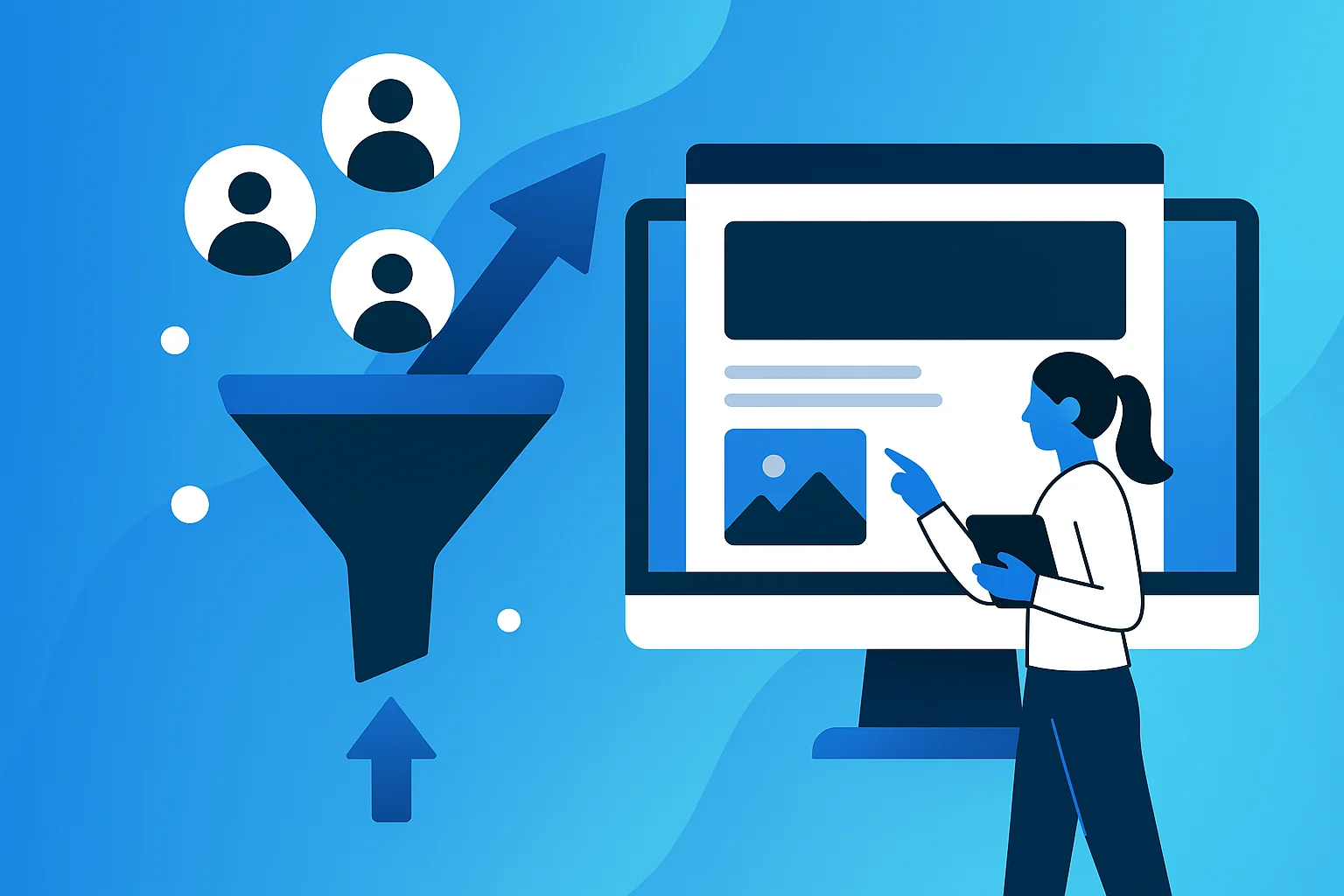
Social media lead generation transforms how businesses connect with potential customers by capturing contact information and nurturing relationships through strategic content sharing. Done well, it turns platforms like LinkedIn, Facebook, Instagram, and TikTok into systematic customer acquisition engines. The key lies in understanding that curated content serves as the bridge between brand awareness and lead capture.
When you share valuable, well-selected content, you position your brand as a trusted resource. This attracts potential customers naturally.
The process involves more than random posting. It requires deliberate platform selection, strategic content curation, optimised profiles, and clear pathways for audience members to share their contact information. Each element builds on the others to create a system that consistently generates qualified leads.
This guide provides 15 proven tactics for generating leads through curated social media content. You’ll learn platform-specific strategies, content approaches, and measurement frameworks that transform social media followers into business opportunities.
Understanding Social Media Lead Generation
Social media lead generation is the practice of attracting and capturing contact information from potential customers through social media platforms. Unlike traditional advertising, it focuses on building relationships through valuable content before requesting any commitment.
The process works through three connected stages. First, you attract attention with curated content that addresses audience needs.
Second, you engage people through comments, shares, and direct interactions. Third, you convert engaged followers into leads by offering something valuable in exchange for contact information.
This approach proves particularly effective because social media platforms offer unprecedented targeting capabilities. You can reach specific demographics, interests, and behaviours whilst building trust through consistent value delivery.
How Curated Content Drives Lead Generation
Curated content serves a specific purpose in lead generation. Rather than creating everything from scratch, you select and share high-quality resources that your target audience finds valuable.
This establishes your brand as a knowledgeable guide. When executed properly, curation demonstrates expertise whilst saving time and resources.
The connection between curation and lead generation happens when your shared content positions you as the go-to resource in your field. Potential customers begin following your social media profiles for regular insights. This trust foundation makes them more receptive when you present opportunities to learn more through gated content or direct outreach.
The Business Value of Social Media Leads
Social media leads differ from other lead sources in important ways. They arrive pre-qualified through their engagement with your content. This makes them more likely to convert into customers.
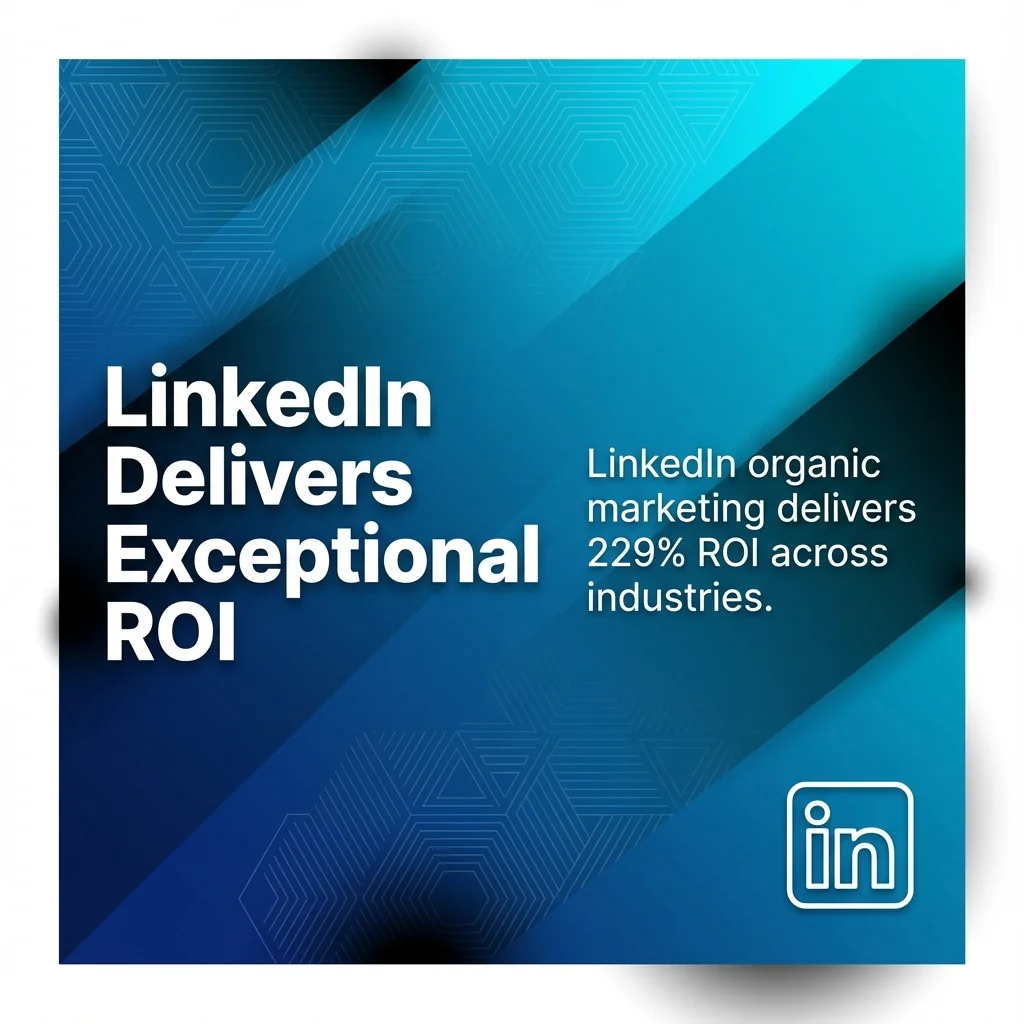
Furthermore, according to recent research on lead generation strategies, LinkedIn organic marketing delivers 229% ROI across industries. This demonstrates the substantial business value social media lead generation provides.
Social media also allows continuous relationship nurturing. After capturing lead information, you maintain visibility through regular posts. This keeps your brand top-of-mind throughout their decision journey.
Essential Platforms for Social Media Lead Generation
Not all social media platforms deliver equal results for lead generation. Each attracts different audiences and supports different content formats. Selecting the right platforms for your target audience determines success.
The most effective approach involves focusing your efforts where your potential customers already spend time. This section examines the leading platforms for social media lead generation and their specific strengths.
LinkedIn for Professional Lead Generation
LinkedIn excels for B2B lead generation and professional services. The platform attracts decision-makers actively seeking business solutions.
Content curation on LinkedIn works particularly well when you share industry insights, research reports, and thought leadership pieces. Each curated post should include your perspective on why the content matters. This demonstrates expertise whilst directing attention to valuable resources.
LinkedIn lead generation ads offer native forms that capture contact information without requiring users to leave the platform. This reduces friction significantly. You can also use LinkedIn‘s publishing platform to share longer analyses of curated content, establishing deeper authority.
Facebook for Community-Based Lead Capture
Facebook provides extensive targeting options and multiple lead capture mechanisms. The platform works well for both B2B and B2C businesses, particularly those building community-focused approaches.
Facebook Groups offer opportunities to share curated content with engaged audiences. When you consistently provide valuable resources, group members view you as a trusted authority. This makes them receptive to lead magnets and contact information requests.
Facebook lead generation ads use pre-filled forms that dramatically increase completion rates. Combined with detailed targeting based on interests, behaviours, and demographics, these ads turn curated content into systematic lead generation.
Instagram for Visual Lead Generation
Instagram’s visual nature makes it ideal for brands with strong aesthetic components. The platform attracts younger demographics and works particularly well for lifestyle, design, and consumer product businesses.
Instagram Stories provide swipe-up links (for accounts with 10,000+ followers) that direct viewers to landing pages. You can curate visual content from other sources, add your commentary, and guide interested followers to capture forms.
The platform also supports lead generation through direct messages. When you share curated content that generates questions, you can respond with offers to send additional resources via email.
TikTok for Trend-Based Lead Capture
TikTok’s algorithm offers unparalleled organic reach. The platform works well for brands targeting younger audiences and those willing to adopt more casual, authentic communication styles.
Content curation on TikTok involves creating short videos that reference or react to existing content. You might share key insights from an article through a 60-second video, then direct viewers to your profile link for the full resource.
TikTok lead generation ads launched recently and offer similar functionality to Facebook’s native forms. The platform’s extensive reach and engagement rates make it increasingly attractive for social media lead generation strategy.
YouTube for Long-Form Content Authority
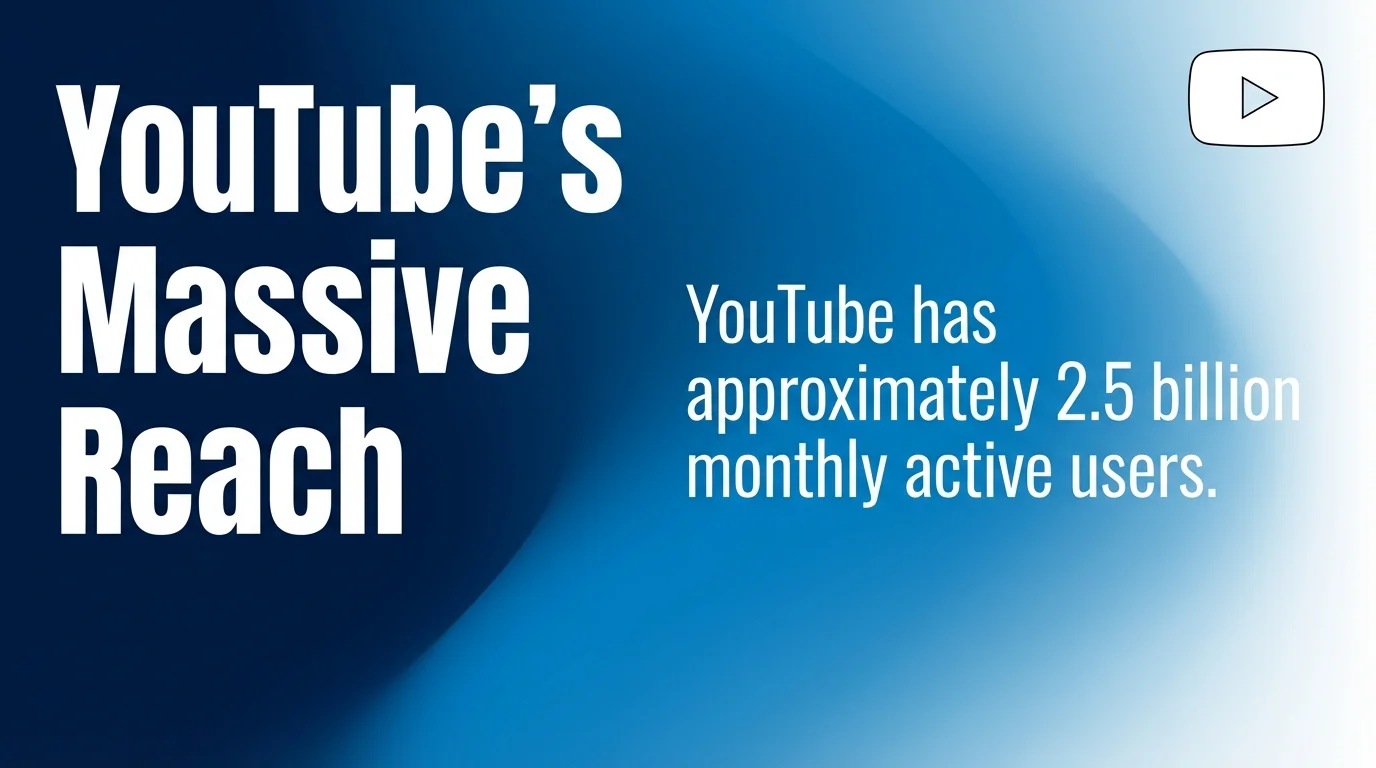
According to platform statistics, YouTube has approximately 2.5 billion monthly active users. This massive audience makes it valuable for businesses that can invest in video content.
YouTube curation involves creating videos that analyse, summarise, or respond to existing content in your field. These videos attract viewers searching for specific information. Your video descriptions then guide them to landing pages where they provide contact information for additional resources.
The platform’s longevity advantage means content continues generating leads months or years after publication. This compounds the value of each piece you create.
15 Proven Social Media Lead Generation Tactics
Now that you understand the foundations and platform landscape, these tactical approaches will help you transform curated content into consistent lead flow. Each tactic builds on the principles covered whilst offering specific implementation guidance.
1. Optimise Your Social Media Profiles for Lead Capture
Your social media profiles serve as the foundation for all lead generation efforts. Before sharing any curated content, ensure your profiles clearly communicate your value proposition and provide obvious pathways to capture contact information.
Include keywords in your bio that match what potential customers search for. Add a clear call-to-action that explains what visitors should do next. Link to a dedicated landing page rather than your general website homepage.
Profile optimisation also involves using professional imagery that builds trust. Your profile photo, cover image, and featured content should all reinforce your expertise and credibility.
2. Create Platform-Specific Lead Magnets
Lead magnets are valuable resources you offer in exchange for contact information. The most effective lead magnets address specific problems your target audience faces.
Platform-specific lead magnets perform better because they match audience expectations. LinkedIn audiences respond well to industry reports and research summaries. Instagram followers prefer visual guides and templates. Facebook communities value comprehensive checklists and toolkits.
When you share curated content, reference your lead magnet as a complementary resource. This creates natural progression from content consumption to contact information sharing.
3. Use Native Lead Generation Ads
Facebook, LinkedIn, Instagram, and TikTok all offer lead generation ads with native forms. These ads eliminate the friction of redirecting users to external landing pages.
Native lead ads work particularly well when promoting curated content collections. You might advertise a weekly roundup of industry insights, with the ad form capturing emails for ongoing delivery.
The key advantage involves pre-filled form fields that dramatically increase completion rates. Users can submit contact information with just two clicks. When combined with precise targeting, these ads systematically generate qualified leads.
4. Implement Strategic Content Sequencing
Content strategy for lead generation requires thoughtful sequencing. Rather than random curation, plan content themes that build awareness, establish expertise, then prompt action.
Week one might focus on problem identification through curated statistics and research. Week two shares solution frameworks from thought leaders. Week three presents your unique perspective and lead magnet offer.
This sequence warms cold audiences progressively. By the time you make an ask, followers already view you as a valuable resource worth engaging with further.
5. Leverage Social Listening for Lead Identification
Social listening involves monitoring conversations relevant to your business. When potential customers discuss challenges you solve, you can engage directly with helpful curated resources.
Track keywords, hashtags, and questions related to your offerings. When you find relevant conversations, share genuinely helpful content without immediate sales pitches. This positions you as a resource rather than a vendor.
After establishing rapport through several helpful interactions, you can naturally transition to capturing contact information by offering additional resources via email.
6. Design Dedicated Landing Pages for Social Traffic
Landing pages for social media traffic should differ from general website pages. Social visitors arrive with specific expectations based on the content that brought them.
Your landing page should immediately reference the curated content or topic that prompted the click. Maintain visual consistency with your social media branding. Include social proof elements like follower counts or engagement metrics.
Keep forms short, requesting only essential contact information. Each additional form field reduces completion rates significantly. For initial lead capture, name and email typically suffice.
7. Implement Retargeting for Engaged Audiences
Retargeting ads reach people who previously engaged with your content but haven’t converted to leads. These audiences already demonstrate interest, making them highly qualified prospects.
Install tracking pixels on your landing pages and website. Create custom audiences based on specific behaviours like video views, profile visits, or content downloads.
Your retargeting ads should offer compelling lead magnets that provide additional value beyond what initial content offered. This gives engaged audiences a reason to take the next step.
8. Use Contests and Giveaways Strategically
Contests generate lead volume quickly but require careful design to ensure quality. The prize should attract your target audience specifically, not bargain hunters who’ll never buy.
Entry requirements should include providing contact information plus engaging with your curated content. You might ask entrants to share which piece of content they found most valuable and why.
Follow up with all entrants through email sequences that continue providing value. This nurtures contest leads into genuine business opportunities rather than one-time interactions.
9. Incorporate User-Generated Content and Testimonials
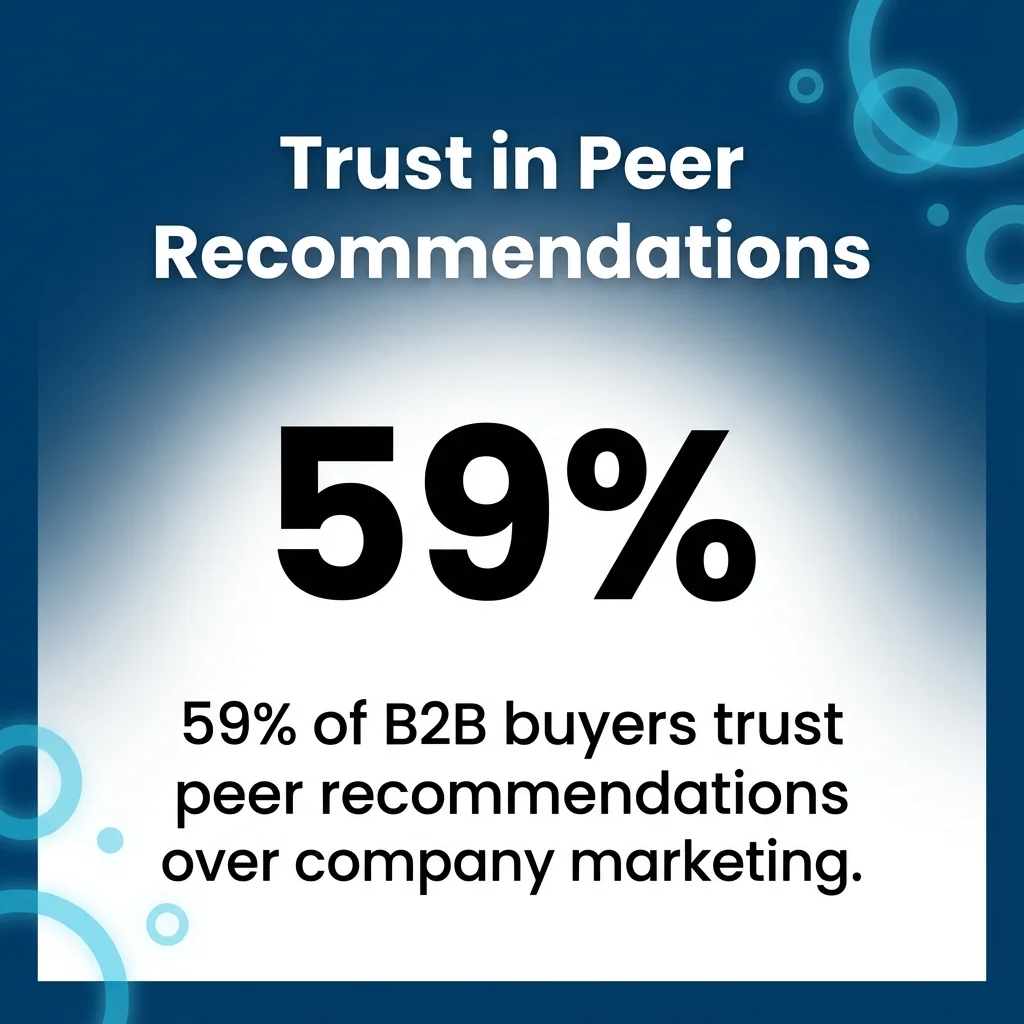
According to research on social media trust factors, 59% of B2B buyers trust peer recommendations over company marketing. This makes user-generated content and testimonials powerful lead generation tools.
Share customer success stories and testimonials as curated content. When potential customers see others achieving results, they become more willing to provide contact information for similar opportunities.
Encourage customers to share their experiences on social media, then curate and amplify their posts. This demonstrates social proof whilst providing fresh content that builds trust with potential leads.
10. Create Content Upgrade Paths
Content upgrades offer additional resources directly related to specific posts. When you share curated content about email marketing, offer a content upgrade like an email template library.
This tactic works because visitors demonstrate clear interest in the topic through their engagement. The upgrade provides immediate additional value in exchange for contact information.
Tools like ConvertKit or Mailchimp make implementing content upgrades straightforward through embeddable forms and automated delivery.
11. Deploy Chatbots for Immediate Lead Capture
Chatbots on social media platforms like Facebook Messenger engage visitors immediately. When potential customers comment on or message about your curated content, chatbots can respond instantly with relevant resources.
Configure chatbots to qualify leads through simple questions before requesting contact information. This ensures you capture quality leads rather than just volume.
Platforms like ManyChat integrate with social media accounts and CRM systems, creating seamless lead capture workflows from social media marketing efforts.
12. Build Email-Gated Content Libraries
Rather than offering single lead magnets, create comprehensive content libraries that provide ongoing value. Visitors provide their email address to access regularly updated collections of curated resources.
This approach generates leads whilst building long-term engagement. Each time you add new content to the library, you have a reason to email subscribers. This maintains visibility and nurtures relationships.
Promote your content library regularly through social media posts that highlight specific resources within it. This creates multiple entry points for potential leads.
13. Implement Clear CTAs Throughout Content
Every piece of curated content you share should include clear calls-to-action. These CTAs guide interested audience members toward lead capture forms without being pushy.
Use varied CTA language to test what resonates. “Download the complete guide,” “Get the free template,” and “Access the full research” all prompt similar actions but may perform differently with your audience.
Place CTAs strategically in your posts, profile bios, and comments. Make it effortless for interested followers to become leads when they’re ready.
14. Track and Attribute Leads to Social Sources
Analytics and tracking determine which social media platforms, content types, and tactics generate the most valuable leads. Without proper measurement, you can’t optimise your lead generation strategy effectively.
Use UTM parameters on all links from social media to landing pages. This allows tools like Google Analytics to attribute leads to specific social posts and platforms.
Track metrics beyond lead volume. Monitor lead quality through conversion rates, customer acquisition costs, and lifetime value by social media source. This reveals which platforms deliver the most profitable leads.
15. Nurture Leads with Continued Value
Lead generation doesn’t end when someone provides contact information. The nurturing phase transforms leads into customers through continued engagement and value delivery.
Create email sequences that provide curated content similar to what initially attracted the lead. Gradually introduce your products or services as solutions to problems your content addresses.
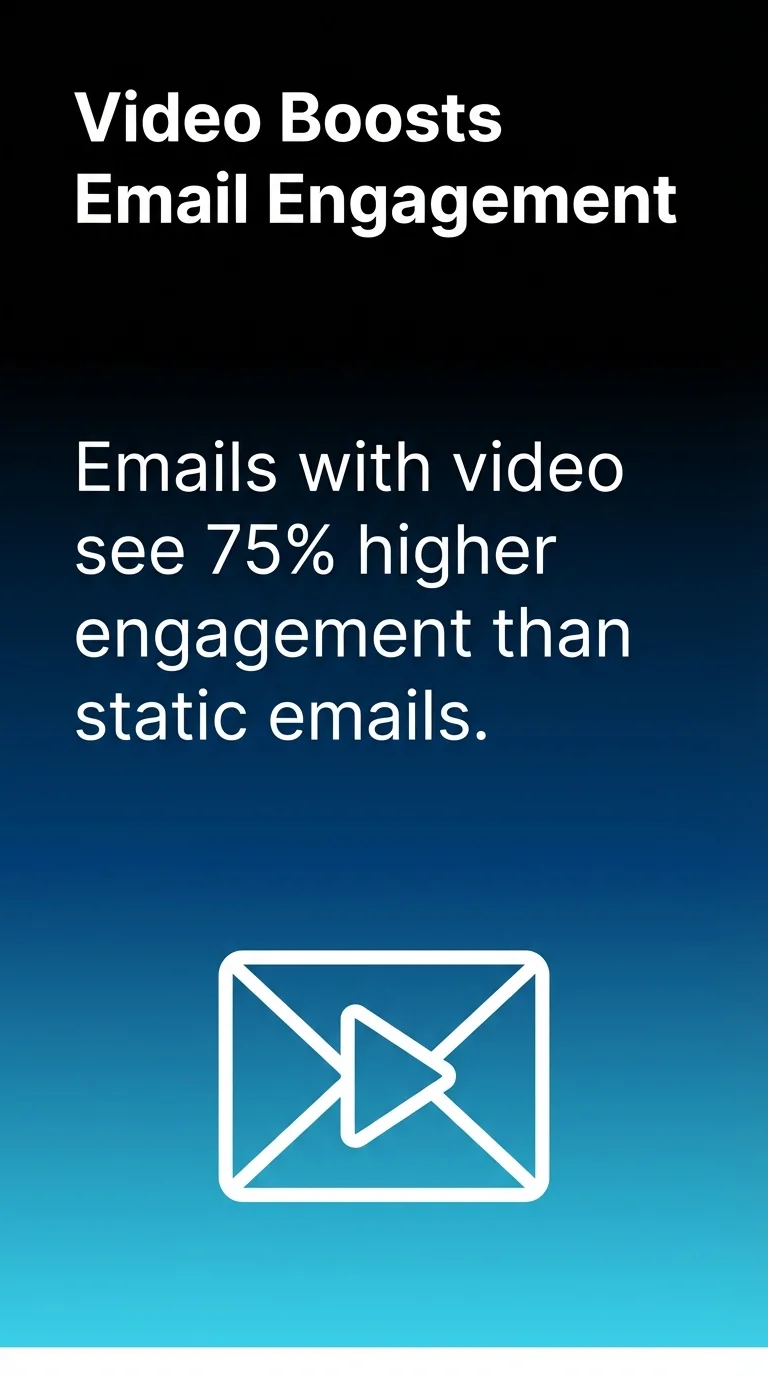
According to research on email marketing effectiveness, emails with video see 75% higher engagement than static emails. This suggests incorporating video content in your nurturing sequences can significantly improve results.
Measuring Social Media Lead Generation Success
Understanding whether your social media lead generation efforts work requires tracking specific metrics and establishing clear success indicators. Measurement transforms social media marketing from guesswork into systematic improvement.
The following metrics provide the clearest picture of your lead generation performance.
Essential Lead Generation Metrics
Lead volume indicates how many potential customers provide contact information through your social media efforts. Track this by platform and campaign to identify top performers.
Lead quality measures how many leads eventually convert to customers. High volume means little if leads never buy. Calculate conversion rates from lead to customer for each social platform.
Cost per lead reveals the efficiency of your social media lead generation. Divide total spending on content creation, advertising, and tools by total leads generated. Lower costs indicate better efficiency.
Customer acquisition cost (CAC) extends beyond lead cost to include all expenses required to convert a lead into a paying customer. This metric determines true ROI from social media lead generation.
Platform-Specific Analytics
Each social media platform offers native analytics that reveal content performance and audience behaviour. LinkedIn provides detailed demographics of people engaging with your posts. Facebook shows when your audience is most active.
Instagram Insights tracks which posts drive the most profile visits and website clicks. TikTok analytics reveal average watch time and completion rates for your videos.
Review these platform analytics weekly to identify patterns. Which content types generate the most engagement? When do your posts reach the most people? Which topics drive traffic to your landing pages?
Attribution and Source Tracking
Attribution connects leads back to specific social posts, campaigns, and platforms. Without proper attribution, you can’t determine what’s working.
Use UTM parameters consistently across all social media links. Create a naming convention that includes platform, campaign, content type, and date. This granular tracking reveals which specific tactics generate results.
CRM systems like Salesforce or HubSpot can automatically track lead sources when properly configured. This allows sales teams to understand which social media platforms deliver the best-qualified leads.
Engagement vs Conversion Analysis
High engagement doesn’t always correlate with lead generation. Some content types generate likes and shares without driving conversions. Other posts may receive less visible engagement but generate consistent leads.
Track engagement metrics (likes, comments, shares) alongside conversion metrics (clicks to landing pages, form completions, lead captures). Identify which content balances both effectively.
This analysis often reveals that educational content generates engagement whilst promotional content drives conversions. The optimal strategy typically involves mixing both types strategically.
Essential Tools for Social Media Lead Generation
The right tools streamline social media lead generation and improve results. This section covers essential tool categories and specific recommendations for each.
Content Curation and Scheduling Tools
Content curation platforms help discover and share relevant content efficiently. Quuu provides hand-curated content suggestions categorised by industry and topic, making it easy to maintain consistent posting schedules.
For those seeking more information on effective content curation approaches, additional strategies can significantly enhance your social media presence.
Scheduling tools like Buffer and Hootsuite enable planning content calendars weeks in advance. This consistency maintains visibility with your target audience whilst freeing time for strategy and engagement.
Landing Page and Form Builders
Dedicated landing page tools create optimised pages specifically for social media traffic. Unbounce and Leadpages offer templates designed for lead capture with built-in A/B testing capabilities.
Form builders like Typeform create engaging, conversational forms that improve completion rates. These tools integrate with CRM systems to automatically add leads to nurturing sequences.
Social Listening and Monitoring Tools
Social listening tools monitor conversations relevant to your business across multiple platforms. Mention and Brandwatch track keywords, hashtags, and brand mentions in real-time.
These tools identify opportunities to engage potential customers with helpful curated content. They also reveal trending topics and questions your target audience discusses, informing your content strategy.
CRM and Lead Management Systems
Customer relationship management systems organise leads from multiple social media platforms in one place. Entry-level options include HubSpot CRM, which offers free plans suitable for small businesses.
More advanced systems like Salesforce provide extensive automation and integration capabilities. These platforms track the entire customer journey from initial social media engagement through purchase and beyond.
Analytics and Attribution Tools
Beyond platform-native analytics, specialised tools provide deeper insights. Google Analytics tracks website behaviour of visitors from social media platforms, revealing which channels drive the most valuable traffic.
Attribution tools like Bizible connect marketing activities across channels to revenue outcomes. This helps determine the true business value of your social media lead generation efforts.
B2B vs B2C Social Media Lead Generation
B2B and B2C businesses require different approaches to social media lead generation. Understanding these distinctions helps tailor strategies to your specific business model.
B2B Lead Generation Characteristics
B2B lead generation typically involves longer sales cycles and multiple decision-makers. Content needs to address both individual pain points and organisational concerns.
LinkedIn dominates B2B social media lead generation because it reaches professionals during work-focused browsing. Content should emphasise ROI, efficiency gains, and competitive advantages.
Lead magnets for B2B audiences often include whitepapers, case studies, webinars, and industry research. These formats demonstrate deep expertise and thought leadership that build trust with organisational buyers.
If you’re interested in understanding how content marketing drives conversions, these principles apply particularly well to B2B contexts.
B2C Lead Generation Characteristics
B2C lead generation features shorter sales cycles and individual decision-makers. Content can be more emotional and lifestyle-focused than B2B approaches.
Facebook, Instagram, and TikTok perform better for B2C businesses. These platforms support visual storytelling and community building that resonate with consumer audiences.
Lead magnets for B2C audiences include discount codes, contests, free trials, and exclusive access to new products. These incentives create immediate value that prompts quick action.
Platform Strategy Differences
B2B businesses should concentrate efforts on LinkedIn whilst maintaining supporting presence on other platforms. B2C businesses typically spread efforts across multiple platforms based on where their target audience spends time.
Content timing also differs. B2B content performs best during business hours on weekdays. B2C content often sees higher engagement during evenings and weekends when people browse leisurely.
Understanding how your business can profit from social media marketing requires aligning tactics with your specific business model and audience expectations.
Common Pitfalls and How to Avoid Them
Even experienced marketers make mistakes with social media lead generation. Recognising these common pitfalls helps you avoid them.
Prioritising Volume Over Quality
Generating thousands of leads means nothing if none convert to customers. Focus on attracting your target audience specifically rather than maximising lead numbers.
Use precise targeting in your lead generation ads. Create lead magnets that appeal to qualified prospects rather than general audiences. This approach generates fewer but higher-quality leads.
Neglecting Lead Nurturing
Many businesses focus entirely on lead capture whilst ignoring nurturing. Most leads aren’t ready to buy immediately after providing contact information.
Develop email sequences that continue providing value after the initial conversion. Share additional curated content that addresses common questions and objections. This maintains engagement until leads become ready to purchase.
Inconsistent Posting and Engagement
Sporadic social media presence undermines trust and reduces reach. Platform algorithms favour accounts that post consistently and engage regularly with their audience.
Create content calendars that ensure regular posting across all active platforms. Allocate time daily for responding to comments and messages. This consistency builds the relationships that convert followers into leads.
Ignoring Platform-Specific Best Practices
Each social media platform has unique characteristics and user expectations. Content that performs well on LinkedIn often fails on Instagram.
Adapt your content format and tone to each platform rather than cross-posting identical content everywhere. This requires more effort but delivers significantly better results.
Failing to Test and Optimise
Social media lead generation requires ongoing testing and refinement. What works today may become less effective as platforms evolve and audiences change.
For guidance on measuring ROI from your social media marketing, tracking the right metrics enables continuous improvement.
Test different content types, posting times, lead magnets, and CTAs. Use A/B testing on landing pages and ads to identify what drives the highest conversion rates. Document results and double down on what works.
Creating Your Social Media Lead Generation Strategy
Now you understand the tactics, platforms, and measurement approaches. The final step involves combining these elements into a cohesive strategy tailored to your business.
Define Your Target Audience
Effective lead generation starts with clarity about who you’re trying to reach. Create detailed audience profiles that include demographics, challenges, goals, and social media behaviours.
Research where your target audience spends time online. Which platforms do they prefer? What content formats do they engage with? What problems keep them searching for solutions?
This audience clarity informs every subsequent decision about platform selection, content curation, and lead magnet creation.
Select Your Primary Platforms
Rather than maintaining weak presence across all platforms, focus on the 1-3 where your target audience is most active. This concentrated effort delivers better results than spreading resources too thin.
Consider your content strengths when selecting platforms. If you excel at visual content, prioritise Instagram and Pinterest. If you create detailed analysis, focus on LinkedIn and Twitter.
Develop Your Content Framework
Create a content calendar that balances educational curation, engagement-focused posts, and conversion-oriented content. The 80/20 rule works well: 80% valuable content, 20% promotional.
Plan content themes that align with your lead generation goals. If you’re promoting a webinar, share curated content about the webinar topic for 2-3 weeks beforehand. This warms your audience to the subject.
To enhance your approach, explore crafting an effective social media strategy that integrates lead generation throughout.
Build Your Lead Capture Infrastructure
Before launching campaigns, ensure your lead capture mechanisms work flawlessly. Create landing pages for each lead magnet. Set up forms that integrate with your email marketing platform. Test the entire process from click to confirmation email.
Develop welcome sequences that immediately deliver promised lead magnets and begin the nurturing process. These automated sequences save time whilst ensuring consistent follow-up.
Establish Measurement Rhythms
Schedule regular reviews of your social media lead generation performance. Weekly checks identify immediate issues. Monthly analysis reveals patterns and trends. Quarterly reviews inform strategic adjustments.
Create dashboards that display key metrics at a glance. This makes performance monitoring quick and actionable rather than requiring extensive data analysis.
Frequently Asked Questions
How long does it take to see results from social media lead generation?
Initial leads typically appear within 2-4 weeks of consistent effort. However, building systematic lead flow requires 2-3 months of refinement. Social media algorithms need time to understand your content and identify the right audiences.
Quality leads that convert to customers may take longer to generate, particularly in B2B contexts with extended sales cycles. Focus on building momentum through consistent content and gradual audience growth.
How many social media platforms should I use for lead generation?
Start with 1-2 platforms where your target audience is most active. Master these before expanding to additional channels. Quality presence on fewer platforms outperforms weak presence everywhere.
Most businesses find optimal results focusing primarily on one platform whilst maintaining supporting presence on 1-2 others. This provides enough reach without overwhelming your resources.
What’s the best lead magnet for social media audiences?
The best lead magnet solves a specific problem your target audience faces. For B2B audiences, research reports and templates perform well. For B2C audiences, discount codes and exclusive content drive conversions.
Test multiple lead magnets to determine what resonates with your specific audience. What works for competitors may not work for you due to subtle differences in positioning or audience composition.
Should I use paid ads or focus on organic lead generation?
Combine both approaches for optimal results. Organic content builds long-term authority and audience relationships. Paid ads accelerate lead generation and allow precise targeting of new audiences.
Start with organic efforts to understand what content resonates. Once you identify high-performing posts, promote them with paid advertising to expand reach. This combination delivers both immediate results and sustainable growth.
How do I improve lead quality from social media?
Improve lead quality through better targeting and qualification. Use detailed targeting parameters in your ads. Create lead magnets that appeal specifically to your ideal customers rather than general audiences.
Add qualifying questions to your lead capture forms. Even simple questions about business size, role, or specific challenges help identify serious prospects versus casual browsers.
What should I do with leads after capturing them?
Immediately deliver any promised lead magnet. Then begin a nurturing sequence that provides additional value whilst gradually introducing your products or services.
Segment leads based on their source, interests, and behaviours. This allows personalised communication that addresses their specific needs. Generic follow-up converts poorly compared to tailored messaging.
Start Generating Leads Through Strategic Content Sharing
Social media lead generation transforms platforms from brand awareness channels into systematic customer acquisition systems. The tactics covered here provide a complete framework for attracting, capturing, and nurturing potential customers through well-curated content.
Success requires selecting the right platforms for your target audience, consistently sharing valuable curated content, and creating clear pathways for interested followers to become leads. Measurement and optimisation ensure continuous improvement over time.
Start with a single platform where your potential customers spend time. Develop one compelling lead magnet that addresses their primary challenge. Create a simple lead capture form and begin sharing curated content that demonstrates your expertise.
Track which content drives engagement and conversions. Double down on what works whilst eliminating what doesn’t. This iterative approach builds momentum that compounds over time.
For additional insights on boosting social media engagement, remember that higher engagement typically leads to better lead generation results.
The businesses succeeding with social media lead generation aren’t doing anything magical. They’re simply being consistent, strategic, and genuinely helpful to their target audiences. You can achieve the same results by implementing these proven tactics systematically.
Your next lead is waiting on social media. The question isn’t whether this approach works but when you’ll start implementing it.