
User-generated content curation is the process of discovering, evaluating, selecting, and organising customer-created content to amplify your brand’s marketing efforts. It’s about transforming authentic customer moments into strategic marketing assets that build trust and drive conversions. This approach turns your customers into your most powerful marketing team, creating content that resonates because it comes from real experiences.
The curation process involves systematically tracking customer content across social platforms, evaluating it for quality and brand alignment, securing proper permissions, and strategically deploying it across your marketing channels. Unlike simply reposting whatever customers share, effective curation requires careful consideration of authenticity, relevance, and impact to create a cohesive brand narrative whilst maintaining the genuine voice that makes UGC so powerful.
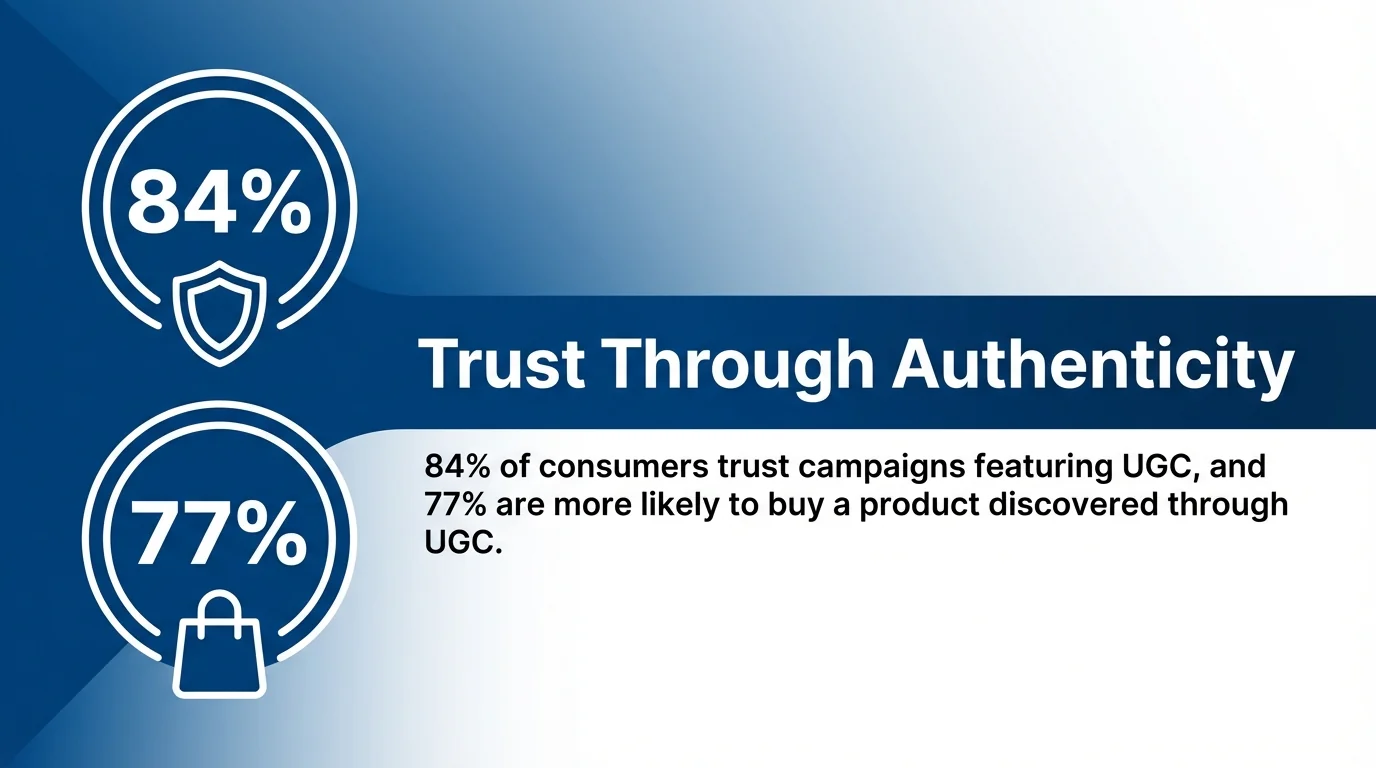
The numbers tell a compelling story about why this matters. UGC increases conversions by 10% in online buying processes. When customers see real people using your products, they trust what they see. 84% of consumers trust campaigns featuring UGC, and 77% are more likely to buy a product discovered through UGC.

This guide will show you how to build a systematic UGC curation process that discovers quality content, evaluates it against your brand standards, and deploys it effectively across your marketing channels. You’ll get practical frameworks for content discovery, permission management, and strategic deployment that transform scattered customer content into a powerful marketing engine.
Understanding User-Generated Content Curation
User-generated content curation differs fundamentally from traditional content curation. Whilst content curation involves gathering and sharing relevant third-party content, UGC curation focuses specifically on content your customers create about your brand.
This distinction matters because UGC carries unique authenticity. When customers share photos, videos, reviews, or testimonials about your brand, they’re providing social proof that no polished brand content can replicate.
What Qualifies as User-Generated Content
User-generated content encompasses any content created by customers, fans, or unpaid contributors rather than by the brand itself. This includes reviews, testimonials, customer photos, videos, unboxing videos, tutorials, and Q&A posts.
The defining characteristic is that real users create it voluntarily. Unlike influencer content or paid partnerships, authentic UGC comes from genuine customer experiences.
Social media posts featuring your products represent the most common UGC type. Customers tag your brand, use your branded hashtags, or share their experiences naturally.
The Role of Curation in UGC Strategy
Curation transforms raw UGC into strategic marketing assets. Without proper curation, valuable customer content gets lost in the noise of social media.
The curation process involves gathering content from multiple sources, reviewing it for quality and relevance, filtering out unsuitable material, and selecting pieces that align with your brand goals. This systematic approach ensures you showcase content that reinforces your brand message whilst maintaining authenticity.
Effective curation also protects your brand. By evaluating content before sharing it, you ensure that featured material meets quality standards and aligns with brand values.
Why UGC Curation Matters for Your Brand
The previous section established what UGC curation involves. Now let’s examine why brands that master this process gain significant competitive advantages.
Building Authentic Trust Through Real Stories
Traditional brand messaging faces increasing scepticism from consumers. When brands tell their own stories, audiences question the authenticity.
User-generated content functions as digital word-of-mouth. Real customers sharing genuine experiences create trust that advertising cannot match.
This authenticity becomes particularly powerful when potential customers see people like themselves using your products. They don’t see actors or models in perfect settings.
Creating Powerful Social Proof
Social proof influences purchase decisions more than most marketing tactics. When potential customers see others successfully using your products, they gain confidence in their purchase decisions.
Curated UGC provides this social proof at scale. Rather than featuring a single testimonial, you can showcase dozens or hundreds of real customer experiences.
This abundance of positive customer content signals market acceptance. New customers see that many others have chosen your brand and experienced positive outcomes.
Cost-Effective Content Production
Professional content production requires significant investment. Photo shoots, video production, and creative development consume substantial budget and resources.
Leveraging UGC provides cost-effective alternative content sources. Your customers create content naturally, reducing your production needs whilst maintaining authenticity.
This efficiency allows marketing teams to scale content output without proportionally scaling budgets. The content quality remains high because it comes from real experiences.
Types of User-Generated Content Worth Curating
Understanding the impact of UGC sets the foundation. Now we’ll explore the specific content types that deliver the strongest results when properly curated.
Customer Reviews and Testimonials
Written reviews represent the most straightforward UGC to curate. Customers share detailed experiences, highlighting specific benefits and use cases.
These reviews provide valuable insights into customer perspectives. They reveal which features matter most and how real users apply your products.
Text-based reviews work particularly well for e-commerce sites, product pages, and email marketing. They provide detailed social proof that helps potential customers make informed decisions.
Visual Content from Real Customers
Customer photos and videos deliver powerful visual proof. When customers share images of themselves using your products, they create authentic lifestyle content.
This visual UGC often outperforms professional photography because it shows real contexts. Potential customers see how products look in everyday situations, not just idealised settings.
Videos add another dimension, showing products in action. Unboxing videos, tutorials, and demonstration content help potential customers understand product usage.
Social Media Engagement Content
Social media posts, comments, and conversations generate rich UGC opportunities. Customers naturally share experiences, ask questions, and engage with your brand community.
These interactions create authentic dialogue that showcases customer satisfaction. When users comment enthusiastically about your products, those genuine reactions influence others.
Social proof extends beyond dedicated posts. Comments, replies, and discussions demonstrate active customer engagement with your brand.
How to Discover User-Generated Content
Having identified the valuable content types, we now need systematic methods to find them across the digital landscape. Content discovery forms the foundation of successful UGC curation.
Implementing Hashtag Tracking Strategies
Branded hashtags provide the most direct discovery method. Launch campaigns with branded hashtags, contests, or experiences to encourage customers to create and share UGC.
Create a unique branded hashtag that customers can easily remember and use. Monitor this hashtag regularly to catch new content as it appears.
Consider campaign-specific hashtags for product launches or special promotions. These focused hashtags help you track content related to specific initiatives whilst building ongoing UGC libraries.
Monitoring Brand Mentions and Tags
Many customers share content without using your branded hashtags. They might tag your account directly or mention your brand name in captions.
Set up monitoring for direct brand mentions across platforms. This catches content from customers who don’t use hashtags but still reference your brand.
Platform-specific tag monitoring matters too. On Instagram and Facebook, customers often tag brand accounts in photos even without hashtags.
Utilising Platform Search Functions
Native platform search tools help discover untagged content. Search for your brand name, product names, and related keywords across social platforms.
This approach catches conversations where customers discuss your brand without tagging you. These organic mentions often feel particularly authentic.
Regular searches also reveal how customers naturally describe your products. This language insight helps refine your understanding of customer perspectives.
Setting Up Monitoring Systems
Manual searches become unsustainable as your brand grows. Implement monitoring tools that automatically track mentions, hashtags, and keywords.
Social listening platforms aggregate content from multiple sources. They alert you to new mentions and help organise discovered content for review.
Create a monitoring schedule that balances thoroughness with efficiency. Daily checks for high-priority hashtags, weekly reviews for broader searches.
Evaluating and Selecting Quality UGC
Discovery alone doesn’t complete the curation process. The content you’ve found needs careful evaluation to ensure it meets your brand standards and marketing objectives.
Establishing Content Quality Standards
Quality standards create consistency in your curated content collection. Define clear criteria for visual quality, including image resolution, lighting, and composition requirements.
Technical quality matters because poor-quality content reflects on your brand. Blurry photos or poorly lit videos don’t inspire confidence regardless of their authenticity.
Balance quality requirements with authenticity preservation. Overly polished content loses the genuine feel that makes UGC powerful.
Assessing Brand Alignment
Not all customer content aligns with your brand values and messaging. Review content to ensure it represents your brand appropriately.
Check that featured products appear in suitable contexts. Content showing products in inappropriate settings or situations doesn’t serve your marketing goals.
Consider the overall impression each piece creates. Does it reinforce the brand image you’re building or contradict it?
Evaluating Authenticity and Credibility
Authentic content drives UGC’s power, but you need to verify legitimacy. Review profiles to ensure content comes from real customers, not bots or fake accounts.
Look for genuine engagement patterns. Real customers typically have varied post histories and authentic follower interactions.
Be cautious with overly promotional-looking content. Whilst customers can create polished content, it shouldn’t read like hidden advertising.
Considering Strategic Value
Each piece of UGC serves different strategic purposes. Some content showcases products effectively, whilst others demonstrate use cases or highlight specific features.
Evaluate how each piece fits into your broader marketing strategy. Does it address common customer questions or demonstrate key product benefits?
Build a diverse content library that serves multiple marketing needs. Include content for different stages of the customer journey.
Managing Permissions and Rights
Having selected quality content, you must secure proper permissions before using it. This step protects both your brand and your customers whilst building positive relationships.
Understanding Usage Rights Requirements
Legal requirements mandate obtaining permission before using customer content in marketing. Simply because content appears publicly doesn’t grant automatic usage rights.
Copyright automatically belongs to content creators. Using their work without permission risks legal issues and damages customer relationships.
Different usage contexts require different permission levels. Reposting to social media might need simpler agreements than using content in paid advertising.
Requesting Permission Effectively
Reach out to content creators directly and personally. Explain how you’d like to use their content and why you found it compelling.
Make requests specific and clear. Detail which content you want to use, where it will appear, and for how long.
Offer something in return when appropriate. Feature the creator prominently, offer product discounts, or provide other meaningful recognition.
Documenting Permission Agreements
Written permission creates clear records that protect everyone involved. Request explicit consent through direct messages, emails, or formal agreements.
Save all permission documentation systematically. Organise records by content piece, creator, and usage terms for easy reference.
Include key details in agreements: content description, usage scope, duration, attribution requirements, and any compensation terms.
Providing Proper Attribution
Credit content creators appropriately whenever you use their work. Tag their accounts when sharing on social media.
Clear attribution respects creators whilst adding authenticity. When audiences see real people credited, the content feels more genuine.
Consistent attribution builds positive creator relationships. Customers feel valued when brands properly acknowledge their contributions.
Building Your UGC Curation Workflow
With permissions secured, you need systematic processes to manage ongoing curation. Structured workflows ensure consistent quality whilst scaling your efforts efficiently.
Creating a Content Repository
Centralise collected UGC in an organised repository. Use dedicated folders, databases, or content management systems to store and categorise content.
Tag content with relevant metadata: creator information, permission status, content type, featured products, and potential use cases.
This organisation enables quick content retrieval. When planning campaigns, you can easily find relevant UGC that matches your needs.
Establishing Review Processes
Define clear review workflows that move content from discovery through approval. Assign team members specific roles in the evaluation process.
Create approval stages that check quality, brand alignment, and permission status. Multiple review points catch issues before content reaches public channels.
Document review criteria clearly so all team members apply consistent standards. This consistency maintains content quality as your programme scales.
Scheduling and Deploying Content
Strategic deployment maximises UGC impact. Plan content calendars that incorporate curated UGC alongside original brand content.
Vary content types and themes to maintain audience interest. Mix product-focused UGC with lifestyle content and customer testimonials.
Consider platform-specific best practices when deploying content. Instagram Stories require different approaches than website product pages.
Maintaining Creator Relationships
Ongoing communication with content creators builds lasting relationships. Thank creators when you feature their content.
Keep creators informed about how their content performs. Share engagement metrics and positive feedback from their contributions.
Transform satisfied creators into brand advocates. Regular contributors become valuable partners in your content strategy.
Tools and Platforms for UGC Curation
Manual curation processes work initially, but tools dramatically improve efficiency as your programme grows. The right platforms streamline every curation stage.
Content Discovery and Monitoring Tools
Social listening platforms automate content discovery across multiple channels. Hootsuite helps track brand mentions, hashtags, and keywords whilst centralising content from various social networks.

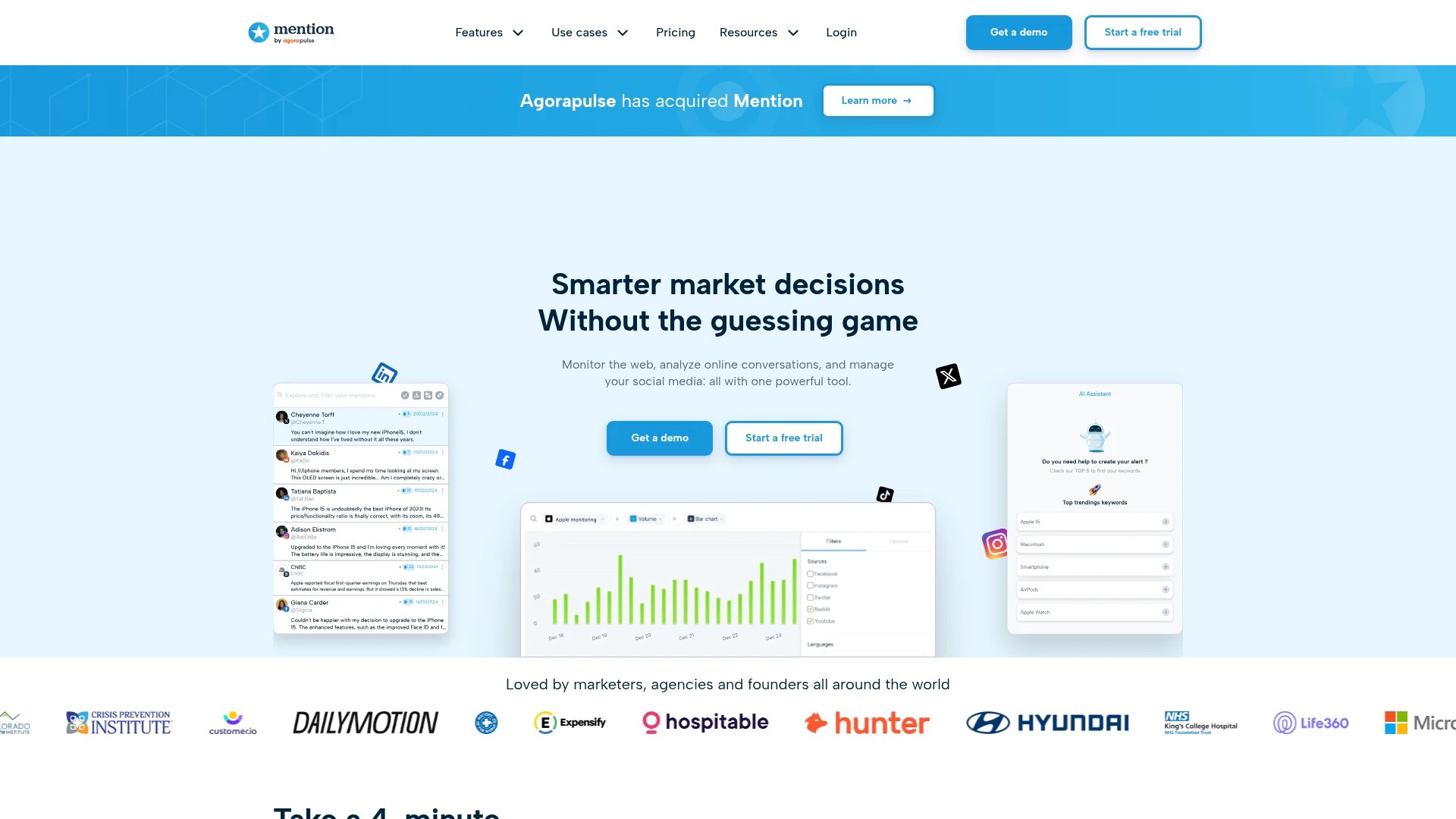
Mention provides real-time monitoring of brand mentions across social media, news sites, and blogs. Set up alerts for immediate notification of new relevant content.
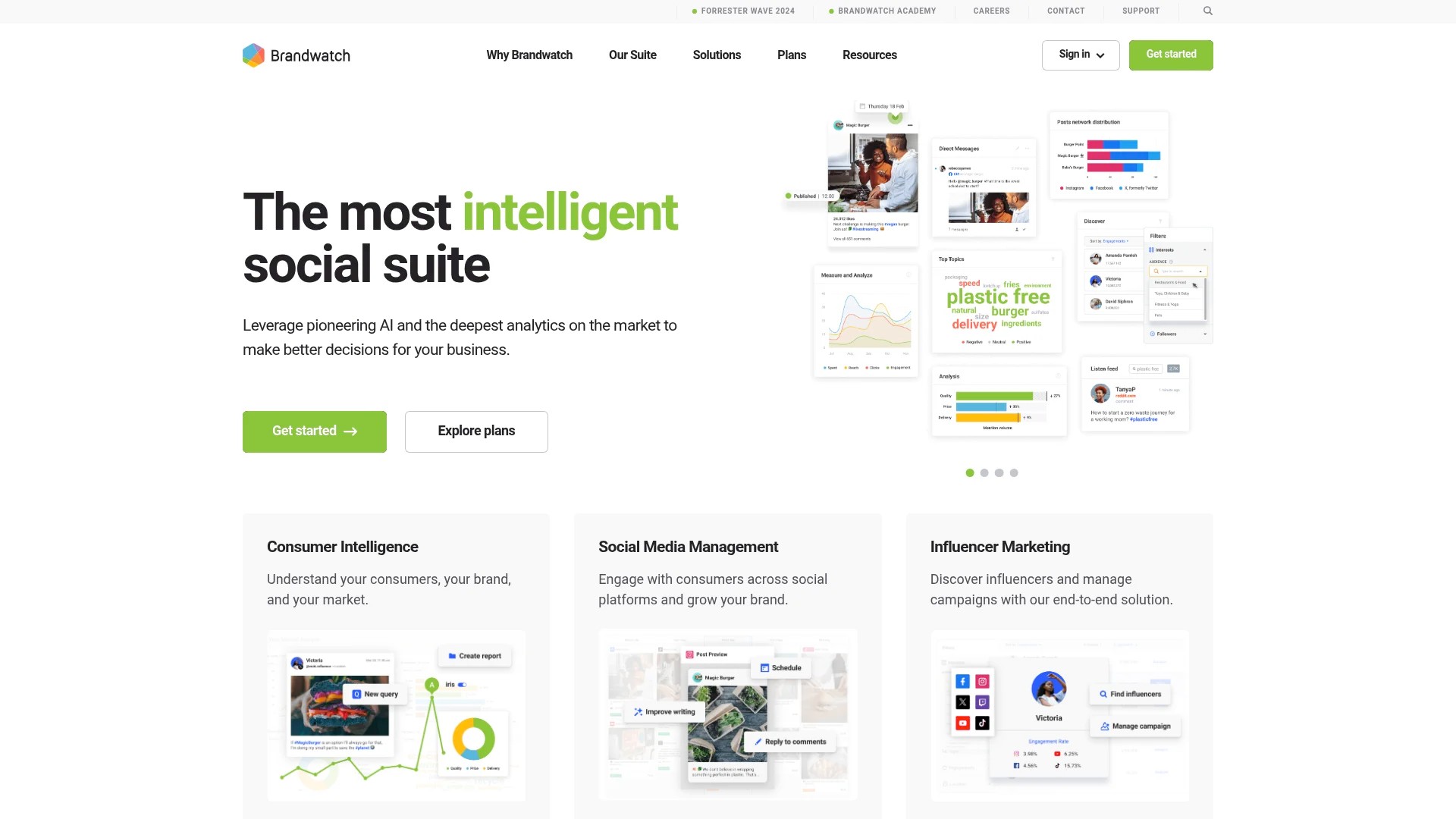
Brandwatch offers advanced analytics alongside discovery, helping identify trending topics and influential creators in your space.
Rights Management Solutions
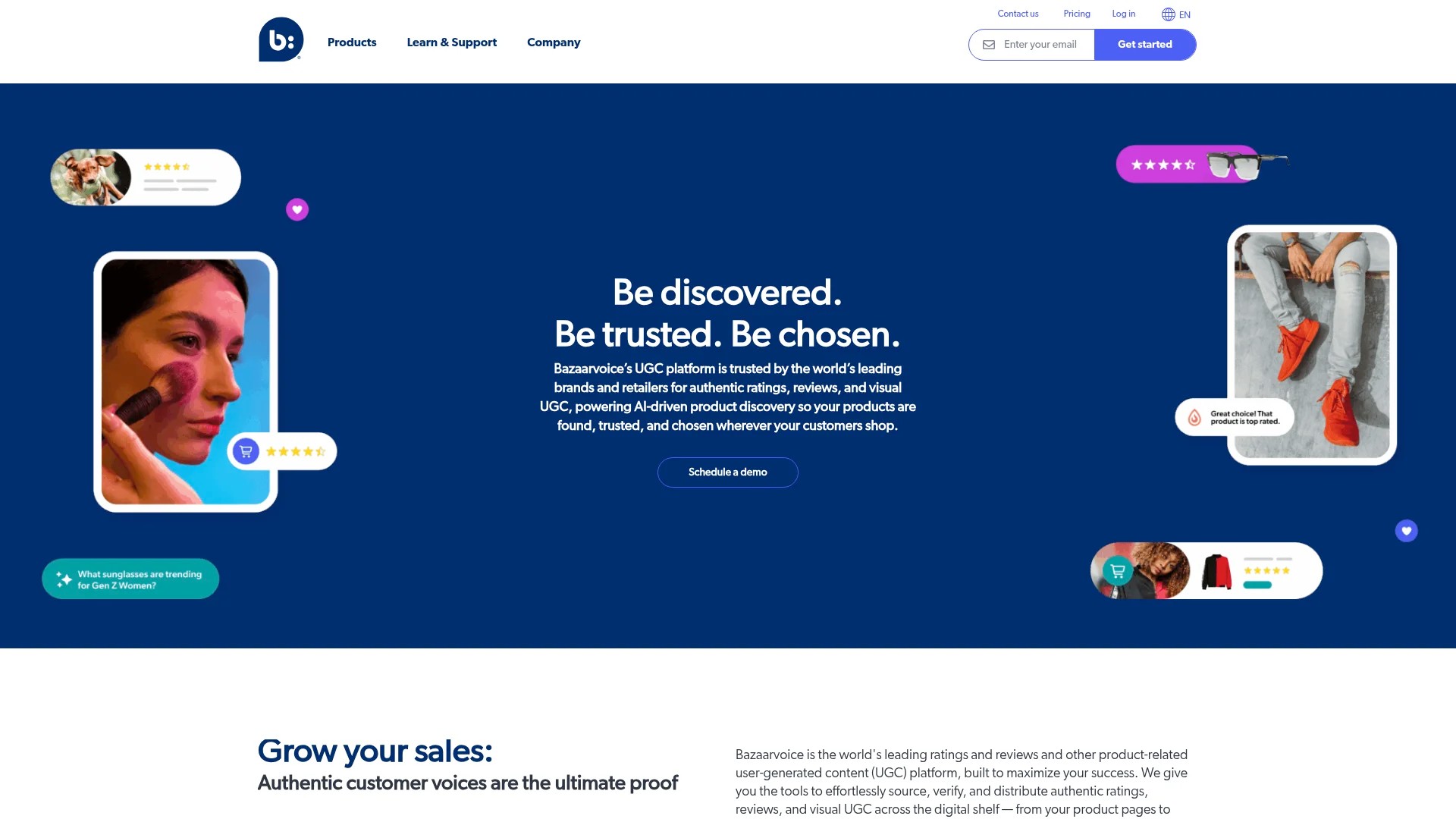
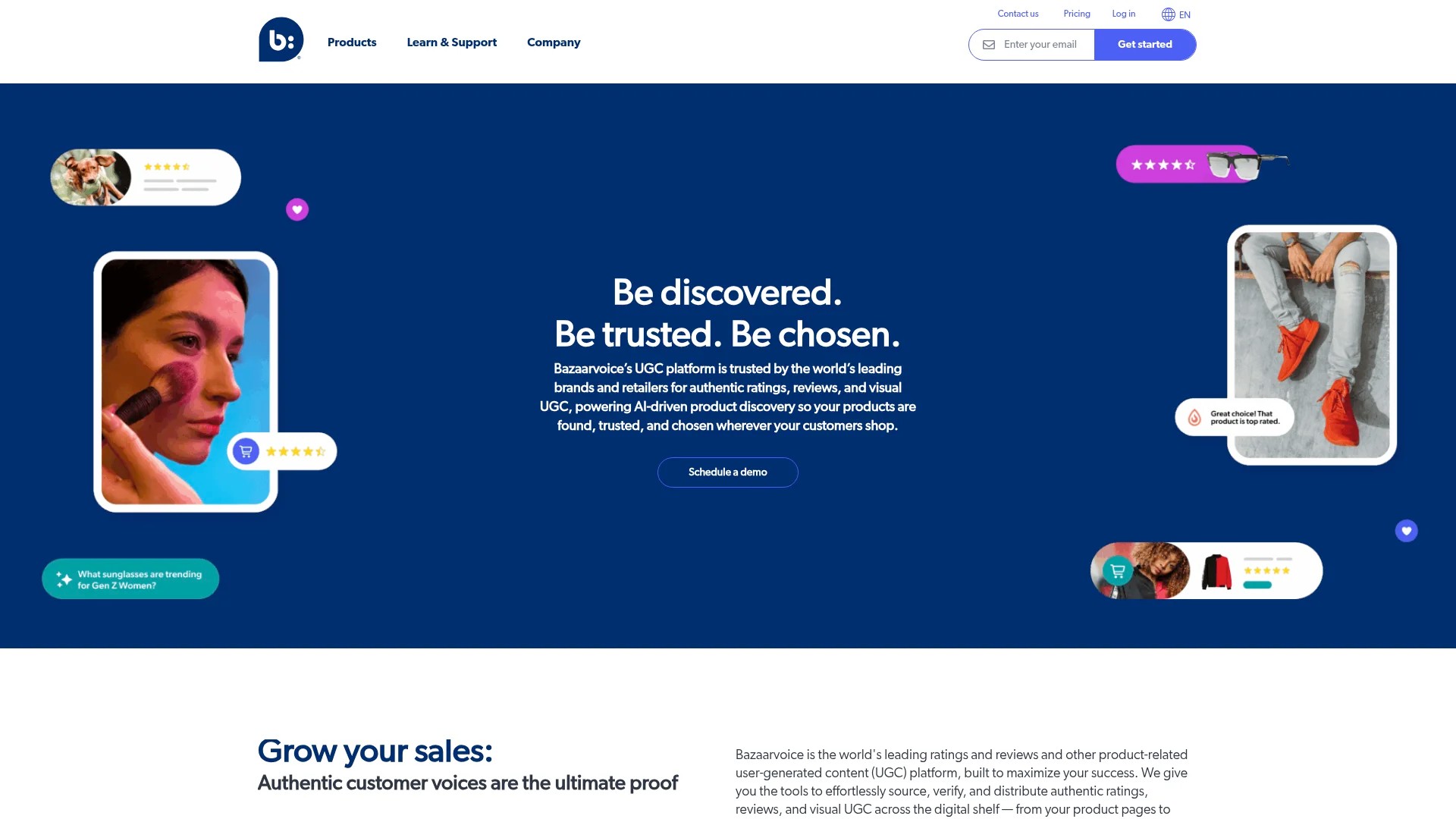
Bazaarvoice specialises in managing customer reviews and ratings whilst handling permission workflows. The platform streamlines rights requests and documentation.
Olapic automates permission requests at scale. The platform reaches out to creators, manages responses, and maintains permission records.

These solutions reduce manual administrative work whilst ensuring legal compliance across your UGC usage.
Content Management and Organisation
Stackla provides comprehensive UGC management including discovery, rights management, and content libraries. The platform offers strong categorisation and search capabilities.
Pixlee combines content management with deployment features. Organise content by campaigns, products, or themes for easy retrieval.
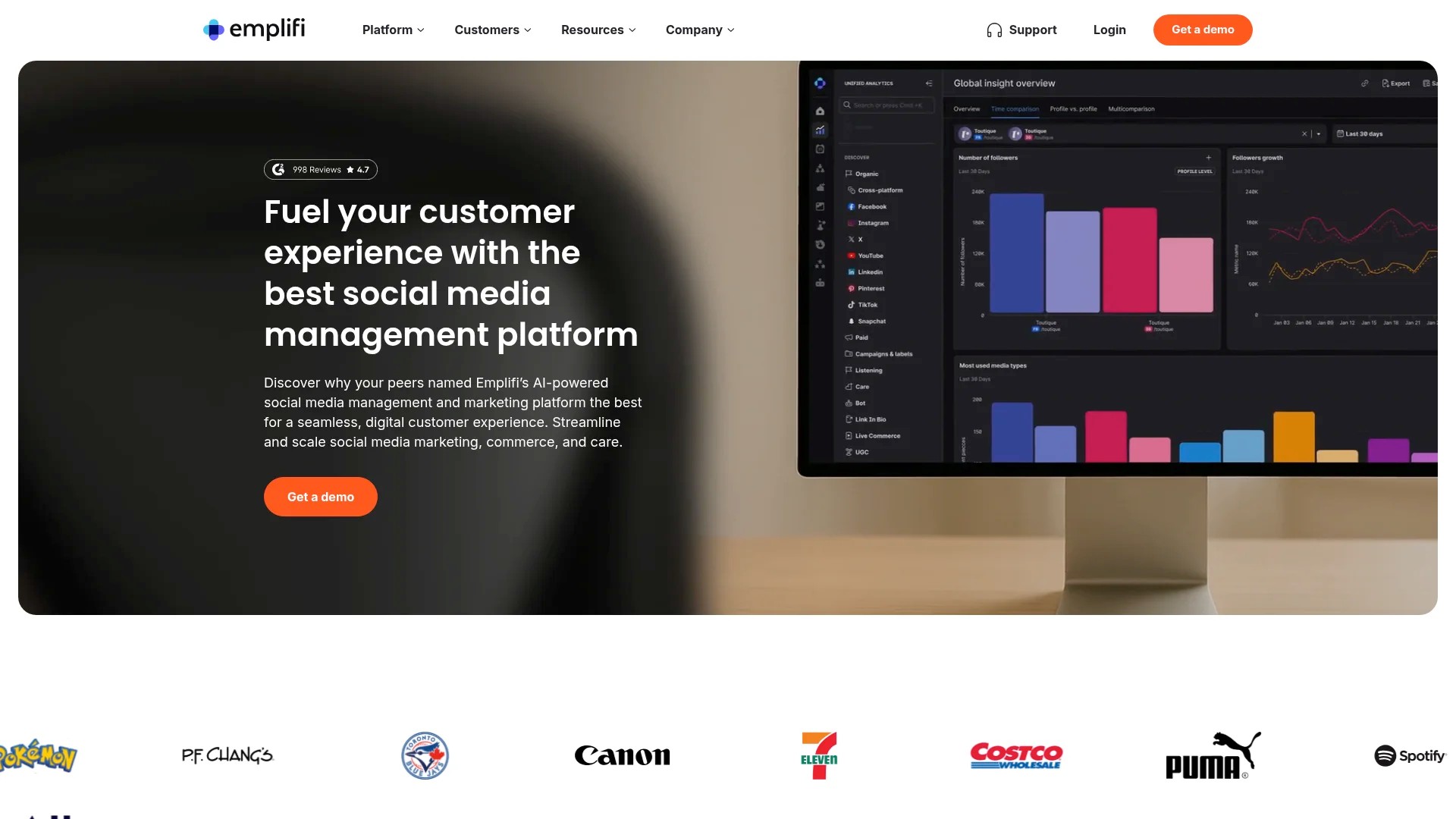
Cloud storage solutions like Google Drive or Dropbox work for smaller programmes. Create structured folder systems with clear naming conventions.
Deployment and Publishing Platforms
Curalate focuses on visual UGC deployment across e-commerce and social channels. The platform integrates with product catalogues for shoppable UGC experiences.
Social media management tools like Buffer help schedule and publish curated UGC across multiple social platforms from a single interface.
Later specialises in visual content scheduling, particularly useful for Instagram-focused UGC strategies.

Best Practices for Effective UGC Curation
Having established your workflow and tools, these best practices will help you maximise results whilst avoiding common pitfalls that undermine UGC programmes.
Maintain Authenticity Standards
Preserve the authentic quality that makes UGC powerful. Avoid heavy editing that transforms genuine customer content into something that feels manufactured.
Minor adjustments for brightness or cropping are acceptable. Major alterations that change content fundamentally defeat the purpose of using UGC.
Trust your audience to appreciate real content. Imperfect but genuine content often outperforms polished but sterile alternatives.
Diversify Your Content Sources
Feature content from diverse customer segments. Showcase different demographics, use cases, and perspectives to create inclusive representation.
This diversity makes your brand more relatable to broader audiences. When potential customers see people like themselves featured, they connect more strongly with your brand.
Avoid repeatedly featuring the same creators. Spread visibility across your customer base to build community and encourage participation.
Balance UGC with Brand Content
Curated UGC should complement your original content, not replace it entirely. Maintain a balanced content mix that includes both customer content and brand-created material.
A common ratio allocates 60-70% original brand content and 30-40% curated UGC. Adjust based on your audience response and content availability.
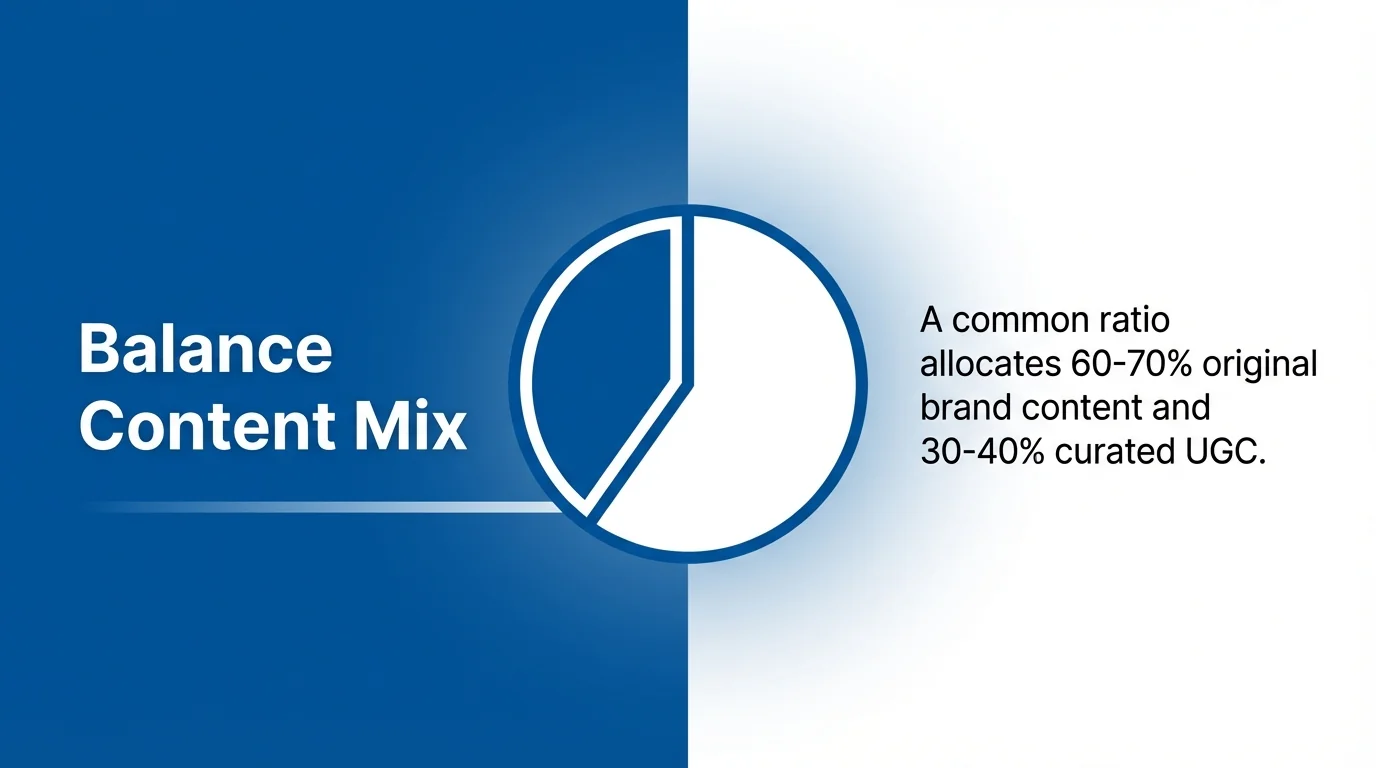
This balance ensures brand message consistency whilst leveraging customer voices for authenticity and social proof.
Respond to Content Moderation Challenges
Not all discovered content will be suitable for sharing. Establish clear moderation guidelines that protect your brand whilst respecting customer expression.
Create a moderation checklist covering quality standards, brand alignment, and appropriateness criteria. Train team members to apply these consistently.
Handle rejected content sensitively. When you can’t use submitted content, explain why respectfully if the creator enquires.
Measure and Optimise Performance
Track how curated UGC performs compared to other content types. Monitor engagement rates, conversion metrics, and audience sentiment.
Identify patterns in high-performing UGC. Which content types, themes, or formats resonate most strongly with your audience?
Use these insights to refine your curation criteria. Focus discovery efforts on content types that deliver the strongest results.
Scaling Your UGC Curation Programme
As your UGC programme matures, systematic scaling ensures continued growth without proportional resource increases. Strategic expansion builds on your established foundation.
Encouraging More Customer Participation
Active campaigns generate more UGC than passive collection. Run contests, challenges, or campaigns that specifically invite customer content creation.
Make participation easy with clear instructions and simple submission methods. Remove barriers that prevent customers from contributing content.
Recognise and reward contributors to encourage ongoing participation. Featured customers often become repeat content creators.
Expanding Across Marketing Channels
Deploy curated UGC beyond social media. Incorporate customer content into email marketing, website product pages, and paid advertising.
Product pages benefit particularly from relevant customer photos and reviews. This social proof directly influences purchase decisions at critical moments.
Email campaigns featuring customer content often achieve higher engagement rates. Real customer stories feel more relevant than purely promotional messages.
Building Community Around UGC
Transform content creators into a community. Create dedicated spaces where contributors can connect, share tips, and celebrate featured content.
Highlight top contributors regularly. Monthly features or annual awards recognise valuable community members.
This community building generates ongoing content whilst strengthening customer relationships. Contributors feel valued as brand partners, not just content sources.
Automating Where Appropriate
Automation tools handle routine tasks efficiently, but maintain human oversight for quality decisions. Automate content discovery, permission requests, and initial filtering.
Keep final content selection and approval human-driven. These decisions require judgment that automation can’t fully replicate.
As volume increases, build larger teams rather than fully automating. Balance efficiency with the quality control that maintains programme effectiveness.
Getting Started with UGC Curation Today
You now understand the complete UGC curation process from discovery through deployment. The path forward starts with immediate, focused action that builds momentum.
Begin by setting up basic monitoring for your brand mentions and hashtags. Spend 30 minutes creating alerts for your brand name across major social platforms. This simple step starts surfacing content you can evaluate and potentially use.
Create a simple spreadsheet to track discovered content. Include columns for creator name, platform, content type, quality rating, and permission status. This basic repository grows into your content library as you develop more sophisticated systems.
Reach out to three customers who’ve already shared positive content about your brand. Request permission to feature their posts and start building those creator relationships. These initial conversations establish the foundation for your ongoing permission workflows.
The most important step is simply starting. Many brands delay UGC curation programmes waiting for perfect systems. Begin with basic processes and refine them based on real experience. Your customers are already creating valuable content. Start discovering, evaluating, and sharing it today.
For more insights on building your content strategy, explore our guide on incorporating user-generated content into your marketing mix. You’ll also find valuable approaches in our article about finding the right balance between curated and original content. And if you’re wondering about the broader value, check out why brands should embrace user-generated content in their marketing strategies.