
Social media marketers face a reality check in 2026. Artificial intelligence has moved from novelty to necessity, transforming how brands create content and connect with audiences.
The shift isn’t subtle. AI tools now handle everything from content generation to customer service. They analyse sentiment, predict trends, and personalise experiences at scale.
Understanding these trends matters for practical reasons. Marketers who adapt their strategies now will maintain competitive advantages. Those who wait risk falling behind as AI reshapes the social media environment.
This guide examines the most significant AI developments in social media for 2025 and 2026. Each trend includes real applications, implementation strategies, and practical considerations for marketing teams.
1. AI-Generated Content Volume Reaches Critical Mass
The social media feed has changed. Social media analysts expect AI-generated content volume to rise, contributing to an ‘AI slop’ problem.
This presents both opportunities and challenges. Brands can produce more content faster than ever. However, quality control becomes crucial as audiences grow tired of generic AI outputs.
Strategic Content Generation
Smart marketers use AI as a starting point, not a finish line. They generate drafts with tools like ChatGPT, then add human perspective and brand voice.

The best approach combines AI efficiency with human creativity. Generate multiple variations quickly, then refine based on brand guidelines and audience preferences.
Quality Control Measures
Establish clear quality standards before deploying AI content. Review every piece for accuracy, tone, and brand alignment.
Create a workflow that includes human oversight. AI speeds up production, but humans ensure content resonates with target audiences.
Track engagement metrics carefully. AI-generated content that performs poorly needs immediate adjustment or removal.
2. AI Assistants Transform Content Discovery
This changes how audiences find your content. Traditional social feeds compete with AI-powered recommendation engines that understand user preferences at deeper levels.
Optimising for AI Discovery
Structure your content for AI interpretation. Use clear headings, descriptive metadata, and relevant keywords that help AI systems categorise your content accurately.
Focus on answering specific questions your audience asks. AI assistants prioritise content that directly addresses user queries.
Test how your content appears in AI-powered search results. Tools like Perplexity show how AI systems interpret and present your content.
Building AI-Friendly Content Architecture
Create comprehensive resource pages that AI assistants can reference. Detailed guides perform better than scattered, shallow posts.
Include data points and statistics that AI systems can extract and cite. Well-researched content gains visibility in AI-powered recommendations.
Link related content pieces together. AI assistants follow connection patterns to understand your content ecosystem.
3. Backend AI Automation Streamlines Workflows
Marketing teams are shifting focus. Some CMOs anticipate using AI more on the backend to streamline social workflows.
This trend emphasises efficiency over flashy features. AI handles repetitive tasks whilst humans focus on strategy and creativity.
Workflow Automation Opportunities
Schedule posts across multiple platforms using AI-powered tools like Buffer or Hootsuite. These platforms optimise posting times based on audience engagement patterns.
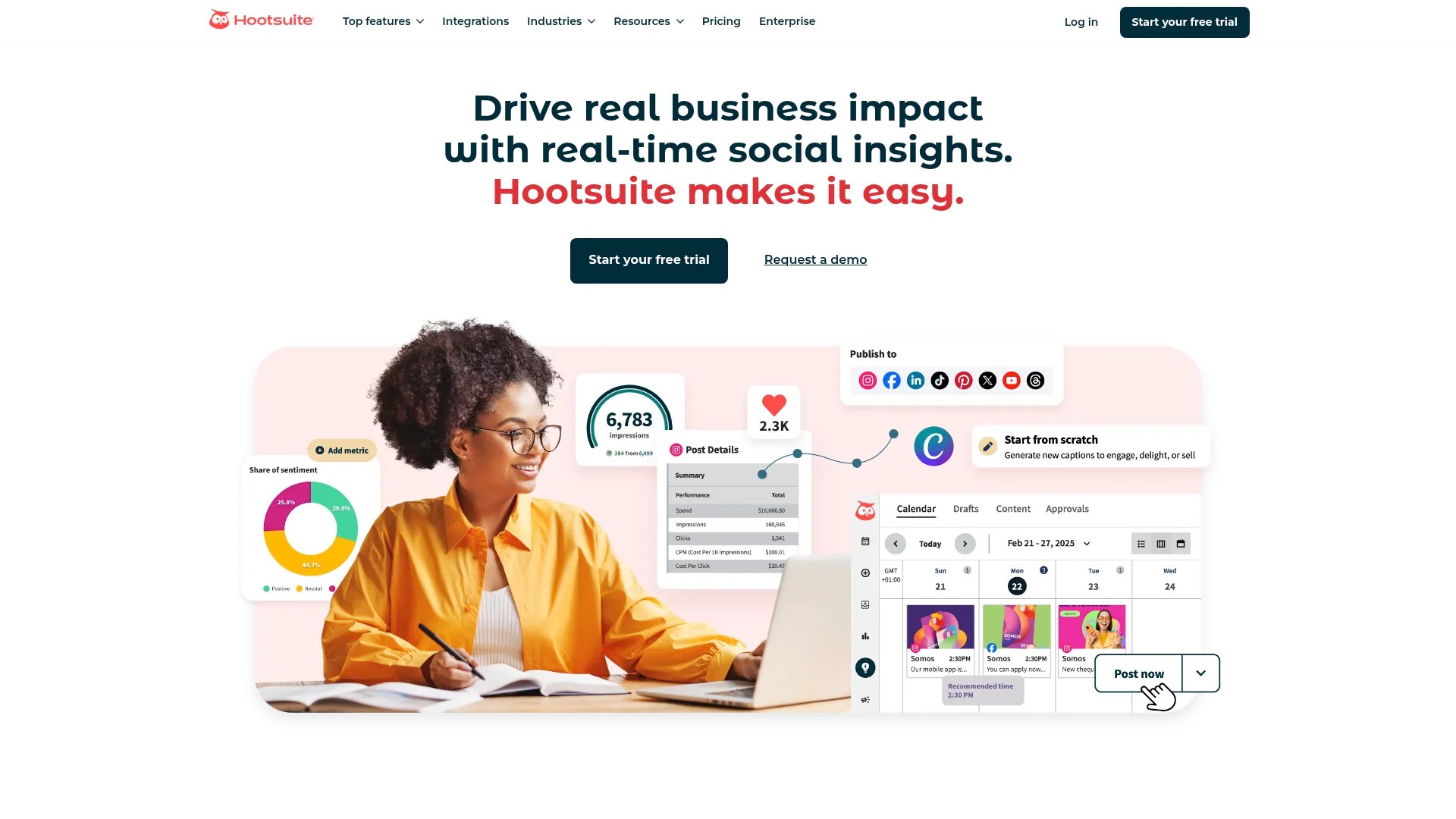
Automate response categorisation. AI tools can sort incoming messages, flagging urgent issues for immediate human attention.
Generate performance reports automatically. AI analyses campaign data and presents actionable insights without manual spreadsheet work.
| Workflow Area | AI Capability | Time Saved |
|---|---|---|
| Content Scheduling | Optimal timing analysis | High |
| Response Management | Message categorisation | Moderate |
| Performance Reporting | Automated analytics | High |
Integration Strategies
Start with one workflow area. Master AI automation in scheduling before expanding to other areas.
Train your team on new tools. Backend automation only works when everyone understands the systems.
Monitor automation outcomes closely. Adjust parameters based on performance data and team feedback.
4. Distinguishing AI Content Becomes Harder
The line between human and machine blurs. Creators predict AI-generated content will become increasingly difficult to distinguish from human-made content.
This creates authenticity challenges. Audiences value genuine connections, yet identifying authentic content grows more complex.
Maintaining Brand Authenticity
Develop a distinctive brand voice that AI tools can’t easily replicate. Focus on unique perspectives and experiences.
Share behind-the-scenes content that showcases real people. Video content featuring team members builds trust.
Be transparent about AI usage when appropriate. Some brands disclose AI assistance, building credibility through honesty.
Quality Indicators
Prioritise depth over volume. Detailed, well-researched content stands out from generic AI outputs.
Include specific examples and case studies. AI struggles with detailed, contextualised information unique to your brand.
Engage genuinely with your audience. Respond to comments personally rather than using automated replies for everything.
5. Agentic AI Systems Enter Early Adoption
AI and data-science experts describe agentic AI systems as heavily hyped but in early stages.
These systems promise autonomous decision-making capabilities. However, current implementations remain limited compared to marketing promises.
Realistic Implementation Expectations
Understand that agentic AI won’t replace your marketing team. These systems work best as assistants, not replacements.
Start with low-risk applications. Let AI agents handle routine tasks before expanding to strategic decisions.
Maintain human oversight throughout the process. Review and approve AI recommendations before implementation.
Testing Agentic Systems
Pilot programmes work better than full-scale deployments. Test AI agents on specific campaigns or audience segments.
Measure performance against human-managed campaigns. Compare results objectively before expanding AI agent usage.
Collect team feedback regularly. Technical success means nothing if the system creates workflow problems.
6. Predictive Analytics Enhance Targeting Precision
Understanding audience behaviour before it happens provides competitive advantages. AI-powered predictive analytics tools analyse historical data to forecast future trends and user actions.
These insights help marketers allocate budgets more effectively. Predict which content types will perform best with specific audience segments.
Implementing Predictive Tools
Start with platforms like Salesforce Marketing Cloud. These tools integrate predictive capabilities with existing marketing systems.
Learn more about predictive analytics shaping social media’s future to understand long-term strategic implications.
Focus on one metric initially. Master predictive engagement scoring before expanding to conversion predictions.
Data Quality Requirements
Predictive analytics requires clean, consistent data. Audit your data sources before implementing predictive tools.
Historical data depth matters significantly. Systems need sufficient past behaviour patterns to make accurate predictions.
Combine first-party data with platform insights. This combination provides the most accurate predictive models.
| Predictive Application | Primary Benefit | Implementation Complexity |
|---|---|---|
| Engagement Forecasting | Content optimisation | Moderate |
| Conversion Prediction | Budget allocation | High |
| Churn Detection | Retention focus | Moderate |
7. Social Listening Gets AI-Powered Intelligence
Monitoring brand mentions has evolved beyond simple keyword tracking. AI-enhanced social listening tools now understand context, sentiment, and emerging conversation patterns.
This intelligence helps brands respond proactively rather than reactively. Identify potential issues before they become crises.
Advanced Listening Strategies
Tools like Brandwatch and Sprout Social offer AI-powered listening capabilities. These platforms detect subtle shifts in audience sentiment.
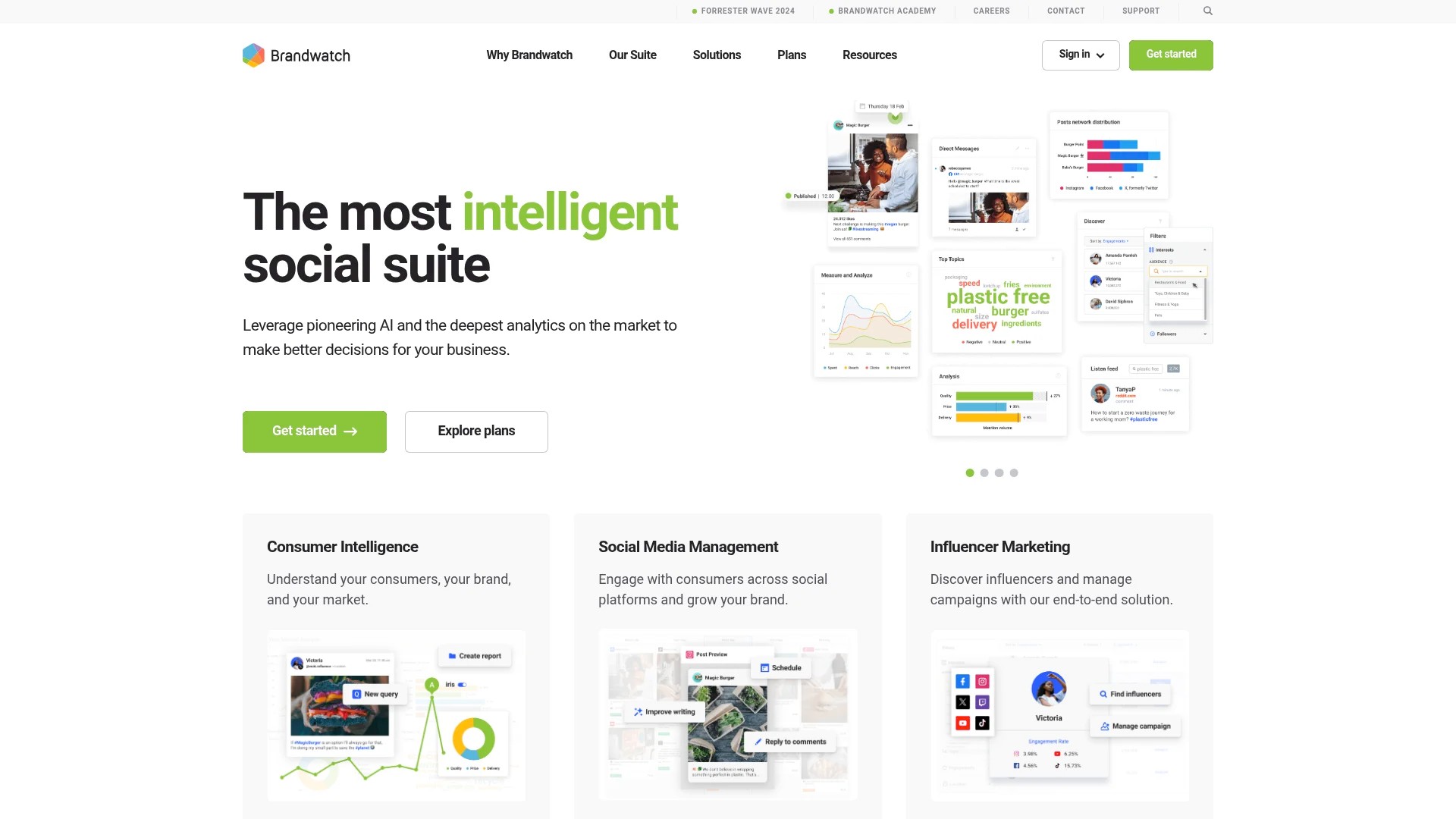

Set up alerts for unexpected sentiment changes. AI systems can flag unusual patterns that warrant immediate attention.
Track competitor mentions alongside your own brand. AI tools identify market gaps and opportunities through competitive analysis.
Sentiment Analysis Applications
Move beyond positive-negative classifications. Modern AI distinguishes nuanced emotions like frustration, excitement, and confusion.
Analyse sentiment by audience segment. Different customer groups may respond differently to the same content.
Track sentiment trends over time. Gradual shifts often indicate emerging issues or opportunities.
8. Video Creation and Editing Becomes Democratised
Video content dominates social media engagement. AI-powered editing tools make professional-quality video accessible to teams without specialised skills.
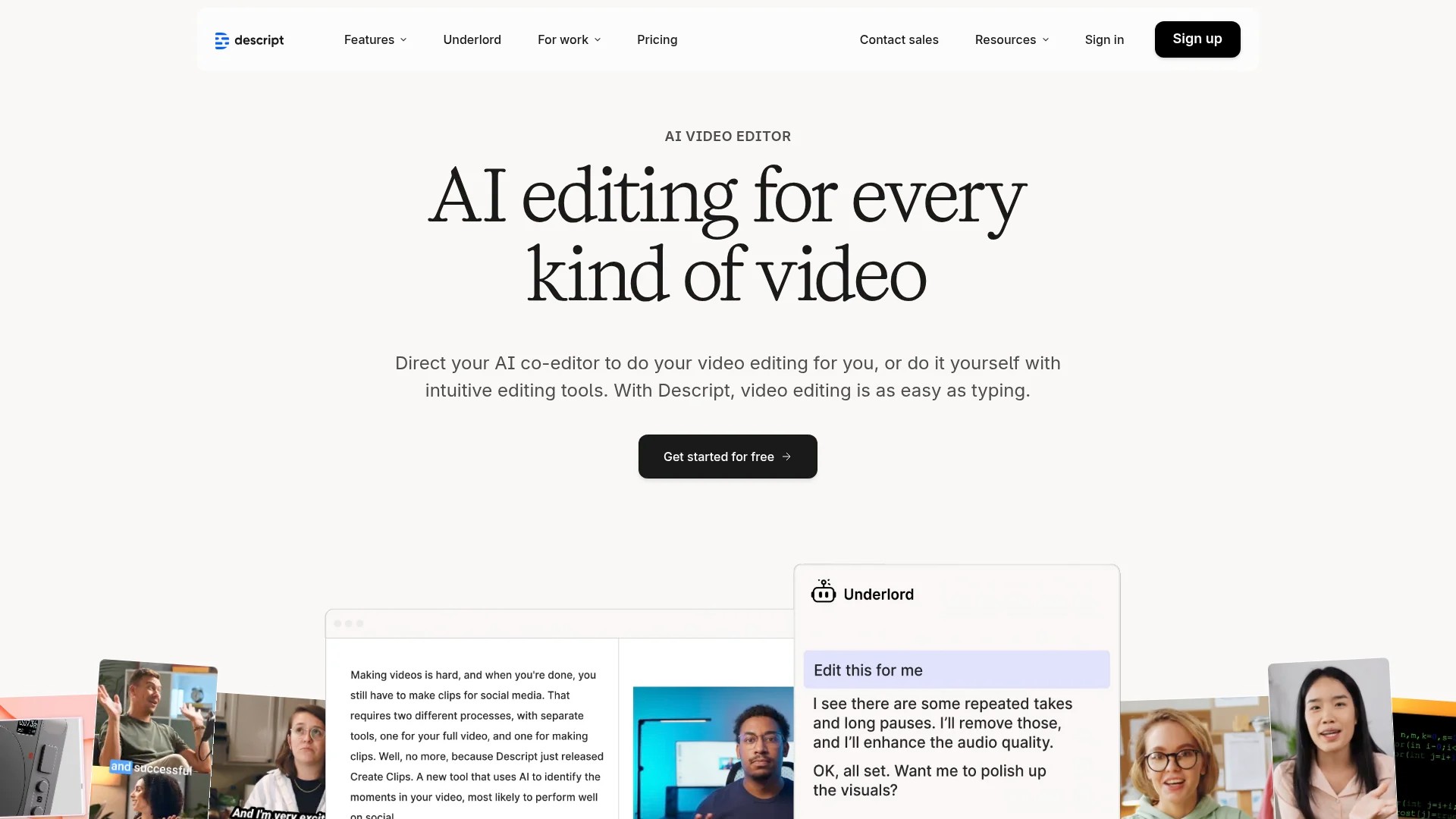
Platforms like Descript and Runway handle complex editing tasks through simple interfaces.
Efficient Video Production
Create multiple versions of the same video quickly. AI tools can resize, reformat, and optimise videos for different platforms automatically.
Generate captions and subtitles instantly. AI transcription accuracy has improved dramatically, saving hours of manual work.
Repurpose long-form content into short clips. AI identifies the most engaging segments for social media distribution.
Video Content Strategy
Focus on authentic content over polished perfection. Audiences respond better to genuine messages than overly produced videos.
Test different video lengths across platforms. AI analytics show which durations perform best with your specific audience.
Include clear calls to action. AI helps optimise video content, but human strategy determines what actions you want viewers to take.
9. Hyper-Personalisation Reaches Scale
Personalisation extends beyond using a customer’s first name. AI enables individualised content experiences for thousands of users simultaneously.
Dynamic content adapts based on user behaviour, preferences, and engagement history. Each person sees content tailored to their specific interests.
Personalisation Technologies
AI-powered content curation strategies help deliver relevant content to different audience segments efficiently.
Implement recommendation engines on your social properties. These systems suggest content based on individual user patterns.
Segment audiences using AI clustering. Machine learning identifies natural audience groups more accurately than manual segmentation.
Building Personalised Experiences
Start with behavioural data. Track how different users interact with your content and adapt accordingly.
Create content variants for different segments. AI can help determine which version to show each user.
Test personalisation impact carefully. Measure whether customised content actually improves engagement and conversions.
10. Chatbots Evolve Into Conversational Agents
Customer service on social media has transformed. Modern AI chatbots handle complex conversations that previously required human agents.
These tools provide instant responses whilst maintaining natural conversation flow. Customer satisfaction often matches or exceeds human-only support.
Chatbot Implementation
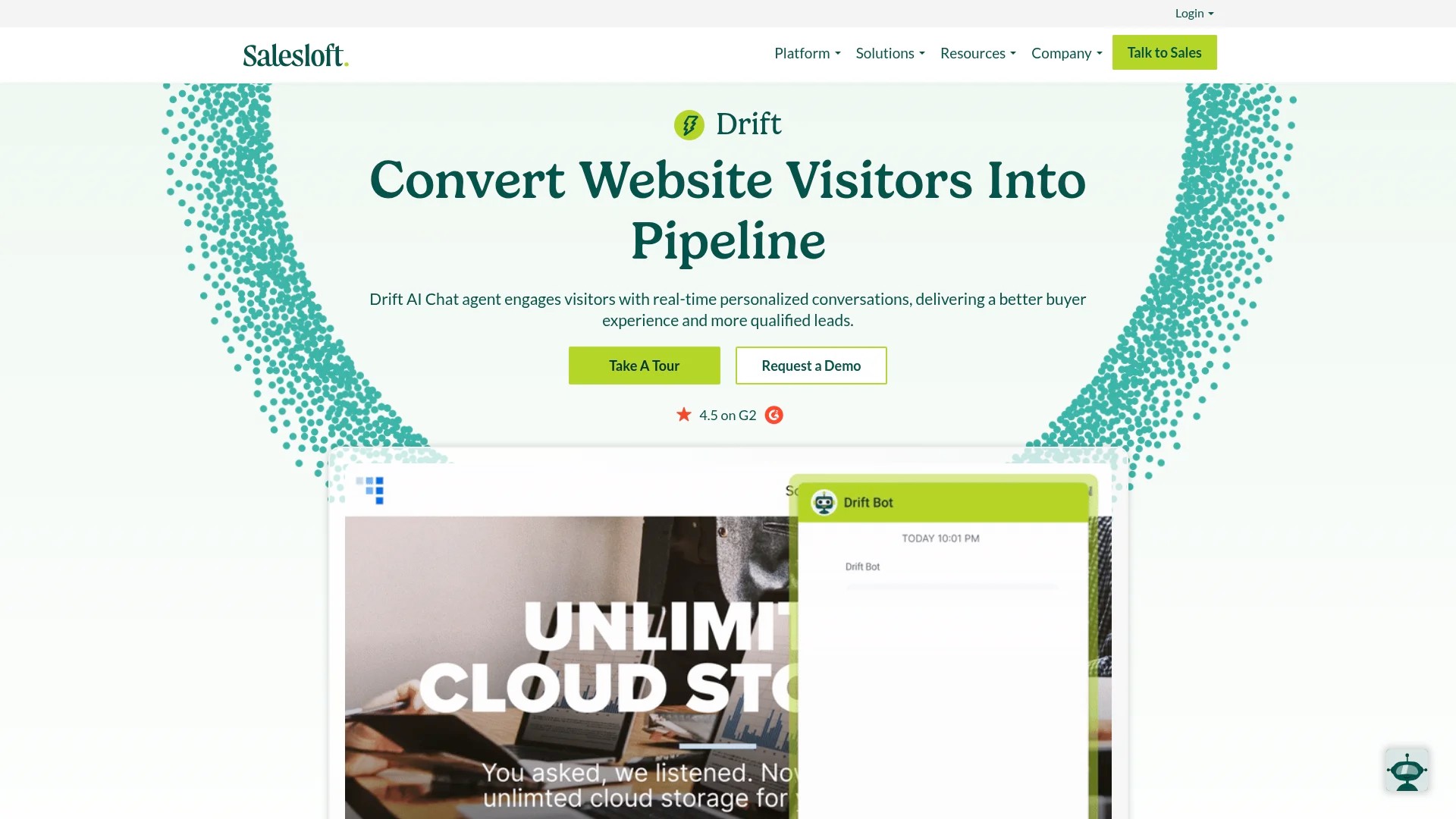
Platforms like Intercom and Drift offer sophisticated chatbot capabilities for social media integration.

Mastering social media presence with AI-driven tools includes leveraging chatbots effectively within your broader strategy.
Define clear escalation paths. AI should know when conversations need human intervention.
Conversation Design Principles
Keep responses concise and helpful. Chatbots should solve problems efficiently, not create conversational obstacles.
Provide clear options when appropriate. Multiple-choice responses help guide conversations productively.
Update chatbot knowledge regularly. AI agents need current information to provide accurate assistance.
| Chatbot Function | Customer Benefit | Brand Benefit |
|---|---|---|
| Instant Responses | Immediate help | Reduced wait times |
| 24/7 Availability | Support anytime | Lower staffing costs |
| Consistent Answers | Reliable information | Brand consistency |
11. AI-Driven Advertising Optimisation
Social media advertising has become increasingly algorithmic. AI systems now manage bidding, targeting, and creative optimisation with minimal human input.
Platforms like Facebook and Instagram use machine learning to predict which ads will perform best with specific users.
Campaign Management Strategies
Let AI handle tactical optimisation whilst humans focus on strategy. Set campaign objectives clearly, then allow algorithms to optimise delivery.
Provide diverse creative assets. AI performs best when it can test multiple variations and combinations.
Monitor performance at the campaign level. AI manages details, but humans should evaluate overall effectiveness.
Creative Testing Approaches
Upload multiple ad variations for AI testing. Platforms automatically determine which combinations perform best.
Focus on audience insights rather than manual A/B tests. AI identifies patterns across thousands of micro-variations.
Refresh creative regularly. AI optimisation works best with fresh content that hasn’t fatigued audiences.
12. Content Moderation Becomes Smarter
Protecting brand safety on social media requires constant vigilance. AI-powered moderation tools identify problematic content faster and more accurately than manual review.
These systems detect spam, harassment, and inappropriate content before it damages your brand reputation.
Moderation Tool Implementation
Platforms provide built-in moderation features. Configure these settings to match your brand’s community standards.
Third-party tools like Spectrum offer additional moderation capabilities for brands managing multiple communities.
Establish clear moderation policies before deploying AI tools. Technology enforces rules, but humans must define them.
Balancing Automation and Human Review
Use AI for initial filtering. Flag potential issues automatically whilst maintaining human final decisions.
Create appeal processes for removed content. AI makes mistakes, so provide paths for legitimate content restoration.
Review moderation decisions regularly. Audit AI systems to ensure they align with your community values.
Preparing Your Social Media Strategy for AI
These trends share a common theme: AI enhances human capabilities rather than replacing them. The most successful social media strategies combine artificial intelligence efficiency with human creativity and judgement.
Start by identifying which trends address your biggest challenges. News industry forecasts indicate many newsrooms will use AI to increase sustainability by 2026, demonstrating how AI adoption responds to specific operational needs.
Implement gradually rather than attempting everything simultaneously. Test AI tools on small campaigns before scaling across your entire social media programme.
Maintain focus on your audience throughout the process. Technology serves your marketing goals, not the reverse. Use AI to strengthen connections with your audience and deliver genuine value.
The future of AI-driven social marketing continues evolving rapidly. Stay informed about emerging capabilities whilst maintaining strategic focus on what matters most: meaningful engagement with your audience.