
The most effective content curators spend less time searching and more time adding value. Your efficiency depends on three core decisions: choosing sources that consistently deliver relevant material, establishing clear criteria for selection, and developing a systematic approach to adding commentary. Get these right, and you’ll reduce curation time by half whilst improving the quality of what you share.
Content curation has become essential for marketers who need to maintain consistent social media presence without exhausting their content creation resources. The challenge isn’t finding content anymore. It’s finding the right content quickly and presenting it in ways that serve your audience whilst establishing your expertise.
This guide walks you through practical techniques for efficient article curation. You’ll discover how to build reliable content sources, implement workflows that save hours each week, and add the editorial perspective that transforms shared articles into valuable resources. Whether you’re managing multiple social media accounts or building a newsletter, these strategies will help you curate content that genuinely connects with your audience.
What Content Curation Actually Means for Your Marketing Strategy
Content curation involves more than sharing interesting articles. It requires collecting diverse content from multiple platforms and regularly tracking its performance to implement it effectively.
A content curator selects, organises, and shares relevant content from external sources whilst adding their own insights. This differs fundamentally from content aggregation, which simply collects and republishes material without additional context or commentary.
The distinction matters because your role as a curator is to filter information through your expertise. You’re not just passing along articles. You’re interpreting their relevance for your specific audience and explaining why they should care.
Content curation works alongside your original content strategy. Most successful content marketers use a mix: creating original pieces that showcase deep expertise whilst curating complementary material that keeps their audience informed between original posts.
This balance allows you to maintain consistent presence across platforms without the unsustainable demand of producing everything yourself. Your curated content fills gaps, provides diverse perspectives, and positions you as someone who stays current with industry developments.
The Core Elements of Effective Curation
Quality content curation rests on three foundations. First, source selection determines everything downstream. Your content sources must consistently produce material your audience finds valuable.
Second, editorial judgment separates competent curators from forgettable ones. You need clear criteria for what makes content worth sharing and the discipline to apply those standards consistently.
Third, value addition transforms curation from sharing into thought leadership. Your commentary, context, and insights make shared content meaningful to your specific audience.
Why Smart Marketers Prioritise Efficient Content Curation
Content curation delivers specific advantages that make it worth optimising. Understanding these benefits helps you focus your curation efforts where they’ll have the most impact.
Time efficiency tops the list. Creating original content requires substantial research, writing, editing, and production time. Curating high-quality existing content reduces this investment whilst maintaining your publishing schedule.
According to recent research on AI-powered tools in content creation, approximately 18.1% of organisations now rely on automation for tasks like generating captions, suggesting topics, and repurposing content. This shift reflects growing recognition that efficient processes matter.

Audience engagement improves when you curate strategically. Sharing diverse perspectives and sources shows you’re plugged into your industry beyond your own viewpoint. This builds credibility and trust with your audience.
Your content strategy becomes more sustainable. The pressure to constantly produce original material can lead to burnout or declining quality. Curation provides breathing room whilst keeping your channels active and valuable.
Building Authority Through Strategic Curation
Content curation strengthens your position as an industry resource. When you consistently share valuable content with insightful commentary, people begin seeing you as a trusted filter.
This matters particularly in crowded fields where audiences struggle with information overload. Your curation helps them focus on what’s genuinely important and relevant.
The authority you build compounds over time. Each well-curated piece with thoughtful analysis reinforces your expertise and judgment. Your audience learns they can rely on you to identify what matters.
Extending Your Reach Across Multiple Platforms
Curated content adapts well across different channels. The same article might work on LinkedIn with professional commentary, on Twitter with key takeaways, and in your newsletter with deeper analysis.
Research on content marketing strategies shows that repurposing content into diverse formats like infographics expands reach across platforms whilst maximising returns over time.
This flexibility means your curation work generates value across your entire marketing presence. A single well-chosen article can fuel multiple social media posts, each tailored to its platform’s audience and norms.
Content Curation vs Content Aggregation: Understanding the Difference
The terms sound similar but represent fundamentally different approaches. Understanding this distinction shapes how you approach your curation work.
Content aggregation uses algorithms or simple RSS feeds to collect and republish content automatically. Aggregators prioritise volume and coverage over selectivity. They’re essentially news readers or content hubs.
Content curation involves human judgment and editorial perspective. Curators actively select specific pieces, provide context, and explain relevance. The human element distinguishes curation from aggregation.
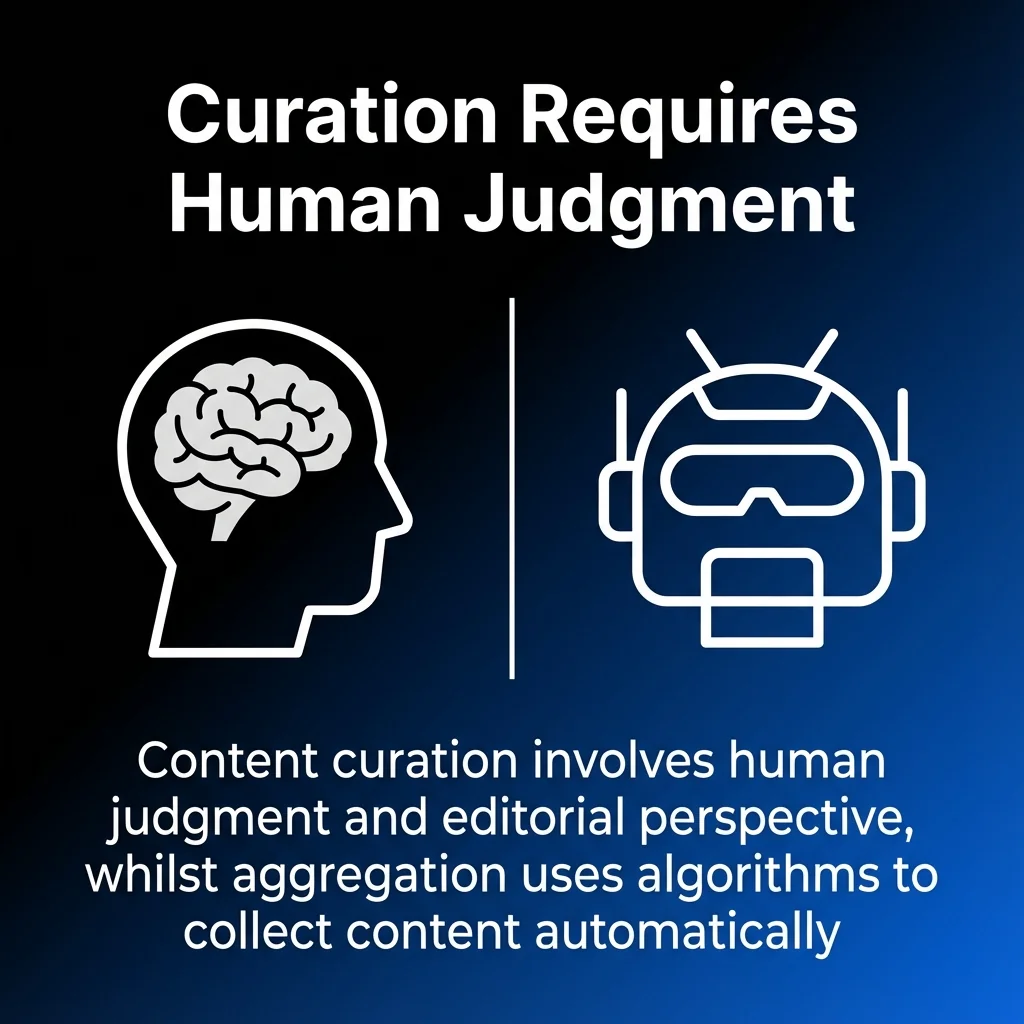
Aggregation serves readers who want comprehensive coverage of a topic. Curation serves readers who want filtered, interpreted, and contextualised information.
Why the Distinction Matters for Your Brand
Positioning yourself as a curator rather than an aggregator changes how audiences perceive you. Aggregators are utilities. Curators are experts.
Aggregation provides minimal opportunity to demonstrate your expertise or build relationships with your audience. You’re simply a conduit for information others created.
Curation creates multiple touchpoints for showcasing your knowledge. Your selection criteria, commentary, and context all communicate your understanding of your field.
Search engines and social media algorithms also treat curated content differently. Platforms increasingly reward content that adds value rather than simply redistributing existing material.
The Value You Add as a Curator
Your value as a content curator comes from filtering, interpreting, and contextualising. You save your audience time by identifying the most relevant and valuable content.
You add perspective they couldn’t get from the original source alone. Your experience and expertise help them understand why something matters and how it connects to their specific challenges.
You build connections between ideas. Great curation often involves sharing multiple sources on a theme and explaining how they relate or where they diverge.
Best Practices for Efficient and Effective Content Curation
Systematic approaches to curation save time whilst improving quality. These practices help you develop a sustainable curation process.
1. Establish Clear Selection Criteria Before You Start
Define what makes content worth sharing. Your criteria should reflect your audience’s needs and your positioning goals.
Consider relevance to your audience’s challenges, accuracy and credibility of sources, recency and timeliness, actionability of insights, and perspective diversity.
Document your criteria. When you’re reviewing potential content, clear standards speed decisions and ensure consistency.
2. Focus on Quality Over Quantity in Your Content Mix
Resist the temptation to share everything interesting you find. Your value comes from selectivity.
Sharing too much dilutes your message and overwhelms your audience. They’ll start tuning out or questioning your judgment about what’s truly important.
Aim for a sustainable cadence based on your audience’s consumption patterns. It’s better to share fewer pieces with substantive commentary than flood channels with minimal-value shares.
3. Add Your Unique Perspective to Every Curated Piece
Never share content without commentary. Your insights transform curation into thought leadership.

Your commentary might highlight key takeaways, connect the content to recent industry developments, offer a contrasting viewpoint, explain implications for your audience, or share how you’ve applied similar ideas.
The commentary should be substantial enough to provide value. A single sentence rarely suffices for thoughtful curation.
4. Understand Your Audience Deeply Before Curating
Effective curation requires knowing what your audience cares about. Their needs, challenges, and interests should guide every selection decision.
Pay attention to engagement patterns. Which curated content generates conversations? What topics get ignored? Let this feedback refine your approach.
Consider where your audience is in their journey. Content that excites experts might overwhelm beginners. Match your curation to your specific audience’s knowledge level.
5. Create a Consistent Editorial Voice Across Curated Content
Your commentary should sound like you across all curated pieces. This consistency builds recognition and trust.
Develop a style guide for your curation if you’re managing a team. Cover tone, perspective, length of commentary, and formatting preferences.
Consistency doesn’t mean repetition. Your voice can remain consistent whilst adapting to different content types and platforms.
6. Balance Curated Content with Original Content Strategically
Most content strategies benefit from mixing original and curated material. The ideal ratio depends on your resources and goals.
A common approach uses the 70-20-10 rule: 70% curated content, 20% shared or collaborative content, and 10% original content. Adjust based on your capacity and audience expectations.
Use original content for your most important messages and unique insights. Use curated content to maintain presence and provide diverse perspectives between original pieces.
7. Schedule and Batch Your Curation Work for Efficiency
Block dedicated time for content discovery and curation. Batching this work is more efficient than scattering it throughout your week.
Many successful curators dedicate specific times for discovery, selection, and scheduling. This creates routine and prevents curation from consuming your entire day.
Use scheduling tools to plan curated content in advance. This maintains consistency even during busy periods.
8. Always Credit Sources and Respect Copyright
Ethical curation requires proper attribution. Always link to original sources and credit authors.
Don’t simply copy entire articles. Share excerpts or summaries with links to the full piece. This respects copyright whilst driving traffic to original creators.
Building relationships with content creators benefits everyone. Many will appreciate thoughtful curation that expands their reach.
Finding and Sourcing Quality Content Efficiently
Your content sources determine your curation quality. Building reliable discovery channels is essential for efficiency.
Build a Curated List of Trusted Content Sources
Start by identifying publications, blogs, and experts who consistently produce relevant content. Quality sources reduce the time you spend filtering.
Look for sources that match your values, maintain high standards, cover your audience’s interests, and publish regularly enough to stay current.
Maintain an organised list of these sources. Review and update it quarterly as new sources emerge and others decline.
Use RSS Feeds for Centralised Content Discovery
RSS feeds remain one of the most efficient content discovery methods. They aggregate updates from multiple sources in one place.
Set up feeds from your trusted sources using an RSS reader. This creates a personalised news stream focused on your curation needs.
Organise feeds by topic or priority. This structure helps you quickly find relevant content when curating for specific themes.
Follow Strategic Social Media Accounts and Hashtags
Social media platforms, particularly Twitter and LinkedIn, offer real-time content discovery. Follow thought leaders and monitor relevant hashtags.
Create lists or use platform features to organise accounts by topic. This prevents your main feed from overwhelming your curation work.
Monitor trending topics in your industry. These often surface timely content worth curating whilst it’s still fresh and relevant.
Set Up Google Alerts for Targeted Content Discovery
Google Alerts notify you when new content appears on topics you specify. This passive discovery method works well for niche subjects.
Create alerts for key industry terms, competitor names, emerging trends, and your specific expertise areas.
Review alerts regularly but don’t feel obligated to act on every result. They’re discovery tools, not action requirements.
Leverage Content Discovery Platforms
Specialised content discovery tools help you find relevant articles across the web. These platforms often use AI to learn your preferences over time.
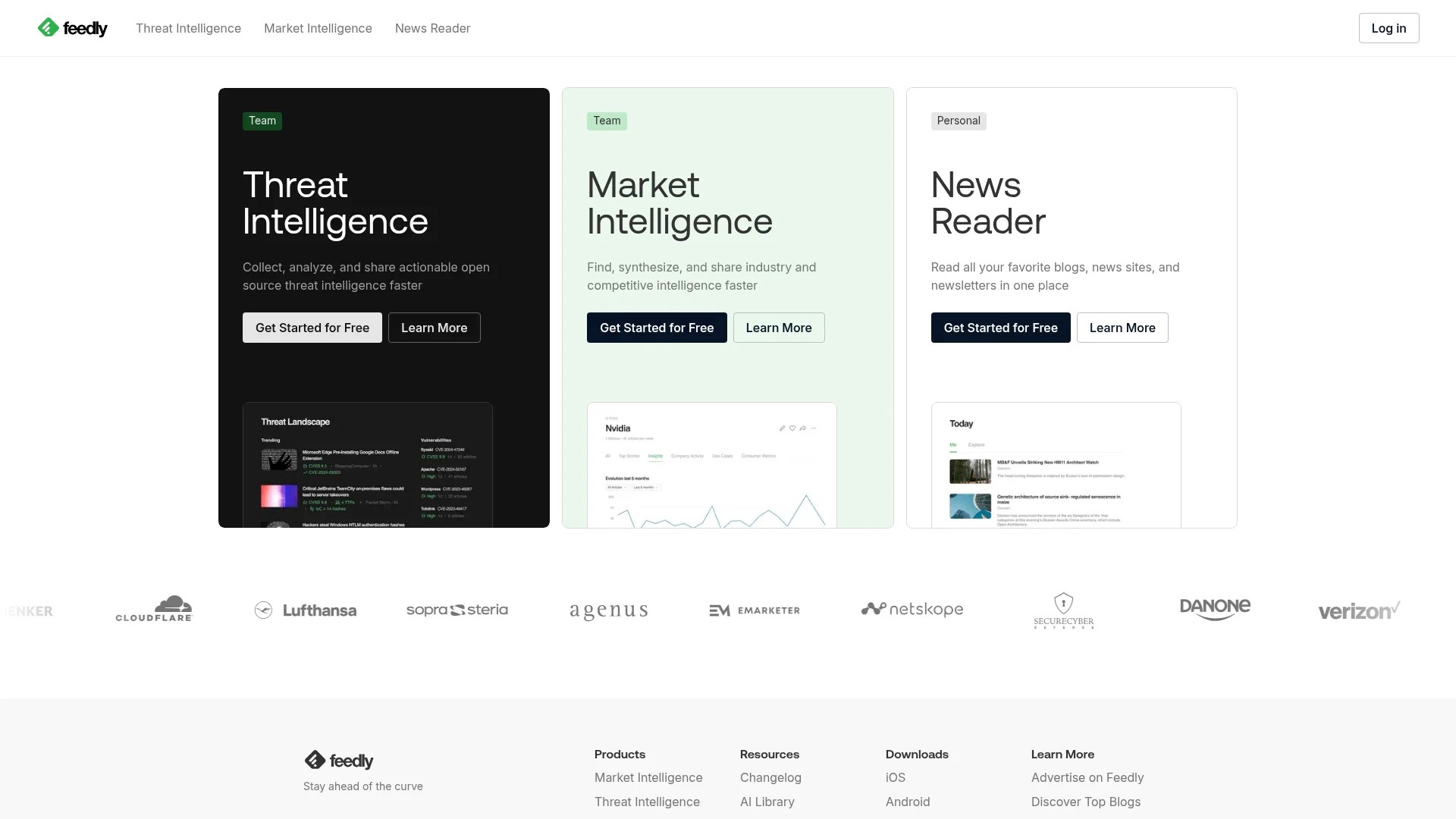
Feedly serves as a centralised RSS reader that aggregates content from your chosen sources. It offers AI-powered recommendations and lets you organise feeds by topic.
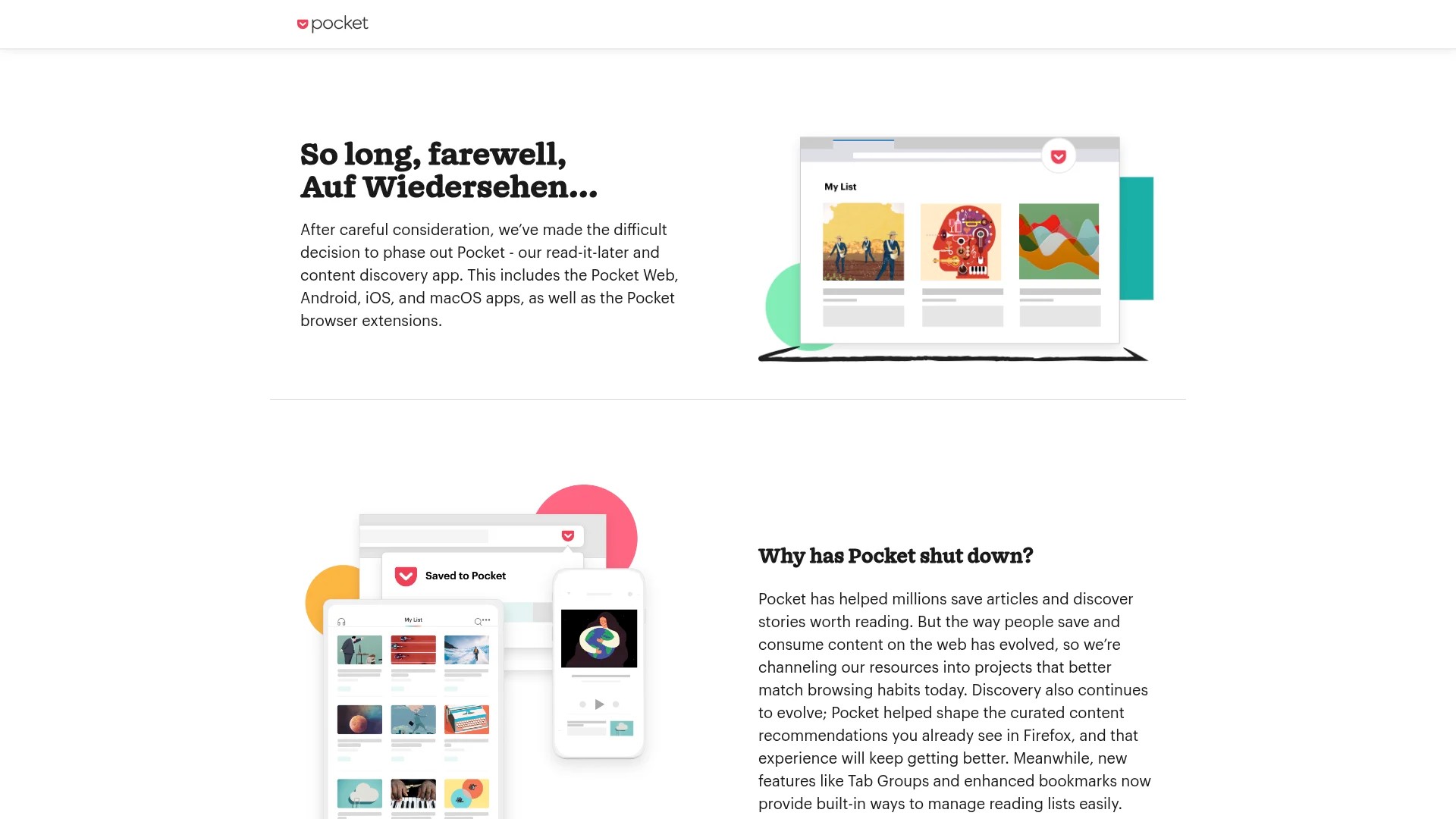
Pocket allows you to save articles for later review. It strips away clutter and lets you tag content for easy retrieval when you’re ready to curate.
Flipboard provides a magazine-style reading experience. It’s particularly useful for visual content discovery and can help you identify trending topics in your industry.

For organisations looking at automation, AI-powered tools support content curation tasks like generating captions and suggesting topics.
Adding Value Through Editorial Context and Unique Insights
Your commentary transforms shared content into valuable curation. This section explores how to add meaningful insights consistently.
Develop Your Commentary Framework
Create a mental framework for approaching commentary. Consider what your audience needs to understand or do with this information.
Ask yourself: Why does this matter now? How does this affect my audience specifically? What’s the broader context? Where do I agree or disagree? What should readers do with this information?
Your framework ensures you consistently add value rather than simply summarising.
Connect Curated Content to Current Developments
Help your audience understand how content relates to recent industry changes or events. This contextualisation demonstrates your awareness of the field.
Timeliness matters. Commentary that connects content to current discussions feels more relevant and engaging.
Look for patterns across multiple pieces. Your ability to synthesise information from various sources adds significant value.
Offer Contrasting or Complementary Viewpoints
You don’t need to agree with everything you curate. Sharing content with a thoughtful counterpoint can spark valuable discussions.
When you disagree, explain why respectfully and substantively. This demonstrates critical thinking and deepens engagement.
When you agree, add examples or additional evidence. Build on strong content rather than simply endorsing it.
Share Practical Applications and Action Steps
Help your audience bridge the gap between information and implementation. What can they do with these insights?
Specific, actionable commentary increases the value of curated content. You’re not just informing, you’re enabling.
Consider including questions that encourage your audience to reflect on how the content applies to their situations.
Highlight Key Takeaways for Busy Readers
Many people won’t read entire articles you share. Your commentary can surface the most important points.
Pull out insights that are particularly relevant to your audience. This saves them time whilst ensuring they capture value even if they don’t click through.
Balance this with encouraging deeper engagement for those with time and interest. Your highlights should complement, not replace, the original content.
Essential Content Curation Tools and Platforms
The right curation tools streamline your workflow and improve consistency. This section covers practical options for different curation needs.
Content Discovery and Organisation Tools
Feedly serves as a centralised RSS reader that aggregates content from your chosen sources. It offers AI-powered recommendations and lets you organise feeds by topic.
Pocket allows you to save articles for later review. It strips away clutter and lets you tag content for easy retrieval when you’re ready to curate.
Flipboard provides a magazine-style reading experience. It’s particularly useful for visual content discovery and can help you identify trending topics in your industry.
For organisations looking at automation, AI-powered tools support content curation tasks like generating captions and suggesting topics.
Social Media Management and Scheduling Platforms
Buffer simplifies scheduling curated content across multiple social media platforms. Its clean interface and analytics help you track engagement.

Hootsuite offers comprehensive social media management with scheduling, monitoring, and analytics. It works well for teams managing multiple accounts.
Quuu automates aspects of content curation by selecting and posting relevant topics to social media profiles. It saves time whilst maintaining consistent posting schedules.
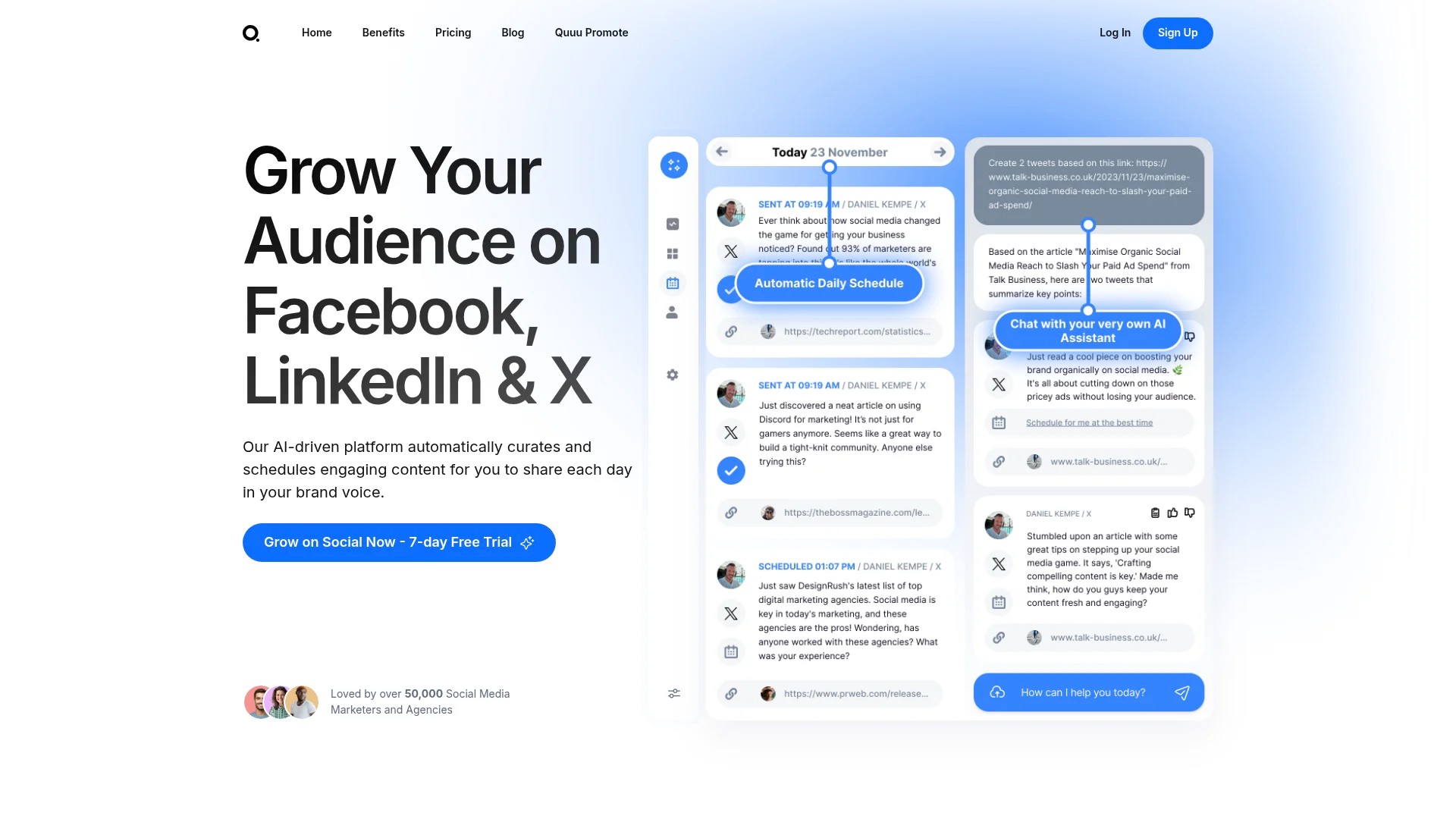
These scheduling tools help you maintain consistent presence without manually posting throughout the day.
Content Curation Platforms with Built-In Features
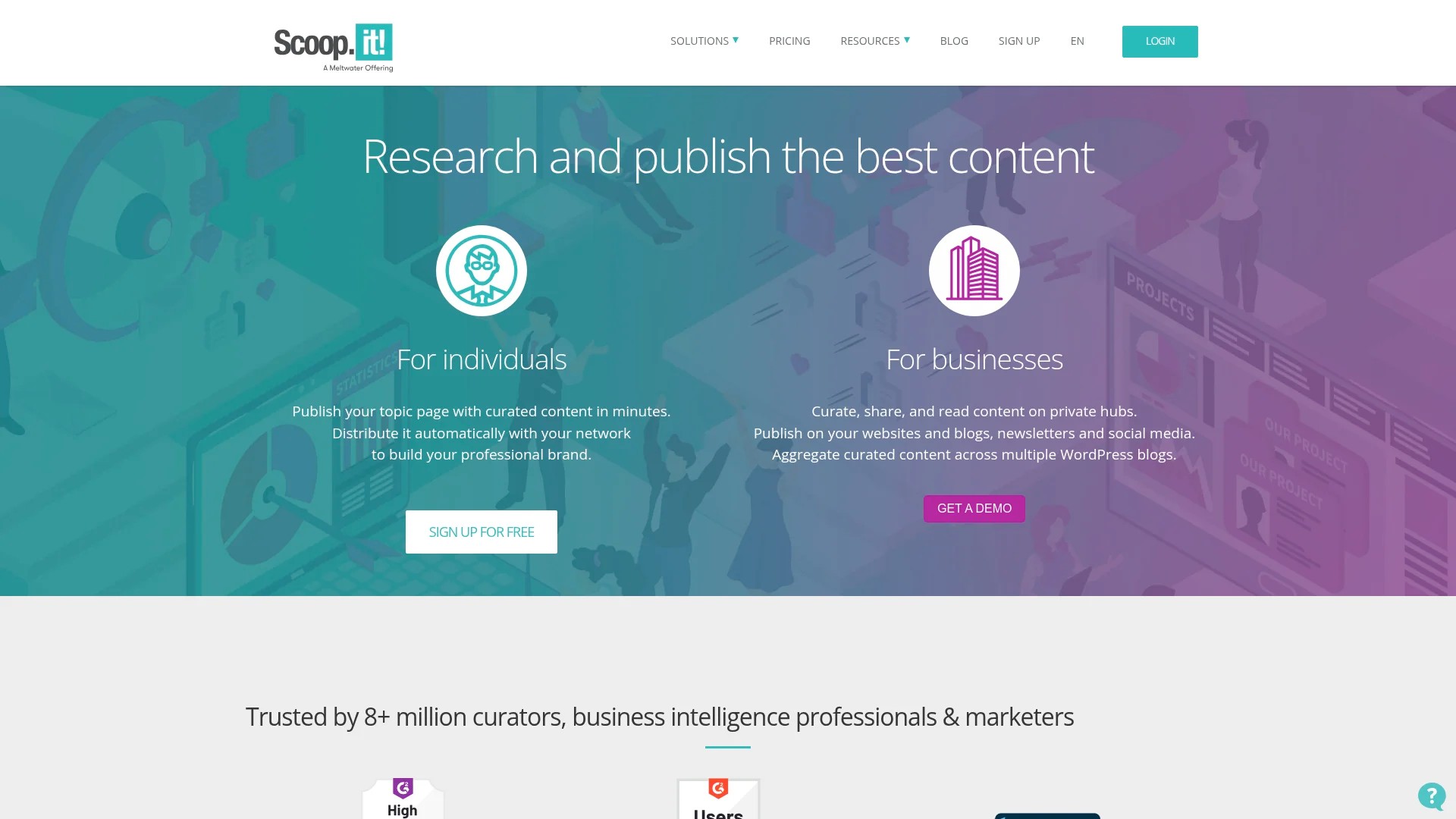
Scoop.it combines content discovery with curation-specific publishing tools. You can create topic pages and share curated collections.
Curata targets enterprise content marketing with AI-powered discovery and workflow management. It’s designed for teams with substantial curation needs.
Taggbox supports social media platforms including Instagram, Facebook, and YouTube, according to their platform features. It includes moderation capabilities and supports diverse content types.
Analytics and Performance Tracking Tools
Google Analytics helps you track which curated content drives traffic to your website. Understanding performance guides future curation decisions.
Native platform analytics from LinkedIn, Twitter, and Facebook show engagement patterns on curated posts. Monitor these regularly to refine your approach.
Most social media management tools include analytics features. Use these to compare performance across different content types and sources.
Collaboration Tools for Team Curation
Slack or Microsoft Teams facilitate team content sharing. Create channels for potential curation candidates and discuss which pieces to use.
Trello or Asana help teams manage curation workflows. Track content through stages from discovery to publication.
Collaboration tools become essential when multiple people contribute to your curation process. They prevent duplication and ensure consistent quality.
Building Your Content Curation Workflow
A systematic workflow ensures consistent, efficient curation. This section outlines practical process steps you can implement immediately.
Design Your Weekly Curation Schedule
Block specific times for each curation phase. Most efficient curators separate discovery, selection, and publishing into distinct activities.
Consider scheduling discovery sessions early in the week. This gives you time to craft thoughtful commentary before publishing.
Batch similar tasks together. Review all potential content in one session. Write all commentary in another. Schedule everything in a third.
This batching reduces context switching and improves both speed and quality.
Create Your Content Review and Selection Process
Establish clear steps for evaluating potential content. This prevents decision fatigue and ensures consistency.
Your process might include: quick scan for relevance, deeper read for accuracy and quality, assessment against selection criteria, decision to curate or pass, and tagging by topic or platform.
Document your process so team members or future you can follow it consistently.
Develop Templates for Your Commentary
Templates don’t mean formulaic content. They provide structure that speeds writing whilst ensuring you cover essential elements.
A basic template might include: brief content summary, why this matters to your audience, key insight or takeaway, and call to action or reflection question.
Adapt your templates to different platforms and content types. LinkedIn commentary might be longer and more professional than Twitter posts.
Build Your Editorial Calendar
Plan curated content alongside original content in a unified calendar. This ensures balanced coverage and prevents gaps.
Include key dates, industry events, and seasonal topics in your calendar. These help you identify relevant content to curate proactively.
Review your calendar weekly. Adjust planned curation based on emerging developments or performance of previous posts.
Establish Quality Control Checkpoints
Before publishing curated content, verify: accurate attribution and links, relevant commentary that adds value, appropriate tone for the platform, alignment with your brand voice, and proper formatting and tags.
For teams, consider having a second person review curated content. Fresh eyes catch issues and improve consistency.
Track Performance and Iterate
Monitor which curated content resonates with your audience. Look at engagement metrics, click-through rates, and comments or discussions.
Use this data to refine your selection criteria and commentary approach. Double down on what works and adjust what doesn’t.
Review your overall curation strategy quarterly. Are you achieving your goals? Where can you improve efficiency or effectiveness?
Maintain Relationships with Content Creators
When you regularly curate someone’s content, consider connecting with them. Many creators appreciate thoughtful curation.
Tag original authors when you share their content on social media. This acknowledges their work and often leads to reciprocal engagement.
Building these relationships can lead to collaboration opportunities and access to content before it’s widely distributed.
Moving Forward with Efficient Content Curation
Efficient content curation combines systematic processes with genuine editorial judgment. You’ve now got frameworks for finding quality content, adding meaningful insights, and maintaining consistent publishing schedules.
Start by implementing one or two key practices from this guide. Perhaps establish your core content sources this week. Next week, develop your commentary framework. Build your curation capability gradually rather than attempting everything at once.
The most successful content curators view their work as service to their audience. Your curation saves people time whilst helping them stay informed and make better decisions. This perspective ensures your curation remains valuable rather than perfunctory.
Remember that efficiency shouldn’t compromise quality. The goal is to curate effectively without exhausting your resources. With the right sources, tools, and workflows, you’ll discover that thoughtful curation takes less time than you might expect whilst delivering substantial value to your audience and your brand.
For more insights on building your curation strategy, explore our 8 content curation strategies and ultimate guide to content curation tools. If you’re interested in how AI is changing curation practices, our guide on AI-powered content curation strategies for social media offers practical applications for modern marketers.