
Social media success depends on understanding what’s working, what’s failing, and where opportunities hide. A social content audit reveals these insights by systematically evaluating your content performance across all platforms. You’ll identify top-performing posts, spot consistency gaps, and align your strategy with business goals.
Most marketers post content without analysing results. They create, publish, and move on to the next update. This approach wastes resources and misses optimisation opportunities.
A proper social content audit changes this pattern. You’ll gather performance data, evaluate content quality, and make evidence-based decisions. The process takes time upfront but saves countless hours of guesswork later.
This guide walks you through each step with practical checklists and tools. You’ll create a content inventory, analyse engagement metrics, and develop actionable improvements. By the end, you’ll have a clear roadmap for optimising your social media presence and achieving measurable results.
What Is a Social Media Content Audit?
A social media content audit is a systematic review of your published posts across all platforms. You examine what you’ve shared, how audiences responded, and whether content supports your marketing objectives.
This process differs from casual analytics checks. A social media content audit typically begins with creating an inventory of all posts across platforms. You document every piece of content, its format, publishing date, and performance metrics.

The audit reveals patterns in your content strategy. You’ll discover which topics resonate with your target audience, which formats drive engagement, and which posts fall flat despite your efforts.
Think of it as a health check for your social media strategy. Just as financial audits review accounts, a content audit examines your digital assets to ensure they’re delivering value and meeting business goals.
Why Regular Audits Matter
Social media platforms evolve constantly. Algorithms change, audience preferences shift, and new features emerge. Content that performed brilliantly six months ago might barely register today.
Regular audits keep your strategy current. You adapt to platform changes, respond to audience feedback, and eliminate approaches that no longer work.
Without audits, you’re navigating blind. You might continue investing time in underperforming platforms whilst missing opportunities on channels where your audience actively engages.
Benefits of Conducting a Social Media Audit
A thorough audit delivers multiple advantages that directly impact your marketing results. These benefits extend beyond simple analytics to strategic improvements across your entire social presence.
Identify Your Top-Performing Content
Audits reveal which posts generate the strongest response from your target audience. You’ll see patterns in successful content that weren’t obvious during day-to-day management.
Perhaps your how-to videos consistently outperform product announcements. Maybe posts with customer testimonials drive more website traffic than promotional content. These insights guide future content creation.
Understanding top-performing posts helps you replicate success. You can identify the topics, formats, and posting times that maximise engagement rate and reach.
Improve Brand Consistency Across Platforms
Different team members managing various social media accounts can create inconsistencies. Your brand voice might sound professional on LinkedIn but casual on Twitter, confusing your target audience.
Audits expose these discrepancies. Communications audits emphasize reviewing all materials for cohesive messaging across channels. You’ll ensure profile images, bios, and messaging align with your brand guidelines.
Consistency builds trust. When audiences encounter the same brand personality across platforms, they develop stronger connections with your business.
Optimise Resources and Budget Allocation
Many businesses waste resources on underperforming platforms. You might dedicate hours to Pinterest when your audience primarily engages on Instagram and LinkedIn.
Audits show where to invest your time and budget. You’ll make data-driven decisions about which social media platforms deserve more attention and which to scale back or abandon.
This optimisation improves your return on investment. You concentrate efforts on channels that deliver measurable business results rather than maintaining presence everywhere.
Align Content With Business Goals
Social media activity should support specific objectives like brand awareness, lead generation, or customer retention. Without regular review, content drifts from these targets.
Audits reconnect your social media strategy with business goals. You’ll evaluate whether your posts drive desired actions and adjust your approach accordingly.
This alignment ensures social media contributes to company growth rather than existing as an isolated marketing activity.
Preparing for Your Social Media Content Audit
Proper preparation streamlines the audit process and ensures you gather relevant data. Taking time to organise upfront saves frustration during the analysis phase.
Define Clear Objectives and Goals
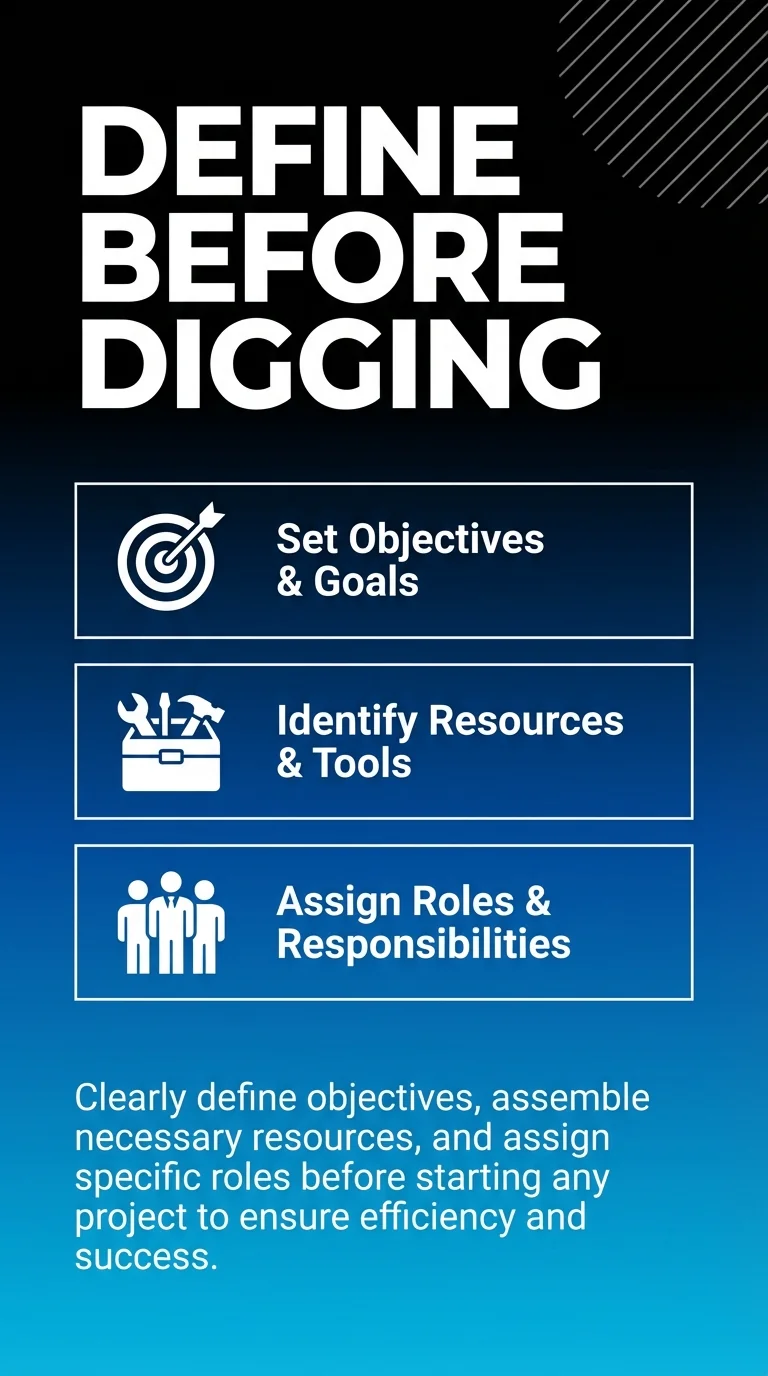
Pre-audit checklist essentials include defining clear objectives and goals, selecting appropriate tools, and assigning team roles. Start by identifying what you want to learn from the audit.
Are you trying to improve engagement metrics? Increase website traffic? Identify content gaps? Better understand audience demographics?
Specific objectives guide your data collection. If you’re focused on engagement rate, you’ll prioritise likes, comments, and shares. If traffic matters most, you’ll emphasise click-through rates and conversions.
Write down your objectives before starting. This creates accountability and helps you stay focused during the audit process.
Select Your Audit Tools
The right tools simplify data gathering and analysis. Native platform analytics like Facebook Insights, Instagram Insights, and Twitter Analytics provide essential performance metrics.
Social media management platforms like Hootsuite, Buffer, or Sprout Social consolidate data from multiple platforms. They save time when you’re managing several social media accounts simultaneously.
Google Analytics tracks traffic and conversions from social media to your website. This connection between social activity and business results proves marketing value.
Choose tools that match your objectives and budget. Free options work well for basic audits, whilst paid platforms offer deeper analytics for complex needs.
Assemble Your Audit Team
Decide who will participate in the audit process. For small businesses, this might be one person. Larger organisations may involve social media managers, content creators, and marketing directors.
Assign specific responsibilities to each team member. Who will gather data? Who will analyse metrics? Who will create the action plan?
Clear role definition prevents duplicated effort and ensures nothing gets overlooked during the audit.
Step 1: Create an Inventory of All Social Media Profiles
Your first task is documenting every social media account associated with your business. This inventory forms the foundation for your entire audit.
Find All Active and Inactive Accounts
List every platform where your brand has a presence. Include obvious ones like Facebook, Instagram, LinkedIn, and Twitter. Don’t forget platforms you might have abandoned like Google My Business, Pinterest, TikTok, or YouTube.
Search for unofficial accounts too. Sometimes employees or enthusiastic customers create profiles using your brand name. These unauthorised accounts can damage your brand consistency if left unchecked.
Document the following for each profile:
- Platform name and profile URL
- Account creation date
- Current status (active, inactive, archived)
- Primary contact or manager
- Follower or subscriber count
Organise Your Inventory
Create a spreadsheet to track all social media profiles in one place. This becomes your master reference document throughout the audit.
Include columns for each data point you’ll analyse. Platform, handle, follower count, posting frequency, and engagement metrics create a useful starting template.
Update this inventory regularly, not just during audits. When you launch new social media accounts or close old ones, document the changes immediately.
Categorise by Priority
Not all platforms deserve equal attention. Rank your social media profiles by importance to business goals.
Your primary platforms might include Facebook, LinkedIn, and Instagram if that’s where your target audience spends time. Secondary platforms could be Twitter or YouTube if you maintain presence but invest fewer resources.
This prioritisation helps you allocate audit time effectively. Spend more effort analysing platforms that drive meaningful results and less on vanity accounts.
Step 2: Check Branding and Consistency Across Platforms
Now that you’ve documented all social media accounts, examine how consistently your brand appears across them. Small inconsistencies confuse audiences and dilute brand recognition.
Audit Visual Elements
Review profile images across all platforms. Are you using the same logo or headshot? Images should be identical or very similar to create instant recognition.
Check cover photos and banners. Whilst these can vary by platform due to different dimensions, they should share visual elements like colours, fonts, and style.
Examine the quality of all images. Pixelated or stretched images look unprofessional and suggest neglect.
Review Written Content
Read through bios and descriptions on each social media profile. Do they communicate the same value proposition? Use similar language and tone?
Your LinkedIn bio might be more formal than your Instagram description, but core messaging should remain consistent. What you do, who you serve, and what makes you different should be clear everywhere.
Check contact information too. Website URLs, email addresses, and phone numbers should match across all platforms. Dead links or outdated information frustrate potential customers.
Evaluate Brand Voice
Sample posts from each platform. Does your brand voice sound consistent? Or do you sound corporate on LinkedIn, casual on Twitter, and playful on Instagram?
Some variation makes sense based on platform culture. But drastic personality shifts confuse your target audience about who you really are.
Document any inconsistencies you find. These become action items for standardising your brand presence after the audit concludes.
Step 3: Analyse Engagement Metrics and Performance Data
With your inventory complete and branding reviewed, dive into the numbers. Key performance data to gather includes likes, comments, shares, and reach. This quantitative analysis reveals what’s working and what isn’t.

Gather Core Engagement Metrics
Export data from each platform’s native analytics. Focus on metrics that matter for your business goals.
Engagement rate shows how actively your audience interacts with content. Calculate it by dividing total engagements (likes, comments, shares) by reach or impressions, then multiplying by 100.
Reach measures how many unique users saw your content. This indicates your content’s visibility beyond your immediate followers.
Click-through rate reveals how often people take action after seeing your posts. This matters especially when driving traffic to your website or landing pages.
Track Growth Trends
Compare current metrics with previous periods. Are followers increasing or declining? Is engagement rate improving or stagnating?
Look for patterns over time. Perhaps engagement spikes during certain months or drops during holiday periods. Understanding these cycles helps you plan future content.
Growth analysis also reveals which platforms deserve more investment. A platform with steady follower increases and strong engagement warrants more attention than one with declining activity.
Benchmark Against Industry Standards
Research typical engagement metrics for your industry. Social media platforms and marketing research firms publish benchmark data regularly.
If your engagement rate significantly trails industry averages, you’ll need to adjust your content strategy. If you’re exceeding benchmarks, you’re doing something right and should analyse why.
Remember that benchmarks are guides, not absolutes. Your specific business goals matter more than arbitrary comparisons.
Step 4: Identify Your Top-Performing Content
Analytics show which posts resonated strongest with your target audience. These high performers reveal what to create more of and what to avoid.
Sort by Engagement Metrics
Arrange your posts by engagement rate, reach, or clicks depending on your priorities. The posts at the top represent your most successful content.
Export this data into your audit spreadsheet. Include the post content, format (image, video, link, text), publishing date, and all relevant metrics.
Look at the top 10-20 posts across each platform. Patterns will emerge that weren’t obvious when managing content daily.
Analyse Content Patterns
What do your top-performing posts have in common? Perhaps video content consistently outperforms images. Maybe questions generate more comments than statements.
Group content into topic clusters to spot gaps and evaluate cross-platform consistency. You might discover that educational content performs brilliantly whilst promotional posts fall flat.

Examine timing too. Do posts published on certain days or times generate stronger responses? This insight helps you optimise your posting schedule.
Document Underperforming Content
Low-performing posts are equally instructive. They show what your audience doesn’t want.
If certain topics consistently generate minimal engagement, stop creating that content. Redirect those resources towards topics that prove successful.
Sometimes format matters more than topic. A great idea might fail as a text post but succeed as a video. Experiment with presenting similar ideas in different formats.
Step 5: Review Audience Demographics and Insights
Understanding who engages with your content helps you create more relevant posts. Platform analytics provide detailed demographic information about your followers and engaged users.
Analyse Follower Demographics
Review age ranges, gender distribution, and geographic locations of your audience. Does this match your target audience profile?
If you’re trying to reach business professionals aged 35-50 but most followers are students under 25, there’s a disconnect. Your content or platform choice might need adjustment.
Geographic data matters especially for local businesses. If you serve customers in Manchester but most followers live in London, you’re not reaching the right people.
Understand Active Times
Analytics show when your audience is most active on each platform. Posting during these peak times increases visibility and engagement.
Active times vary by platform and audience. LinkedIn activity peaks during weekday mornings whilst Instagram engagement might be strongest during evenings and weekends.
Align your publishing schedule with these patterns. Even great content gets buried if posted when your target audience isn’t online.
Identify Audience Interests
Platform insights reveal what else your audience cares about. Facebook and LinkedIn provide particularly detailed interest data.
These interests suggest content topics your audience might enjoy. If many followers are interested in sustainability, creating content about your environmental initiatives could resonate strongly.
This information also helps you understand your audience beyond basic demographics. You’ll develop more nuanced content that speaks to their specific concerns and preferences.
Step 6: Evaluate Traffic and Conversion Tracking
Social media should drive meaningful business results, not just accumulate likes. This step connects social activity with website traffic and conversions.
Review Referral Traffic
Open Google Analytics and navigate to Acquisition > Social > Network Referrals. This shows how much traffic each social media platform sends to your website.
Compare traffic volumes across platforms. You might be surprised which channels drive the most visits versus which generate the most engagement.
Examine the quality of this traffic too. Do social visitors view multiple pages or bounce immediately? Do they spend time reading your content or leave quickly?
Track Conversions from Social Media
Define what conversions mean for your business. Newsletter signups? Product purchases? Contact form submissions? Demo requests?
Set up conversion tracking in Google Analytics to attribute these actions to specific social media platforms. This reveals which channels generate actual business results.
Calculate conversion rates by dividing conversions by total visitors from each platform. A platform with lower traffic but higher conversion rate might be more valuable than one with massive reach but few conversions.
Analyse Customer Journey
Social media often plays an assisted role in conversions. Someone might discover you on Instagram, research on your website, and convert days later through a Google search.
Review multi-channel attribution in Google Analytics. This shows how social media contributes to conversions even when it’s not the final touchpoint.
Understanding this journey helps you value social media appropriately. Platforms that introduce new audiences might not show immediate conversions but remain crucial for brand awareness.
Step 7: Document Your Findings and Create an Action Plan
You’ve gathered extensive data about your social media performance. Now transform these insights into concrete improvements.
Summarise Key Findings
Create a summary document highlighting the most important discoveries. Include both strengths to maintain and weaknesses to address.
Key findings might include:
- Which social media platforms deliver the best ROI
- Top-performing content types and topics
- Optimal posting times for each platform
- Branding inconsistencies that need correction
- Underperforming content to discontinue
Develop Specific Action Items
Transform each finding into actionable next steps. Vague goals like “improve engagement” won’t drive results. Specific actions like “increase video content from 10% to 30% of posts” create accountability.
Prioritise actions based on potential impact and required effort. Quick wins that deliver immediate improvements should come first. Larger strategic shifts can follow once you’ve built momentum.
Assign responsibility for each action item. Who will update profile bios? Who will create more video content? Who will adjust the posting schedule?
Set Measurable Goals
Define success metrics for each action item. If you’re increasing video content, set a target engagement rate to achieve. If you’re improving brand consistency, specify which elements to standardise by what date.
Create a timeline for implementation. Some improvements happen immediately whilst others require weeks or months to execute properly.
Schedule your next audit date now. Regular audits every quarter or twice yearly keep your social media strategy aligned with business goals and audience preferences.
Free Social Media Audit Template and Tools
You don’t need expensive software to conduct a thorough social content audit. Several free resources streamline the process.
Download Our Free Audit Template
A structured spreadsheet keeps your audit organised and ensures you don’t miss critical elements. Create a template including these sheets:
- Profile Inventory (all accounts with basic details)
- Content Performance (top posts by platform)
- Engagement Metrics (comparative analytics)
- Audience Demographics (follower insights)
- Action Items (prioritised improvements)
This template becomes reusable for future audits. You’ll track progress over time and spot long-term trends in your social media strategy.
Essential Free Tools
Native platform analytics provide most data you need. Facebook Insights, Instagram Insights, Twitter Analytics, and LinkedIn Analytics are completely free with a business account.
Google Analytics tracks website traffic and conversions from all social media platforms. Set up UTM parameters to track specific campaigns and posts.
Buffer and Hootsuite offer free plans with basic analytics that consolidate data from multiple platforms. These save time when managing several social media accounts.
Paid Tools for Advanced Analysis
If you need deeper insights, consider paid social media audit tools. Sprout Social provides comprehensive reporting across all major platforms with competitive benchmarking.
HubSpot connects social media analytics with your entire marketing funnel, showing how social contributes to lead generation and customer acquisition.
These tools make sense for businesses managing multiple brands or clients. For single-business audits, free options typically suffice.
Moving Forward With Your Social Media Strategy
You’ve completed your social content audit and identified concrete improvements. The real value comes from implementing these insights consistently.
Start with quick wins that deliver immediate impact. Update inconsistent profile information, discontinue underperforming content types, and adjust posting schedules to match audience activity patterns.
Then tackle larger strategic changes. Reallocate resources from low-performing platforms to high-value channels. Develop content calendars that emphasise your top-performing topics and formats. Creating a structured content calendar helps you maintain consistency whilst executing your improved strategy.
Remember that social media success requires ongoing attention, not one-time fixes. Set clear, measurable goals that align with your business objectives and track progress monthly.
Your first audit establishes a baseline. Subsequent audits measure improvement and identify new optimisation opportunities. A strong social media strategy evolves based on performance data rather than assumptions.
Schedule your next audit now. Whether quarterly or biannually, regular review keeps your social media presence aligned with audience preferences and business priorities. The insights you gain will drive better engagement, stronger brand awareness, and measurable business results.