Social media marketing depends on reaching the right audience at the right time. PostEverywhere’s free AI tool instantly generates platform-optimised trending hashtags for Instagram, TikTok, LinkedIn, and X without signup, recommending 3-5 high-volume and 5-10 niche tags for optimal reach. This approach balances broad visibility with targeted engagement.
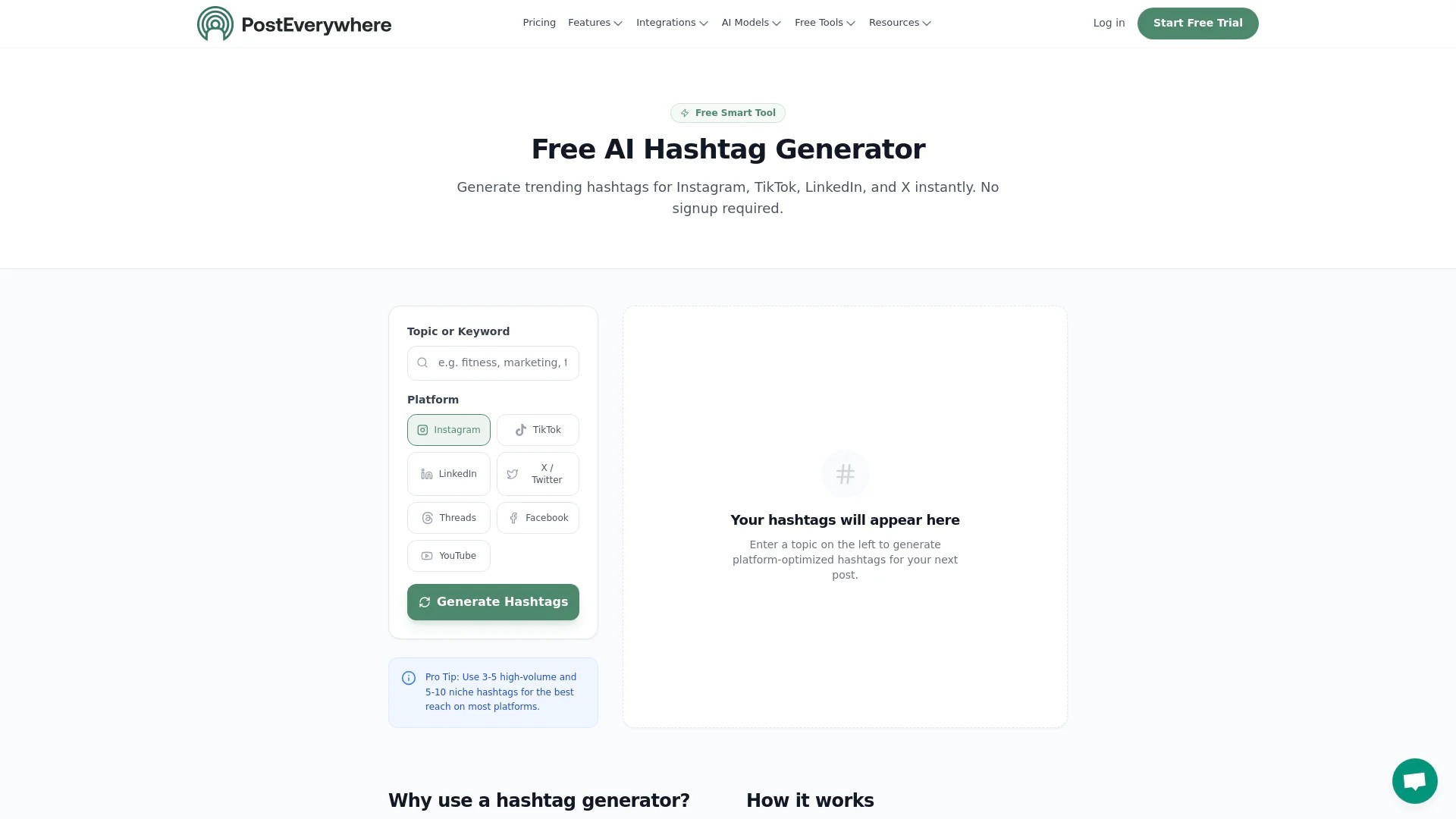
AI hashtag generators transform how marketers discover relevant hashtags for their content. Manual hashtag research takes hours and often misses trending opportunities. These tools analyse millions of posts to identify patterns that drive engagement.
You’ll learn how to use AI hashtag generators effectively across different platforms. We’ll cover best practices for each social network, explain how these tools work, and show you practical ways to maximise your content’s visibility. By the end, you’ll have a complete framework for hashtag strategy that saves time whilst increasing your reach.
What Is an AI Hashtag Generator?
An AI hashtag generator creates relevant hashtags for your social media posts using machine learning algorithms. These tools analyse your content, keywords, or images to suggest hashtags that match your topic and audience.
The technology works by processing vast amounts of social media data. It identifies patterns in successful posts and understands which hashtags correlate with higher engagement rates. This data-driven approach outperforms manual hashtag selection in most cases.
Traditional hashtag research requires checking trending pages, analysing competitors, and testing different combinations. AI tools complete this process in seconds. All-Hashtag offers a free generator with modes for top, random, or live trending hashtags from any keyword, delivering 30 copy-paste-ready suggestions ideal for beginners.
These generators serve multiple platforms simultaneously. Instead of researching hashtags separately for Instagram, TikTok, and LinkedIn, you receive platform-specific recommendations from one tool. This efficiency matters for busy marketers managing multiple social media accounts.
The best AI hashtag generators combine trending hashtags with niche-specific options. This balance helps your content appear in both popular searches and targeted communities. High-frequency hashtags provide immediate visibility whilst niche hashtags attract engaged followers interested in your specific content.
How to Use Our Free AI Hashtag Generator
Getting started with an AI hashtag generator takes less than a minute. Most tools follow a simple three-step process that requires no technical knowledge or signup barriers.
Step 1: Enter Your Content Keywords
Type a few words describing your post into the generator’s input field. Be specific about your content topic rather than using generic terms. For example, “sustainable fashion tips” works better than just “fashion”.
Some generators accept different input types. You might upload an image, paste your caption, or provide a brief description. The more context you give, the more relevant your hashtag suggestions become.
Step 2: Review Generated Hashtags
The AI tool presents a list of hashtags ranked by relevance and popularity. Most generators categorise suggestions into groups like trending, popular, and niche-specific options.
RiteTag’s free browser extension provides colour-coded instant suggestions with green for immediate visibility and blue for long-term reach from images or text across Instagram, X, and Facebook. This visual system helps you quickly identify which hashtags serve different strategic purposes.
Review the suggested hashtags for accuracy. Ensure they match your content and brand voice. Remove any that seem irrelevant or off-topic even if they’re popular.
Step 3: Copy and Apply to Your Posts
Select the hashtags that best fit your content strategy. Most tools provide a simple copy button to grab your chosen hashtags instantly.
Paste the hashtags into your social media post. Position varies by platform. Instagram users often add hashtags in the first comment, whilst TikTok creators include them in captions. LinkedIn posts typically use 3-5 hashtags maximum within the post itself.
Track which hashtags drive the most engagement. This data helps you refine future selections and understand what resonates with your audience.
Key Features of Our Hashtag Generator
Modern AI hashtag generators offer capabilities beyond simple keyword matching. Understanding these features helps you choose the right tool and maximise its potential for your social media strategy.
Multi-Platform Support
Different social networks favour different hashtag strategies. A robust generator provides platform-specific recommendations optimised for Instagram, TikTok, LinkedIn, Facebook, Twitter, YouTube, and Pinterest.
Each platform has unique hashtag cultures. Instagram rewards diverse hashtag sets, whilst LinkedIn prefers fewer, more professional tags. Your generator should understand these distinctions and adapt suggestions accordingly.
Trending Hashtag Detection
Trending hashtags change constantly based on current events, seasonal topics, and viral content. AI tools monitor these shifts in real-time to suggest hashtags gaining momentum.
Timing matters with trending hashtags. Using them whilst they’re rising provides maximum visibility. Once they peak and decline, engagement drops significantly. Good generators indicate trend status so you can make informed decisions.
Niche-Specific Targeting
Generic hashtags attract large audiences but face intense competition. Niche hashtags connect you with smaller, highly engaged communities interested in specific topics.
The best generators balance both approaches. They suggest a mix of high-volume hashtags for reach and targeted hashtags for engagement. This strategy helps content get discovered whilst building meaningful connections with your ideal audience.
AI-Powered Relevance Scoring
Not all hashtags suit every post. Advanced generators analyse your specific content to score hashtag relevance. This prevents mismatched tags that might attract the wrong audience or appear spammy.
Eclincher integrates free hashtag research into its social management workflow, tracking mentions and using AI to generate optimised captions alongside analytics. This integration streamlines your content creation process by connecting hashtag strategy with broader social media management.
Zero Barriers to Entry
Quality hashtag generators require no signup, payment, or complicated setup. You simply visit the tool, enter your keywords, and receive suggestions immediately. This accessibility makes professional hashtag research available to everyone regardless of budget or technical expertise.
Hashtag Best Practices to Maximise Your Reach
Effective hashtag use requires more than just adding popular tags to your posts. These evidence-based practices help you build a sustainable strategy that increases visibility and engagement across platforms.
Mix High-Volume and Niche Hashtags
Combine popular hashtags with specific ones to balance reach and engagement. High-volume tags expose your content to larger audiences but face more competition. Niche hashtags attract fewer people but those users actively seek your content type.
A good ratio includes 30% trending hashtags, 50% niche-specific hashtags, and 20% branded hashtags. This distribution provides immediate visibility whilst building long-term community connections.

Research Your Hashtags Before Using Them
Check each hashtag’s recent posts before adding it to your content. Some hashtags attract spam or inappropriate content that could damage your brand association. Others might have different meanings in various communities.
Review the top posts using each hashtag. If your content quality matches or exceeds what’s currently performing well, you’ve found a good fit. If existing content seems far more polished or professional, consider alternative hashtags where you can stand out.
Update Your Hashtag Strategy Regularly
Hashtag effectiveness changes over time. What worked last month might underperform today. Review your analytics monthly to identify which hashtags drive the most engagement, followers, and conversions.
Refresh your hashtag sets seasonally. Holiday content, industry events, and cultural moments create opportunities for timely hashtags that boost visibility. AI generators help identify these emerging opportunities.
Avoid Banned or Flagged Hashtags
Social media platforms occasionally ban hashtags associated with spam or inappropriate content. Using these tags can limit your content’s reach or trigger algorithmic penalties.
Check hashtag status before adding them to posts. Search the hashtag on its intended platform and note whether recent posts appear. If the tag shows no recent activity despite apparent popularity, it might be shadowbanned.
Keep Hashtags Relevant to Your Content
Every hashtag should relate directly to your post’s topic, image, or message. Irrelevant hashtags might generate initial views but fail to produce engagement or followers genuinely interested in your content.
Relevance builds trust with your audience. Users who find your content through specific hashtags expect that content to match their search intent. Meeting this expectation increases likes, comments, shares, and follows.
Test Different Hashtag Combinations
Run controlled experiments with different hashtag sets to identify what works for your specific audience. Create similar posts with varied hashtag strategies and compare performance after 48 hours.
Track metrics beyond just likes. Monitor saves, shares, profile visits, and follower growth to understand true engagement impact. These deeper metrics reveal which hashtags attract your ideal audience rather than passive scrollers.
Position Hashtags Strategically
Hashtag placement affects both aesthetics and performance. Instagram users debate caption versus comment placement, whilst TikTok rewards integrated captions. Test both approaches to see what your audience prefers.
Consider readability alongside strategy. Dense hashtag blocks can overwhelm readers and reduce caption engagement. Space them naturally within your text or group them at the end for cleaner presentation.
How Many Hashtags Should You Use?
Each social media platform has different hashtag norms and limits. Using the optimal number for each network maximises your content’s discoverability whilst maintaining professionalism.
Instagram Hashtag Strategy
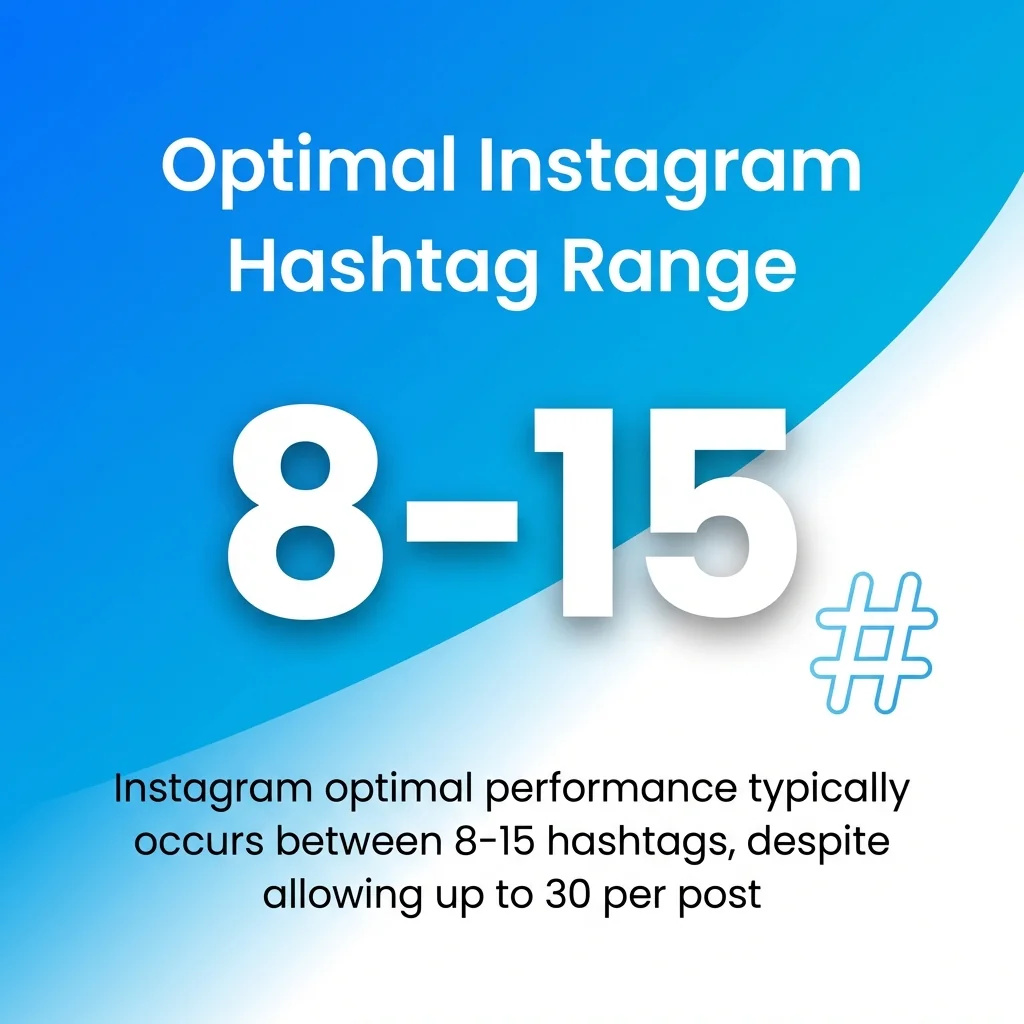
Instagram allows up to 30 hashtags per post, but optimal performance typically occurs between 8-15 hashtags. Recent platform changes emphasise relevance over quantity, so focused hashtag sets often outperform maximum limits.
Instagram Reels benefit from slightly different strategies. Use 3-5 highly relevant hashtags that describe your video content. The platform’s algorithm prioritises video content quality and watch time over hashtag volume.
Stories support up to 10 hashtags, but 3-5 works best for engagement. Hide hashtags behind stickers or shrink them to maintain visual appeal whilst still gaining searchability benefits.
TikTok Hashtag Guidelines
TikTok recommends 3-5 hashtags per video. The platform’s algorithm relies more on content understanding than hashtag signals, so quality matters significantly more than quantity.
Mix trending TikTok hashtags with niche-specific options. Include at least one broad category hashtag like #fyp or #foryou, one niche hashtag describing your content type, and one trending hashtag relevant to your video. This combination balances algorithmic distribution with targeted discovery.
LinkedIn Best Practices
LinkedIn posts perform best with 3-5 hashtags maximum. The professional platform favours quality and relevance over volume. Using too many hashtags appears spammy and reduces post credibility.
Focus on industry-specific and topic-relevant hashtags. LinkedIn users search hashtags to find professional content and thought leadership. Choose hashtags your target audience actively follows rather than generic popular tags.
Twitter and X Recommendations
Twitter posts should include 1-2 hashtags maximum. The character limit makes hashtag efficiency crucial. More hashtags reduce engagement because they consume valuable caption space and appear promotional.
Select hashtags that add context or connect your post to larger conversations. Join trending topics when genuinely relevant, but avoid forced connections that seem opportunistic.
Facebook Hashtag Usage
Facebook supports hashtags but they provide minimal discovery benefits compared to other platforms. Use 1-3 hashtags only when they add meaningful context or connect to campaigns.
Facebook’s algorithm prioritises engagement signals over hashtag indexing. Focus on compelling content and community building rather than hashtag optimisation for this platform.
YouTube and Pinterest Approaches
YouTube allows hashtags in video descriptions and titles. Use 3-5 relevant hashtags in descriptions. The first three hashtags appear above your video title, so choose these carefully.
Pinterest recommends 2-5 hashtags per pin. The platform’s visual search capabilities mean hashtags play a supporting role rather than primary discovery mechanism. Focus on detailed pin descriptions with natural keyword integration.
Why Use an AI-Powered Hashtag Generator?
Manual hashtag research consumes valuable time that could go towards content creation or community engagement. AI generators complete in seconds what would take humans hours, fundamentally changing how we approach social media optimisation.
Save Time on Research
Traditional hashtag research requires checking trending pages, analysing competitor posts, and testing different combinations across multiple platforms. This process can take 30-45 minutes per post.
AI hashtag generators reduce this to under a minute. You maintain posting consistency without sacrificing hashtag quality. For businesses managing multiple accounts or posting daily, this time savings compounds significantly.
Access Data-Driven Recommendations
AI tools analyse millions of posts to identify patterns human researchers would miss. They track hashtag performance across time zones, demographics, and content types to suggest optimal combinations.
This data-driven approach removes guesswork from hashtag strategy. You base decisions on measurable performance rather than assumptions about what might work. The result is more predictable engagement and steady follower growth.
Discover Trending Opportunities
Trending hashtags emerge and fade quickly. Manual monitoring means you often discover trends after they’ve peaked. AI generators track real-time hashtag momentum to identify rising opportunities before they saturate.
Early adoption of trending hashtags provides maximum visibility. Your content appears when search volume is climbing but competition remains relatively low. This timing advantage significantly impacts reach and engagement rates.
Maintain Consistency Across Platforms
Managing different hashtag strategies for Instagram, TikTok, LinkedIn, and other platforms creates complexity. AI generators provide platform-specific recommendations from a single interface, ensuring each post uses optimal hashtags for its network.
This consistency improves your overall social media performance. You avoid the common mistake of using Instagram hashtag strategies on LinkedIn or applying Twitter’s minimalist approach to Instagram. Each platform receives appropriate treatment automatically.
Improve Content Discoverability
Quality hashtags connect your content with users actively searching for topics you cover. This targeted discovery builds engaged audiences rather than passive followers who never interact with your posts.
Better discoverability increases all engagement metrics. More people find your content through searches, leading to higher likes, comments, shares, and follows. This engagement signals quality to platform algorithms, which then boost your content to even wider audiences.
Frequently Asked Questions
Do AI hashtag generators work for all social media platforms?
Most AI hashtag generators support major platforms including Instagram, TikTok, LinkedIn, Twitter, Facebook, YouTube, and Pinterest. Each tool provides platform-specific recommendations because effective hashtags vary by network.
Check your chosen generator’s platform support before committing to it. Some specialise in specific networks whilst others offer comprehensive multi-platform coverage. For best results, use AI-powered tools that understand each platform’s unique hashtag culture and algorithm preferences.
How often should I update my hashtag strategy?
Review your hashtag performance monthly at minimum. Trending hashtags change constantly, so weekly checks help you stay current with emerging opportunities. Your analytics reveal which hashtags drive engagement and which underperform.
Seasonal updates matter too. Adjust hashtags quarterly to align with industry events, holidays, and cultural moments relevant to your audience. This proactive approach maintains relevance whilst competitors rely on outdated hashtag sets.
Can I use the same hashtags for every post?
Repeating identical hashtags across all posts signals spam behaviour to platform algorithms. Instagram and other networks may limit your reach if you use the same hashtag sets repeatedly without variation.
Create multiple hashtag sets tailored to different content themes. Rotate these sets to maintain variety whilst staying relevant. This approach appears more authentic and helps you reach different audience segments within your broader community.
Are niche hashtags better than popular ones?
Both hashtag types serve different strategic purposes. Popular hashtags provide immediate reach but face intense competition. Niche hashtags connect you with smaller, highly engaged audiences specifically interested in your content.
The most effective strategy combines both. Use 3-5 popular hashtags for visibility, 5-10 niche hashtags for targeted engagement, and 2-3 branded hashtags for community building. This balance maximises both reach and meaningful engagement.
Do hashtags still work for organic reach?
Hashtags remain valuable for content discovery despite algorithm changes prioritising other signals. Users actively search hashtags to find content about specific topics, and platforms still index posts by their hashtags.
However, hashtags work best as part of broader content strategy. Quality content, consistent posting, and genuine engagement matter more than hashtag optimisation alone. Use hashtags to enhance already strong content rather than compensate for weak posts.
Should I hide hashtags in comments or include them in captions?
Instagram indexes hashtags equally whether placed in captions or first comments. The choice depends on aesthetic preference and caption strategy. Clean, minimalist captions often benefit from comment hashtags, whilst integrated captions can feel more natural.
Test both approaches with your audience. Some communities prefer hashtag-free captions for readability, whilst others expect comprehensive hashtag sets within the post itself. Your analytics will reveal which method drives better engagement for your specific followers.
How do I know if a hashtag is banned or shadowbanned?
Search the hashtag on its platform and check recent posts. Active hashtags show recent content from various accounts. If you see no recent posts or only posts from very large accounts, the hashtag might be restricted.
Shadowbanned hashtags won’t completely block your content but will limit its reach. Avoid hashtags with no recent activity, those associated with spam, or tags that seem popular but show suspiciously few results. AI hashtag generators typically filter out problematic hashtags automatically.
Can AI generators help with branded hashtags?
AI tools can suggest formatting and variations for branded hashtags, but creating memorable brand-specific tags requires human creativity and strategic thinking. Use generators to research whether your proposed branded hashtag is already in use or conflicts with existing tags.
Once you establish branded hashtags, include them consistently in your posts to build recognition. Track usage by your community to measure campaign success and identify brand advocates sharing your content.
What’s the difference between trending and evergreen hashtags?
Trending hashtags gain sudden popularity around current events, viral content, or seasonal topics. They provide short-term visibility spikes but quickly become irrelevant. Evergreen hashtags maintain steady search volume year-round.
Balance both types in your strategy. Use 1-2 trending hashtags for immediate reach when relevant, and 5-8 evergreen hashtags for consistent long-term discoverability. This combination provides both momentum and sustainability for your content performance.
How do I measure hashtag performance?
Track reach, impressions, engagement rate, and follower growth for posts using different hashtag sets. Most social media platforms provide insights showing which hashtags drove the most discovery and interaction.
Compare posts with similar content but different hashtag strategies. Note which combinations generate saves, shares, and profile visits rather than just likes. These deeper engagement metrics indicate hashtags attracting genuinely interested audiences. Regular measurement helps you refine your approach based on actual performance data rather than assumptions.