AI tools can transform your social media brainstorming from staring at blank screens to generating dozens of relevant content ideas in minutes. These platforms analyse your brand voice, audience preferences, and trending topics to suggest posts that actually resonate. Rather than replacing your creativity, they handle the heavy lifting of initial concept generation, letting you focus on refining and personalising the best ideas.
Social media teams face constant pressure to maintain consistent posting schedules across multiple platforms. Traditional brainstorming sessions consume hours that could be spent engaging with followers or analysing performance metrics.
AI content generators solve this bottleneck by producing tailored suggestions that match your brand’s tone and your audience’s interests. You’ll spend less time wrestling with writer’s block and more time crafting posts that drive genuine engagement.
The right AI tools don’t just throw random suggestions at you. They learn from your previous successful posts, understand seasonal trends in your industry, and even adapt to different platform requirements. This guide will show you which AI solutions deliver the most valuable content ideas, how to evaluate them for your specific needs, and practical ways to integrate them into your existing workflow.
What Are AI Social Content Ideas Tools?
AI social content ideas tools are software platforms that use machine learning to generate, organise, and refine post concepts for social media channels. They analyse vast amounts of data to suggest relevant topics, captions, and content formats.
These tools go beyond simple keyword generators. They examine your brand’s historical performance, current industry conversations, and audience engagement patterns to produce contextually appropriate suggestions.
Most platforms combine natural language processing with content databases to understand what makes posts successful. ChatGPT supports brainstorming by referencing conversation history for tailored suggestions, which helps maintain consistency across your content strategy.
The core function centres on reducing the time between “we need content” and “here’s a complete post concept.” Whether you’re managing Instagram, LinkedIn, or TikTok, these tools adapt their suggestions to each platform’s unique requirements and audience expectations.
How AI Content Generators Differ from Traditional Tools
Traditional social media planning relies on manual research, spreadsheet tracking, and team brainstorming sessions. AI tools automate these processes whilst adding predictive capabilities that human teams can’t match at scale.
Where conventional methods might require reviewing dozens of competitor posts manually, AI platforms analyse thousands of data points instantaneously. They identify patterns in engagement metrics, optimal posting times, and emerging topics before they become oversaturated.
The technology adapts to your brand voice through machine learning. After processing your existing content, these systems generate suggestions that sound authentically like your brand rather than generic templates.
Key Capabilities That Define Modern AI Tools
Modern AI social content tools offer multi-platform support, allowing you to generate ideas for Instagram, Twitter, LinkedIn, TikTok, and Facebook simultaneously. This eliminates the need to switch between different planning systems.
Content calendars integrate directly with these platforms. You can schedule posts, preview how they’ll appear on different channels, and adjust timing based on AI-recommended windows for maximum visibility.
Sentiment analysis helps you understand how audiences might react before you publish. These tools scan comments, shares, and engagement patterns to predict whether a post will resonate positively with your target demographic.
Analytics dashboards track which AI-generated ideas perform best. This feedback loop continuously improves future suggestions, making the tool more effective the longer you use it.
Why Use AI for Social Media Content Ideas?
Content creation demands consume significant resources from marketing teams. AI tools address this challenge by accelerating the ideation phase without sacrificing quality or relevance.
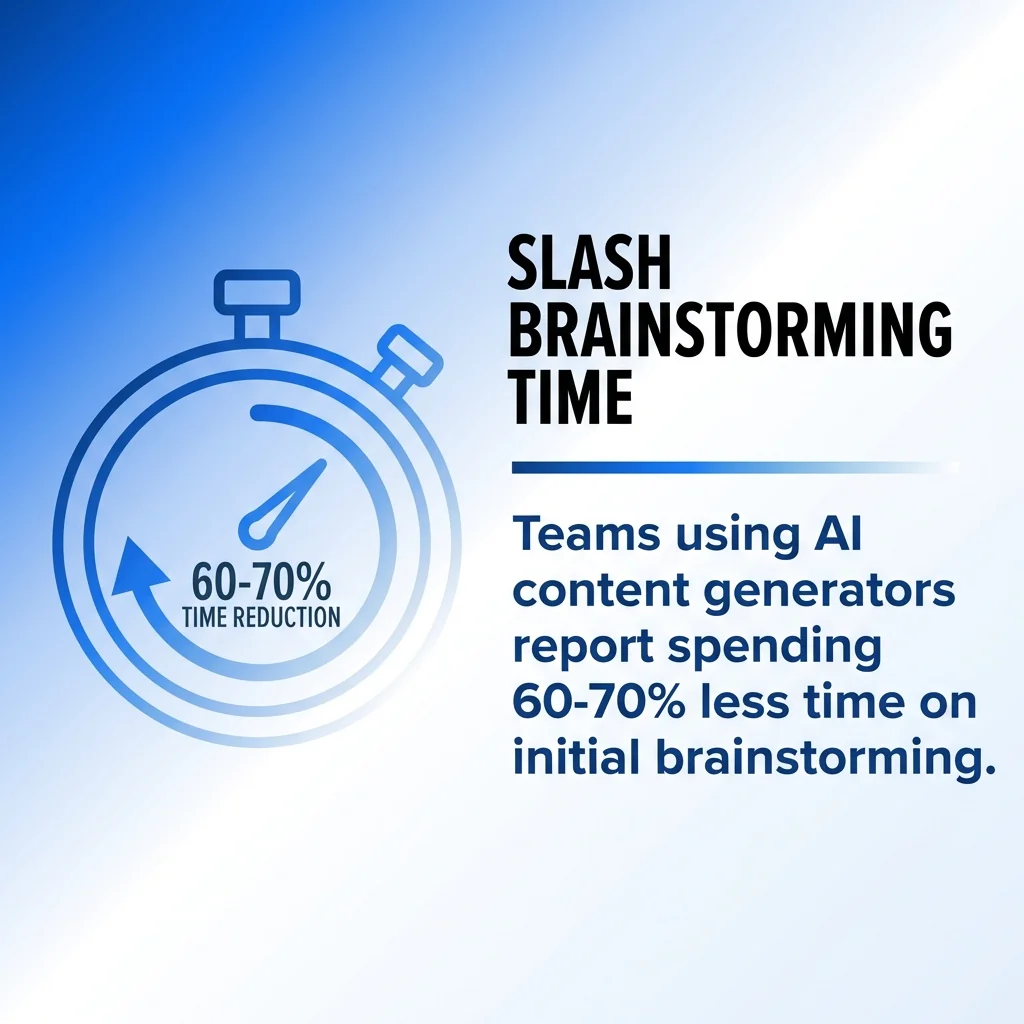
Teams using AI content generators report spending 60-70% less time on initial brainstorming. This efficiency gain allows marketers to focus on strategy refinement, community engagement, and performance optimisation.
Overcoming Creative Block and Maintaining Consistency
Writer’s block affects even experienced content creators. AI tools provide a continuous stream of starting points when your team feels stuck or uninspired.
Consistency across platforms becomes manageable when you have automated suggestion systems. These tools ensure your messaging remains coherent whether you’re posting on professional networks like LinkedIn or visual platforms like Instagram.
Brand voice preservation is built into quality AI platforms. They learn your preferred terminology, tone, and style guidelines to generate suggestions that require minimal editing before publication.
Scaling Content Production Without Expanding Teams
Small marketing teams often struggle to maintain active presences across multiple social channels. AI tools enable a two-person team to generate content volume that would typically require five or six dedicated creators.
The technology handles repetitive aspects of content creation, freeing human creativity for higher-value tasks. Your team can focus on strategic storytelling whilst AI manages daily post ideation and scheduling logistics.
Cross-platform content repurposing becomes seamless. AI tools automatically adapt a single concept into format-specific variations optimised for each channel’s unique requirements and audience expectations.
Data-Driven Idea Generation That Matches Audience Preferences
AI platforms analyse your audience’s engagement history to identify which topics, formats, and posting times generate the strongest response. This data-driven approach removes guesswork from content planning.
Target audience identification features help you understand demographic segments within your follower base. You can then tailor content ideas to specific groups for improved relevance and engagement.
Competitive analysis tools show what’s working for similar brands in your space. This intelligence informs your strategy without requiring hours of manual competitor monitoring.
How to Choose the Right AI Content Tool
Selecting an AI social content tool requires evaluating your team’s specific needs, budget constraints, and technical capabilities. Not all platforms offer the same features or serve the same use cases.
Start by identifying your primary pain points. Are you struggling with idea generation, scheduling logistics, or maintaining brand consistency across channels?
Essential Features to Prioritise
Multi-platform support should rank high on your requirements list. The best tools generate tailored content for Instagram, LinkedIn, Twitter, TikTok, and Facebook from a single interface.
Content calendar management features determine how easily you can plan weeks or months in advance. Look for drag-and-drop scheduling, bulk upload capabilities, and visual preview options.
AI copywriting quality varies significantly between platforms. Test several tools with identical prompts to compare how well their suggestions match your brand voice and audience expectations.
Integration capabilities matter if you use existing marketing tools. Check whether the AI platform connects with your CRM, analytics software, or project management systems.
Pricing Models and Free Trial Options
Most AI content tools offer tiered pricing based on features, usage limits, or team size. Free plans typically restrict the number of posts you can generate monthly or limit access to advanced features.
Free trials provide risk-free opportunities to test platforms before committing. Take advantage of these periods to evaluate whether the tool integrates smoothly with your existing workflows.
Enterprise solutions include custom pricing with dedicated support, advanced analytics, and higher usage limits. These make sense for larger organisations managing multiple brands or extensive social media presences.
Technical Requirements and Learning Curves
User-friendly interfaces reduce onboarding time for your team. Platforms with intuitive designs allow marketers to start generating content within hours rather than days of training.
Mobile accessibility enables content creation on the go. Check whether the tool offers full-featured mobile apps or responsive web interfaces for remote work scenarios.
Customer support quality becomes crucial when you encounter technical issues or need guidance. Evaluate whether platforms offer live chat, email support, or comprehensive documentation libraries.
Best AI Tools for Social Content Ideas
The AI social media landscape includes dozens of platforms with varying strengths. Buffer highlights 14 AI tools for 2026 social media content creation, categorising them into visuals, video/audio, and workflows.
These tools serve different aspects of content creation, from generating initial concepts to producing finished posts with graphics and captions. Understanding each platform’s specialisation helps you build an effective AI toolkit.
ChatGPT for Conversational Brainstorming
ChatGPT excels at interactive brainstorming sessions where you refine ideas through conversation. The AI remembers context from earlier in your discussion, allowing for increasingly targeted suggestions.
Use ChatGPT to generate content calendars, develop caption variations, or explore different angles for a single topic. The tool adapts its suggestions based on feedback you provide during the conversation.
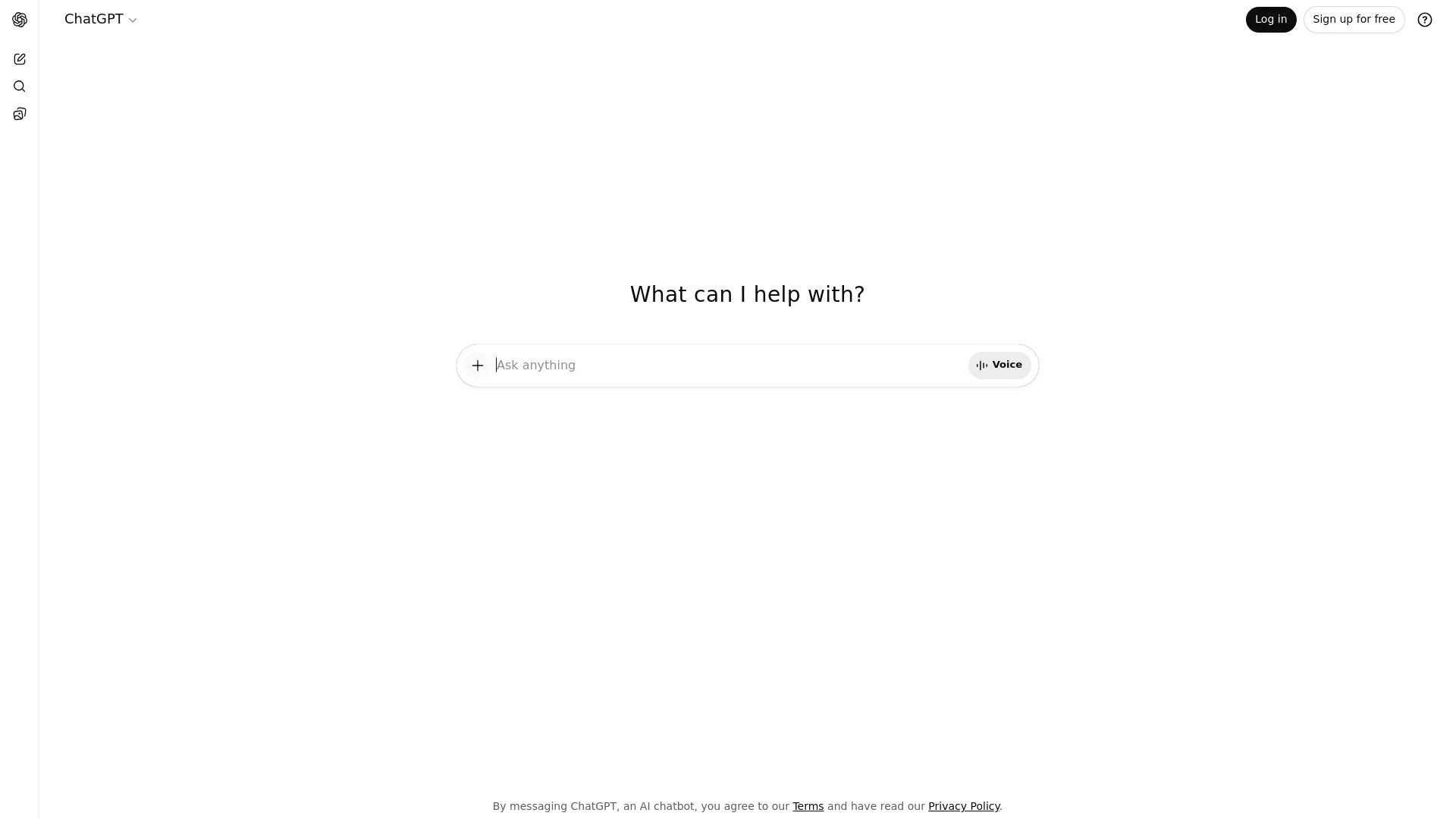
Integration with your existing workflows requires manual copying and pasting. ChatGPT doesn’t offer direct scheduling or multi-platform formatting, but it provides a strong foundation for initial ideation.
The free version offers substantial capabilities for small teams. Paid subscriptions provide faster response times and access to more advanced language models with better contextual understanding.
CapCut for Short-Form Video Content
Video content dominates social media engagement, particularly on TikTok and Instagram Reels. CapCut addresses this need with script-to-video generation and automated editing features.
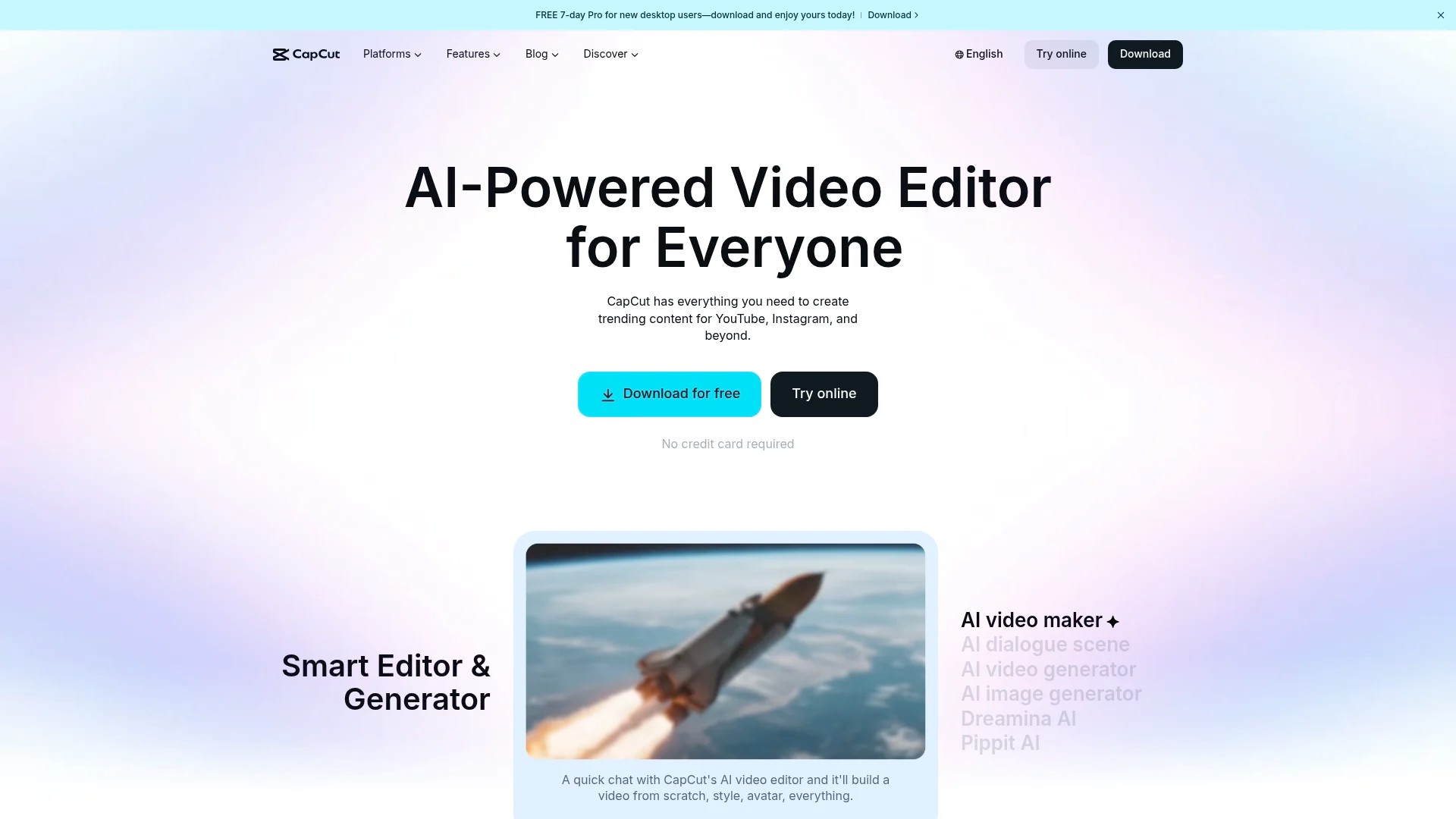
CapCut provides auto-captions in 130+ languages and script-to-video for short-form content like TikToks and Reels, which significantly reduces video production time.
The platform offers templates optimised for different social channels. You can adapt a single video concept into multiple format variations without starting from scratch each time.
Auto-captioning improves accessibility whilst increasing watch time. Many users consume social videos without sound, making captions essential for message delivery.
Midjourney for Visual Social Assets
Visual content captures attention more effectively than text-only posts. Midjourney generates custom graphics from text descriptions, enabling unique visual content without design skills.
Midjourney generates social assets from text prompts, supporting AI design in advertising. This capability extends to creating branded graphics, promotional images, and eye-catching thumbnails.
The learning curve involves understanding how to craft effective prompts. Detailed descriptions produce better results than vague requests, so expect to refine your prompt-writing skills.
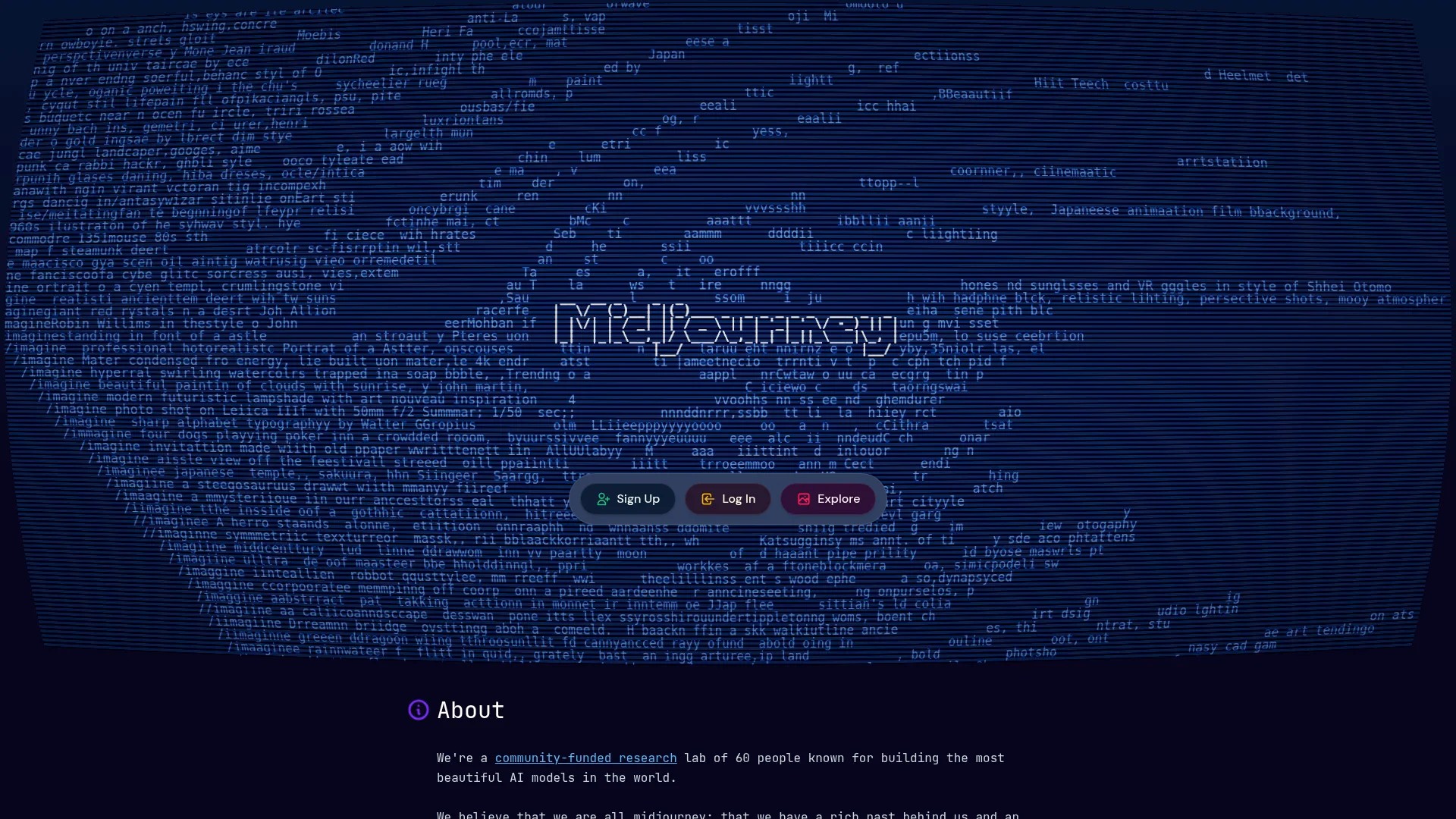
Image rights and usage terms are clearly defined. All generated content is yours to use commercially, which eliminates concerns about copyright issues on your social channels.
Synthesia for AI Video Generation
Video content creation traditionally requires cameras, editing software, and production time. Synthesia eliminates these requirements with AI-generated presenters and automated video assembly.
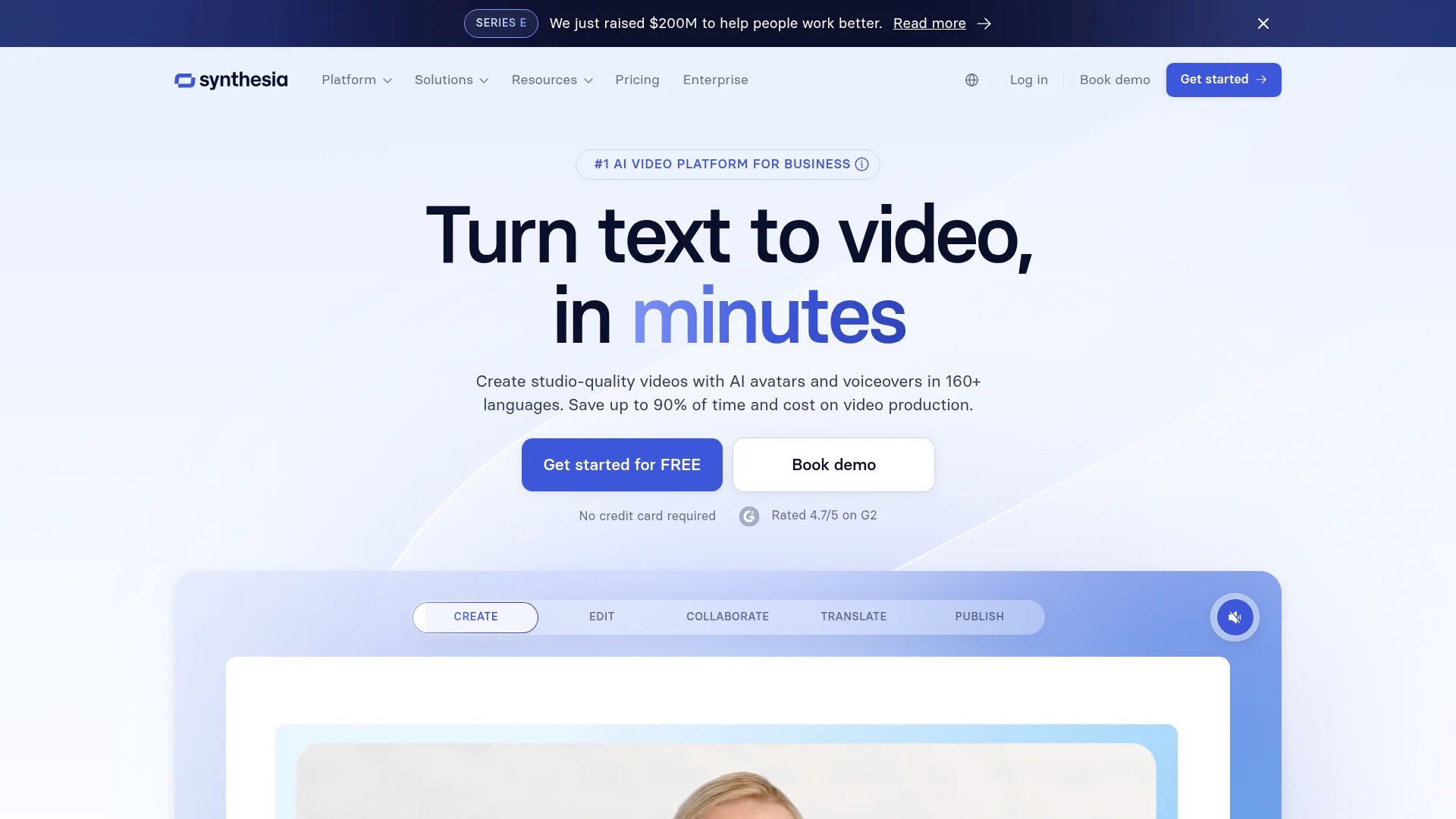
Synthesia is noted amongst top AI video generators, with emphasis on repurposing for social media. The platform works particularly well for educational content, product demonstrations, and announcement videos.
Customisation options include choosing presenter appearance, voice characteristics, and background settings. You can maintain brand consistency by using the same virtual presenter across multiple videos.
The platform supports multiple languages with natural-sounding pronunciation. This feature enables global brands to create localised content without hiring multilingual presenters.
Hootsuite for Integrated Content Management
Hootsuite combines AI content generation with comprehensive social media management capabilities. The platform handles scheduling, analytics, and team collaboration in addition to ideation.
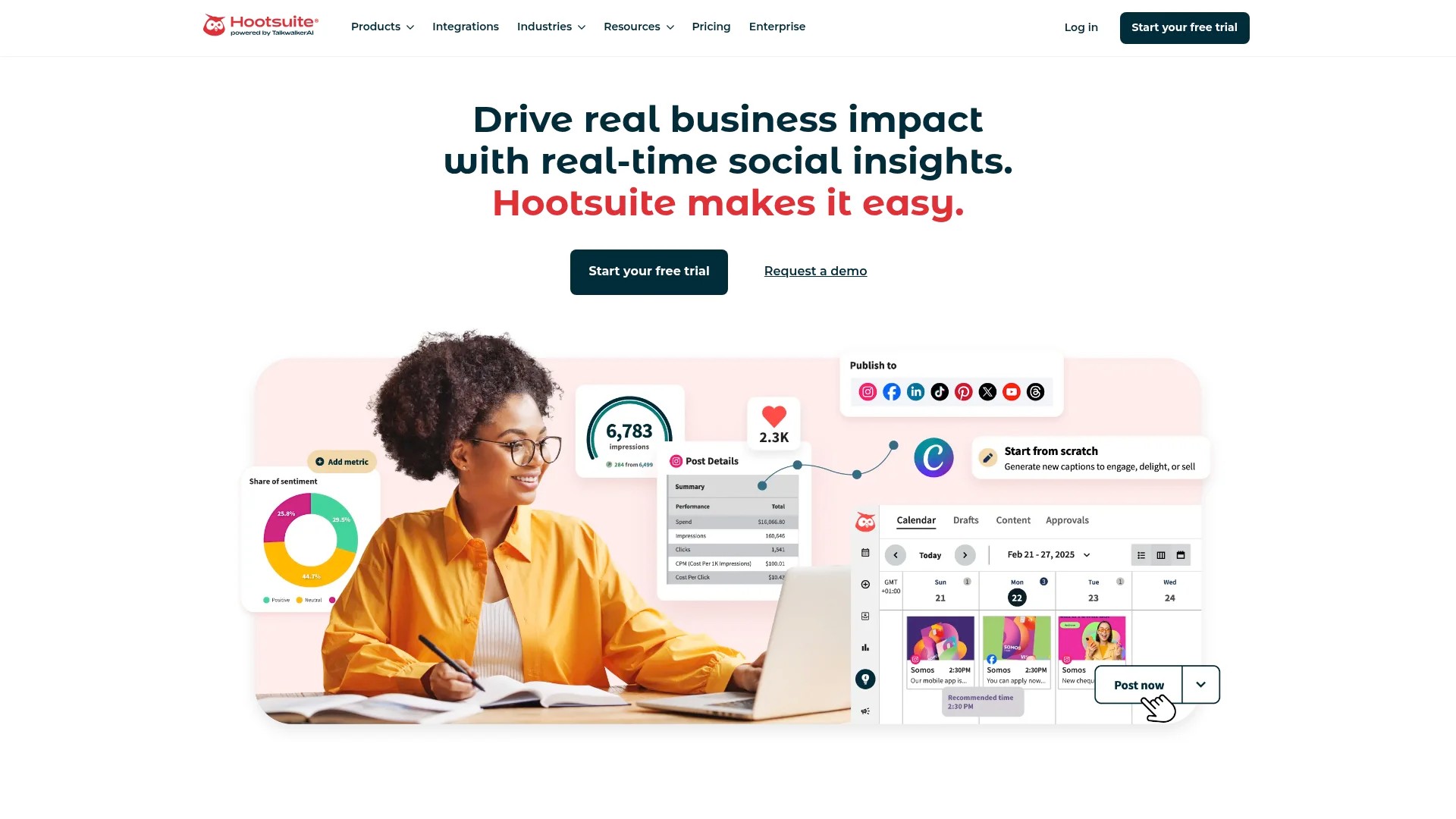
Content suggestions appear alongside performance data from your previous posts. This integration helps you understand which AI-generated ideas align with your historically successful content patterns.
Team collaboration features allow multiple users to contribute ideas, review scheduled posts, and approve content before publication. This workflow support proves valuable for organisations with approval processes.
The analytics dashboard tracks engagement metrics across all connected platforms. You can measure which AI-generated content performs best and adjust your strategy accordingly.
Buffer for Streamlined Publishing
Buffer focuses on simplifying the publishing process whilst offering AI-powered content suggestions. The platform’s interface prioritises ease of use over feature complexity.
Optimal posting time recommendations use AI to analyse your audience’s activity patterns. The system suggests when to schedule each post for maximum visibility and engagement.
Browser extensions enable content curation whilst you browse. You can save interesting articles or posts directly to your Buffer queue for later sharing.
The pricing structure accommodates solopreneurs and small teams with affordable entry-level plans. Larger organisations can upgrade for additional users and advanced analytics features.
Jasper for Long-Form Content Adaptation
Jasper specialises in AI copywriting for marketing materials. Whilst designed for broader content needs, it excels at repurposing long-form content into social media posts.
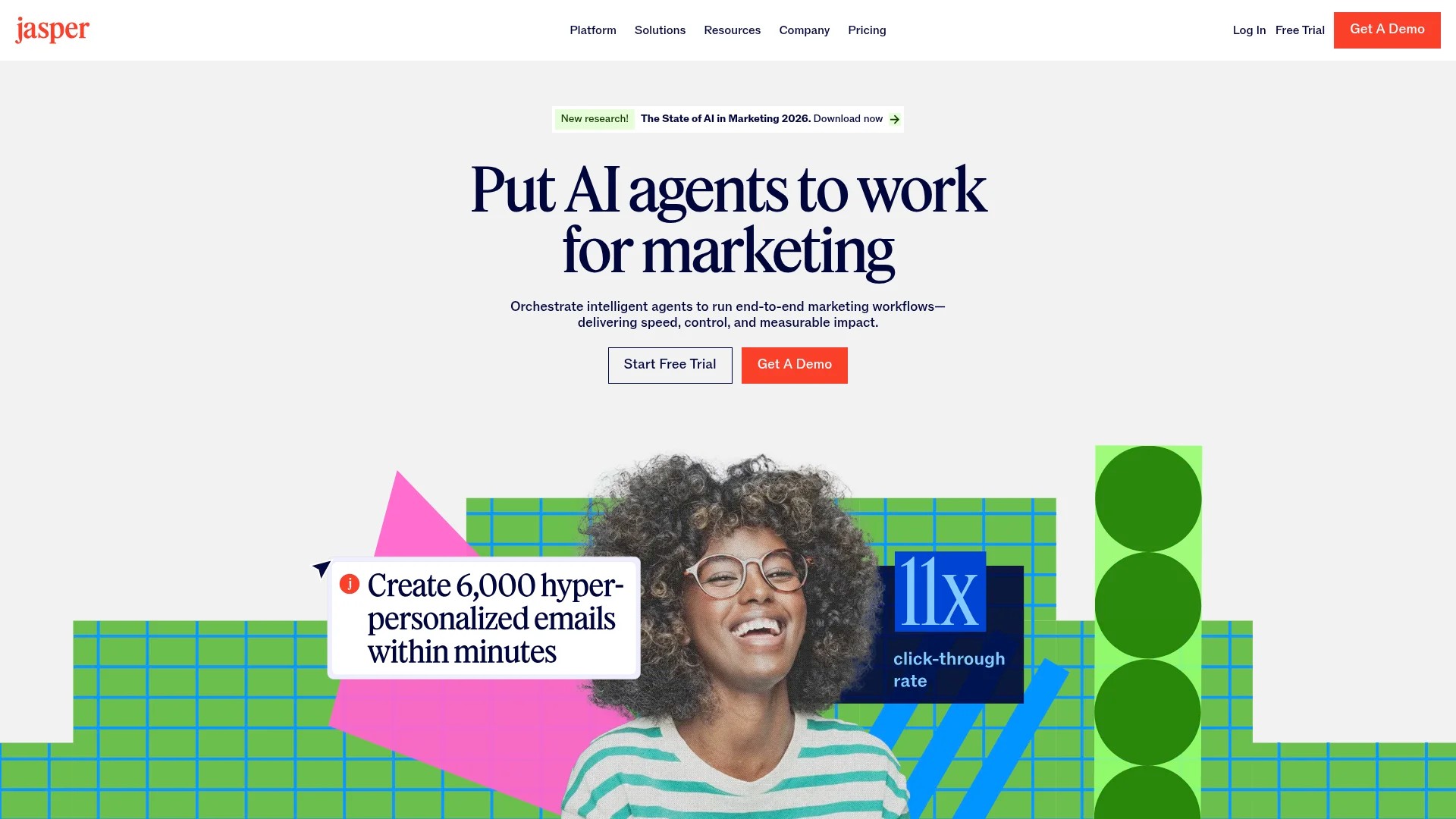
The platform can condense blog articles into multiple social posts, each highlighting different key points. This repurposing capability maximises the value of your existing content investments.
Brand voice training features allow Jasper to learn your company’s preferred tone and terminology. The AI then generates suggestions that sound consistent with your established brand personality.
Templates for different post types streamline the creation process. You can quickly generate promotional posts, educational content, or engagement-focused questions using pre-built frameworks.
Copy.ai for Caption Generation
Copy.ai focuses specifically on generating marketing copy, including social media captions and headlines. The platform offers templates optimised for different platforms and content goals.
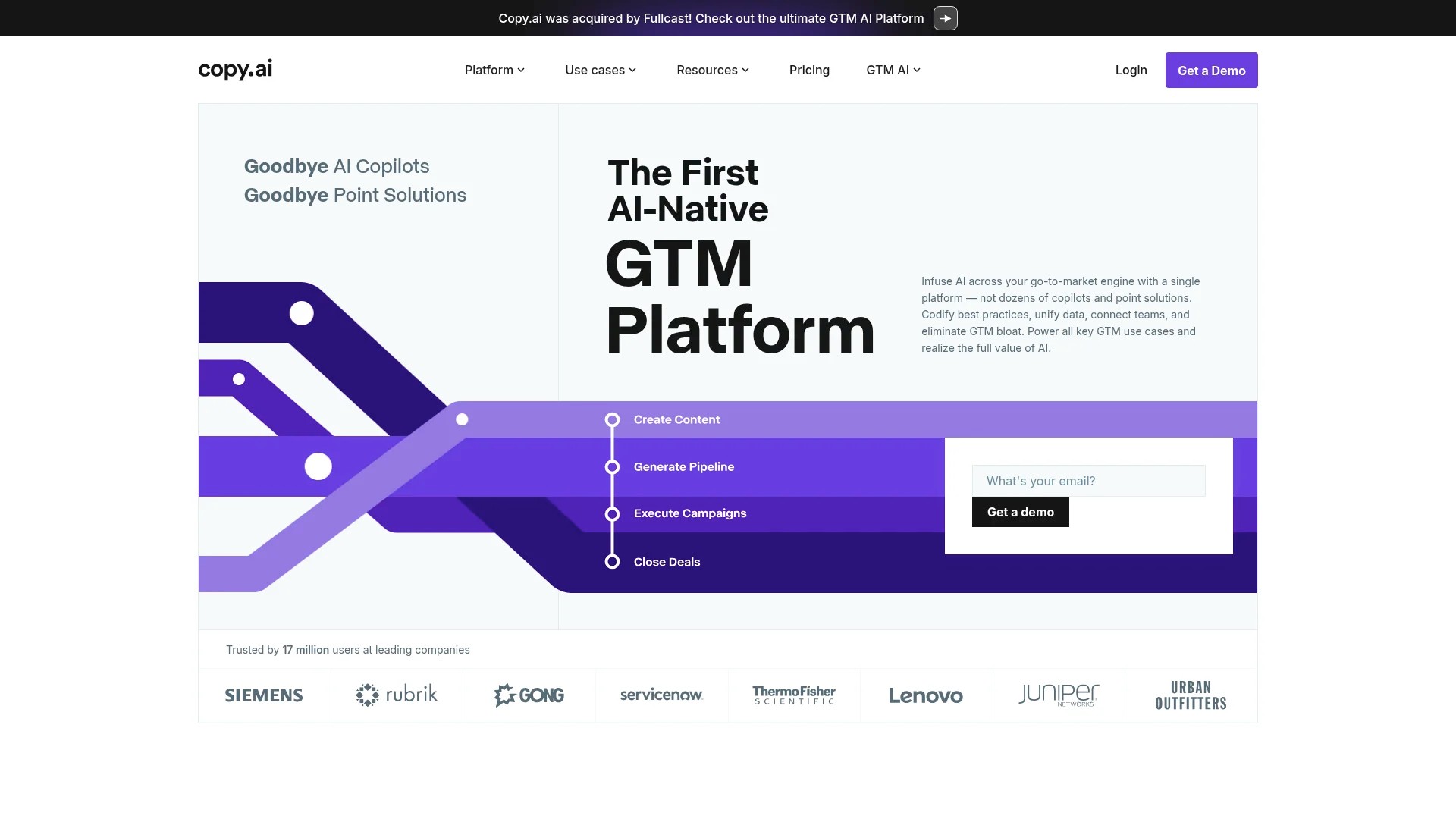
Caption variations help you test different messaging approaches. The AI generates multiple options for the same post concept, allowing you to choose or combine elements from different suggestions.
Hashtag recommendations appear alongside caption suggestions. The system identifies relevant tags based on your post content and current trending topics in your industry.
The workflow encourages iterative refinement. You can provide feedback on generated captions to receive improved alternatives that better match your requirements.
Lately for Content Repurposing
Lately transforms long-form content into social media posts automatically. The AI identifies key quotes, statistics, and concepts from articles or videos to create shareable snippets.
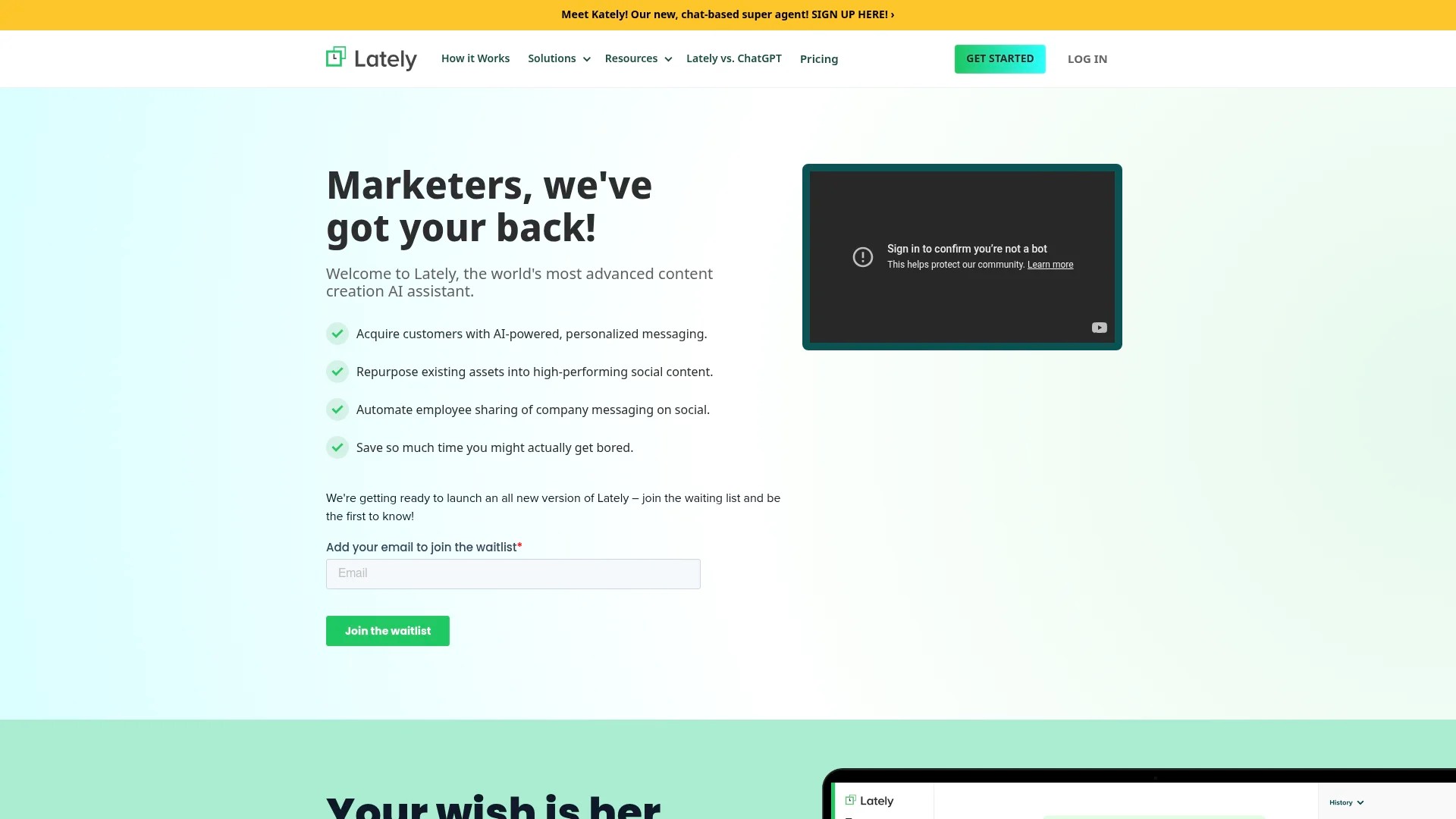
The platform analyses which excerpts generate the strongest engagement. This data-driven approach ensures you’re sharing the most compelling elements of your content.
Multi-channel adaptation creates platform-specific variations from a single source. A blog post becomes a LinkedIn article summary, Twitter thread, and Instagram carousel without manual reformatting.
Audio and video content receive the same treatment. Lately can transcribe podcasts or webinars and extract quotable moments for social sharing.
Canva with AI Features
Canva combines graphic design tools with AI-powered content suggestions. The platform’s Magic Write feature generates caption copy directly within your design workflow.
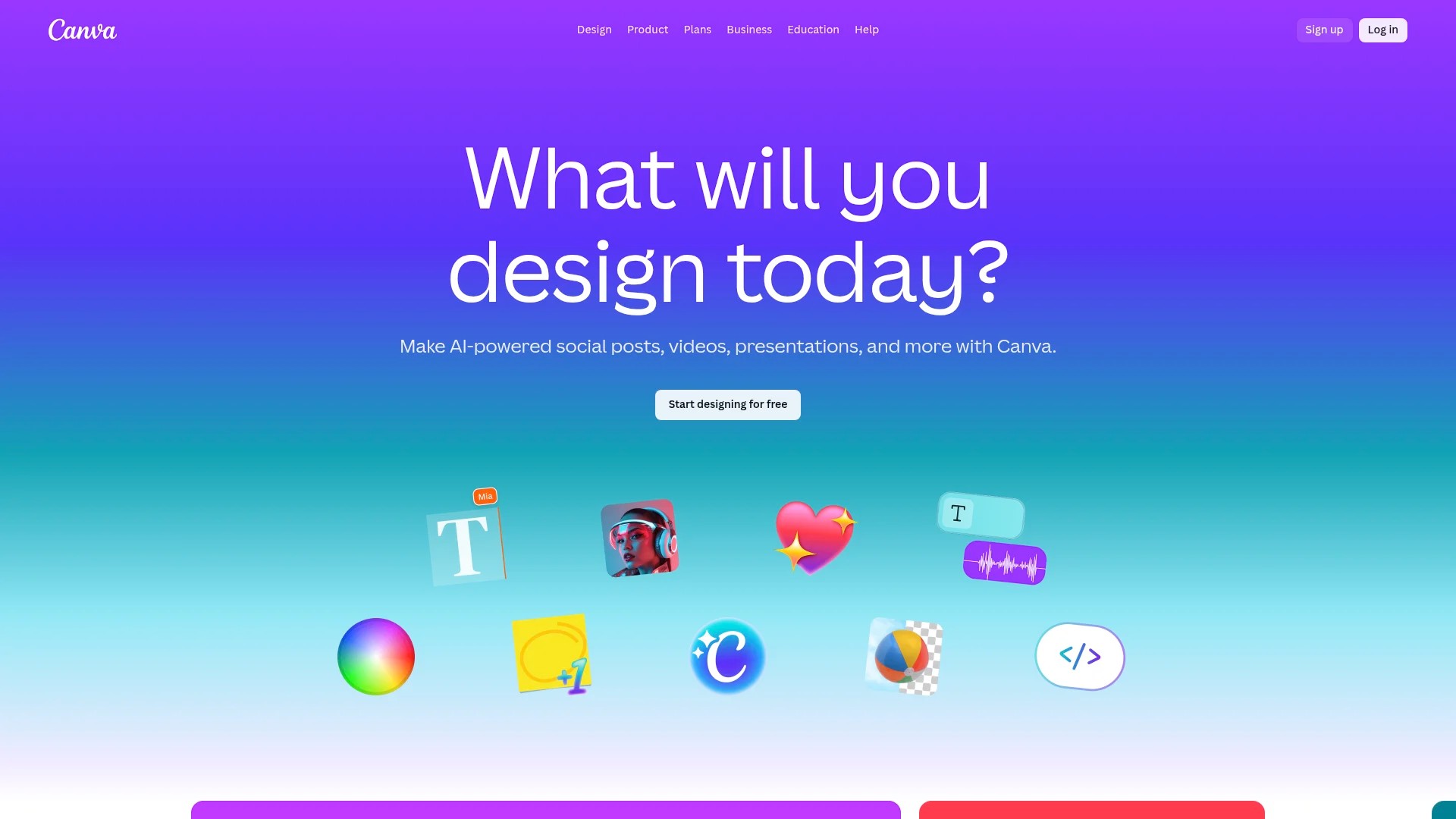
Template libraries offer thousands of pre-designed social media graphics. AI recommendations suggest templates based on your industry and the type of content you’re creating.
Brand kit features maintain visual consistency across all your social posts. Upload your logos, colours, and fonts once, and Canva applies them to every design you create.
The free version provides substantial capabilities for small businesses. Paid subscriptions unlock additional templates, stock photos, and advanced AI features.
Key Features to Look for in AI Content Tools
Feature sets vary significantly across AI content platforms. Understanding which capabilities matter most for your workflow helps you evaluate tools effectively.
Prioritise features that address your team’s specific bottlenecks. A tool with excellent video capabilities won’t help if your primary need is caption generation.
Multi-Platform Content Generation
The best AI tools generate platform-optimised content simultaneously. A single concept becomes an Instagram caption, LinkedIn post, and Twitter thread without manual adaptation.
Character count limitations are automatically respected. The AI adjusts message length to fit Twitter’s constraints whilst creating longer-form versions for platforms that support extended content.
Format recommendations ensure your content suits each platform’s strengths. The system might suggest carousel posts for Instagram, article shares for LinkedIn, and quick tips for Twitter.
Content Calendar and Scheduling Integration
Visual calendar interfaces help you plan content distribution across weeks or months. Drag-and-drop functionality makes rescheduling simple when priorities shift.
Bulk scheduling capabilities save time when planning campaigns. Upload multiple posts at once and let the AI suggest optimal distribution timing across your content calendar.
Approval workflows ensure content quality before publication. Team members can review, edit, and approve scheduled posts without disrupting the overall publishing calendar.
Brand Voice Consistency Tools
Brand voice training features allow AI tools to learn your preferred tone and terminology. The system analyses your existing content to understand what makes your brand distinctive.
Consistency checks flag content that deviates from established guidelines. These alerts prevent off-brand posts from reaching your audience and maintain messaging coherence.
Style guides integrate directly into the content generation process. The AI references your documented preferences automatically rather than requiring manual enforcement.
Analytics and Performance Tracking
Engagement metrics reveal which AI-generated content resonates with your audience. Track likes, shares, comments, and click-through rates across all platforms from a single dashboard.
Performance comparisons between AI-generated and manually-created content provide insight into tool effectiveness. This data justifies continued investment in AI solutions.
Trend identification helps you spot emerging topics before they become oversaturated. The AI analyses engagement patterns to predict which content types will perform well.
Collaboration and Workflow Management
Multi-user access enables team collaboration without confusion. Assign roles, permissions, and responsibilities to ensure smooth content creation workflows.
Comment threads on scheduled posts facilitate feedback and revision discussions. Team members can suggest improvements without disrupting the overall content pipeline.
Version history tracking shows how posts evolved from initial AI suggestions to final published versions. This audit trail proves valuable for understanding what refinements improve performance.
How AI Content Generators Work
Understanding the technology behind AI content tools helps you use them more effectively. These systems combine multiple AI techniques to produce relevant, engaging suggestions.
The process begins with data collection from your connected social accounts, brand guidelines, and historical performance metrics. This information trains the AI to understand your specific needs.
Natural Language Processing Fundamentals
Natural language processing enables AI tools to understand context, tone, and semantic relationships between words. The technology analyses how humans naturally communicate on social media.
Language models learn from millions of social media posts to understand platform-specific communication styles. They recognise that LinkedIn posts differ fundamentally from TikTok captions in tone and structure.
Contextual awareness allows these systems to generate appropriate responses to current events or trending topics. The AI understands when to reference popular culture versus maintaining a professional tone.
Machine Learning and Pattern Recognition
Machine learning algorithms identify patterns in your successful content. The AI notices which topics, formats, and posting times correlate with higher engagement rates.
Predictive capabilities emerge from analysing thousands of data points. The system forecasts which content types will resonate with your audience based on historical performance.
Continuous improvement occurs automatically as you use the platform. Each post’s performance data refines the AI’s understanding of what works for your specific audience.
Content Database and Training Data
AI tools train on extensive databases of successful social media content. These datasets include millions of posts across industries, platforms, and content types.
Trend analysis identifies emerging topics before they reach mainstream awareness. The AI monitors conversation volume and engagement patterns to spot opportunities early.
Industry-specific knowledge allows tools to generate relevant suggestions for specialised markets. A platform trained on B2B content produces different recommendations than one focused on consumer brands.
Tips for Using AI to Generate Better Content Ideas
AI tools work best when you provide clear direction and refine their suggestions. These platforms augment human creativity rather than replacing it entirely.
Learn how to effectively harness AI for social media posts by following these practical guidelines.
Providing Effective Prompts and Context
Specific prompts produce better results than vague requests. Instead of asking for “content ideas,” specify your audience, goals, and preferred content format.
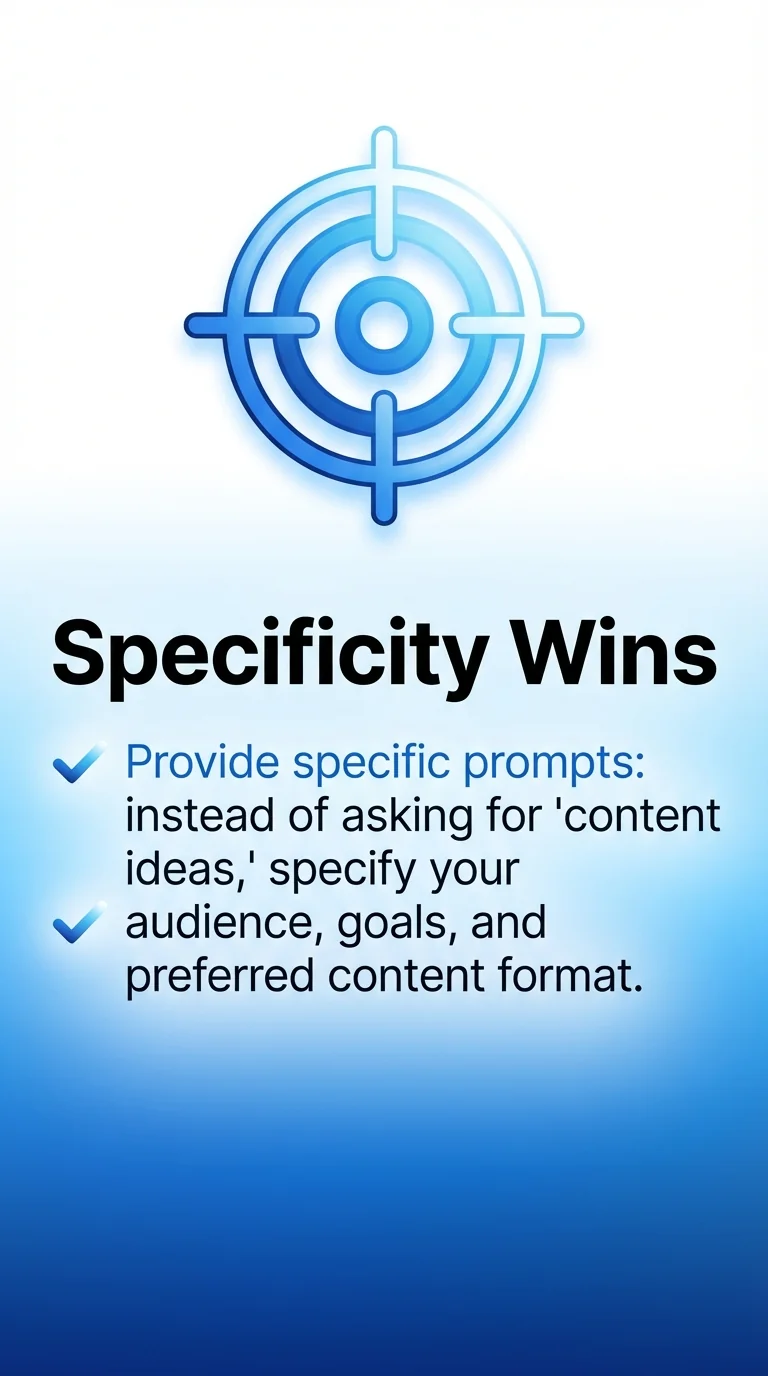
Include relevant context about current campaigns or seasonal considerations. The AI can tailor suggestions to align with your broader marketing initiatives.
Brand voice descriptions help AI tools match your preferred tone. Specify whether you want professional, casual, humorous, or inspirational content in your prompts.
Refining and Personalising AI Suggestions
Treat AI outputs as starting points rather than finished products. Review suggestions critically and adjust language to match your brand’s authentic voice.
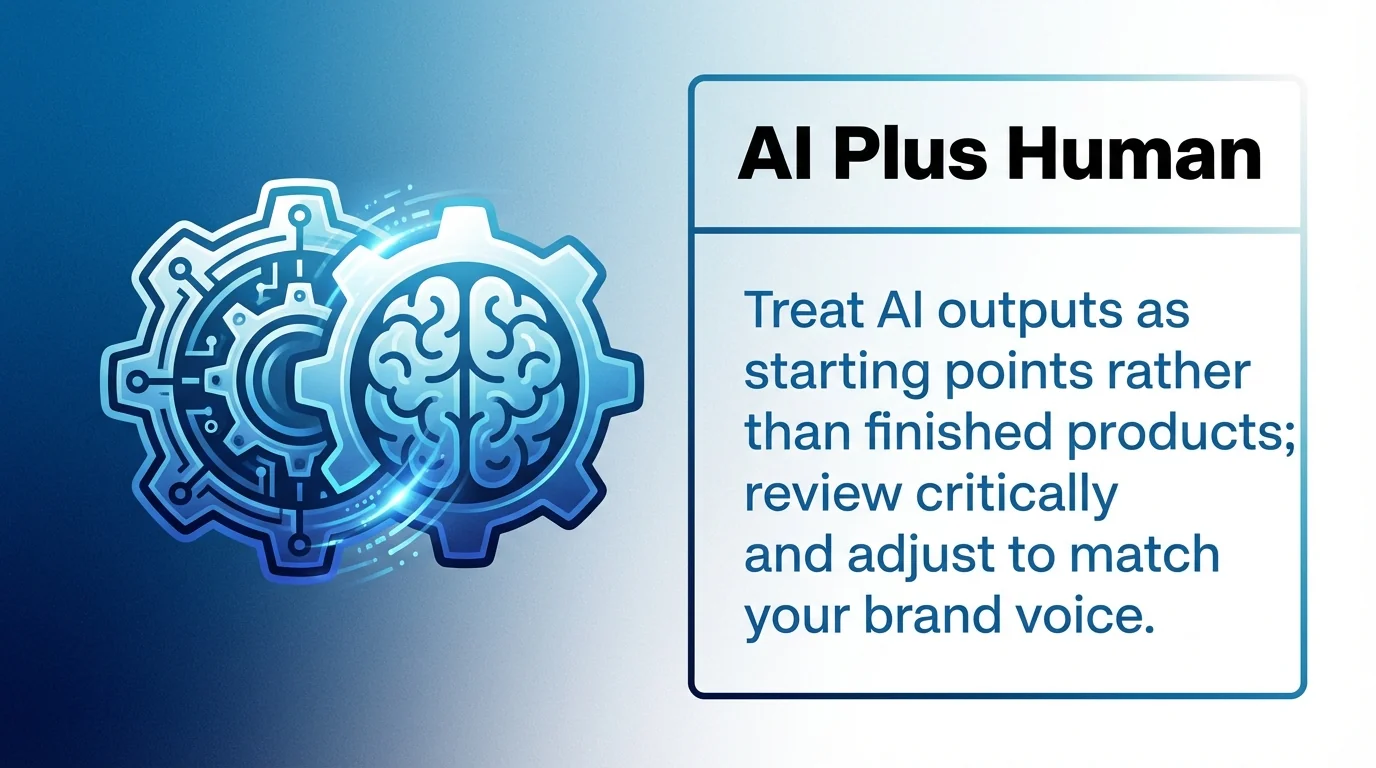
Add personal touches that reflect your unique brand personality. AI-generated content becomes distinctive when you layer in your specific expertise and perspective.
Test multiple variations of promising concepts. Generate several alternatives and combine the strongest elements from different suggestions.
Combining AI Ideas with Human Creativity
Use AI to overcome initial creative blocks, then apply human judgement to refine and enhance suggestions. The combination produces better results than either approach alone.
Team brainstorming sessions become more productive when AI provides a foundation. Start with AI-generated concepts and let your team expand on the most promising directions.
Critical evaluation ensures AI suggestions align with your strategic goals. Automated systems can’t fully understand nuanced brand positioning or complex campaign objectives.
Establishing Feedback Loops
Track which AI-generated posts perform best and analyse common characteristics. Use these insights to request similar content in future prompts.
Provide regular feedback to platforms that offer learning capabilities. Many tools improve their suggestions based on which outputs you approve or reject.
Document successful prompts and refinement techniques. Build a knowledge base that helps your team extract maximum value from AI tools.
Benefits of AI-Powered Content Creation
AI content tools deliver measurable advantages across multiple aspects of social media management. These benefits compound over time as you develop expertise with the platforms.
Discover the power of AI social media post generators and how they transform content workflows.
Time Savings and Efficiency Gains
Content creation time decreases dramatically when AI handles initial ideation. Teams report spending 60-70% less time on brainstorming and drafting.
Scheduling automation eliminates manual posting tasks. Content queues maintain your social presence without constant attention.
Batch creation workflows allow you to generate weeks of content in a single session. This efficiency creates breathing room for strategic planning and audience engagement.
Improved Content Quality and Consistency
Data-driven suggestions tend to perform better than purely intuitive content choices. AI tools base recommendations on proven engagement patterns rather than guesswork.
Consistent posting schedules become manageable even for small teams. You maintain regular audience touchpoints without overwhelming your content creators.
Brand voice coherence improves when AI enforces style guidelines automatically. Every post reflects your established tone regardless of which team member created it.
Scalability Without Proportional Resource Investment
Growing your social media presence doesn’t require expanding your team proportionally. AI tools enable small teams to manage multiple platforms and increased posting frequencies.
Multi-brand management becomes feasible for agencies and larger organisations. A single team can maintain distinct voices across different client accounts or company divisions.
International expansion requires less localisation effort. AI tools generate content variations appropriate for different regional audiences and cultural contexts.
Enhanced Audience Engagement
Personalised content suggestions increase relevance for specific audience segments. AI identifies which topics resonate with different demographic groups within your follower base.
Optimal timing recommendations ensure your posts appear when your audience is most active. This visibility boost translates directly to higher engagement rates.
Sentiment analysis helps you avoid tone-deaf content during sensitive periods. The AI flags potentially problematic posts before they damage your brand reputation.
Integrating AI Tools into Your Content Strategy
Successful AI adoption requires thoughtful integration with existing workflows. The most effective implementations blend automated efficiency with human oversight and creativity.
Explore AI-powered content curation strategies for social media to enhance your overall approach.
Establishing Clear Workflows and Responsibilities
Define which tasks AI will handle and where human input remains essential. Clear boundaries prevent confusion and ensure quality control.
Assign team members to review and refine AI suggestions. This oversight maintains brand standards whilst leveraging automation efficiency.
Create approval processes for AI-generated content before publication. Multiple review points catch errors and ensure strategic alignment.
Balancing Automation with Authenticity
Audiences value genuine connection with brands. Use AI to streamline production whilst preserving authentic voice and personality in your content.
Personal stories and unique perspectives should come from humans. Let AI handle data-driven suggestions whilst team members contribute distinctive insights.
Monitor audience feedback to ensure automated content maintains engagement levels. Adjust your AI usage if followers perceive declining authenticity.
Continuous Learning and Strategy Refinement
Review performance data regularly to identify which AI tools deliver the strongest results. Focus your efforts on platforms that provide measurable value.
Experiment with different AI platforms and features. The social media technology landscape changes rapidly, and new tools may offer capabilities that better suit your needs.
Stay informed about AI developments and best practices. Join communities where marketers share experiences and strategies for AI-powered content creation.
Common Challenges and How to Address Them
AI content tools introduce new considerations alongside their benefits. Understanding potential pitfalls helps you avoid common mistakes and maximise platform value.
Maintaining Brand Voice Authenticity
Generic AI suggestions can dilute your brand’s distinctive personality. Combat this by providing detailed style guidelines and reviewing all generated content critically.
Train AI tools thoroughly on your existing content. The more examples they analyse, the better they’ll match your established voice.
Regular team reviews ensure automated content maintains your standards. Schedule weekly audits of AI-generated posts to catch drift from brand guidelines.
Avoiding Over-Reliance on Automation
Complete dependence on AI tools can reduce strategic thinking and creativity. Use automation for efficiency whilst preserving human involvement in strategic decisions.
Schedule regular brainstorming sessions that don’t involve AI. These human-only discussions maintain your team’s creative skills and strategic perspective.
Balance AI-generated content with manually-created posts. A healthy mix ensures your social presence retains human warmth and spontaneity.
Managing Content Quality and Accuracy
AI tools occasionally generate factually incorrect or contextually inappropriate suggestions. Implement verification processes before publishing any automated content.
Fact-check statistics and claims in AI-generated posts. The systems sometimes hallucinate data or misinterpret sources.
Review content for cultural sensitivity and current event awareness. AI may miss nuances that human reviewers catch immediately.
Addressing Privacy and Data Security Concerns
Connecting social accounts to third-party AI tools creates data access considerations. Review platform security policies and permissions carefully.
Limit access credentials to necessary personnel only. Use role-based permissions to restrict who can publish content directly from AI tools.
Regularly audit connected applications and revoke access for tools you no longer use. Maintain strict control over which platforms can access your social accounts.
Future Trends in AI Social Content Creation
AI content tools continue evolving rapidly. Understanding emerging trends helps you prepare for upcoming changes in social media marketing.
Explore the future of AI-driven social marketing and how it will reshape content strategies.
Advanced Personalisation and Audience Segmentation
Next-generation AI tools will create highly personalised content variations for different audience segments. A single campaign concept will automatically adapt to resonate with diverse demographic groups.
Predictive personalisation will anticipate individual user preferences. AI will generate content specifically designed to appeal to particular follower characteristics.
Dynamic content adjustment will respond to real-time engagement patterns. Posts will evolve based on how different audiences interact with initial versions.
Enhanced Multimedia Content Generation
Video and audio content creation will become as simple as text generation. AI tools will produce professional-quality multimedia content from simple text descriptions.
Interactive content formats will emerge with AI assistance. Polls, quizzes, and gamified posts will be automatically generated to boost engagement.
Cross-format adaptation will improve significantly. A single concept will become a video, infographic, carousel, and text post with minimal manual intervention.
Improved Contextual Awareness and Trend Prediction
AI systems will better understand cultural context and current events. Content suggestions will automatically align with or avoid sensitive topics based on real-time news monitoring.
Predictive trend identification will spot emerging topics earlier. Brands will gain first-mover advantages by creating content around trends before they become mainstream.
Competitive intelligence will integrate directly into content generation. AI will suggest ideas that differentiate your brand from competitors whilst addressing similar audience interests.
Practical Implementation Guide
Implementing AI content tools effectively requires structured planning and gradual integration. Follow these steps to introduce AI into your social media workflow.
Starting with a Pilot Programme
Begin by testing AI tools on a single platform or content type. This limited scope allows you to learn without overwhelming your team or risking brand consistency.
Select a low-risk content category for initial experiments. Educational posts or industry news shares provide good testing grounds without high stakes.
Document results meticulously during your pilot phase. Track time savings, engagement metrics, and team feedback to evaluate tool effectiveness.
Building Your AI Content Toolkit
Combine multiple specialised tools rather than seeking a single solution for everything. Use different platforms for ideation, visual creation, scheduling, and analytics.
Prioritise integration capabilities between tools. Seamless data flow between platforms prevents time-consuming manual transfers and reduces error opportunities.
Budget for both tool costs and training time. Factor in learning curves when calculating the total investment required for AI adoption.
Training Your Team on AI Tools
Provide comprehensive onboarding for all team members who’ll use AI platforms. Hands-on practice sessions prove more effective than documentation alone.
Create internal guidelines for AI usage. Document when to use automation versus manual creation, approval processes, and quality standards.
Encourage experimentation and knowledge sharing. Team members will discover valuable techniques that benefit everyone when they share learnings openly.
Measuring Success and ROI
Establish clear metrics before implementing AI tools. Define what success looks like in terms of time savings, engagement improvements, or cost reductions.
Compare performance before and after AI adoption. Measure changes in posting frequency, engagement rates, and team productivity.
Calculate total cost of ownership including subscriptions and time investment. Ensure the benefits justify ongoing expenses and resource allocation.
Moving Forward with AI-Powered Content Creation
AI tools have transformed social media content creation from a time-intensive challenge into a manageable, scalable process. The platforms covered in this guide offer practical solutions for generating engaging post ideas across multiple channels.
Start by identifying your primary bottleneck. Whether you struggle with ideation, scheduling, or maintaining consistency, specific AI tools address each challenge effectively.
Choose platforms that integrate naturally with your existing workflows. The best tool is the one your team will actually use consistently, not necessarily the one with the most features.
Remember that AI augments rather than replaces human creativity. Use these tools to overcome writer’s block and accelerate production, but preserve your brand’s authentic voice through thoughtful review and refinement.
Begin with free trials or limited implementations. Test several platforms to discover which interfaces and features align best with your team’s working style and content needs.
Track performance metrics to validate your AI investment. Document time savings, engagement improvements, and team satisfaction to justify continued use and potential expansion.
The social media landscape will continue evolving alongside AI capabilities. Stay informed about emerging tools and features to maintain competitive advantages in content creation efficiency and quality.
Enhance your social media content creation by implementing these AI-powered strategies and maintaining the balance between automation and authentic brand voice.