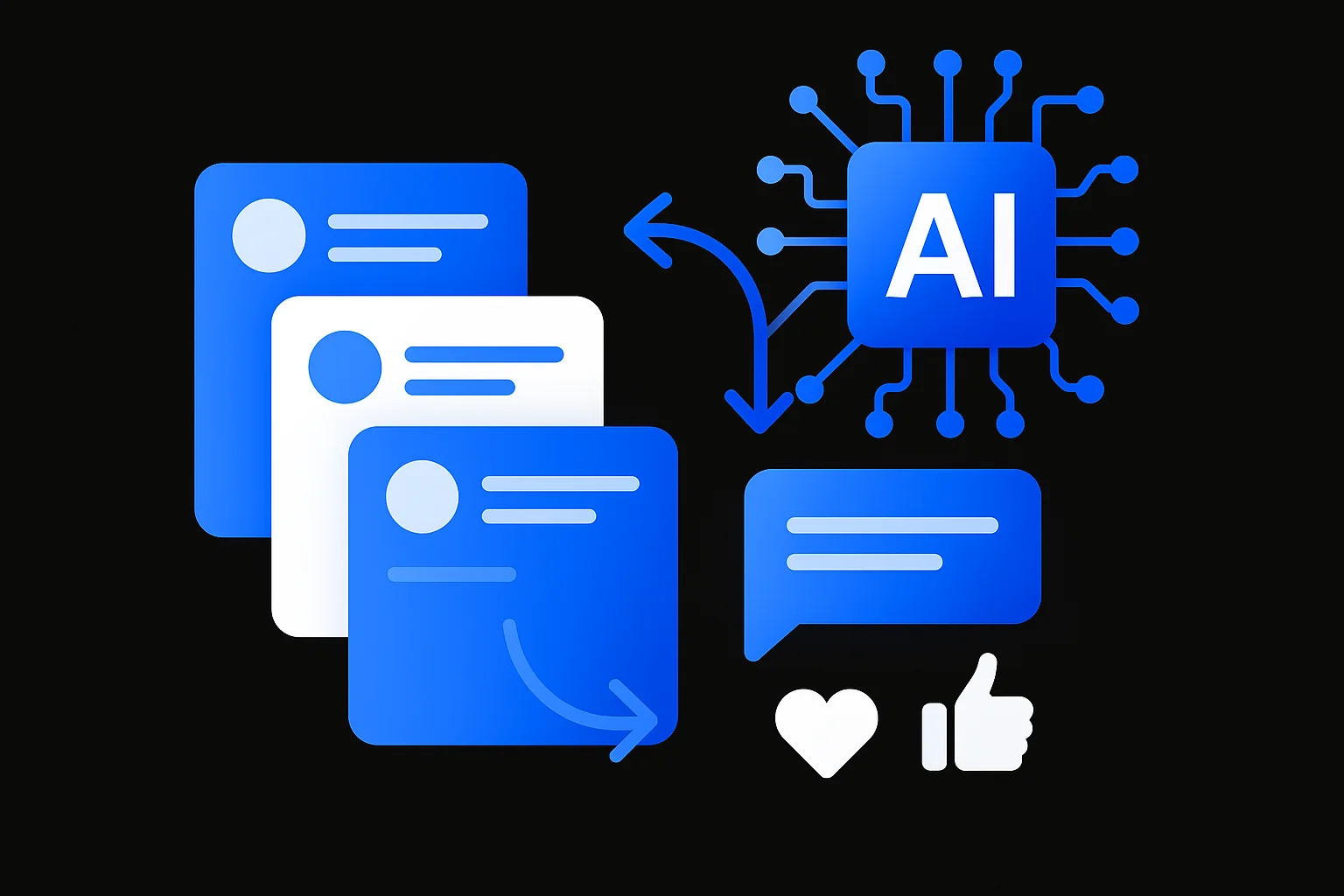
Building an AI-enhanced social media stack means assembling a suite of intelligent tools that work together to automate content creation, streamline scheduling, analyse performance data, and manage engagement across multiple platforms. These tools transform how marketing teams operate by reducing manual tasks, accelerating content production, and providing deeper insights into audience behaviour. When properly integrated, an AI-powered social stack can handle everything from generating post ideas to responding to customer enquiries, freeing marketers to focus on strategy rather than execution.
The right combination of AI tools creates a multiplier effect. Each tool handles specific tasks within your workflow whilst sharing data and insights across your entire social media operation. This integration eliminates workflow bottlenecks and ensures consistency across platforms.
This guide examines the best AI tools for social media management available in 2026. We’ll explore tools for content generation, scheduling automation, analytics reporting, social listening, and community engagement. You’ll learn what makes each tool valuable, how they integrate with major social platforms, and which tools work best for specific use cases.
What AI brings to social media management
AI transforms social media management by automating tasks that previously required hours of manual work. Content creation becomes faster as AI writing assistants generate captions, hashtags, and post variations. Scheduling shifts from manual planning to intelligent automation that identifies optimal posting times based on audience activity patterns.
These tools analyse vast amounts of engagement data to surface insights about audience preferences. They identify trending topics within your niche and suggest content themes that resonate with your followers. The technology handles repetitive tasks whilst providing strategic recommendations.
Social listening capabilities have expanded significantly. AI-powered tools now monitor brand mentions, analyse sentiment across thousands of conversations, and alert teams to opportunities for engagement. They track competitor activity and identify market trends before they reach mainstream awareness.
Customer service automation has become more sophisticated. AI chatbots handle initial customer enquiries across Facebook, Instagram, and WhatsApp. They route complex questions to human team members whilst resolving common requests immediately.
Analytics reporting has evolved beyond basic metrics. AI systems predict content performance before publication, identify your highest-value audience segments, and recommend specific adjustments to improve engagement rates. They generate comprehensive reports automatically, eliminating manual data compilation.
Core capabilities to prioritise
The most effective AI social media tools share several essential capabilities. Understanding these features helps you evaluate options and build a stack that addresses your specific requirements.
Multi-platform integration
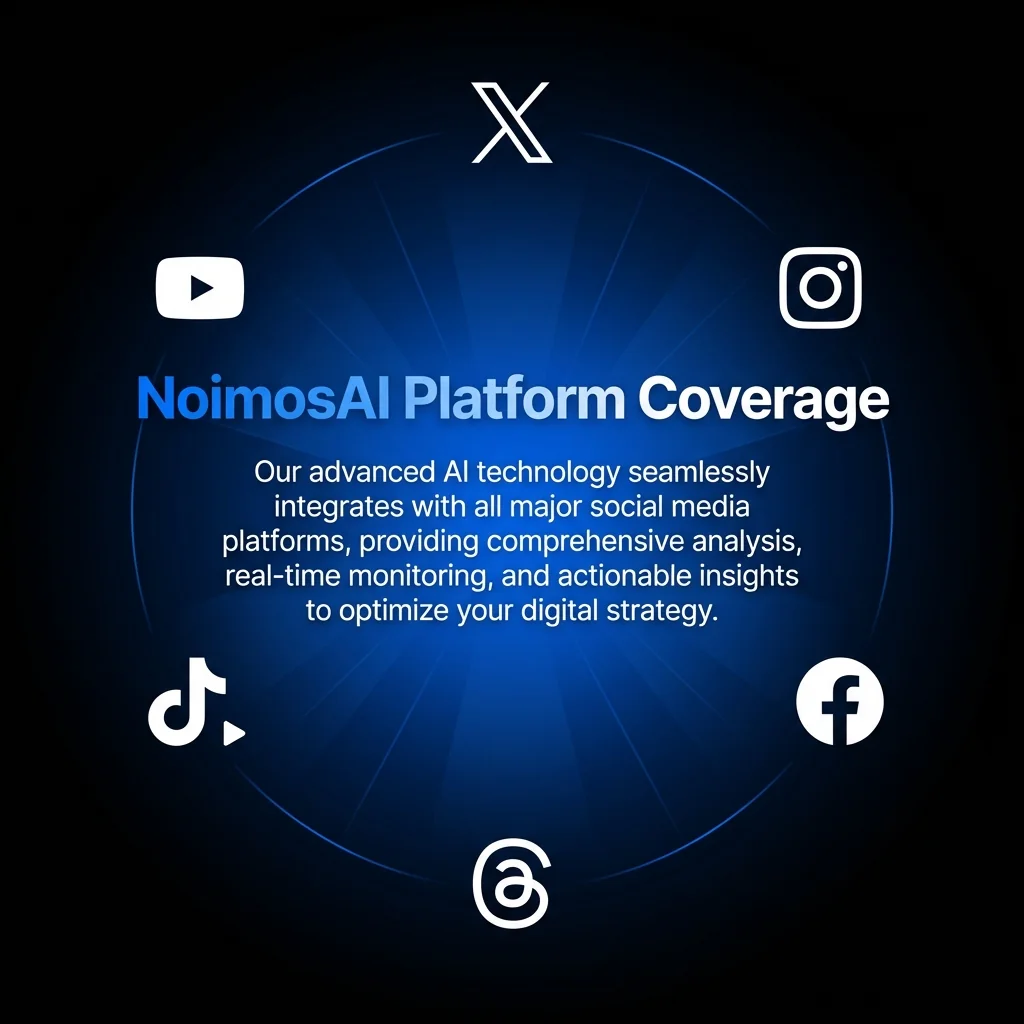
Your AI tools must connect with all platforms you use. Look for native integrations with Instagram, Facebook, LinkedIn, TikTok, and Twitter/X. Tools like NoimosAI support major platforms including X, Instagram, Facebook, Threads, TikTok, and YouTube, according to their platform documentation.
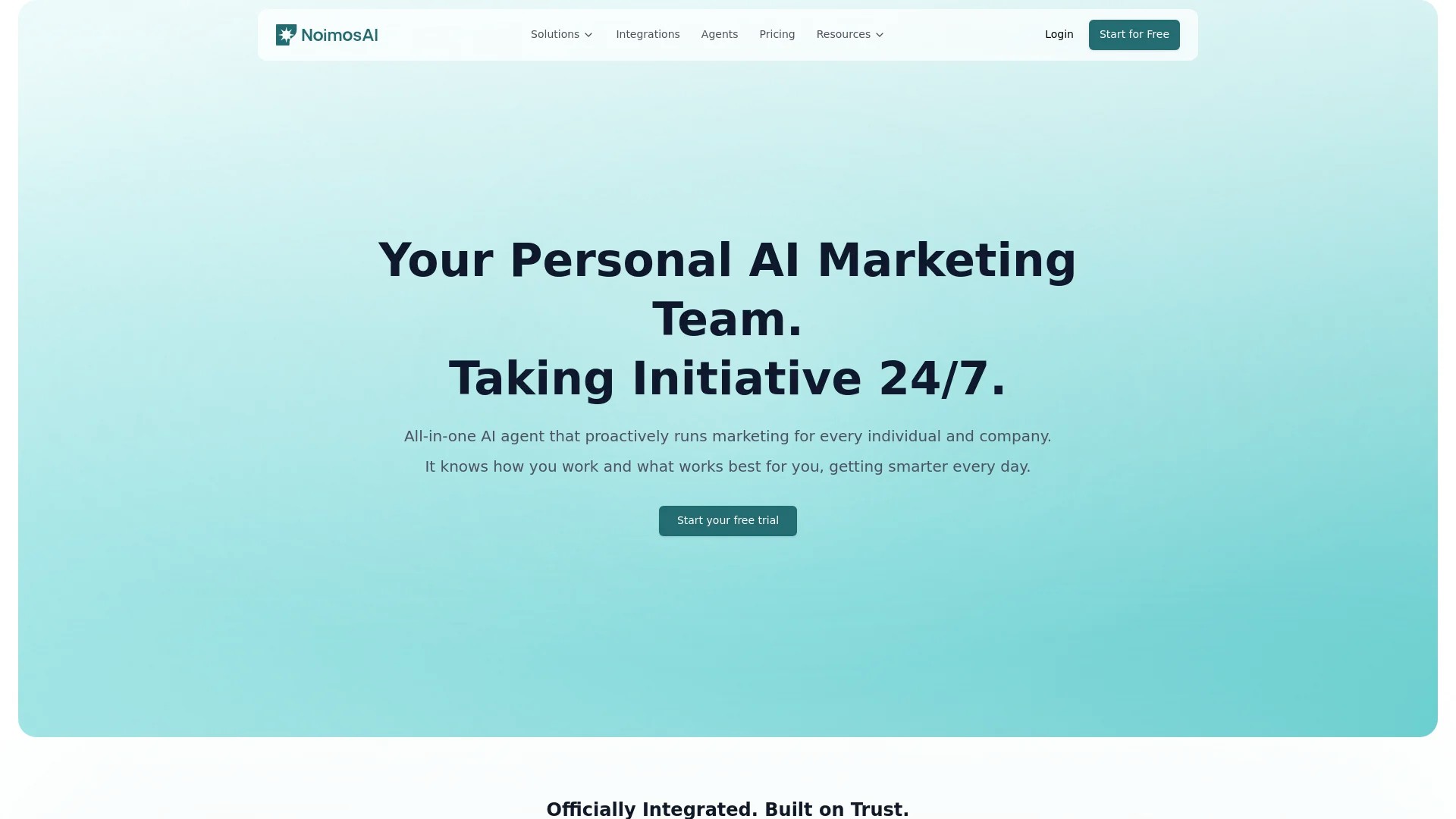
Cross-platform publishing saves significant time. You create content once and adapt it automatically for each platform’s specifications. The best tools adjust image dimensions, video lengths, and caption formats to match platform requirements.
AI content generation
Content generation features should produce multiple content types. Look for tools that create text captions, suggest relevant hashtags, and generate image concepts. Advanced tools produce video scripts and carousel post sequences.
Quality varies significantly between AI writing assistants. Test tools with your brand voice to ensure output matches your communication style. The best assistants learn from your existing content and replicate your tone accurately.
Scheduling automation with intelligence
Basic scheduling lets you plan posts in advance. Intelligent scheduling analyses when your audience is most active and automatically publishes content at optimal times. This feature removes guesswork from timing decisions.
Content calendar management keeps your team organised. Visual calendars show your entire publishing schedule across platforms. Teams can collaborate on content planning and approve posts before publication.
Analytics and performance reporting
Analytics capabilities separate good tools from great ones. Essential metrics include engagement rates, reach statistics, follower growth, and audience demographics. Advanced tools offer sentiment analysis, competitor benchmarking, and trend tracking.
Predictive analytics forecast content performance based on historical data. These features suggest topics likely to generate high engagement and identify optimal content formats for your audience.
Social listening and monitoring
Social listening tools track brand mentions across platforms. They monitor specific keywords, hashtags, and competitor activity. Sentiment analysis determines whether conversations about your brand are positive, negative, or neutral.
Alert systems notify you of important mentions requiring immediate response. Crisis detection identifies potential reputation issues before they escalate. These capabilities protect your brand whilst uncovering engagement opportunities.
Engagement and community management
Unified inboxes consolidate messages from all platforms into one interface. This centralisation prevents missed messages and speeds response times. Priority filters highlight urgent enquiries requiring immediate attention.
AI-powered response suggestions speed up customer interactions. The system analyses incoming messages and recommends appropriate replies. Team members can accept suggestions, modify them, or write custom responses.
Selection criteria for your social stack
Choosing the right AI tools requires evaluating several factors beyond basic features. These criteria ensure your selected tools work together effectively and deliver genuine value.
Integration capabilities
Check how tools connect with your existing marketing technology. Look for integrations with your CRM, email marketing platform, and project management tools. Seamless data flow between systems eliminates manual data transfer.
API access enables custom integrations when pre-built connections don’t exist. Evaluate whether tools offer webhooks, Zapier connections, or native API documentation for developers.
Pricing structure and value
AI social media tools offer varied pricing models. Some charge per user, others per social account. Enterprise plans typically include custom pricing based on usage volume.
Free trials let you test functionality before committing. Look for trials lasting 14-30 days with full feature access. Avoid tools that limit critical features during trial periods.
Consider total cost of ownership beyond subscription fees. Factor in onboarding time, training requirements, and potential consulting costs. The cheapest option rarely delivers the best long-term value.
Learning curve and usability
Complex tools require longer adoption periods. Evaluate interface design, documentation quality, and training resources. Teams resist tools that feel confusing or require extensive training.
Look for intuitive workflows that match your team’s natural processes. The best tools feel familiar immediately and gradually reveal advanced features as users gain confidence.
Scalability and growth support
Your social media presence will expand over time. Choose tools that accommodate growth without requiring platform switches. Check whether plans support adding social accounts, team members, and content volume.
Enterprise features matter even for smaller teams planning to grow. Multi-user workflows, approval processes, and role-based permissions become essential as teams expand.
The best AI tools for social media management
These tools represent the most capable AI-powered solutions for managing social media in 2026. Each excels in specific areas whilst providing comprehensive functionality for modern marketing teams.
1. Sprout Social – Best for enterprise social media management
Sprout Social serves large enterprises requiring robust listening tools, deep analytics, sentiment analysis, and AI recommendations for optimal send times. The platform offers granular reporting capabilities that satisfy demanding stakeholder requirements.
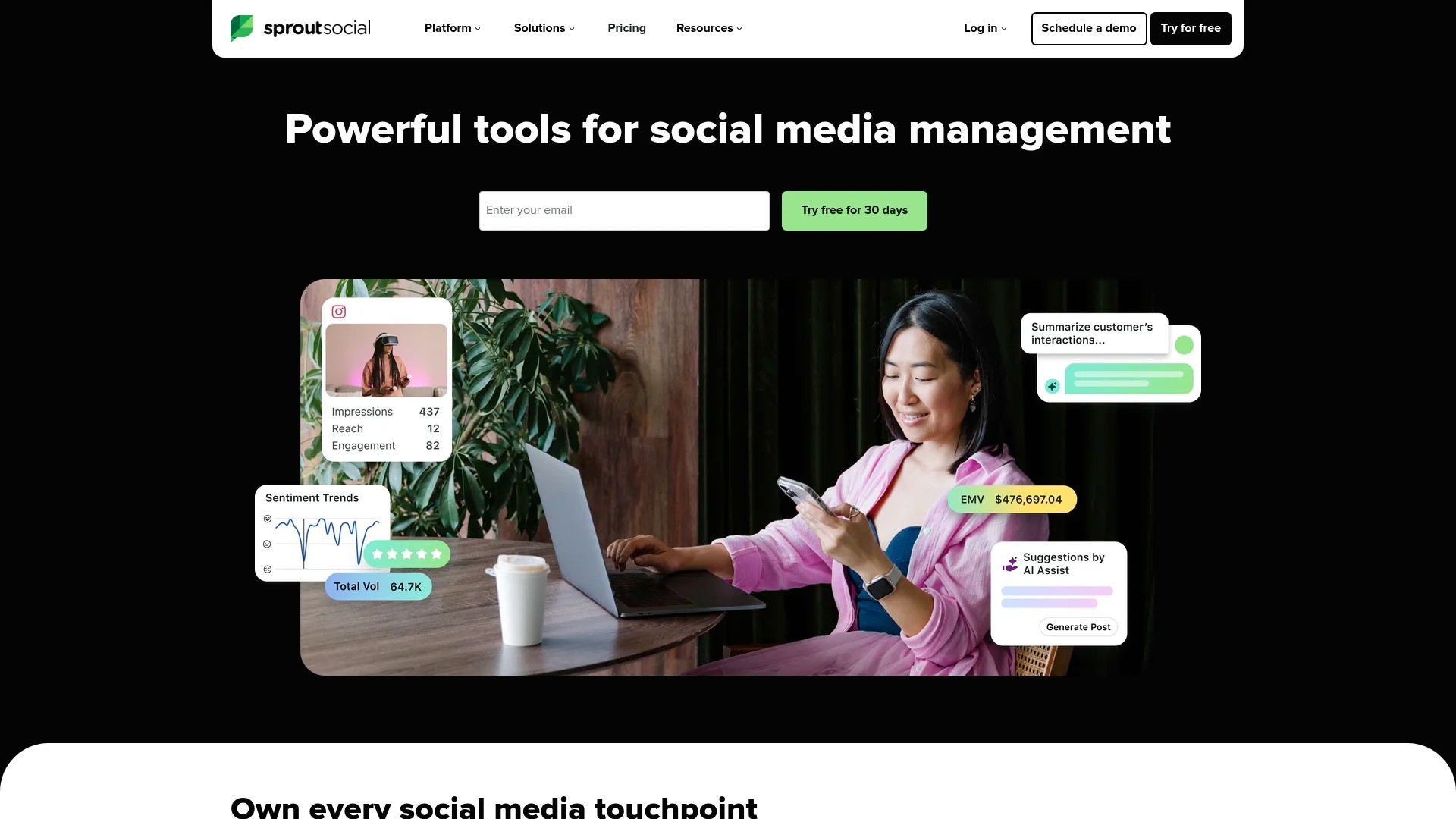
The unified inbox consolidates messages from all connected social platforms. Teams can assign conversations, tag topics, and track response times. Collision detection prevents multiple team members from responding to the same message.
Social listening features monitor industry conversations and competitor activity. Custom queries track specific keywords, hashtags, and brand mentions across platforms. Sentiment analysis reveals how audiences perceive your brand and products.
Analytics dashboards present data in customisable formats. Teams can create reports for specific stakeholders, export data for presentations, and schedule automated report delivery. The platform tracks metrics across paid and organic social efforts.
Best for: Large marketing teams managing multiple brands across numerous social accounts who need sophisticated reporting and approval workflows.
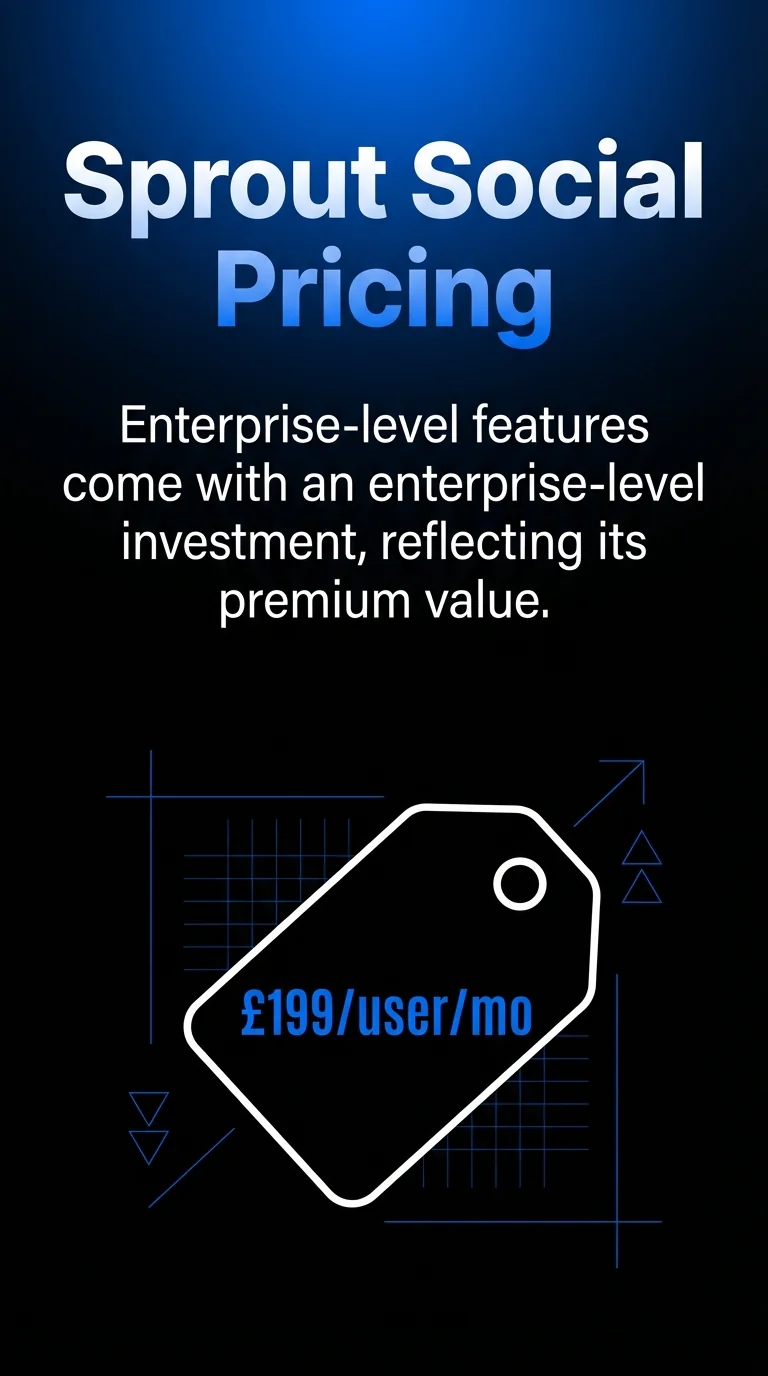
Pricing: Starts at approximately £199 per user per month with enterprise pricing available for large organisations.
2. Hootsuite with OwlyWriter – Best for AI-assisted content creation
Hootsuite integrates AI through OwlyWriter, which generates captions and provides content inspiration. The platform handles scheduling, publishing, and analytics across major social platforms from a single dashboard.
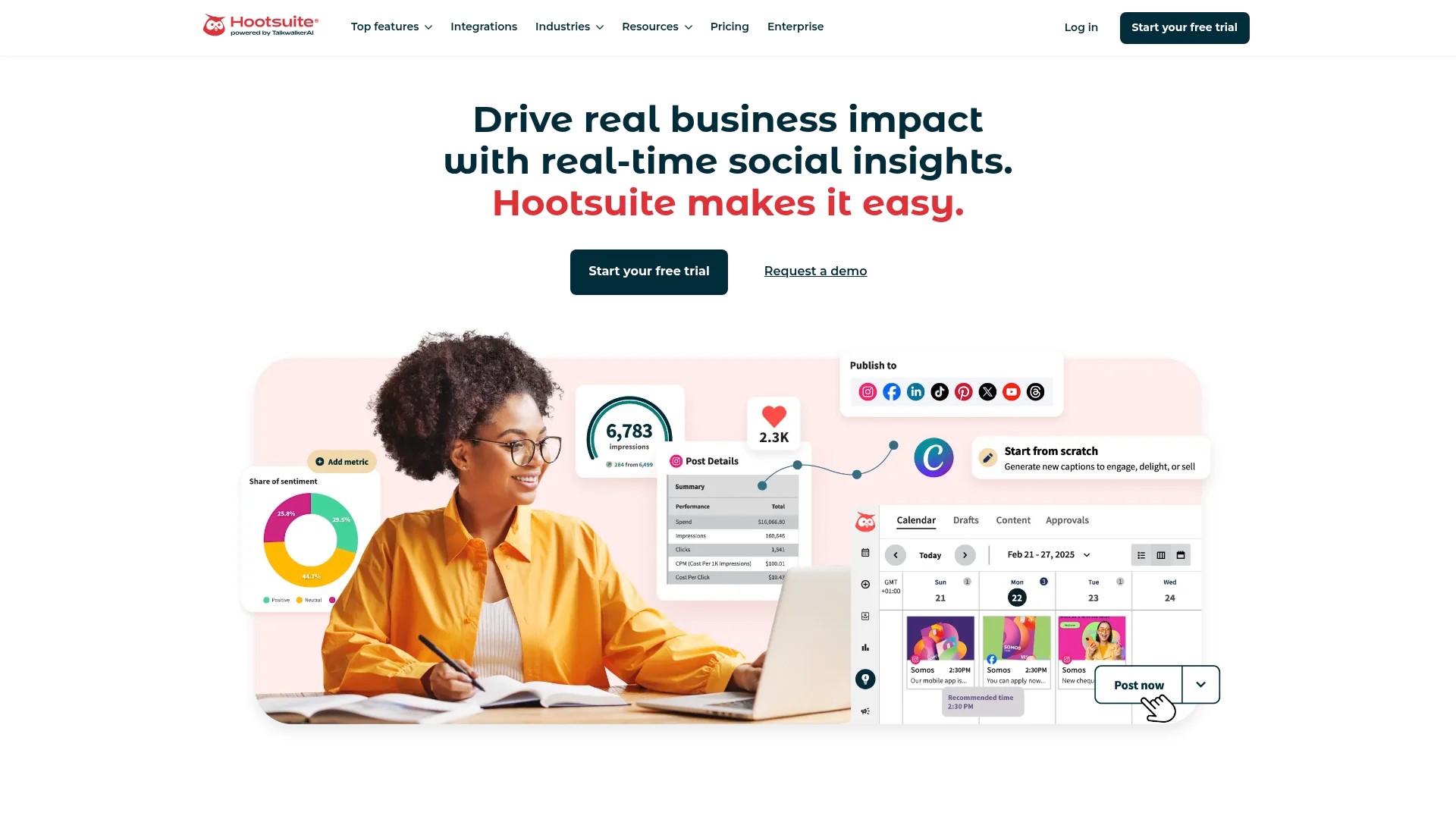
OwlyWriter analyses your previous posts to understand your brand voice. It generates multiple caption variations for each piece of content. The AI suggests relevant hashtags and optimal posting times based on audience engagement patterns.
Content calendar features enable visual planning across weeks or months. Teams can drag and drop posts to reschedule, duplicate successful content, and maintain consistent publishing cadence. Bulk scheduling handles multiple posts simultaneously.
Team collaboration tools support approval workflows. Content creators submit posts for review, managers approve or request changes, and the platform tracks revision history. Role-based permissions control who can publish directly versus requiring approval.
Best for: Marketing teams seeking comprehensive social media management with integrated AI writing assistance.
Pricing: Plans start around £49 per month with OwlyWriter included in Professional and higher tiers.
3. Buffer AI Assistant – Best for small teams and creators
Buffer suits smaller teams and individual creators with its AI assistant for repurposing posts and generating content ideas. The interface prioritises simplicity whilst delivering essential social media management capabilities.
The AI assistant transforms existing content into platform-specific formats. It converts blog posts into Twitter threads, adapts LinkedIn articles for Instagram carousels, and generates multiple variations from single pieces of content.
Idea generation features suggest content topics based on your industry and audience. The system analyses trending topics and recommends timely content that aligns with your brand. Suggestions include caption starters and hashtag recommendations.
Analytics focus on actionable insights rather than overwhelming data volume. The platform highlights your best-performing content types, optimal posting times, and audience growth trends. Reports export easily for client presentations or team reviews.
Best for: Solo creators, small businesses, and agencies managing multiple client accounts who need straightforward social media management.
Pricing: Free plan available for basic features with paid plans starting at approximately £5 per social channel per month.
4. Jasper – Best for AI copywriting and ad creation
Jasper excels at generating long-form copy and advertisement text but lacks native social media management or scheduling capabilities. The tool integrates with other platforms to complete your social stack.
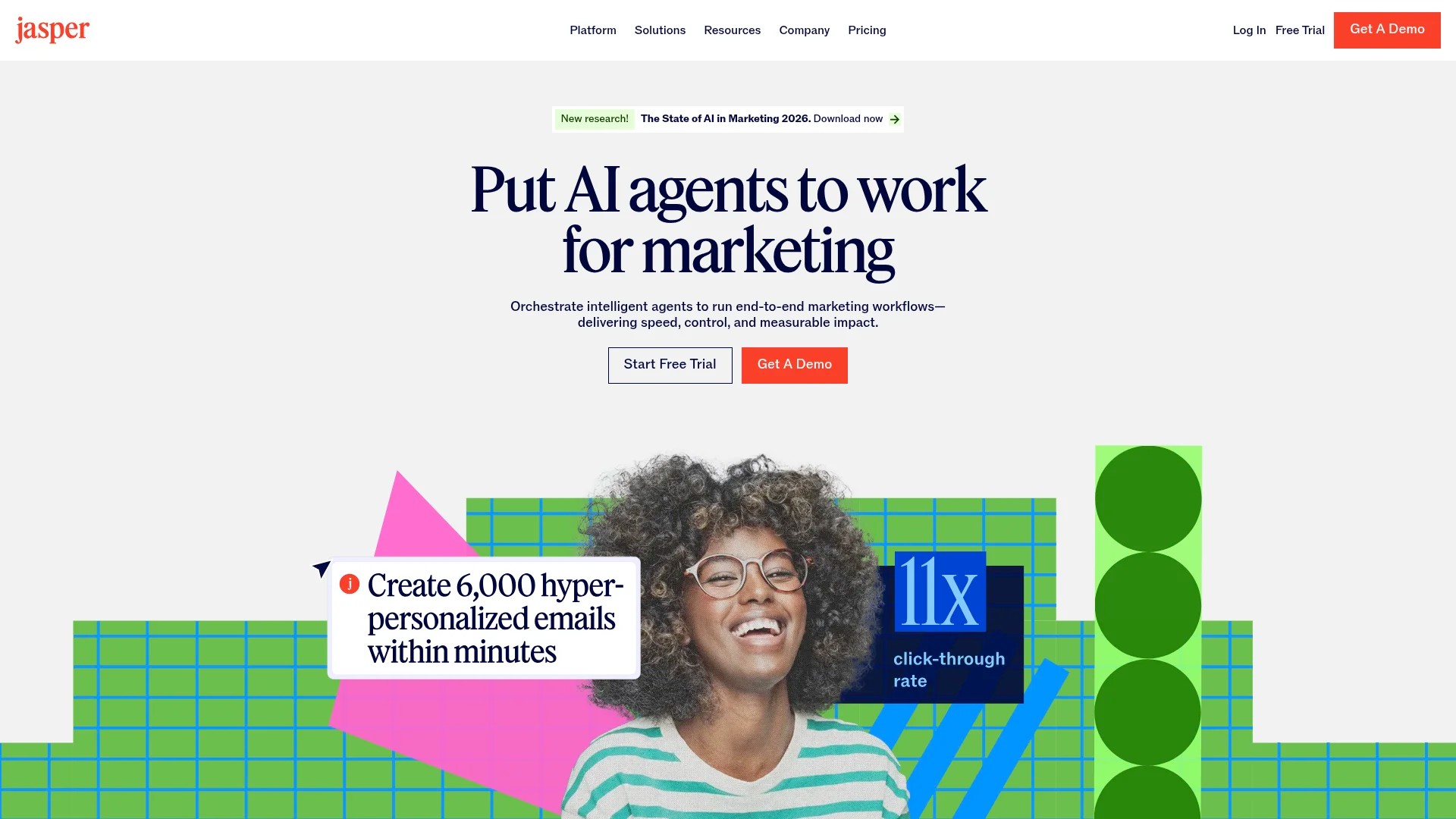
Content templates cover numerous social media formats. Users select templates for Facebook ads, Instagram captions, Twitter threads, or LinkedIn posts. The AI generates multiple variations for A/B testing.
Brand voice training ensures consistent messaging across all generated content. You provide examples of your writing style, and Jasper learns to replicate your tone, vocabulary, and messaging approach. Multiple brand voices can be stored for agencies managing various clients.
Content improvement features refine existing copy. The platform rewrites text to improve clarity, adjusts tone to match specific audiences, and expands brief notes into complete social media posts.
Best for: Content creators and marketing teams who need high-volume AI copywriting for social ads and posts but have separate scheduling tools.
Pricing: Plans start around £39 per month for individuals with team and enterprise options available.
5. Predis.ai – Best for visual content generation
Predis.ai specialises in creating visual content by generating ready-to-post images and videos from text descriptions. The platform handles both content creation and basic scheduling functionality.
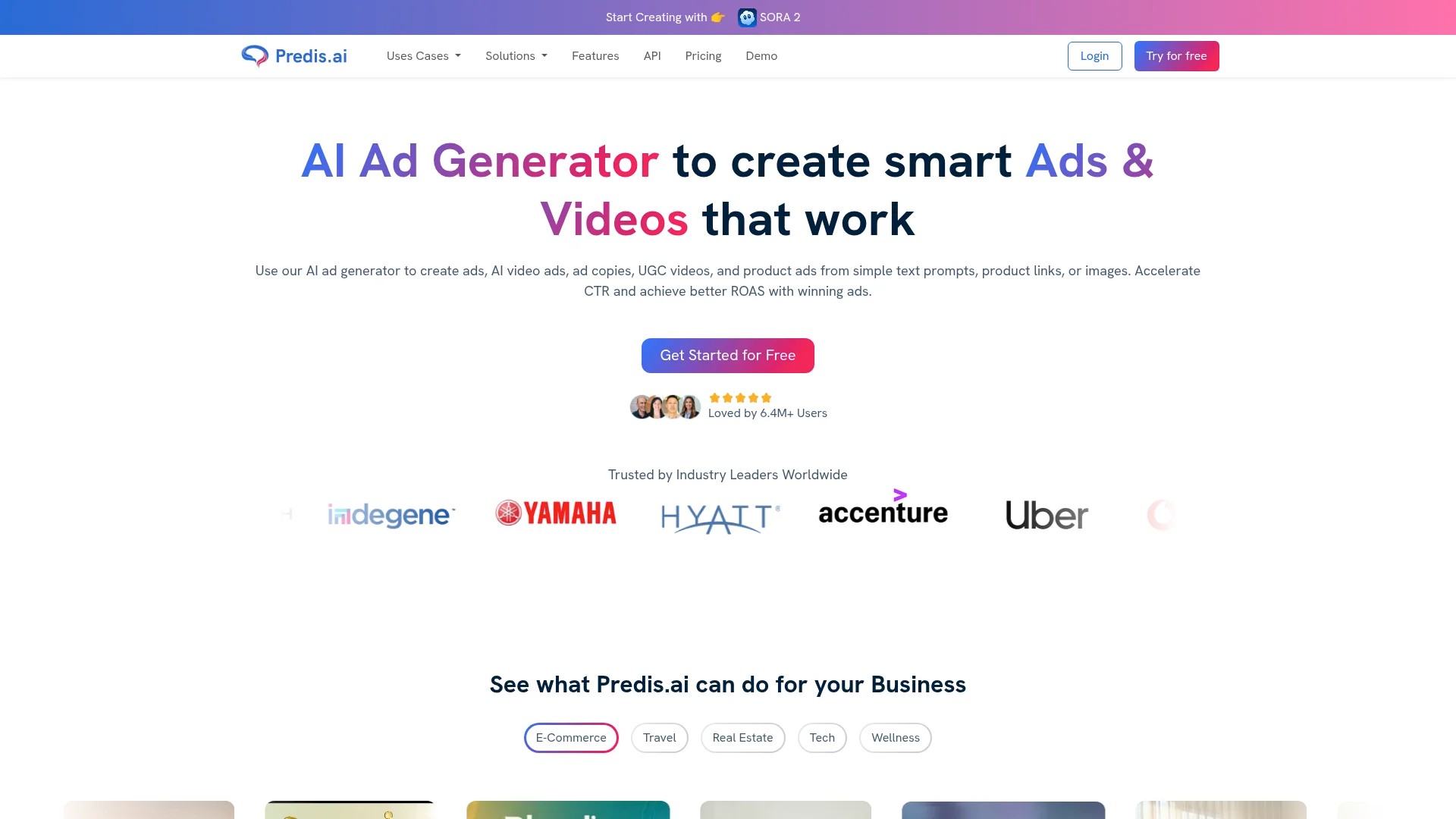
Text-to-image generation creates branded graphics from simple descriptions. You describe the visual you need, and the AI produces multiple design options matching your brand colours, fonts, and style guidelines. No design skills required.
Video creation features generate short-form video content suitable for Instagram Reels, TikTok, and YouTube Shorts. The platform adds text overlays, transitions, and background music automatically. Users can customise generated videos using the built-in editor.
Carousel post generators create multi-image posts for Instagram and LinkedIn. The AI designs each slide with complementary layouts whilst maintaining visual consistency throughout the carousel sequence.
Best for: Brands and creators who prioritise visual content and need rapid production of images and videos without dedicated design resources.
Pricing: Free tier available with limited generations, paid plans start around £29 per month.
6. Ocoya – Best for all-in-one AI social media management
Ocoya is an AI-powered platform for content creation, design, copywriting, scheduling, and publishing across channels, with integrations to task management and e-commerce tools. The platform consolidates multiple functions into a single interface.
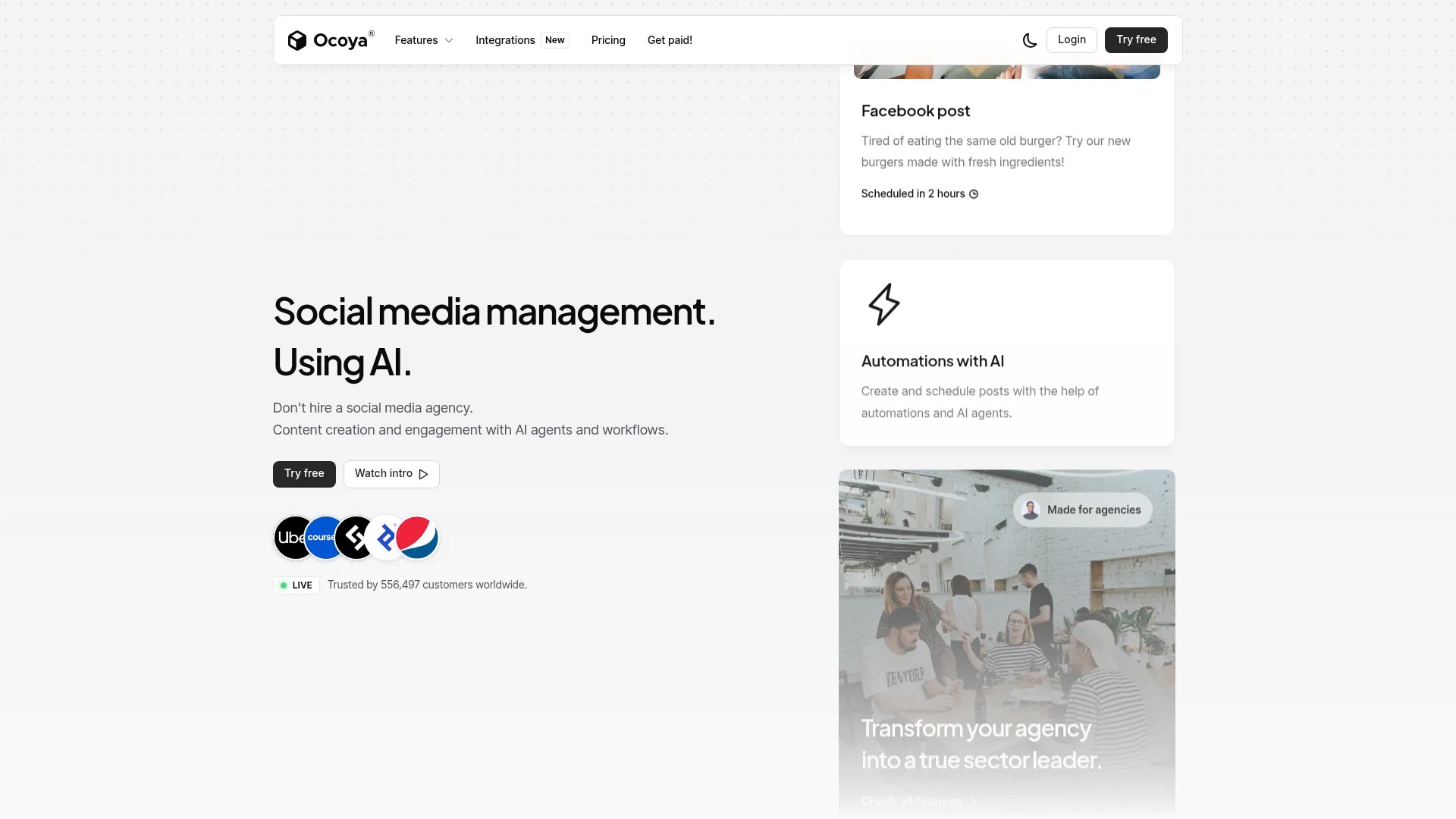
Content creation features combine AI writing with graphic design tools. Users generate captions, design accompanying visuals, and schedule posts without switching between applications. Template libraries provide starting points for various content types.
Cross-platform scheduling publishes content simultaneously across Instagram, Facebook, Twitter, LinkedIn, and TikTok. The platform adapts content formatting automatically for each platform’s specifications.
E-commerce integrations connect with online shops to create product-focused social content. The system pulls product images, descriptions, and pricing to generate promotional posts automatically. This feature works particularly well for catalogue-driven marketing.
Best for: E-commerce brands and businesses seeking comprehensive social media management with integrated design capabilities.
Pricing: Plans start at approximately £19 per month for individuals with business and agency tiers available.
7. ManyChat – Best for conversational AI and chatbot automation
ManyChat enables engagement via chatbots, messaging sequences, and campaigns on Facebook, Instagram, WhatsApp, and others using a no-code drag-and-drop builder with AI personalisation, according to recent platform analysis.
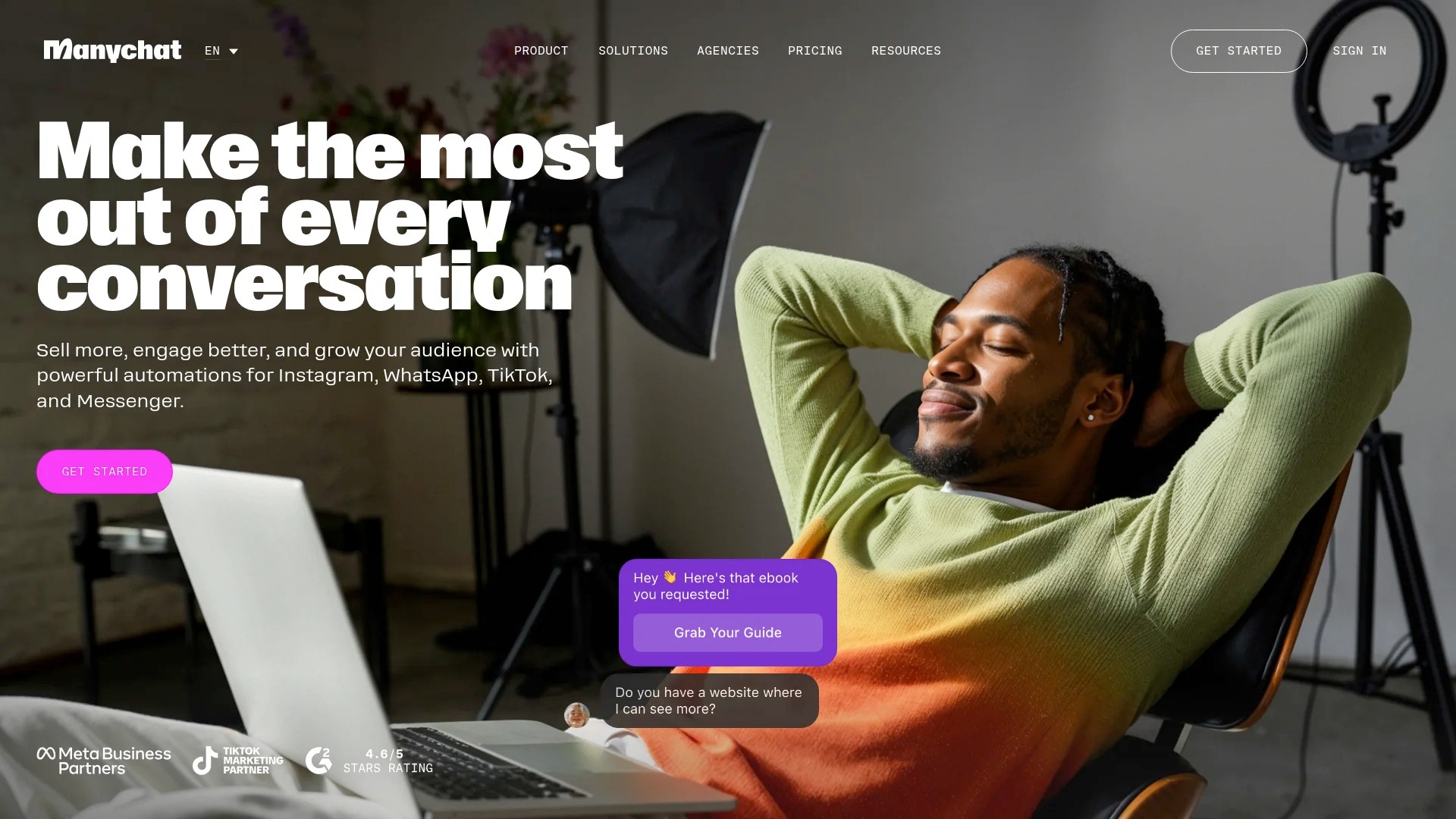
Visual flow builders create conversation paths without coding. You design chatbot interactions by connecting message blocks, adding conditional logic, and defining user paths. Testing features let you preview conversations before launching.
AI personalisation adapts responses based on user behaviour and preferences. The system remembers previous interactions, segments users automatically, and delivers relevant content based on engagement history.
Automation sequences nurture leads through multi-message campaigns. Users receive timed messages, promotional offers, and content recommendations based on their actions. Abandoned cart recovery, event reminders, and post-purchase follow-ups run automatically.
Best for: Businesses focused on direct customer engagement through messaging platforms who want to automate conversations whilst maintaining personal connection.
Pricing: Free plan available for basic chatbots with Pro plans starting around £15 per month.
8. Opencord AI – Best for automated engagement and lead generation
Opencord AI specialises in automated engagement by finding relevant conversations and managing replies to drive leads. The platform identifies opportunities for your brand to participate in industry discussions meaningfully.
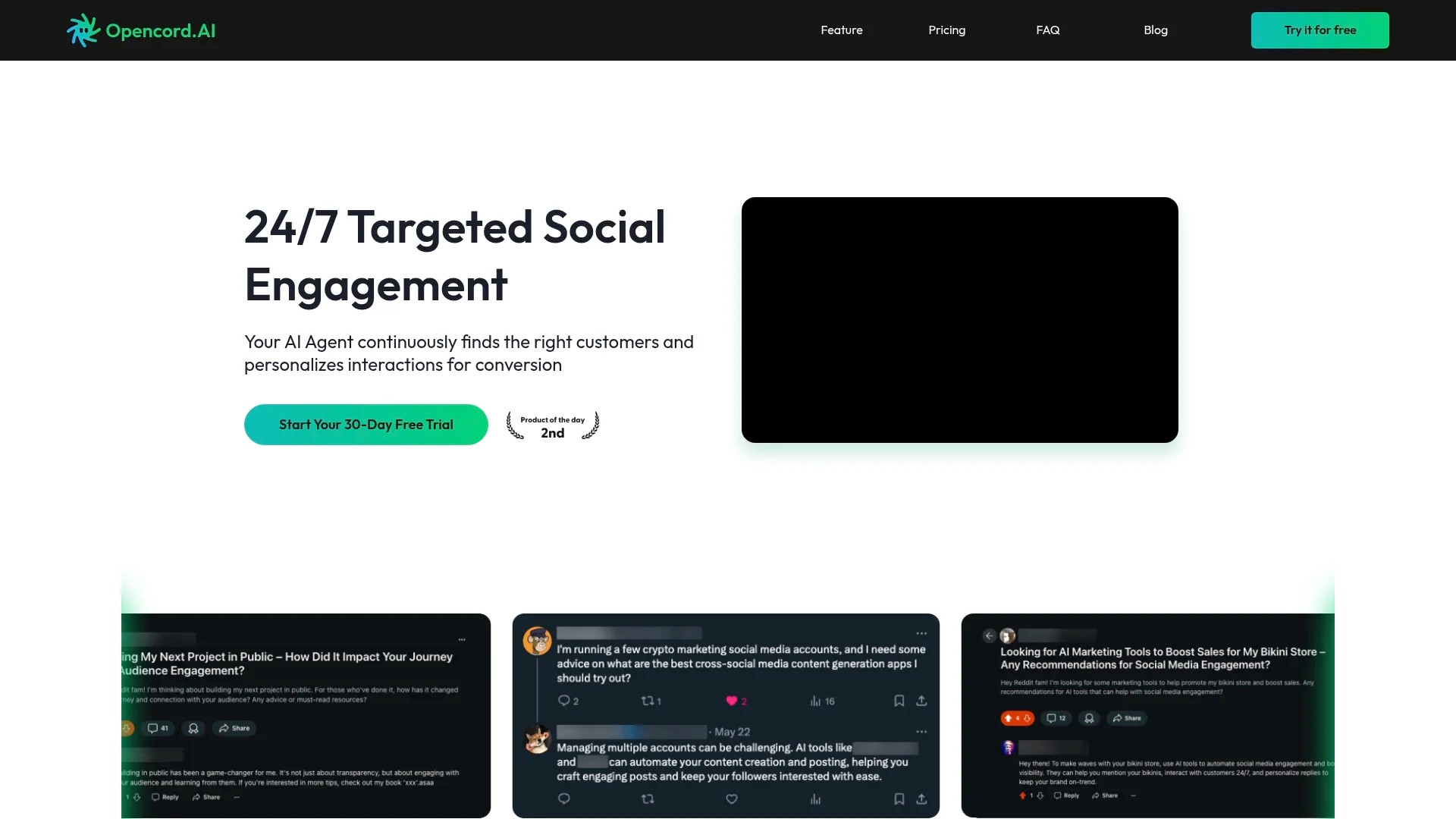
Conversation discovery monitors social platforms for relevant discussions. The AI identifies posts where your expertise adds value, filtering out conversations unlikely to generate business results. This targeted approach prevents spammy engagement.
Reply automation generates contextually appropriate responses to identified conversations. The system suggests comments that answer questions, provide helpful insights, and subtly position your brand as knowledgeable. Human approval ensures quality before posting.
Lead tracking connects social engagement to business outcomes. The platform monitors which conversations generate profile visits, website clicks, and eventual conversions. This attribution helps justify social media investment.
Best for: B2B companies and consultants seeking to build authority through valuable social media participation rather than traditional advertising.
Pricing: Custom pricing based on engagement volume and requirements.
9. Konnect Insights – Best for comprehensive social listening
Konnect Insights provides social listening, monitoring, analytics, sentiment analysis, custom dashboards, AI reports, competitor benchmarking, and trend tracking across platforms. The tool prioritises data analysis over content creation.
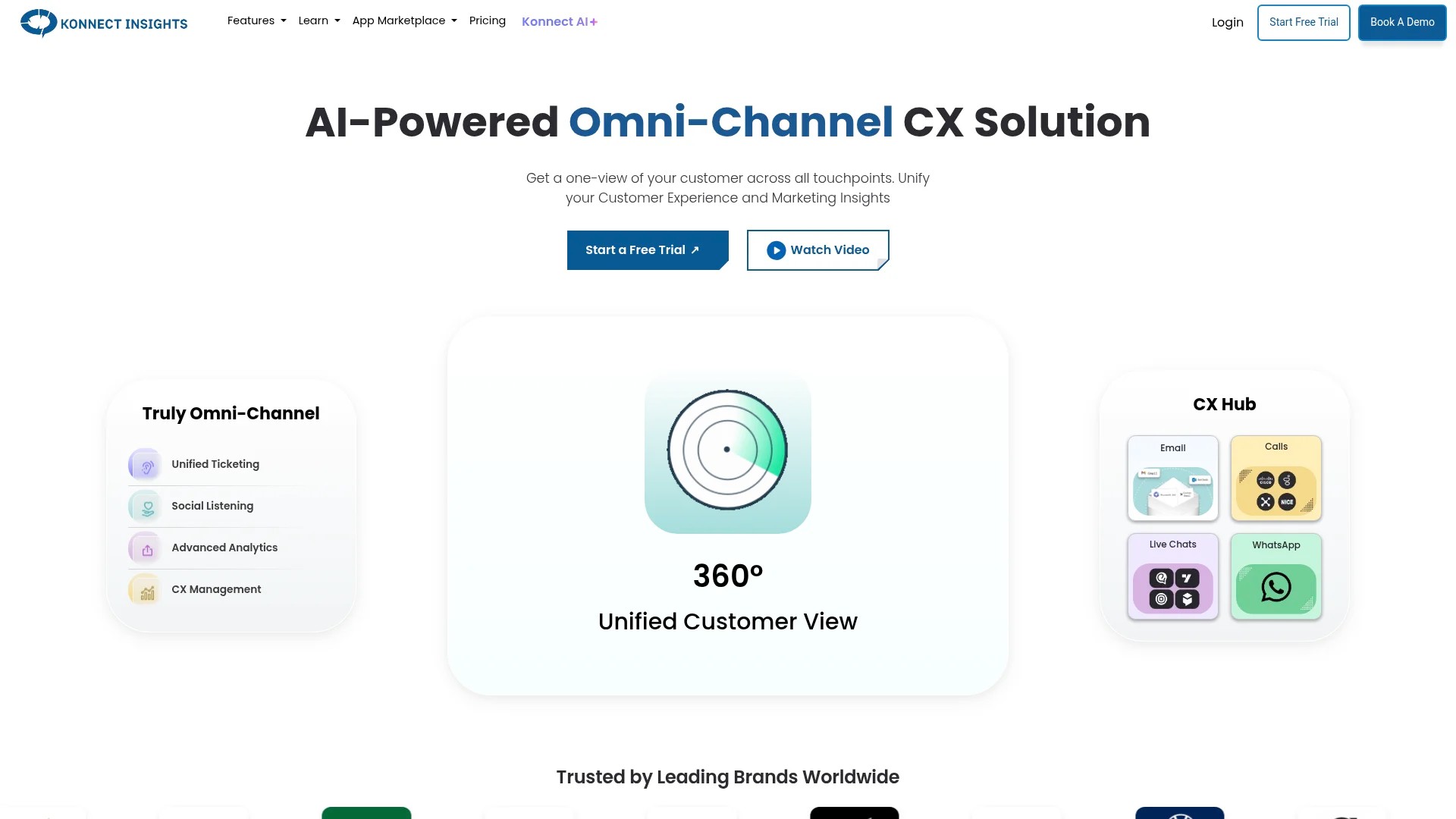
Social listening monitors brand mentions across social platforms, news sites, blogs, and forums. Custom queries track specific topics, products, campaigns, or executive names. Real-time alerts notify teams of spikes in mention volume or sentiment shifts.
Sentiment analysis categorises conversations as positive, negative, or neutral. The AI identifies emerging issues requiring response and highlights opportunities for positive engagement. Trend analysis reveals how sentiment changes over time.
Competitive intelligence tracks rival brands using identical monitoring capabilities. Compare your performance metrics against competitors, identify their successful content strategies, and spot gaps in their market positioning.
Best for: Large brands and agencies requiring sophisticated monitoring, crisis management capabilities, and detailed competitive analysis.
Pricing: Enterprise pricing varies based on monitoring volume and features required.
Building your integrated AI social stack
Effective social media management requires multiple tools working together rather than a single all-in-one solution. Each tool handles specific functions whilst sharing data across your workflow.
Core stack architecture
Start with a scheduling and publishing platform as your foundation. This becomes your central hub for content calendar management and cross-platform publishing. Maximising social media efficiency with AI-powered tools requires this solid foundation.
Add AI content generation tools to accelerate creation. Use writing assistants for captions and visual generators for images. These tools feed content into your scheduling platform.
Include analytics and listening tools to inform strategy. Monitor performance data, track brand mentions, and identify trending topics. These insights guide your content planning.
Incorporate engagement tools to manage community interactions. Unified inboxes and chatbot automation ensure timely responses across platforms.
Integration strategies
Native integrations provide the smoothest data flow between tools. Check whether your selected platforms connect directly before committing. Pre-built connections require minimal setup and maintain themselves automatically.
Zapier bridges tools lacking native integrations. Create automated workflows that trigger actions across platforms. Common automations include saving published posts to spreadsheets, notifying teams of high-performing content, and creating tasks from social mentions.
API connections enable custom integrations for unique requirements. Development teams can build specific data flows matching your exact workflow needs. This approach requires technical resources but delivers precise results.
Workflow optimisation
Map your current social media workflow before adding AI tools. Identify bottlenecks, repetitive tasks, and quality issues. Target these problems with specific AI capabilities.
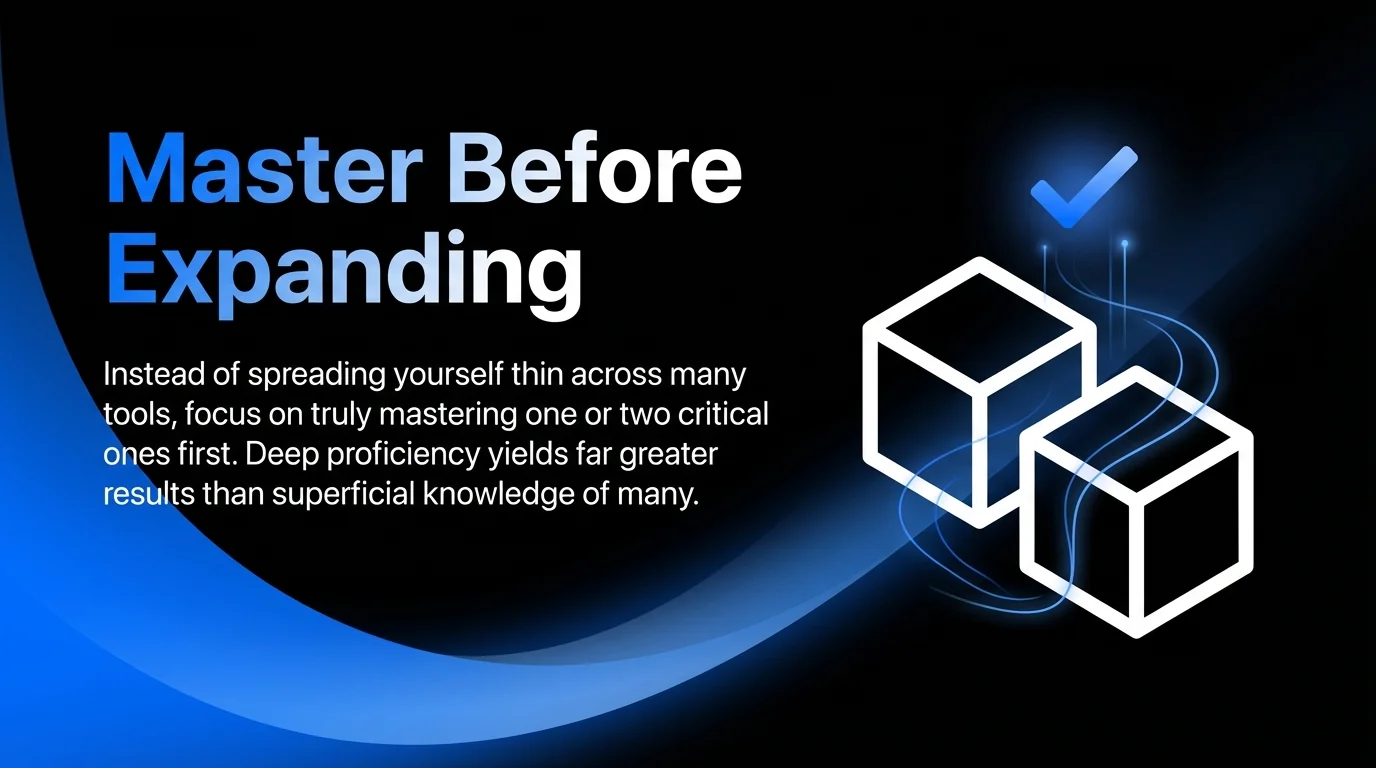
Start with one or two tools addressing your biggest challenges. Master these before expanding your stack. Attempting to implement multiple complex tools simultaneously overwhelms teams and reduces adoption rates.
Create standard operating procedures documenting how tools work together. Include which team members use each tool, when specific platforms get checked, and how content moves through your workflow. Clear processes prevent confusion as your stack grows.
Implementation best practices
Successfully deploying AI tools requires thoughtful planning beyond simply purchasing subscriptions. These practices ensure your team adopts new tools effectively.
Gradual rollout approach
Introduce tools sequentially rather than simultaneously. Select one tool, train your team thoroughly, establish consistent usage patterns, then add the next tool. This prevents overwhelming team members with excessive change.
Pilot programmes let you test tools with small groups before company-wide deployment. Select enthusiastic early adopters who provide feedback and identify issues. Refine your processes based on pilot learnings before broader rollout.
Training and adoption
Comprehensive training prevents underutilisation of tool capabilities. Schedule structured training sessions covering essential features. Provide access to tutorial videos, documentation, and practice environments.
Designate tool champions within your team who develop deep expertise. Champions assist colleagues, answer questions, and identify advanced use cases. This peer support improves adoption significantly.
Regular refresher sessions introduce new features and advanced capabilities. Tools evolve rapidly, and ongoing education ensures your team leverages the latest functionality.
Quality control measures
AI-generated content requires human review before publication. Establish approval workflows ensuring experienced team members verify AI output quality, accuracy, and brand alignment.
Create brand guidelines specifically for AI tools. Document acceptable tone, prohibited topics, and quality standards. These guidelines help AI systems generate appropriate content consistently.
Monitor published content performance to identify AI patterns that resonate with audiences. Double down on successful approaches whilst abandoning ineffective strategies.
Measuring social stack effectiveness
Quantifying the value of your AI social stack justifies investment and guides optimisation decisions. Track these metrics to evaluate performance.
Efficiency metrics
Time saved per content piece measures productivity improvements. Compare content creation time before and after implementing AI tools. Calculate total hours saved monthly across your entire team.
Content volume produced tracks output increases. AI tools should enable higher publishing frequency without additional resources. Monitor whether you’re maintaining quality whilst increasing quantity.
Response times to customer enquiries improve with unified inboxes and automated replies. Track average response times and percentage of enquiries resolved within target timeframes.
Performance metrics
Engagement rates reveal whether AI-generated content resonates with audiences. Compare engagement on AI-assisted posts versus manually created content. Sustained or improved engagement indicates successful AI integration.
Audience growth measures long-term brand building. AI tools should support consistent publishing and engagement that attracts new followers. Track follower acquisition rates across platforms.
Conversion rates from social traffic demonstrate business impact. Monitor clicks to your website, lead form submissions, and sales originating from social media. AI tools should improve these outcomes through better targeting and optimisation.
Cost-benefit analysis
Total tool costs include subscriptions, training time, and integration development. Calculate your complete monthly investment in your social stack.
Value delivered encompasses time savings, increased output, improved engagement, and generated revenue. Estimate the monetary value of efficiency gains and direct business results.
Return on investment compares costs against delivered value. Positive ROI justifies continued investment whilst negative results signal necessary adjustments to your tool selection or usage patterns.
Common implementation challenges
Teams encounter predictable obstacles when building AI social stacks. Understanding these challenges helps you navigate them successfully.
Tool redundancy and overlap
Multiple tools often provide similar features. Paying for duplicate capabilities wastes budget and confuses team members about which tool to use for specific tasks.
Audit your stack regularly to identify overlapping features. Consolidate tools where possible or clearly designate which tool handles specific functions. Create decision trees helping team members select appropriate tools for each situation.
Data fragmentation
Performance data scattered across multiple platforms prevents comprehensive analysis. Teams struggle to develop unified views of social media effectiveness when data lives in separate systems.
Establish a single source of truth for social media data. Export data from individual tools into centralised dashboards or data warehouses. Many analytics platforms aggregate data from multiple sources into unified reports.
Brand voice inconsistency
AI tools sometimes generate content that doesn’t match your brand voice. Inconsistent tone damages brand identity and confuses audiences about your communication style.
Train AI tools using your best existing content. Provide extensive examples demonstrating your preferred tone, vocabulary, and messaging approach. Review AI output carefully initially, accepting only content that genuinely reflects your brand.
Future trends in AI social media management
AI capabilities continue advancing rapidly. Understanding emerging trends helps you prepare for future opportunities and challenges.
Enhanced personalisation
AI systems will generate increasingly personalised content for audience segments. Tools will create unique post variations targeting specific demographics, interests, and engagement patterns automatically.
Predictive personalisation will anticipate individual user preferences before explicit signals. AI will identify which content formats, topics, and messaging approaches resonate with specific followers.
Multimodal content generation
Future tools will create comprehensive content campaigns from simple text prompts. Describe a campaign concept, and AI will generate coordinated images, videos, captions, and engagement strategies across platforms.
Video generation capabilities will advance significantly. AI will produce professional-quality video content including editing, effects, and soundtrack selection from basic scripts or concept descriptions.
Autonomous social media management
Fully autonomous systems will handle complete social media operations with minimal human intervention. These systems will research trending topics, create relevant content, publish at optimal times, and engage with audiences independently.
Human roles will shift toward strategy and oversight rather than execution. Marketing teams will focus on defining brand positioning, setting goals, and evaluating AI performance whilst algorithms handle tactical implementation.
Choosing the right tools for your needs
Your ideal social stack depends on your specific circumstances rather than universal best practices. Consider these factors when making selections.
Team size and structure
Small teams need different tools than enterprise organisations. Solo creators benefit from simple, affordable tools combining multiple functions. Large teams require sophisticated collaboration features, approval workflows, and role-based permissions.
Remote teams prioritise cloud-based tools with strong collaboration capabilities. Co-located teams might accept desktop applications with fewer sharing features.
Platform priorities
Your primary social platforms determine essential integrations. B2B companies focusing on LinkedIn need tools with robust LinkedIn capabilities. Consumer brands emphasising Instagram require strong visual content features.
Check whether tools support your priority platforms before committing. Generic social media tools sometimes lack platform-specific features available in specialised alternatives.
Content types and volume
Visual brands need strong image and video generation capabilities. Text-focused brands prioritise writing assistants and copywriting tools. High-volume publishers require bulk scheduling and content repurposing features.
Consider your publishing frequency when evaluating pricing models. Tools charging per post become expensive for high-volume operations. Unlimited publishing plans suit frequent posters better.
Budget constraints
Premium tools offer advanced features but may exceed available budgets. Evaluate whether essential capabilities exist in affordable alternatives. Many excellent tools offer free tiers or inexpensive plans suitable for smaller operations.
Factor in total costs including training time and potential consulting fees. Expensive tools that your team never masters waste money regardless of their capabilities.
Getting started with your AI social stack
Building an effective AI social stack follows a logical progression. These steps guide your implementation journey from initial planning through full deployment.
Begin by auditing your current social media workflow. Document every task from content ideation through performance reporting. Identify time-consuming manual processes, quality inconsistencies, and gaps in your current capabilities.
Research tools addressing your specific pain points. Read comparison articles like adopting AI for smarter social media and test platforms offering free trials. Focus on tools solving your biggest challenges rather than chasing comprehensive feature lists.
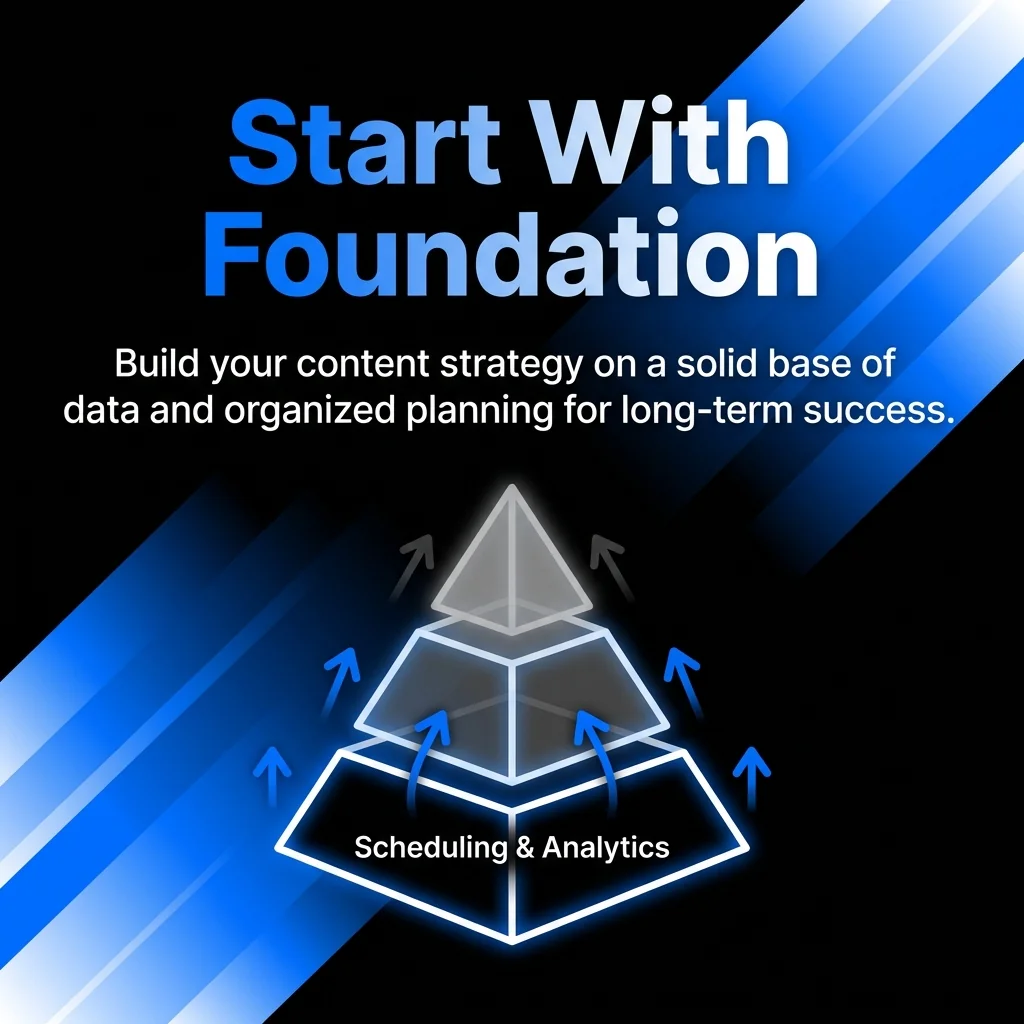
Start with scheduling and analytics as your foundation. These core capabilities support all other social media activities. Master your primary scheduling platform thoroughly before adding specialised tools.
Add content generation tools next. Test AI writing assistants and visual generators to accelerate creation. Implement quality control processes ensuring AI output meets brand standards.
Incorporate engagement and listening tools after establishing consistent publishing. Monitor brand mentions, track sentiment, and automate responses to common enquiries. These capabilities protect your reputation whilst identifying growth opportunities.
Evaluate performance regularly. Track efficiency metrics, engagement rates, and business outcomes. Adjust your tool selection and usage patterns based on measured results rather than assumptions.
Stay informed about emerging capabilities through resources covering AI social media post generators and related technologies. AI tools evolve rapidly, and new capabilities emerge frequently. Reassess your stack quarterly to ensure you’re leveraging the latest innovations.
Your AI-enhanced social stack should evolve alongside your business needs and available technology. The tools you select today might change as your team grows, your strategy shifts, or superior alternatives emerge. Maintain flexibility whilst building the integrated system that transforms your social media management from reactive execution into strategic advantage.