Email marketing and social media shouldn’t operate in silos. When you integrate these channels strategically, you create a unified marketing ecosystem that amplifies your reach, strengthens customer relationships, and drives measurable results. The most successful marketers today leverage cross-promotion tactics that turn email subscribers into social followers and social audiences into engaged email list members.
Integration means more than adding social icons to your newsletter footer. It requires deliberate coordination of messaging, content repurposing across platforms, and using each channel’s unique strengths to complement the other.
This comprehensive guide provides actionable strategies to integrate email marketing and social media effectively. You’ll discover proven techniques for growing both audiences simultaneously, creating consistent brand experiences, and maximizing the value of every piece of content you produce. By the end, you’ll have a clear roadmap for building a cohesive marketing strategy that delivers better engagement and stronger conversions.
1. Why Integrate Email Marketing and Social Media?
The digital marketing landscape has shifted dramatically. Customers interact with brands across multiple touchpoints before making purchase decisions. They might discover you on Instagram, sign up for your newsletter, read your content, and return via Facebook before converting.
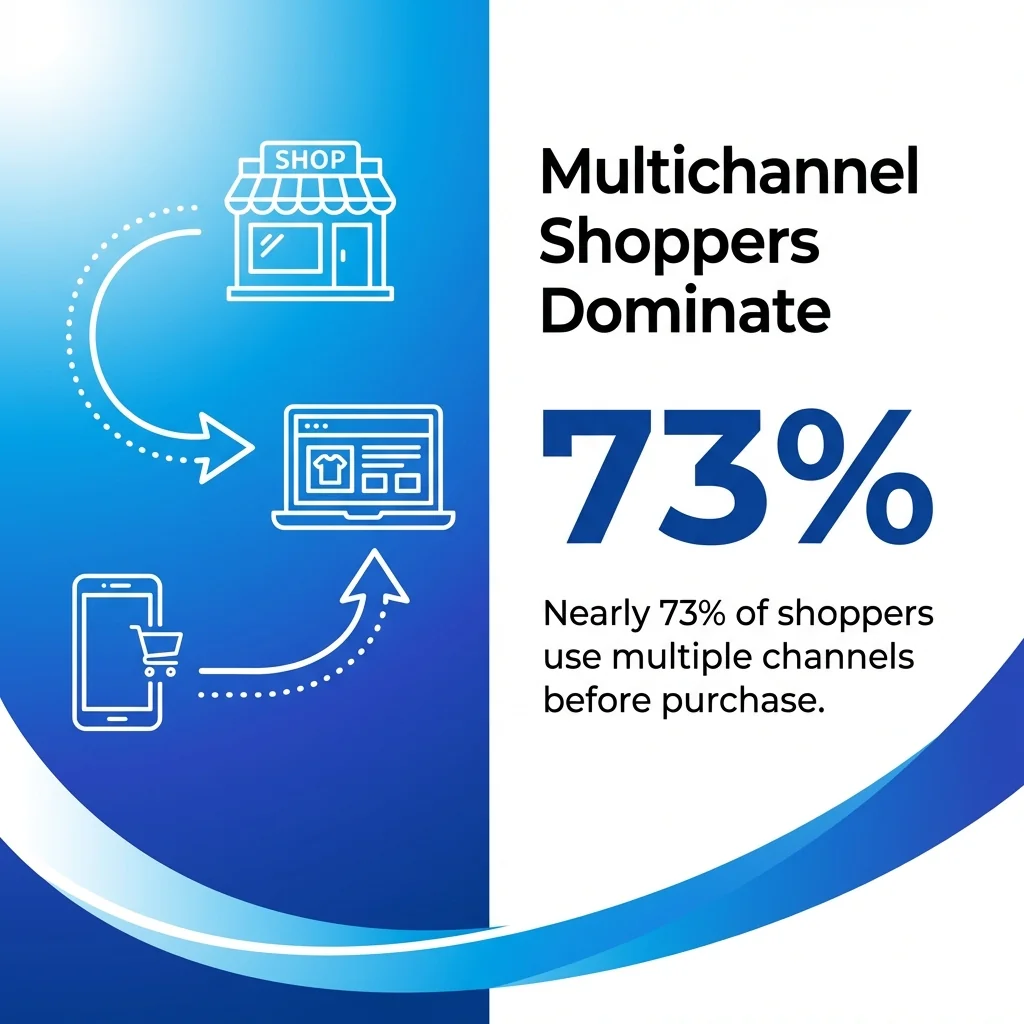
Nearly 73% of shoppers use multiple channels before purchase, emphasising the need for seamless transitions between platforms. When your email marketing and social media work together, you create those smooth transitions that guide customers naturally through their journey.
Integrated strategies also combat the limitations of relying on single channels. Social media algorithms constantly change, limiting organic reach. Email ensures you maintain direct communication with your audience regardless of platform updates.
Conversely, social media provides discovery opportunities that email cannot. New audiences find your brand through shares, hashtags, and recommendations. Integration captures those social discoveries and converts them into owned marketing assets through email subscriptions.
2. Benefits of Combining Email and Social Media Marketing
Integration delivers tangible business advantages beyond theoretical synergy. The data supporting combined strategies demonstrates clear performance improvements across multiple metrics.
Enhanced Customer Retention and Lifetime Value
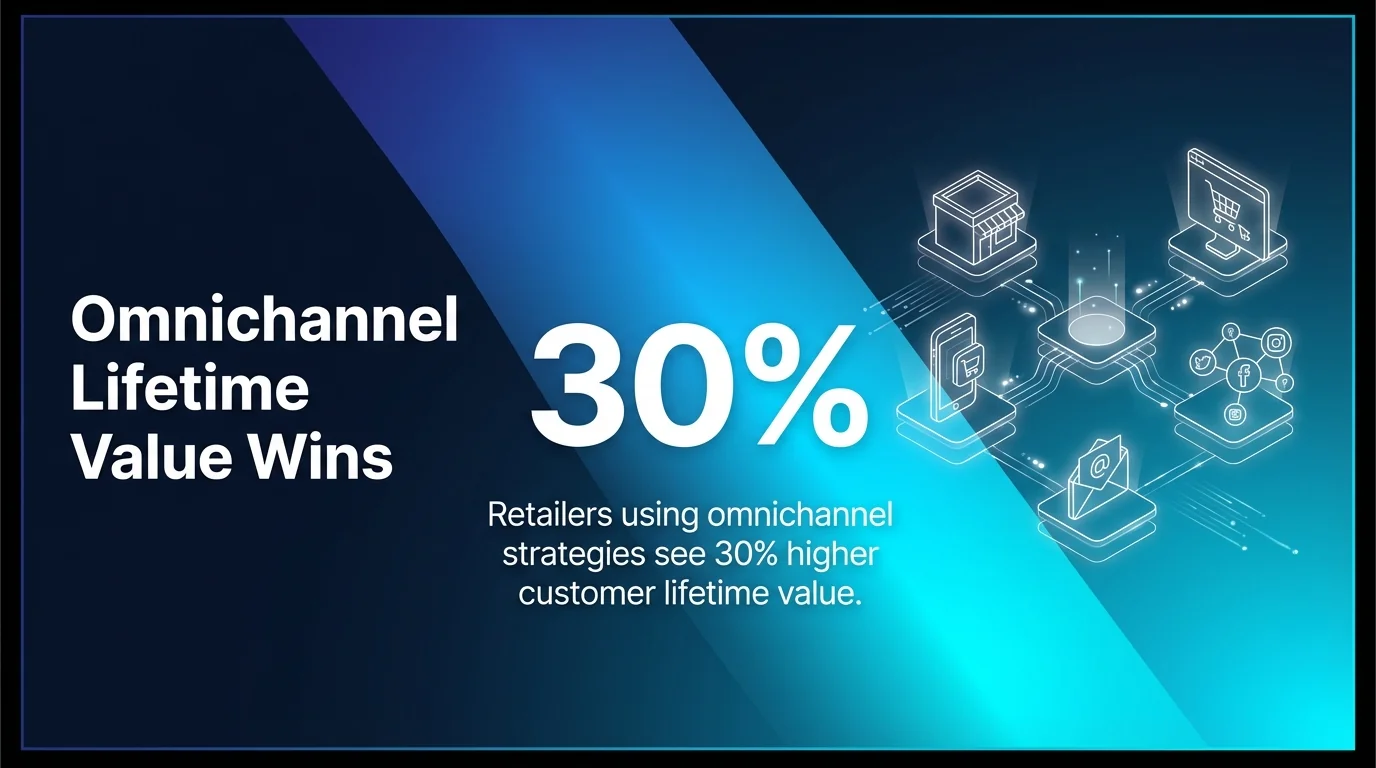
Retailers using omnichannel strategies see 30% higher customer lifetime value, with retention rates increasing significantly as customers engage across channels. Single-channel customers show 2.2x higher 90-day retention compared to those with no channel engagement, with an additional 78% uplift when adding a second channel.
This retention boost stems from multiple touchpoints reinforcing your brand message. Customers who interact with you via email and social media develop stronger brand recall and emotional connections.
Improved Revenue Growth and Customer Loyalty
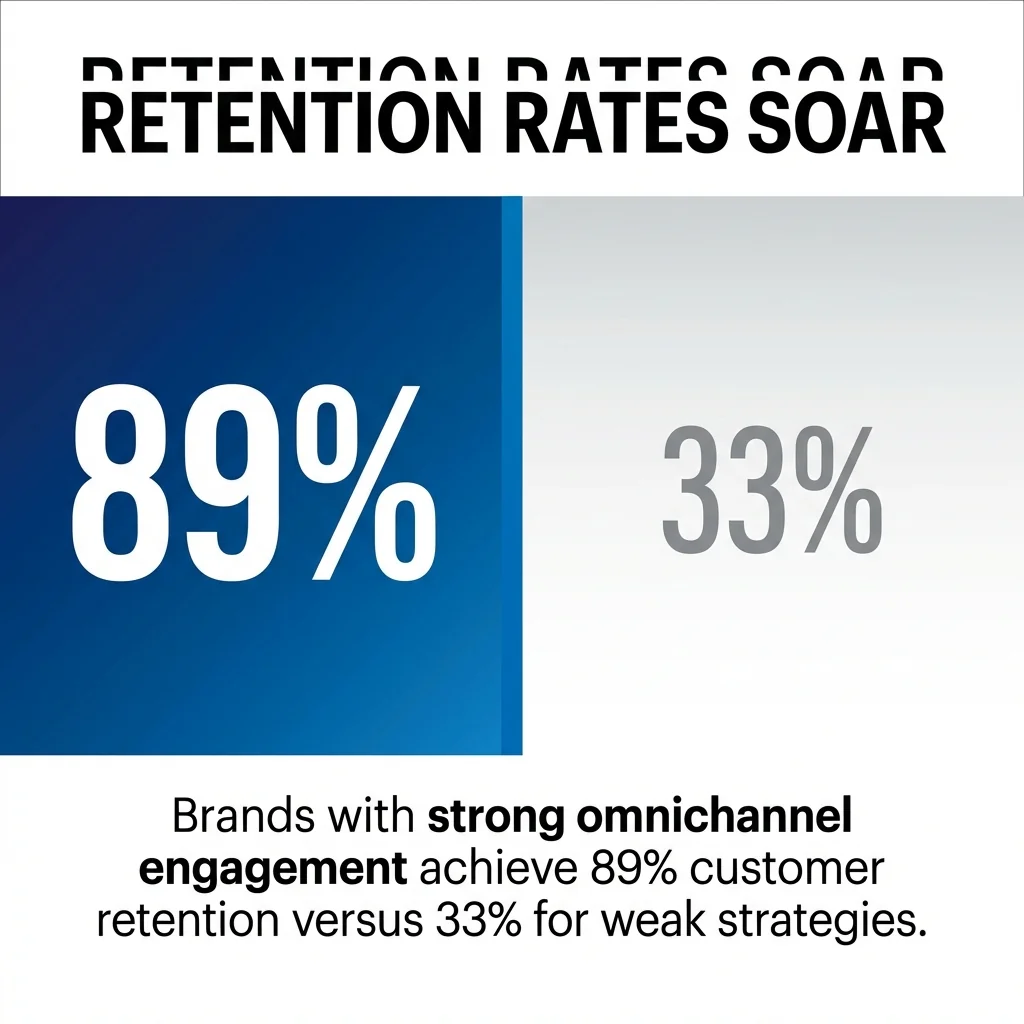
Brands with strong omnichannel engagement achieve 89% customer retention versus 33% for weak strategies, whilst generating 9.5% annual revenue growth compared to just 3.4% for single-channel approaches.
The revenue difference reflects how integrated experiences reduce friction in the customer journey. When customers can seamlessly move from social discovery to email nurturing to purchase, conversion rates naturally improve.
Increased Personalisation Opportunities
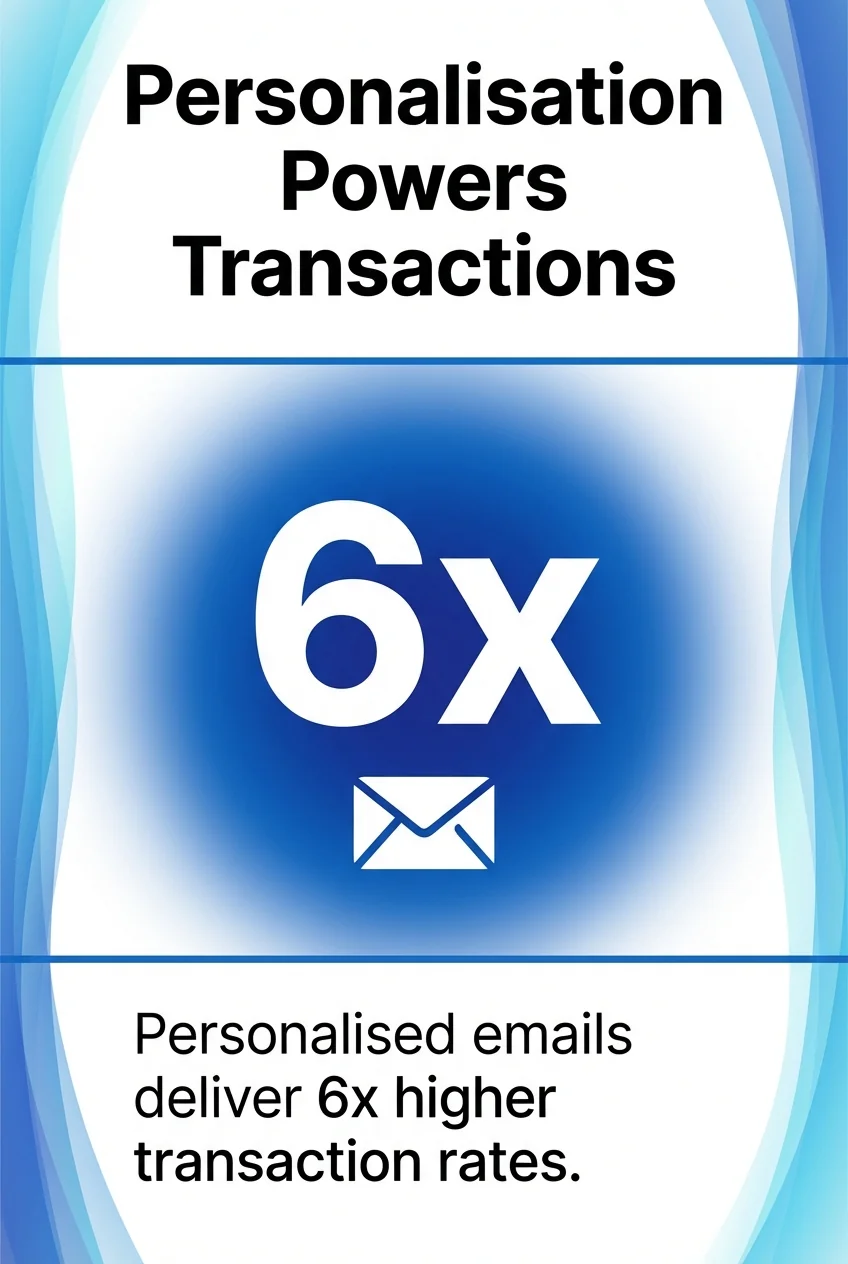
Personalised emails deliver 6x higher transaction rates when based on customer data like purchase history and behaviour. Integration enables richer personalisation by combining social engagement signals with email interaction data.
You can identify which content types resonate on social media, then deliver similar content via targeted email campaigns. This data-driven approach ensures messaging relevance across both channels.
3. How to Grow Your Email List Using Social Media
Social platforms provide powerful discovery engines for building your email list. Your social followers represent warm prospects already interested in your content, making them ideal candidates for email conversion.
Optimise Your Social Media Profiles
Your profile serves as prime real estate for promoting email subscriptions. Add newsletter sign-up links to your bio sections across all platforms. On Instagram, use your single clickable link strategically. Consider tools like Linktree to offer multiple sign-up options.
For Facebook business pages, add a call-to-action button that directs visitors to your subscription landing page. On LinkedIn, include newsletter links in your featured section and company page description.
Create pinned posts announcing your newsletter’s value proposition. Explain what subscribers receive, how often you send emails, and why joining benefits them. Update these regularly to maintain visibility in your feed.
Share Newsletter Content on Social Channels
Tease exclusive newsletter content on social media to drive subscriptions. Share snippets, key statistics, or compelling quotes from your latest email campaigns. End each post with a clear invitation to subscribe for the full content.
Create a consistent posting schedule that highlights newsletter benefits. Behind-the-scenes posts work particularly well, showing subscribers what they gain access to through email that social followers miss.
Visual platforms like Instagram benefit from graphics showcasing newsletter highlights. Design eye-catching templates that make your email content visually appealing when shared on social feeds.
4. Promote Your Newsletter on Social Channels
Building on profile optimisation, strategic promotion requires deliberate campaigns designed specifically to convert social audiences into email subscribers. Regular, creative promotion keeps your newsletter top-of-mind without appearing pushy.
Create Platform-Specific Promotional Content
Each social platform has unique content formats that work best. On Instagram Stories, use swipe-up links or link stickers directing viewers to sign-up pages. Create story highlights dedicated to newsletter benefits and testimonials.
For Twitter, craft compelling threads that deliver value whilst encouraging email sign-ups for deeper insights. Pin a tweet promoting your newsletter to your profile for consistent visibility.
On LinkedIn, publish articles that demonstrate your expertise, then include newsletter CTAs within the content. LinkedIn’s professional audience often responds well to value-driven subscription offers related to industry insights.
Leverage Video Content for Newsletter Promotion
Video content generates higher engagement across all platforms. Create short videos explaining your newsletter’s unique value. Show actual newsletter content, preview upcoming topics, or share subscriber testimonials.
For Facebook and Instagram, use native video features rather than linking externally. End videos with clear verbal and visual calls-to-action directing viewers to sign up. Include subscription links in video descriptions and comments.
Consider weekly or monthly video series that provide tips or insights, with full details available exclusively to email subscribers. This recurring format builds anticipation and creates natural subscription triggers.
5. Offer Incentives and Exclusive Promotions
Incentives accelerate list growth by providing immediate value for the subscription action. The key lies in offering rewards that align with your brand whilst attracting quality subscribers genuinely interested in your content.
Design Compelling Lead Magnets
Lead magnets should solve specific problems your audience faces. Create downloadable resources like templates, checklists, ebooks, or industry reports. Promote these exclusively through social media channels with email subscriptions as the access gate.
Ensure lead magnets deliver genuine value. Subscribers who receive valuable content immediately develop positive brand associations and remain engaged with future emails. Low-quality incentives attract unengaged subscribers who quickly unsubscribe.
Rotate lead magnets seasonally or based on trending topics in your industry. This approach allows repeated promotion to existing social followers without appearing repetitive, as the offer itself changes.
Announce Subscriber-Only Benefits
Build exclusivity around your email list. Announce that subscribers receive early access to new products, special discount codes, or premium content unavailable on social channels. Promote these benefits regularly on social media to reinforce the value of subscribing.
Create urgency with limited-time offers. Announce flash sales or exclusive promotions available only to email subscribers. Share these announcements on social media to drive immediate sign-ups whilst highlighting ongoing subscriber advantages.
Consider tiered benefits that reward long-term subscribers. Occasionally mention these perks on social channels to demonstrate that email subscribers receive increasing value over time.
6. Run Social Media Contests and Giveaways
Contests generate excitement and viral potential whilst building your email list. Structured properly, they attract engaged participants who become valuable long-term subscribers rather than prize-seekers who immediately unsubscribe.
Structure Contests for Quality List Growth
Design contest entry requirements that include email subscription as one component. Avoid making email the only requirement, as this attracts low-quality subscribers interested solely in winning rather than your content.
Instead, create multi-step entries where participants earn additional entries through actions like sharing content, tagging friends, or following your accounts. Include email subscription as the primary entry method with social actions as bonus entries.
Choose prizes relevant to your brand and audience. Generic prizes like cash or iPads attract broad audiences with no interest in your niche. Industry-specific prizes or your own products attract participants already interested in what you offer.
Promote Contests Across All Channels
Maximise contest reach through consistent cross-promotion. Share contest announcements on all social platforms with platform-specific creative optimised for each channel’s format and audience expectations.
Create countdown posts building anticipation before contest launch. During the contest, share reminder posts highlighting prizes, entry methods, and deadlines. After concluding, announce winners publicly and share highlights to maintain momentum.
Use tools like Gleam or Rafflecopter to manage entries and verify completions. These platforms integrate with email service providers to automatically add contest participants to your mailing lists.
7. Use Social Ads to Drive Email Sign-ups
Organic social reach has limitations. Paid social advertising provides targeted, scalable methods for growing your email list by reaching specific audience segments most likely to engage with your content.
Create Lead Generation Campaigns
Facebook and Instagram offer native lead generation ad formats that capture email addresses without requiring users to leave the platform. These forms pre-populate with user information, reducing friction and increasing conversion rates.
Design ad creative that clearly communicates subscription benefits. Use compelling headlines, benefit-focused copy, and eye-catching visuals. Test different value propositions to identify which messages resonate strongest with your target audience.
Set up conversion tracking to measure cost-per-subscriber and subscription quality. Monitor not just sign-up rates but also subsequent email engagement metrics to ensure ads attract genuinely interested subscribers.
Retarget Website Visitors with Social Ads
Install tracking pixels from Facebook Ads Manager and other platforms on your website. Create custom audiences of visitors who viewed specific pages but didn’t subscribe.
Serve targeted ads reminding these warm prospects to join your email list. Reference the specific content they viewed to personalise messaging. Offer incentives like exclusive content or discount codes to encourage subscription completion.
Test different ad formats including carousel ads showcasing multiple newsletter benefits, video ads explaining your value proposition, or simple image ads with strong calls-to-action. Continuous testing identifies the most cost-effective approaches for your audience.
8. How to Grow Your Social Following Using Email
Integration works bidirectionally. Your email list represents a captive audience of engaged individuals who already trust your brand, making them ideal candidates for conversion into social followers.
Add Social Icons and Follow CTAs to Emails
Include social media icons prominently in your email templates. Place them in both header and footer sections to maximise visibility. Design these elements to match your brand whilst making them clickable and obvious.
Go beyond passive icons by occasionally including explicit calls-to-action encouraging social follows. Explain what followers gain from connecting on social platforms, particularly content types you share exclusively on social channels.
Use tools like Mailchimp or ActiveCampaign to ensure social icons automatically link to your current profiles. Update these centrally to maintain accuracy across all email campaigns.
Promote Social-Exclusive Content in Emails
Create content types that exist only on social platforms. Mention these in your newsletters to drive social follows. Examples include Instagram Stories with daily tips, Twitter threads with quick insights, or Facebook Live sessions.
Tease social content in emails without fully revealing the information. Share partial tips, interesting questions, or compelling statistics, then direct readers to social channels for complete content or ongoing discussions.
Announce social media contests, challenges, or campaigns exclusively via email first. This approach rewards subscribers with early access whilst motivating social follows to participate in these initiatives.
9. Share Email Content on Social Media
Your email newsletters contain valuable content that deserves broader distribution. Repurposing email content for social channels maximises content ROI whilst maintaining consistency across platforms.
Repurpose Newsletter Content for Social Posts
Break longer email articles into bite-sized social posts. Extract key statistics, actionable tips, or thought-provoking quotes that work as standalone social content. Always link back to the full newsletter or encourage subscriptions to receive complete insights.
Create visual assets from email content using tools like Canva. Transform statistics into infographics, quotes into branded graphics, or tips into carousel posts. Visual content performs significantly better on platforms like Instagram and Facebook.
Schedule social posts that correspond with email sends. When your newsletter goes out, immediately share related content on social media. This coordinated timing creates multiple touchpoints reinforcing your message across channels.
Encourage Email Subscribers to Share Content
Include social sharing buttons directly within your emails. Make it effortless for subscribers to share interesting articles, offers, or announcements with their social networks. Pre-populate share text to maintain message consistency whilst allowing personalisation.
Create shareable content intentionally. Develop resources, infographics, or insights that subscribers naturally want to share. Content with practical value or emotional resonance spreads more effectively through social networks.
Consider referral programmes that reward subscribers for sharing your content or referring new subscribers. Tools like SparkLoop automate referral tracking and reward distribution whilst encouraging organic growth through existing subscribers.
10. Maintain Consistent Brand Messaging Across Channels
Integration fails when email and social media present inconsistent brand voices, visual identities, or messaging. Consistency builds trust and strengthens brand recognition as customers encounter you across multiple platforms.
Develop Brand Guidelines for All Channels
Create comprehensive brand guidelines covering voice, tone, visual elements, and messaging principles. Ensure these guidelines apply equally to email marketing and social media content creation. Document specific examples showing how your brand communicates across different contexts.
Establish colour palettes, typography standards, and imagery styles that remain consistent whether customers see your content in their inbox or social feed. Visual consistency helps audiences immediately recognise your brand regardless of platform.
Define your brand voice characteristics and provide examples of appropriate language for different situations. Whether your brand is professional, playful, inspirational, or educational, maintain that voice across all channels whilst adapting format to platform requirements.
Coordinate Campaign Messaging and Timing
Plan integrated campaigns where email and social media work together rather than operating independently. When launching new products, running promotions, or sharing major announcements, coordinate messaging across all channels simultaneously.
Create campaign calendars that map email sends to corresponding social media content. This coordination ensures customers receive reinforcing messages through multiple touchpoints, increasing campaign effectiveness and message retention.
Use consistent hashtags, campaign names, and creative themes across channels. This unified approach makes campaigns easily identifiable regardless of where customers encounter them, strengthening overall campaign impact.
11. Leverage User-Generated Content Across Both Channels
Customer-created content provides authentic social proof whilst reducing your content creation burden. Strategically incorporating user-generated content across email and social media strengthens community bonds and increases engagement.
Collect and Curate User-Generated Content
Encourage customers to create and share content featuring your products or services. Create branded hashtags for customers to use when posting on social media, making their content discoverable and shareable.
Request permission before repurposing customer content. Reach out directly via social platforms or email asking if you can feature their content in your marketing. Most customers feel honoured by the recognition and readily agree.
Use tools like Bazaarvoice or Yotpo to collect, organise, and distribute user-generated content across multiple channels. These platforms streamline content management whilst ensuring proper rights and permissions.
Feature User Content in Email Campaigns
Showcase customer photos, testimonials, and reviews in your email newsletters. Create dedicated sections highlighting how real customers use your products or benefit from your services. This social proof significantly increases email effectiveness.
Run email campaigns specifically featuring user-generated content. Customer spotlight emails, photo contests, or review roundups celebrate your community whilst demonstrating authentic product applications to potential customers.
Link user-generated content in emails back to the original social posts. This drives email subscribers to your social channels whilst showing featured customers that you’ve highlighted their content, encouraging continued engagement.
12. Measure and Optimise Your Integrated Strategy
Successful integration requires continuous measurement and refinement. Tracking the right metrics reveals what’s working, what needs adjustment, and where opportunities exist for improved performance.
Track Cross-Channel Performance Metrics
Monitor email-to-social conversion rates by tracking how many email subscribers follow your social accounts. Use UTM parameters in email links to social profiles to accurately measure this traffic in Google Analytics.
Measure social-to-email conversions by tracking subscription sources. Most email platforms including Constant Contact and ConvertKit identify which traffic sources generate subscriptions, allowing you to attribute list growth to specific social channels.
Analyse engagement patterns across both channels. Identify content types that perform well on social media, then test similar content in email campaigns. Conversely, adapt high-performing email content for social distribution to maximise content effectiveness.
Test and Refine Integration Tactics
Conduct A/B tests on key integration elements. Test different social icon placements in emails, various call-to-action phrases encouraging social follows, or different incentive offers for email subscriptions promoted via social media.
Experiment with posting frequency and timing coordination between channels. Test whether sending emails and social posts simultaneously works better than staggering them throughout the day or week.
Review your integrated strategy quarterly to assess overall performance. Identify which tactics deliver the strongest results, which need adjustment, and which should be discontinued. Continuous optimisation ensures your integration strategy evolves with changing audience preferences and platform dynamics.
| Integration Tactic | Primary Benefit | Best Platform | Implementation Difficulty |
|---|---|---|---|
| Social icons in email | Simple follower growth | All platforms | Easy |
| Lead magnets via social | Quality list building | Facebook, LinkedIn | Medium |
| Social contests | Viral list growth | Instagram, Facebook | Medium |
| Retargeting ads | Converting warm traffic | Facebook, Instagram | Advanced |
| User-generated content | Authentic engagement | Instagram, Twitter | Medium |
Your Integrated Marketing Action Plan
Integration succeeds through consistent implementation rather than sporadic efforts. Start by selecting three tactics from this guide that align best with your current marketing capabilities and audience preferences.
Focus first on foundational elements like adding social icons to emails and promoting newsletter sign-ups on social profiles. These quick wins establish basic integration whilst you develop more sophisticated tactics.
Within 30 days, implement at least one growth-focused campaign such as a lead magnet promotion or social media contest. Measure results carefully to understand which approaches resonate strongest with your specific audience.
The most successful integrated strategies evolve continuously. Regularly review performance metrics, test new approaches, and refine tactics based on results. Your integrated email and social media strategy should grow more sophisticated and effective over time.
Start today by auditing your current email templates and social profiles. Identify immediate opportunities to add cross-promotion elements, then systematically implement the strategies outlined here. Your audience exists across multiple channels, and integrated marketing ensures you engage them effectively wherever they choose to connect with your brand.