Content curation isn’t about throwing random articles at your audience and hoping something sticks. When aligned with the buyer’s journey, curation becomes a strategic tool that guides prospects from initial awareness through consideration and into the decision stage. The most successful marketers curate content with surgical precision, matching each piece to where buyers are in their journey. Early-stage prospects need educational content that helps them understand their problems. Mid-stage buyers want comparison frameworks and solution evaluations. Decision-stage customers require proof points and validation.
This guide shows you exactly how to curate content for each stage of the buyer’s journey. You’ll learn which content types resonate at each phase, how to distribute curated materials across channels, and which metrics indicate you’re actually moving prospects forward.
The difference between random content curation and strategic, journey-aligned curation is the difference between noise and guidance. Your prospects already face information overload. What they need is a trusted curator who understands where they are and what they need next.
Understanding the Buyer’s Journey and Content Curation
The buyer journey focuses on pre-purchase phases such as Awareness, Consideration, and Decision. These three stages represent distinct mindsets and information needs. Understanding this progression is fundamental to effective content curation.
Each stage demands different content types. Awareness stage prospects don’t yet know they need your solution. They’re identifying problems and seeking understanding. Consideration stage buyers are evaluating approaches and comparing options. Decision stage customers need validation and reassurance that they’re making the right choice.
Content curation for the buyer journey means selecting and presenting third-party content that addresses these specific needs. You’re not just sharing articles. You’re building a learning path that naturally leads to your solution.
The Three Stages Explained
The awareness stage is about problem recognition. Buyers here don’t search for solutions. They search for symptoms, challenges, and questions. Your curated content should help them understand what they’re experiencing and why it matters.
During consideration, buyers actively research solutions. They compare approaches, evaluate methodologies, and assess different vendors. Curated content here should provide frameworks for comparison and highlight evaluation criteria.
The decision stage is where buyers select a specific vendor or approach. They need social proof, technical validation, and reassurance. Your curated content must address objections and provide evidence that others have succeeded.
Why Content Curation Matters More Than Creation
Creating original content for every stage is time-intensive and often unnecessary. Curation allows you to provide value continuously whilst building authority through association with trusted sources.
Curated content fills gaps faster than content creation. You can address emerging questions immediately by sharing relevant third-party perspectives. This responsiveness builds trust and positions you as a knowledgeable guide rather than a promotional vendor.
The three Cs of content strategy are curation, context, and conversion. Curation provides the raw material. Context explains why it matters to your audience. Conversion happens when you’ve guided prospects through a logical progression of understanding.
Content Curation for the Awareness Stage
Awareness stage curation focuses on education without promotion. Prospects at this stage aren’t ready for product pitches. They need help understanding their challenges and exploring potential approaches.
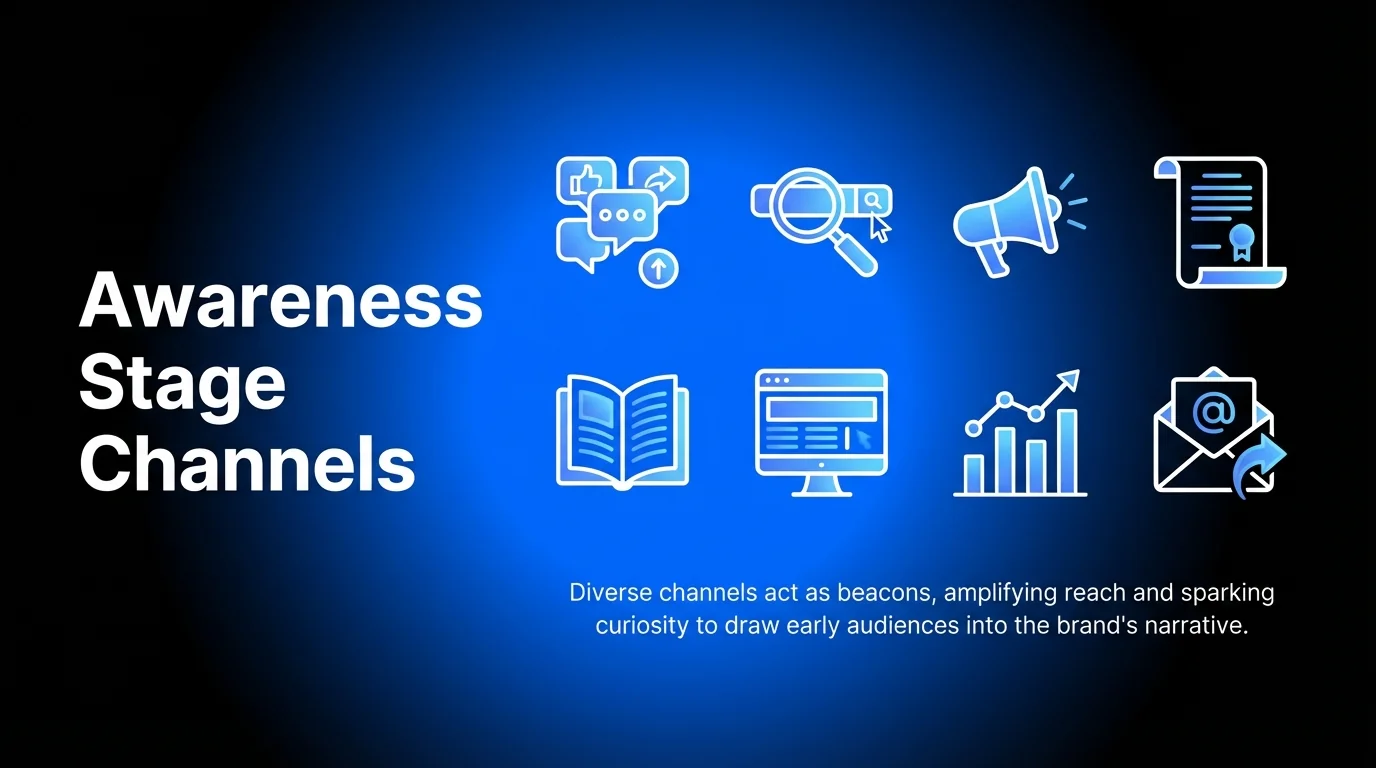
In the Awareness stage, content aims to reach prospects identifying a problem through channels like social media, SEO, ads, blog posts, ebooks, webinars, infographics, and newsletters. Your curation strategy should span these channels whilst maintaining consistent educational value.
Content Types That Work in Early Stages
Industry reports and research studies work brilliantly at the awareness stage. They provide data-driven context without promotional angles. Curate reports that illuminate market trends, common challenges, or emerging opportunities relevant to your audience.
Educational blog posts from respected voices build your credibility. Share articles that explain concepts, break down complex topics, or provide frameworks for thinking about challenges. Add brief commentary explaining why each piece matters to your audience.
Infographics simplify complex information. Curate visual content that helps prospects understand their problems or the landscape they’re operating in. The visual format increases sharing and engagement whilst providing educational value.
| Content Type | Best Use | Curation Approach |
|---|---|---|
| Industry reports | Establish market context | Share with key findings highlighted |
| Educational articles | Explain concepts | Add perspective on applicability |
| Thought leadership | Introduce new thinking | Connect to audience challenges |
| News analysis | Show relevance | Explain implications for audience |
Distribution Channels for Awareness Content
Social media works particularly well for awareness stage curation. Prospects aren’t actively searching for solutions yet, so meeting them where they already spend time is essential. Curate content that provides genuine value without asking for anything in return.
Email newsletters allow for deeper curation. Compile weekly or monthly roundups of the most relevant industry content. Include brief annotations explaining why each piece matters. This positions you as a valuable filter in a noisy information environment.
Your blog can host curated roundups alongside original content. Create monthly “best of” posts featuring the most insightful content you’ve found. Add substantial commentary that ties pieces together and provides additional context.
Adding Context to Curated Content
Never share content without commentary. Your perspective is what transforms curation from aggregation to value creation. Explain why you’re sharing each piece and what your audience should take away.
Connect curated content to your audience’s specific challenges. Generic sharing gets ignored. Targeted curation with contextual commentary gets read and remembered. Make the relevance explicit.
Ask questions that encourage reflection. Use curated content as conversation starters that help prospects think more deeply about their challenges. This engagement builds relationships that support later stages.
Content Curation for the Consideration Stage
Consideration stage curation shifts from education to evaluation. Prospects now understand their challenges and actively research solutions. Your curated content should help them assess different approaches and develop evaluation criteria.
This stage requires more sophisticated curation. You’re not just sharing interesting articles. You’re building frameworks that help buyers make informed decisions. The content should be more specific and solution-focused whilst remaining vendor-neutral.
Comparison and Evaluation Content
Curate comparison articles that examine different solution approaches. Prospects in consideration actively seek “versus” content and methodology comparisons. Share unbiased analyses that help them understand tradeoffs between different options.
Case studies from industry publications provide social proof without being self-promotional. Curate examples of how companies similar to your prospects have addressed comparable challenges. Include case studies featuring various approaches, not just your methodology.
Product reviews and user-generated content become increasingly relevant. Curate authentic reviews from platforms like G2 or industry forums. Customer reviews provide the peer validation that consideration stage buyers seek.
Building Educational Resources
Curate comprehensive guides and ebooks that help prospects evaluate solutions systematically. Share resources that provide evaluation frameworks, checklist templates, or decision-making methodologies. These tools position you as helpful rather than pushy.
Webinar recordings offer depth that articles can’t match. Curate educational webinars from industry associations, software companies, or consulting firms. Choose content that addresses evaluation criteria and decision factors rather than product pitches.
FAQ compilations from multiple sources create valuable resources. Curate answers to common questions from various experts and platforms. This demonstrates comprehensive knowledge whilst providing practical guidance buyers need.
| Consideration Content | Purpose | Curation Focus |
|---|---|---|
| Comparison articles | Clarify options | Unbiased analysis of approaches |
| Methodology guides | Explain implementation | Practical how-to content |
| Expert roundups | Provide perspectives | Multiple viewpoints on key issues |
Consideration Stage Distribution
Email nurture sequences benefit from curated consideration content. Create drip campaigns that progressively introduce evaluation criteria through third-party content. This education-focused approach feels less sales-heavy whilst moving prospects towards decisions.
Gated resource libraries work well for consideration stage prospects. Curate collections of evaluation tools, comparison frameworks, and decision guides. Gate access to capture leads who are actively evaluating solutions.
Social media at this stage should target more specific interests. Share content in industry groups where serious buyers congregate. LinkedIn groups and specialized communities are more effective than broad social platforms for consideration content.
Content Curation for the Decision Stage
Decision stage curation provides the final push prospects need to commit. At this point, they’ve narrowed options and need validation that they’re making the right choice. Your curated content should address lingering doubts and provide reassurance.
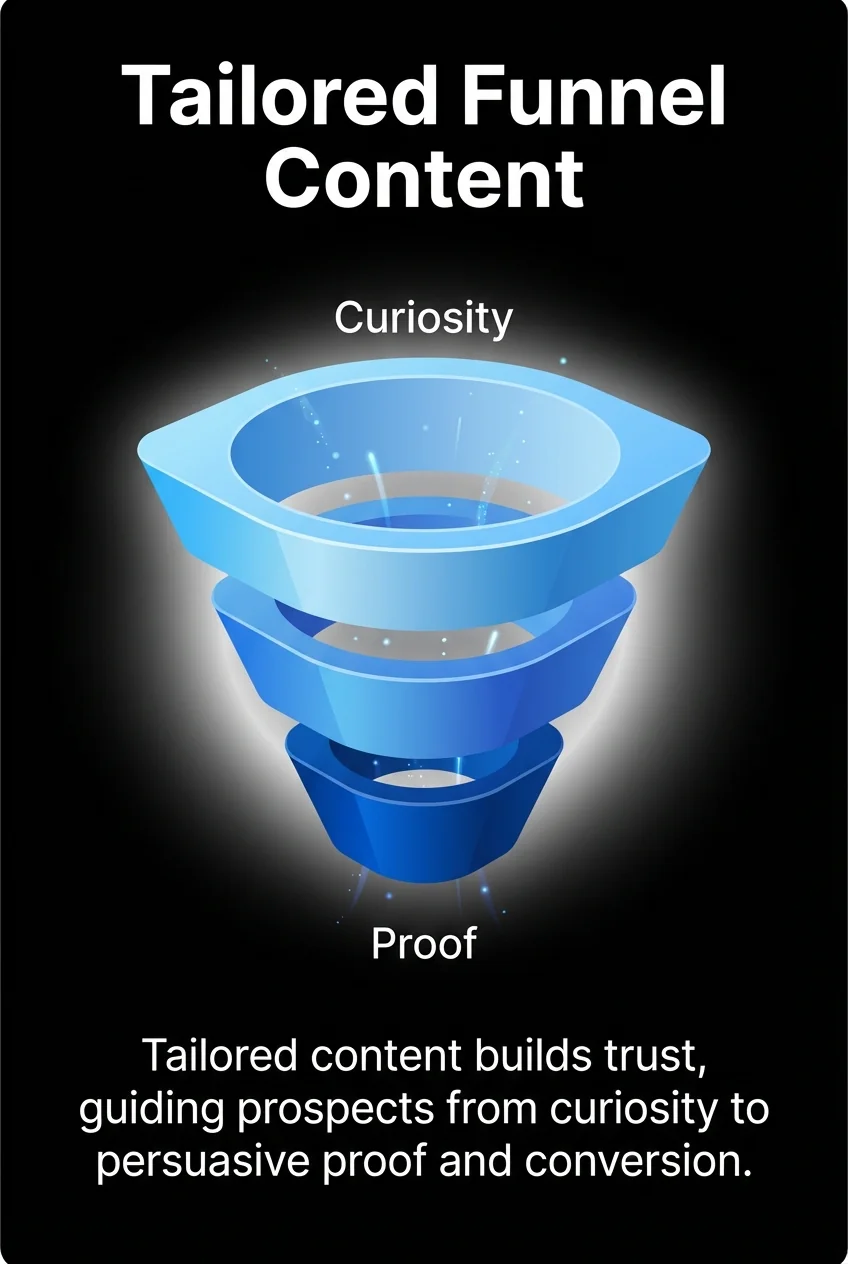
Tailoring content by funnel stage uses Top-of-Funnel for curiosity-building formats and Bottom-of-Funnel for persuasive proof. Decision stage is where persuasive proof becomes critical.
Validation and Social Proof
Customer testimonials and success stories provide powerful validation. Curate authentic success stories from industry publications, review platforms, and case study databases. Focus on outcomes and results rather than product features.
Third-party reviews and ratings offer unbiased perspectives. Share content from independent review sites that evaluate solutions objectively. Even reviews of competitors can be valuable if they help establish evaluation criteria that favor your approach.
Expert endorsements carry weight at decision stage. Curate analyst reports, industry awards, and expert recommendations that validate your solution category or specific approach. Recognition from trusted authorities reduces perceived risk.
Technical Validation Content
Security assessments and compliance documentation matter for enterprise buyers. Curate third-party security audits, compliance certifications, and technical whitepapers. These resources address technical stakeholders’ concerns without requiring your own documentation.
Integration guides and technical specifications help technical evaluators. Curate documentation about how solutions in your category integrate with common platforms. This practical information accelerates decision-making by addressing implementation concerns.
ROI calculators and cost analysis tools provide financial validation. Curate resources that help prospects quantify expected returns. Third-party calculators often feel more credible than vendor-provided tools.
Addressing Objections Through Curation
Curate content that directly addresses common objections. If prospects worry about implementation time, share articles about rapid deployment strategies. If cost is a concern, curate ROI studies and total cost of ownership analyses.
Competitive intelligence through curated content helps prospects make informed choices. Share objective comparisons and analyst perspectives that help buyers understand differentiation. Avoid curating obviously biased content that undermines credibility.
Change management resources ease implementation concerns. Curate articles about successful transitions, change management best practices, and adoption strategies. These resources address the human side of buying decisions that often stalls deals.
Post-Purchase Content for Retention and Advocacy
The buyer’s journey doesn’t end at purchase. Common customer journey stages include Awareness, Consideration, Purchase, Onboarding, Usage, Support/Retention, Loyalty, and Advocacy. Effective content curation continues through these post-purchase stages.
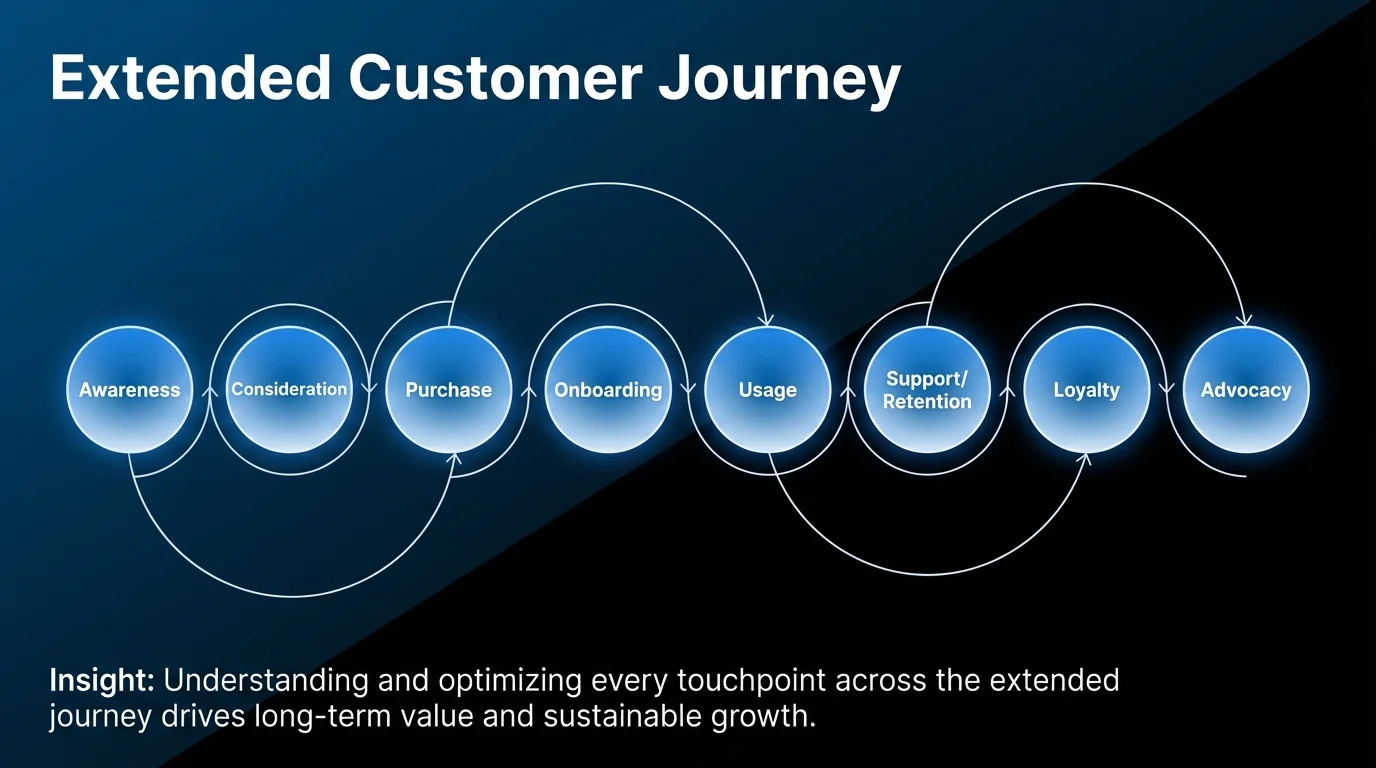
Post-purchase curation focuses on maximizing value, driving adoption, and building advocacy. Your curated content should help customers succeed whilst positioning your ongoing relationship as valuable beyond the product itself.
Onboarding and Adoption Content
Curate implementation best practices from industry experts. New customers need guidance on successful deployment. Share case studies, methodology guides, and expert advice that helps them avoid common pitfalls.
Training resources and educational content accelerate adoption. Curate tutorials, how-to guides, and skill-building content relevant to your solution category. This investment in customer success builds loyalty and reduces churn.
Community-generated content provides peer support. Curate helpful forum discussions, user-generated tips, and community best practices. This shows customers they’re part of a larger community whilst reducing support burden.
Building Long-Term Engagement
Industry trend analysis keeps customers engaged. Continue curating relevant industry content that helps customers stay informed. This positions your relationship as valuable beyond the product transaction.
Advanced use case content helps customers grow with your solution. Curate sophisticated applications, integration ideas, and advanced methodologies. This drives deeper product adoption whilst demonstrating ongoing value.
Customer success stories create advocacy opportunities. Curate and share your customers’ success stories from industry publications and case study platforms. This recognition encourages continued engagement whilst providing social proof for prospects.
| Post-Purchase Stage | Content Focus | Curation Goal |
|---|---|---|
| Onboarding | Implementation guides | Accelerate time to value |
| Adoption | Use case examples | Drive deeper engagement |
| Retention | Industry insights | Maintain relationship value |
| Advocacy | Success stories | Encourage sharing and referrals |
Tools and Best Practices for Content Curation
Effective content curation at scale requires tools and systematic processes. Manual curation works for small volumes but becomes unsustainable as your content programme grows. The right tools help you discover, organize, and distribute curated content efficiently.
Content Discovery Tools
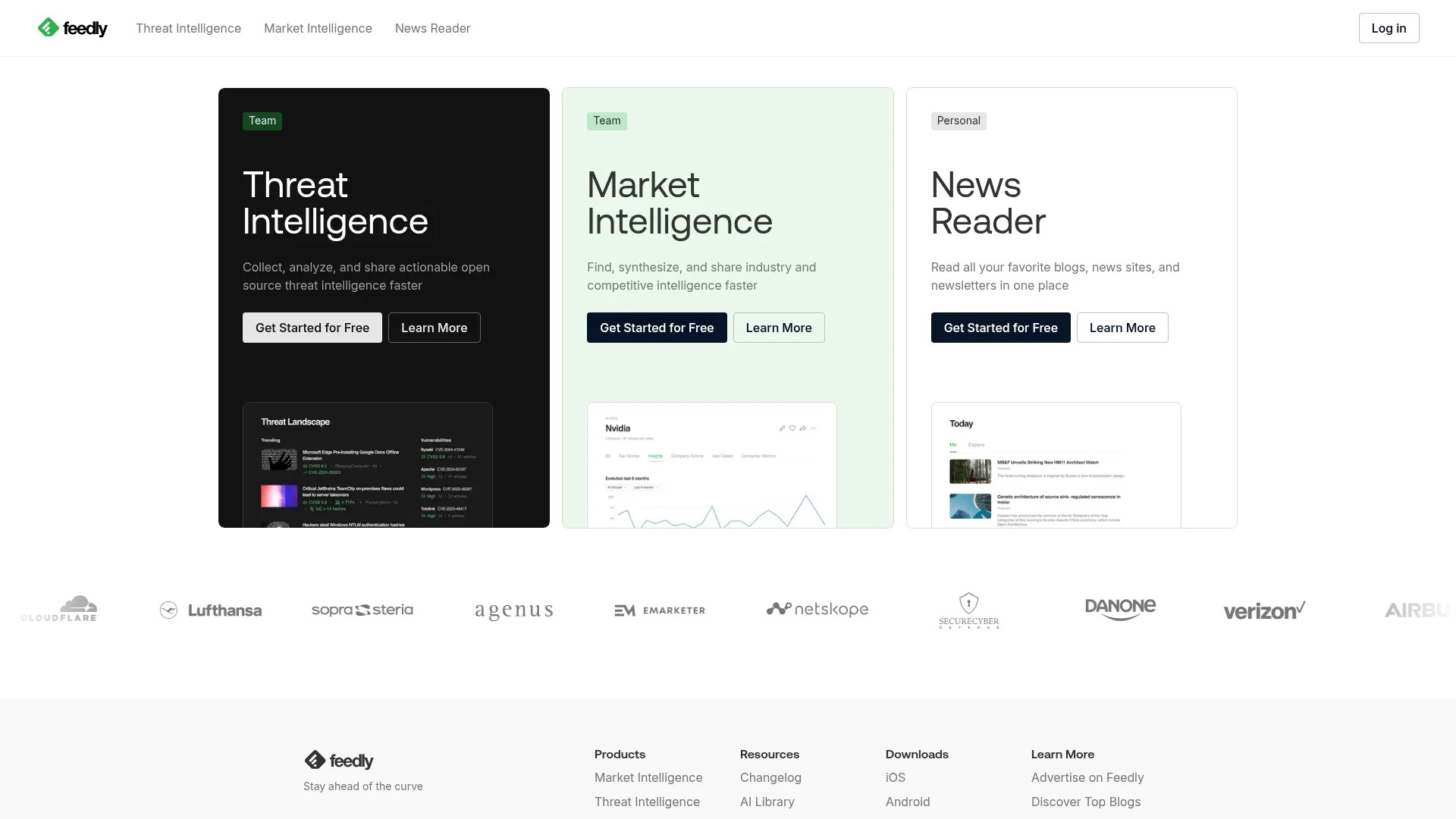
Feedly aggregates content from multiple sources into a single feed. Create collections organized by buyer journey stage. Tag articles as awareness, consideration, or decision content as you review them. This organization makes it easy to find appropriate content when building stage-specific campaigns.
Google Alerts monitors specific keywords and delivers relevant content daily. Set up alerts for industry topics, competitor mentions, and solution categories relevant to each buyer stage. This passive discovery ensures you never miss important content.
Buffer and similar social media tools help schedule and distribute curated content. Organize your queue by buyer journey stage. Balance awareness, consideration, and decision content in your publishing calendar to serve audiences at different stages simultaneously.
Curation Workflow Best Practices
Create a weekly curation routine. Block time specifically for content discovery and evaluation. Consistency beats sporadic effort. Aim to curate content in batches rather than scrambling for shares throughout the week.
Develop stage-specific content criteria. Not every article deserves curation. Establish standards for awareness content (educational, unbiased, reputable sources), consideration content (solution-focused, comparative, practical), and decision content (proof-oriented, specific, credible).
Maintain a content library organized by stage. Use tools like Notion or Airtable to categorize curated content. Tag by buyer stage, topic, content type, and target persona. This organization makes it easy to find appropriate content when building campaigns.
Adding Value Through Commentary
Never share curated content without context. Your perspective transforms aggregation into curation. Develop templates for different types of commentary based on buyer stage.
For awareness content, explain why the topic matters to your audience. Connect the curated piece to challenges they’re experiencing. Pose questions that encourage deeper thinking about the implications.
For consideration content, highlight key evaluation criteria discussed in the piece. Draw connections between the curated content and decision factors important to your buyers. Suggest additional resources that complement the curated piece.
For decision content, emphasize validation elements. Point out specific proof points, success metrics, or risk mitigation factors mentioned in the curated piece. Connect these elements to concerns your prospects typically express.
Measuring Content Performance Across the Buyer Journey
Measurement separates strategic curation from random sharing. Lifecycle marketing stages typically include Awareness, Engagement/Interest, Consideration, and Loyalty/Advocacy. Your measurement framework should track movement between these stages.
Different metrics matter at different stages. Awareness content should drive reach and engagement. Consideration content should generate qualified leads. Decision content should correlate with conversion. Post-purchase content should impact retention and advocacy.
Awareness Stage Metrics
Reach and impressions indicate whether your curated content is finding an audience. Track social media impressions, email open rates, and blog traffic for awareness content. Growing reach suggests your curation is resonating.
Engagement metrics reveal whether content generates interest. Monitor social shares, comments, and email click-through rates. High engagement indicates you’re curating content that matters to your audience.
New audience growth connects to awareness curation. Track new email subscribers, social followers, and website visitors acquired through curated content campaigns. This growth demonstrates that your curation attracts new prospects.
Consideration Stage Metrics
Lead generation indicates consideration content effectiveness. Track form submissions, gated content downloads, and email list conversions tied to consideration stage curation. These actions signal prospects actively evaluating solutions.
Content consumption depth matters at consideration stage. Monitor time spent with curated content, resources downloaded, and pages viewed per session. Deeper engagement suggests prospects are seriously evaluating.
Progressive profiling reveals buyer stage advancement. Track how prospects engage with different content types over time. Movement from awareness to consideration content consumption indicates successful journey progression.
Decision and Post-Purchase Metrics
Conversion correlation links curation to revenue. Analyse whether prospects who engage with decision-stage curated content convert at higher rates. This attribution demonstrates ROI from strategic curation.
Customer adoption metrics show post-purchase curation effectiveness. Monitor product usage depth, feature adoption rates, and support ticket frequency. Effective onboarding curation should correlate with faster adoption and fewer support issues.
Advocacy actions indicate loyalty stage success. Track referrals, case study participation, review submissions, and user-generated content creation. These advocacy behaviours demonstrate that post-purchase curation builds lasting relationships.
| Buyer Stage | Primary Metrics | Success Indicators |
|---|---|---|
| Awareness | Reach and engagement | Growing audience, increasing shares |
| Consideration | Lead generation | Form submissions, downloads |
| Decision | Conversion rate | Sales influenced by content |
| Post-purchase | Adoption and advocacy | Usage depth, referrals |
Building Your Content Curation System
Strategic content curation for the buyer’s journey requires systematic thinking. You need discovery processes, evaluation criteria, distribution workflows, and measurement frameworks. Start by mapping your buyer’s journey stages and identifying content gaps at each phase.
Build your curation library gradually. Don’t try to fill every stage simultaneously. Start with awareness content since that’s typically the largest audience. Once you have consistent awareness curation, add consideration content. Decision and post-purchase curation can follow as your system matures.
Content marketing strategy success depends on consistency more than volume. Better to curate three excellent pieces weekly than publish daily mediocre content. Focus on quality curation that genuinely serves your audience at each stage.
Your first step today is simple. Choose one buyer journey stage and curate one excellent piece of content for that stage. Add meaningful commentary explaining why it matters to your audience. Share it through your primary channel. That single action starts building the habit that will transform your content programme.
The marketers who win don’t create everything themselves. They become trusted guides who help prospects navigate complex decisions through strategic curation. Start curating with intention today.